
 Lifestyle
 Food & Nutrition
 Fitness

Stress-related back pain is a real, physically measurable condition, not something you are imagining or exaggerating because you cannot point to an injury. When your body registers stress, it releases cortisol and adrenaline that tighten the muscles running along your spine, and if that stress response fires every day for weeks, those muscles never fully release. The result is the same dull, tight ache in your lower back or between your shoulder blades that shows up on the days work piles up, sleep gets short, and everything feels like too much at once, even though nothing about how you moved or lifted actually changed.
If your back pain seems to track your calendar more closely than it tracks any specific activity, worse during a stretch of bad weeks and better on vacation, this guide breaks down what is actually happening in your body and what helps beyond just telling yourself to relax.
What Stress-Related Back Pain Actually Feels Like
Stress-related back pain tends to have a distinct pattern once you know what to look for. It usually shows up as a dull, diffuse ache or tightness across the lower back or between the shoulder blades, rather than a sharp, localized pain that pinpoints to one spot. It often comes and goes with your stress levels, flaring during a demanding week at work or a difficult personal stretch and easing on weekends or days when things feel more manageable. Many people also notice it clusters with other stress symptoms, a clenched jaw, tension headaches, or a tight chest, appearing at the same time as the back pain rather than in isolation.
This pattern matters because it helps separate stress-related back pain from pain tied to a specific movement or injury. A pulled muscle from a bad lift usually has a clear onset you can point to. Stress-related back pain tends to build gradually over days, without a single moment you can identify as the cause, which is often the first clue that something other than a mechanical injury is driving it.
How Stress Turns Into Physical Back Pain
The mechanism behind stress-related back pain is not abstract. When your brain perceives a threat, real or just a looming deadline, it triggers the release of cortisol and adrenaline as part of the fight-or-flight response. Those hormones prepare your body for action by tightening major muscle groups, including the muscles that support your spine, and raising your heart rate and blood pressure. Mayo Clinic’s overview of stress symptoms confirms that muscle tension is one of the most consistent physical effects of stress on the body, alongside headaches and fatigue, because muscles stay braced even after the immediate stressor has passed.
Short bursts of this response resolve on their own once the stressful moment ends. The problem is chronic, low-grade stress that never fully switches the response off. When cortisol stays elevated for weeks at a time, the muscles along your spine, particularly the paraspinal muscles and the muscles across your shoulders and upper back, stay in a low-level contracted state around the clock. That constant tension reduces blood flow to the area, which slows the muscles’ ability to clear metabolic waste and recover, and the result is the ache many people describe as stress-related back pain.
Stress-Related Pain vs a Structural Back Injury: How to Tell the Difference
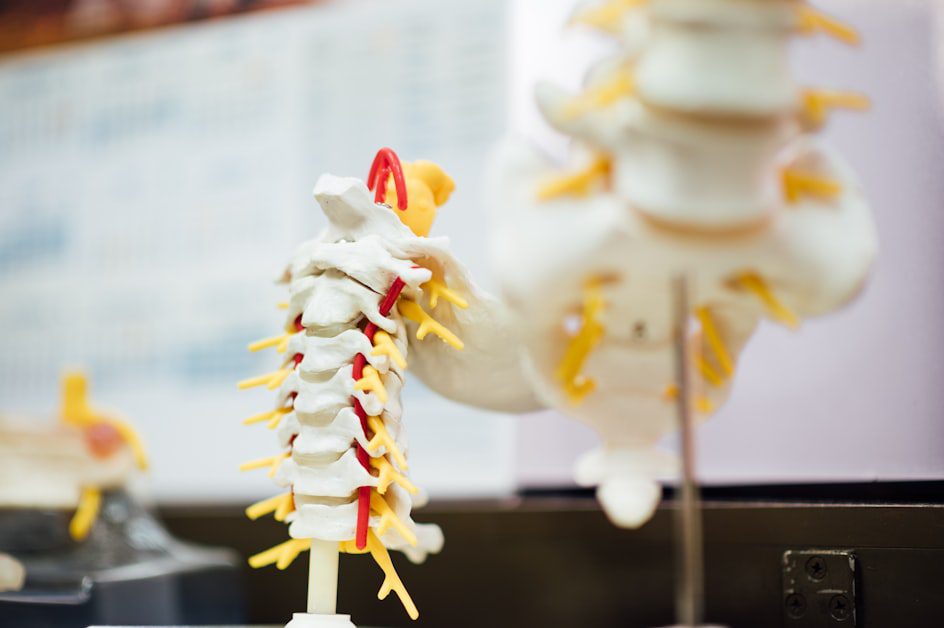
Not every ache that shows up during a stressful stretch is actually caused by stress, and it is worth ruling out a structural issue before assuming stress is the whole story. The clearest guide for making that distinction is the difference between mechanical back pain and pain from a more serious underlying cause, which walks through the warning signs that point away from a purely muscular or stress-driven explanation.
As a general rule, stress-related back pain tends to be symmetrical, diffuse rather than sharply localized, and it moves with your emotional state more than with specific positions or movements. Pain that radiates down one leg, worsens with a specific motion like bending or twisting, or stays constant regardless of how stressed or relaxed you feel is more likely tied to a disc, joint, or nerve issue than to stress alone. Both explanations can be true at once, since chronic stress can also make an existing mechanical problem feel worse by keeping the surrounding muscles tighter and less able to support the injured area.
The Stress, Sleep, and Back Pain Cycle

Stress and back pain feed each other through sleep, and breaking that cycle matters as much as addressing either piece on its own. Stress makes it harder to fall asleep and stay asleep, and poor sleep gives your body less time to repair muscle tissue and regulate cortisol overnight, so you wake up with tighter muscles and less resilience for the next stressful day. That day then produces more pain, which makes it harder to sleep well that night, and the cycle repeats. A useful first step is checking whether you are actually getting enough sleep for real recovery to happen. Our sleep calculator can show you what a full sleep cycle looks like based on your wake time, which is worth knowing before assuming five or six hours is simply how much sleep you need.
Beyond sleep duration, sleep position matters for stress-related back pain too, since a poor position adds mechanical strain on top of the tension stress already creates. The same sleep positions that ease lower back pain apply directly here: a pillow between the knees for side sleepers and a pillow under the knees for back sleepers both take pressure off the lumbar spine while your muscles are trying to recover overnight.
Breathing and Nervous System Resets That Calm Back Muscles

Because stress-related back pain is driven by your nervous system staying in a heightened state, techniques that calm that system directly tend to work better than stretching alone. Slow, diaphragmatic breathing, in for a count of four, hold for four, out for six, signals to your nervous system that the immediate threat has passed, which lowers the muscle tension that built up in response to it. Doing this for even five minutes, twice a day, gives your paraspinal muscles a real chance to release rather than staying braced through another stressful afternoon.
Mindfulness-based approaches have real evidence behind them for this specific problem, not just general stress relief. A randomized clinical trial funded by the National Institutes of Health, published in JAMA and summarized by the National Center for Complementary and Integrative Health, found that mindfulness-based stress reduction produced greater improvement in back pain and daily function than usual care, with benefits still measurable a year later. That kind of nervous-system-focused approach targets the actual mechanism behind stress-related back pain instead of just managing the ache after it has already built up.
Why Movement Helps More Than Rest
The instinct with any back pain is to rest until it passes, but for stress-related back pain, movement usually works better than staying still. Muscles held in a tense, contracted state from stress hormones need blood flow and motion to actually release, and sitting still, especially while continuing to think about whatever is causing the stress, tends to keep them braced. A walking-based reset is one of the simplest ways to interrupt that pattern. The Japanese interval walking method is worth trying specifically because alternating brisk and easy paces engages the nervous system differently than a steady, low-effort stroll, which can help shift you out of a tense state faster.
Gentle mobility work in the morning has a similar effect, especially if stress tends to build across your day and your back feels worst by evening. Working through a short set of morning stretches for lower back pain before the day’s stressors accumulate gives your muscles a baseline of looseness to work from, rather than starting the day already tight and adding stress on top of it.
Building a Daily Stress-Proofing Routine for Your Back
Because stress-related back pain builds gradually, the fixes that work best are the ones you do consistently rather than the ones you reach for only after the pain has already set in. A short breathing practice in the morning, a walk at lunch, and a consistent bedtime routine do more together over a month than any single stretch does in the moment. The same habits that help people manage chronic low back pain apply directly to the stress-driven version, since consistency in movement, sleep, and recovery routines matters more than intensity.
It also helps to build in a brief check-in with your body during a stressful day, noticing when your shoulders have crept up toward your ears or your jaw has clenched, and consciously relaxing those areas along with your lower back. Stress tension tends to accumulate without you noticing until it has already become pain, so catching it early in the day, before it compounds into an ache by evening, is one of the more practical habits for keeping stress-related back pain from becoming a daily fixture.
When It Is Not Just Stress: Red Flags That Need a Doctor
Most stress-related back pain is uncomfortable but not dangerous, and it responds to the changes above within a few weeks. A smaller set of symptoms means you should stop attributing the pain to stress and get evaluated instead. Numbness, tingling, or weakness that radiates down one leg points toward nerve involvement rather than muscular tension. Pain that is sharp, localized to one specific spot, or steadily worsening regardless of your stress levels is also worth a medical opinion rather than continued self-management.
Fever alongside back pain, unexplained weight loss, or any change in bladder or bowel control need same-day medical attention, since these can signal something unrelated to stress entirely. Pain that wakes you from sleep, rather than just making it harder to fall asleep, is another signal worth mentioning to a doctor, since stress-related tension typically eases with rest rather than interrupting it outright.
Frequently Asked Questions
Can anxiety cause lower back pain even without a physical injury?
Yes. Anxiety triggers the same stress hormone response as any other stressor, releasing cortisol and adrenaline that keep the muscles supporting your spine in a tense, contracted state. Over time, that sustained tension produces real physical pain even though no injury or specific movement caused it.
Many people notice meaningful improvement within two to four weeks of consistently adding breathing exercises, regular movement, and better sleep habits. Pain tied to an ongoing stressful situation, such as a difficult work period, often eases in step with the stressor itself, though building the underlying habits helps it resolve faster than waiting it out alone.
Usually. A pulled muscle tends to have a clear onset tied to a specific movement and often feels sharp or localized to one spot. Stress-related back pain typically builds gradually, feels more diffuse across the lower back or shoulders, and tracks with your stress levels rather than any single activity.
Slow diaphragmatic breathing for five minutes, combined with gentle movement like a short walk, tends to work faster than stretching alone because it directly calms the nervous system response driving the muscle tension. Heat applied to the lower back can also help relax tight muscles while you work through a breathing exercise.
Can therapy or counseling actually help physical back pain?
Yes, particularly for pain that is closely tied to ongoing stress or a difficult life period. Counseling helps address the source of the stress response itself, and clinical research has found mindfulness-based approaches produce measurable improvement in both back pain and daily function, not just perceived stress levels.
The Bottom Line
Stress-related back pain is a genuine physical response, not a sign you are overreacting to normal life pressure. Cortisol and adrenaline tighten the muscles supporting your spine, and when stress stays elevated for weeks without a real chance to reset, that tension turns into the dull, tracking ache many people notice during their hardest stretches. Breathing exercises, consistent movement, and attention to sleep address the actual mechanism behind the pain, rather than just managing the ache after it has already built up.
If you have made these changes consistently for several weeks without improvement, or you notice numbness, weakness, or pain that wakes you from sleep, that is the point to get evaluated rather than keep attributing it to stress. For most people, though, treating the nervous system alongside the back itself is what finally breaks a pattern that stretching alone never quite fixed.
Related Articles
- Night Shift Back Pain: Why It Happens and How to Stop It
- Back Pain Worse After Sitting All Day? How to Sleep Without Making It Worse
- How to Relieve Upper Back Pain Between Shoulder Blades at Home
This article is for informational purposes only and is not a substitute for professional medical advice, diagnosis, or treatment. Always consult a qualified healthcare provider about persistent back pain, especially if you notice numbness, weakness, fever, or changes in bladder or bowel function.
Free tools from Just Health Life
BMI CalculatorBlood Pressure CheckerAll 24 calculators →Educational content, not medical advice. See our medical disclaimer and editorial policy.



After I originally left a comment I seem to have clicked the -Notify me when new comments are added- checkbox and now every time
a comment is added I receive four emails with the same comment.
Perhaps there is a way you are able to remove me from that service?
Kudos!
I think everything published made a lot of sense.
However, what about this? what if you were to write a killer post title?
I ain’t suggesting your information isn’t good., but what if you added something that makes people desire more?
I mean Stress-Related Back Pain: Causes and How to Stop It is kinda
plain. You ought to glance at Yahoo’s home page and note how they create news titles to get viewers interested.
You might add a video or a related pic or two to get people excited about everything’ve got to say.
In my opinion, it would bring your posts a little livelier.