 Lifestyle
 Food & Nutrition
 Fitness
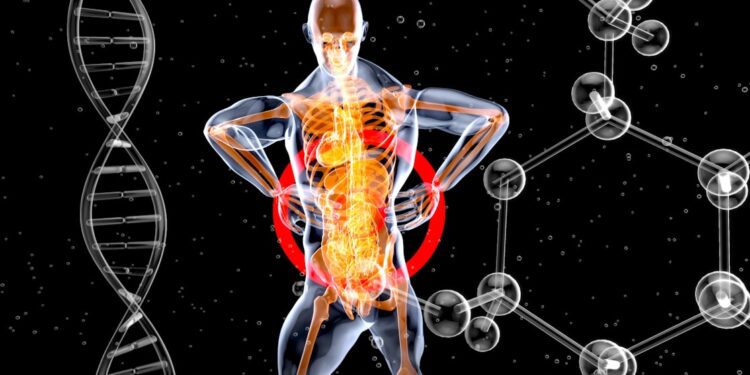
Herniated disc back pain usually announces itself in one of two ways: a sudden sharp jolt after lifting something the wrong way, or a dull ache that quietly worsens over weeks and eventually starts shooting down one leg. Both patterns point to the same underlying problem, a spinal disc that has bulged or ruptured and is now pressing on a nearby nerve. It is one of the most common structural causes of chronic low back and leg pain in adults between 30 and 50, and the good news is that most cases improve without surgery.
This guide breaks down what actually causes herniated disc back pain, how to recognize it versus a simple muscle strain, which sleeping positions and movements help or hurt, and when the pain crosses the line into something that needs urgent medical attention.
What Is a Herniated Disc, Exactly?

Spinal discs are the soft, gel-filled cushions that sit between each of the 33 bones (vertebrae) in your spine. Each disc has a tough outer layer and a jelly-like center. When the outer layer tears or weakens, that inner gel can push out and press against a spinal nerve root. That is a herniated disc, sometimes called a slipped disc, ruptured disc, or bulging disc depending on how far the material has pushed through.
Herniated disc back pain most often develops in the lower back (lumbar spine), particularly at the L4-L5 and L5-S1 levels, because that region carries the most load when you bend, twist, or lift. According to the National Institute of Neurological Disorders and Stroke, about 80 percent of adults experience low back pain at some point in their lives, and disc problems are one of the leading structural causes once a simple muscle strain has been ruled out.
What Causes Herniated Disc Back Pain
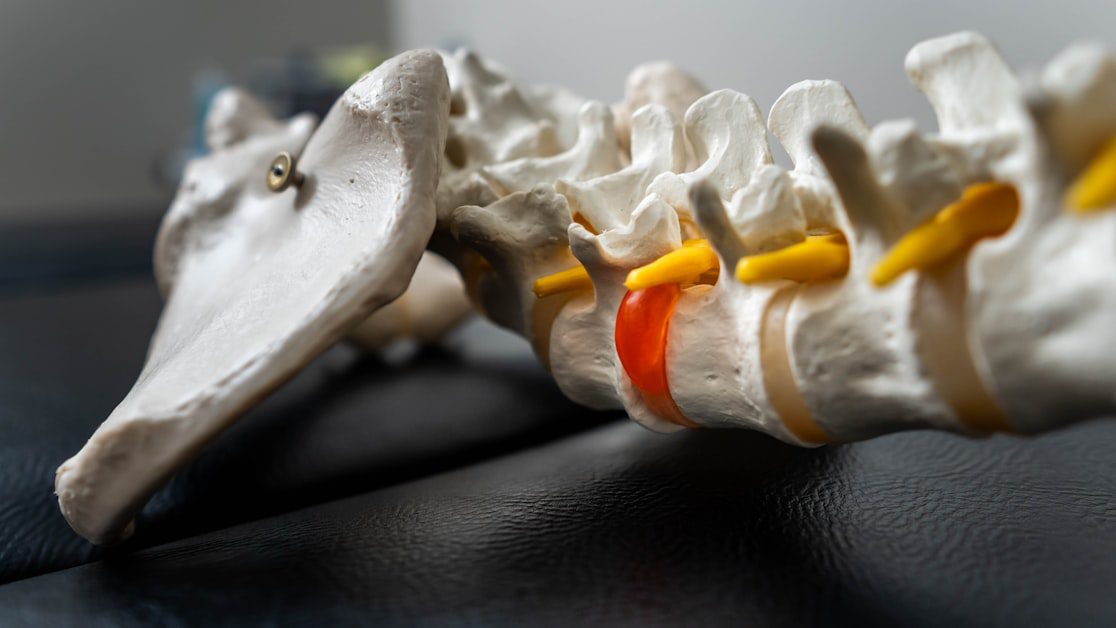
The most common driver of herniated disc back pain is not a single dramatic injury but gradual wear. As Mayo Clinic explains, spinal discs lose water content and flexibility with age, which makes them more prone to tearing or rupturing even from a minor twist or strain. A single awkward lift, a hard sneeze, or years of poor lifting mechanics can be the final straw on a disc that was already weakened.
Common contributors include:
- Age-related disc degeneration, which typically begins in the 30s and accelerates through midlife
- Improper lifting technique, especially lifting with a rounded back instead of the legs (this is a frequent trigger, see our guide on lower back pain from deadlifts for lifting mechanics that protect the spine)
- Repetitive twisting combined with lifting, common in warehouse, nursing, and moving jobs
- Excess body weight, which increases the load on lumbar discs with every step (our ideal weight calculator can help you find a healthy target range if weight is adding strain to your spine)
- Smoking, which reduces oxygen supply to spinal discs and speeds up degeneration
- Genetics, since some families have a hereditary tendency toward earlier disc breakdown
Symptoms: How to Recognize Herniated Disc Back Pain
Herniated disc back pain has a fairly distinct symptom pattern that separates it from an ordinary pulled muscle. The hallmark is pain that radiates. A lumbar herniation typically causes pain in the lower back, buttock, and down the back of one leg, often below the knee and sometimes into the foot. This radiating pattern is what most people mean when they describe sciatica, and it is worth understanding the difference between a true disc-related nerve issue and other lookalike conditions in our sciatica vs piriformis syndrome comparison.
Other common signs of herniated disc back pain include numbness or tingling along the path of the affected nerve, muscle weakness in the leg or foot that can cause stumbling, and pain that worsens with sitting, coughing, sneezing, or bending forward. Pain that eases when lying flat but flares again when you stand up is a classic pattern doctors look for during evaluation.
When Herniated Disc Back Pain Is a Medical Emergency
Most herniated disc back pain is uncomfortable but not dangerous. A small number of cases, however, involve a rare but serious complication called cauda equina syndrome, where the herniation compresses the bundle of nerves at the base of the spinal cord. This requires emergency treatment, usually within 24 to 48 hours, to prevent permanent nerve damage.
Seek emergency care immediately if herniated disc back pain comes with any of the following: loss of bladder or bowel control, numbness in the inner thighs or groin (saddle anesthesia), progressive weakness in both legs, or a fever alongside severe back pain. For a full breakdown of which back pain symptoms are urgent versus which ones can wait for a regular appointment, see our article on back pain warning signs.
How Herniated Disc Back Pain Is Diagnosed

Diagnosis usually starts with a physical exam. A doctor will check your reflexes, muscle strength, and ability to feel light touch or pinpricks in specific areas of the leg, since each spinal nerve serves a predictable zone of skin and muscle. A straight-leg raise test, where the doctor lifts your leg while you lie flat, is a simple but effective way to reproduce nerve-related pain and confirm it is coming from a disc rather than a muscle.
Imaging is not always necessary early on, since most herniated disc back pain improves within six to eight weeks with conservative care. If symptoms persist, worsen, or include significant weakness, an MRI is the standard next step because it shows soft tissue, including discs and nerves, far more clearly than an X-ray. A CT scan or myelogram may be used in specific cases, such as before surgery or when MRI is not possible.
Nonsurgical Treatment That Actually Helps
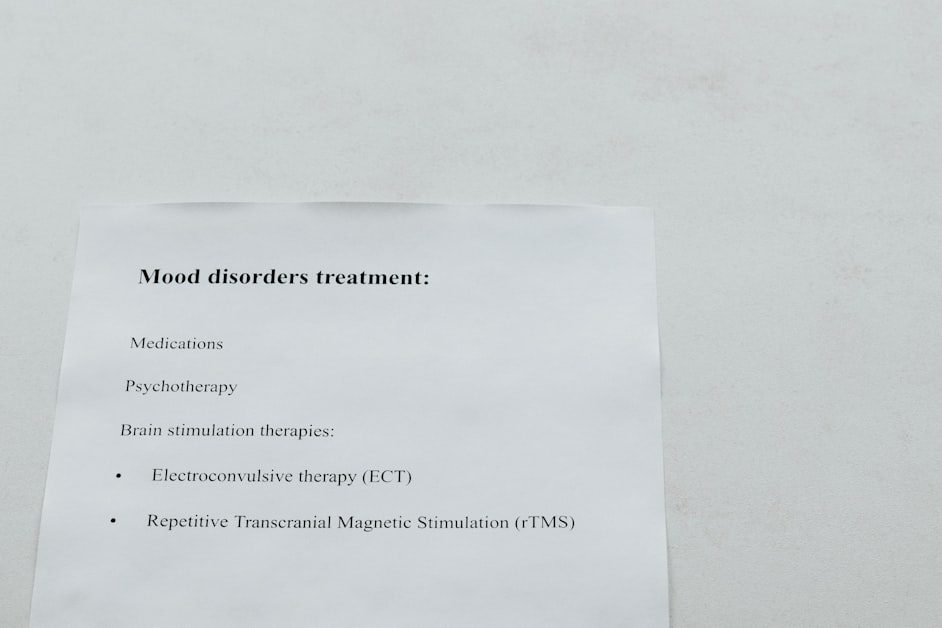
The majority of people with herniated disc back pain never need surgery. Effective conservative treatment usually combines several approaches rather than relying on one alone.
Stay active, within reason. Prolonged bed rest is no longer recommended, since it can weaken supporting muscles and slow recovery. Gentle movement, including short walks and light stretching, keeps blood flow to the area and supports healing. Our guide to pelvic tilts for lumbar back pain covers a beginner-friendly movement that many physical therapists recommend early in disc recovery because it gently mobilizes the lower spine without loading it.
Anti-inflammatory medication. Over-the-counter options like ibuprofen or naproxen can reduce the inflammation around the irritated nerve, which is often what drives the sharp, radiating pain rather than the disc bulge itself.
Physical therapy. A physical therapist can teach movement patterns and core-strengthening exercises specifically designed to take pressure off the affected disc, which tends to produce better long-term outcomes than rest alone.
Heat and ice. Ice in the first 48 to 72 hours can calm acute inflammation, while heat afterward helps relax tight surrounding muscles that tend to guard against the pain.
Epidural steroid injections. For herniated disc back pain that does not respond to the above within a few weeks, a doctor may recommend a targeted steroid injection to reduce nerve inflammation directly at the source.
Best and Worst Sleeping Positions for Herniated Disc Back Pain
Sleep position matters more than most people realize when managing herniated disc back pain, since eight hours in the wrong position can undo a day of careful movement. Mayo Clinic notes that sleeping on your side with a pillow between your knees helps keep the spine in a more neutral, aligned position and reduces rotational stress on the lower back overnight.
Sleeping flat on your stomach is generally the position to avoid, since it forces the lower back into extension and can increase pressure on an already irritated disc. Back sleeping can also work well for many people if a pillow is placed under the knees to maintain the natural curve of the lumbar spine. If long car rides or a daily commute also aggravate your symptoms, our article on relieving back pain from driving long distances covers seat positioning and posture adjustments that carry over well to sleep setup.
Exercises and Movements to Avoid With a Herniated Disc
Certain movements consistently make herniated disc back pain worse and are worth avoiding, or at least modifying, until symptoms calm down. Heavy deadlifts and squats with poor bar path are a common culprit, particularly when the lower back rounds under load instead of staying braced, which is why proper form matters so much before returning to lifting.
Other movements to approach carefully include toe touches and straight-leg forward bends, which place direct stretching load on the compressed nerve root, sit-ups and crunches that flex the spine repeatedly under load, and high-impact activities like running on hard surfaces before the acute phase has settled. Twisting motions while lifting, such as rotating to grab something out of a car trunk, are especially risky because they combine two of the biggest disc stressors, flexion and rotation, at the same time.
Gentler alternatives, like walking, swimming, and the pelvic tilt and bridge exercises covered in our stretching guides, tend to be far better tolerated while herniated disc back pain is healing.
When Surgery Becomes Necessary
Surgery is rarely the first option for herniated disc back pain and is generally reserved for cases where six to twelve weeks of conservative treatment have not helped, where nerve-related weakness is progressively worsening, or where cauda equina syndrome is present as an emergency. The most common procedure is a microdiscectomy, a minimally invasive surgery that removes the portion of disc material pressing on the nerve while leaving the rest of the disc intact.
Outcomes from microdiscectomy are generally very good, with most patients reporting significant leg pain relief within weeks. Recovery from disc surgery ranges from a few weeks for minimally invasive procedures to several months for more extensive spinal fusion, which is used far less often and typically only when there is also spinal instability.
Frequently Asked Questions
Can herniated disc back pain heal on its own without treatment?
Yes, in many cases. The body can gradually reabsorb herniated disc material over weeks to months, and most people see significant improvement in symptoms within six to eight weeks using conservative measures like activity modification, physical therapy, and anti-inflammatory medication, without ever needing surgery.
What does herniated disc back pain actually feel like?
It typically feels like a deep, aching pain in the lower back that radiates into the buttock and down one leg, sometimes described as burning, electric, or shooting. It is often accompanied by numbness, tingling, or a sense of weakness in the leg or foot, and it tends to worsen with sitting, coughing, or bending forward.
Is walking good for herniated disc back pain?
Yes, short, frequent walks are one of the most recommended forms of movement for herniated disc back pain. Walking encourages blood flow to the area and helps prevent the stiffness and muscle deconditioning that comes from prolonged inactivity, without loading the spine the way running or heavy lifting does.
How should you sleep with herniated disc back pain in the lower back?
Side sleeping with a pillow between the knees is generally best because it keeps the spine aligned and reduces rotational stress overnight. Back sleeping with a pillow under the knees is also a reasonable option. Stomach sleeping is usually the position to avoid, since it can increase pressure on the affected disc.
When should you see a doctor for herniated disc back pain?
See a doctor if pain persists beyond a couple of weeks, if you notice numbness, tingling, or weakness that is spreading or worsening, or if over-the-counter measures are not helping. Seek emergency care immediately for loss of bladder or bowel control, numbness in the groin or inner thighs, or weakness affecting both legs.
Conclusion
Herniated disc back pain can feel alarming, especially when it starts shooting down a leg, but the reality for most people is a manageable, temporary setback rather than a permanent problem. Understanding what causes it, recognizing the difference between ordinary discomfort and true warning signs, and giving the disc the right combination of gentle movement, smart sleep positioning, and patience gives your spine the best chance to heal on its own timeline. If pain lingers past a few weeks or comes with any red flag symptoms, do not wait to get it evaluated, since early treatment consistently leads to better outcomes.
Related Articles
- Postpartum Back Pain Relief: Causes, Fixes, and Red Flags
- Lower Back Pain During Perimenopause: Causes and Relief
- Back Pain After Flying: Causes and How to Prevent It
This article is for informational purposes only and is not a substitute for professional medical advice, diagnosis, or treatment. Always consult a qualified healthcare professional about any back pain, numbness, or weakness you are experiencing before starting a new treatment or exercise routine.
Free tools from Just Health Life
BMI CalculatorBlood Pressure CheckerAll 24 calculators →Educational content, not medical advice. See our medical disclaimer and editorial policy.