


Grounding techniques for anxiety and panic attacks are some of the most effective tools you can keep in your mental health toolkit. When a wave of panic hits during a meeting, a crowded store, or at 2 a.m. in your bedroom, grounding exercises bring your brain back to the present moment before anxiety takes full control. They are free, require no equipment, and work within minutes.
This guide covers 10 evidence-based grounding techniques for anxiety and panic attacks, why they work in the body and brain, and how to practice them daily so they are ready when you need them most. According to the Mayo Clinic, relaxation techniques that redirect attention to present-moment sensory experience can interrupt the anxiety feedback loop and help activate the parasympathetic nervous system. You will also find a section on what to do when grounding does not seem to be helping, which most other resources skip entirely.
What Are Grounding Techniques for Anxiety?

Grounding techniques are simple mental and physical exercises that anchor your attention to the present moment. They interrupt the cycle of anxious or spiraling thoughts by redirecting your focus to your immediate sensory environment, your body, or a neutral mental task.
The name comes from the idea of being grounded to the earth, stable and connected to the present, rather than swept away by fear about what might happen next. Therapists use grounding exercises as a core part of cognitive behavioral therapy (CBT), trauma treatment, and anxiety management. But you do not need a therapist to use them effectively.
Using grounding techniques for anxiety and panic attacks helps with anxiety disorders, post-traumatic stress disorder (PTSD), dissociation, and everyday stress. They are also a practical tool for managing overthinking at night, when racing thoughts make sleep impossible.
Why Grounding Techniques Work During Panic Attacks
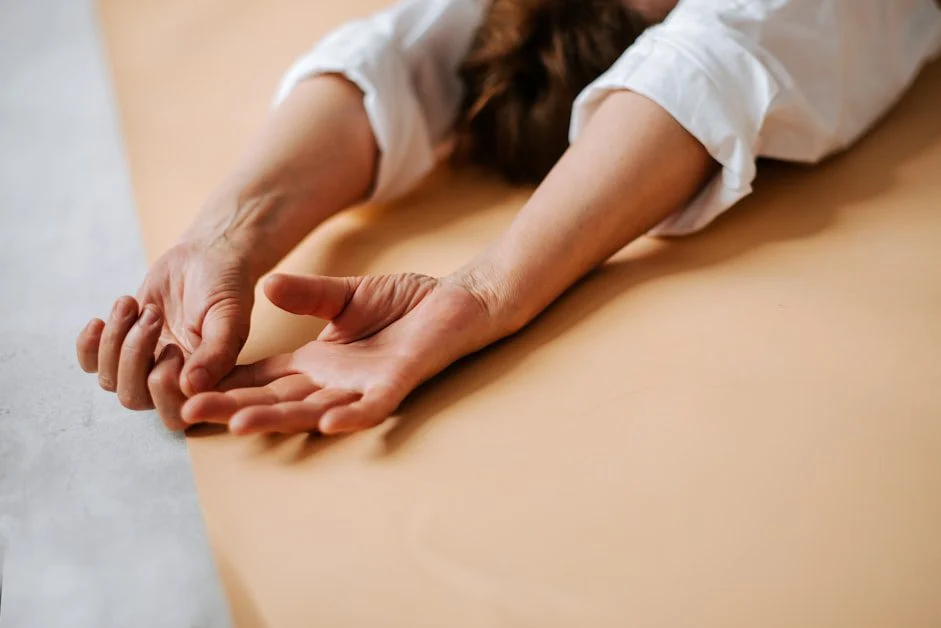
To understand why grounding works, it helps to understand what happens in your brain and body during a panic attack. The amygdala, the brain region responsible for detecting threats, fires off a false alarm. Your body responds with a flood of adrenaline and cortisol, triggering the fight-or-flight response: rapid heartbeat, shallow breathing, tightening chest, and tunnel vision.
Your prefrontal cortex, the rational and problem-solving part of your brain, goes partially offline. This is why telling yourself to simply calm down rarely works. The thinking brain is temporarily overwhelmed by the survival brain.
Grounding techniques work by activating the parasympathetic nervous system, the system responsible for rest and recovery. When you deliberately focus on sensory input in your immediate environment, you signal to your nervous system that you are safe. According to research supported by the National Institute of Mental Health, techniques that redirect attention away from internal catastrophic thoughts are a first-line approach for managing anxiety symptoms.
Another reason grounding techniques for anxiety and panic attacks work is that it is impossible to focus on two things at once. When your attention is on the texture of a fabric or the sound of traffic outside, it cannot simultaneously fuel the anxious thought spiral. If you want to understand the broader nervous system picture, these nervous system reset techniques explain how to build longer-term resilience alongside acute grounding practice.
5-4-3-2-1 Grounding Technique for Anxiety and Panic
The 5-4-3-2-1 grounding technique is the most researched and widely recommended grounding exercise for anxiety and panic attacks. It works by forcing the prefrontal cortex to re-engage with present reality, interrupting the amygdala’s threat-detection loop. You cannot simultaneously catastrophize about the future and carefully count the exact colors you see in the room around you.
Walk through each step slowly and deliberately:
- 5 things you can SEE: Look around and name five objects, colors, or shapes in your environment. Do not rush. Notice details: the grain of wood on a table, the shadow a lamp casts, the pattern on a wall.
- 4 things you can TOUCH: Notice the texture of your clothing, the chair beneath you, or the floor under your feet. Describe each one internally: rough, smooth, cool, firm. The more specific, the more effective.
- 3 things you can HEAR: Focus on external sounds: traffic, a fan, birds, the hum of a refrigerator, anything outside your body. Avoid internal sounds like your heartbeat at first, as these can heighten panic.
- 2 things you can SMELL: If scents are not obvious, step outside or bring a lotion or chapstick to your nose. Even the scent of your own hand or sleeve counts.
- 1 thing you can TASTE: A sip of water, gum, or simply noticing the current taste in your mouth.
Move slowly through each step. The goal is not to rush but to genuinely notice each sensation. Many women find this technique especially helpful before high-stress situations like presentations, medical appointments, or difficult family conversations. If anxious thoughts tend to surface during quiet moments, pairing this with regular anxiety journal prompts can help process the underlying triggers between episodes.
Cold Water Grounding Technique: Step-by-Step Protocol
Cold water grounding is one of the most effective grounding techniques for anxiety and panic attacks available during an active panic attack. It works via the mammalian diving reflex: cold water on the face or hands triggers vagal activation that slows heart rate within 30 to 60 seconds. This is a hardwired physiological response, not a placebo. You are not just distracting yourself, you are directly stimulating the vagus nerve to shift your autonomic nervous system out of fight-or-flight.
This makes cold water grounding a technique that combines sensory focus with direct physiological vagus nerve activation, unlike purely cognitive methods. Follow this protocol:
- Fill a bowl with cold water (no ice needed, 15 to 18 degrees Celsius is ideal). If you are not at home, run cold tap water.
- Submerge both hands up to the wrists, or splash cold water on your face, focusing on the forehead, cheeks, and temples where the diving reflex is most sensitive.
- Hold for 30 to 60 seconds and focus your entire attention on the temperature sensation. Notice how it spreads across your skin, where it is most intense, and how it changes over time.
- Take slow, deliberate breaths while staying focused on what you feel. Inhale through the nose, exhale slowly through the mouth.
- Repeat once if needed. Most people notice a measurable drop in heart rate and a reduction in panic intensity within a single 60-second session.
Cold water grounding is particularly effective when anxiety has a strong physical component: racing heart, chest tightness, or dizziness. It works through a completely different pathway than breathing or sensory counting, which is why it can break through panic states that other techniques cannot reach.
Sensory Grounding Techniques for Anxiety and Panic Attacks

Beyond the 5-4-3-2-1 method and cold water protocol, several other sensory grounding techniques for anxiety and panic attacks are worth having in your toolkit. These use your senses to reconnect you with your immediate surroundings and can be done silently anywhere.
Temperature Grounding Variations
Holding an ice cube, gripping a cold glass, or pressing a cool object to your wrists or neck are all effective variations on temperature grounding. The sharp physical sensation activates the body’s dive reflex, which lowers heart rate and shifts blood flow, producing a calming effect on the nervous system. Warm temperature works differently but is also useful: cupping a hot mug of tea and focusing on the warmth spreading through your palms can ground through comfort rather than shock.
Detailed Object Focus
Pick any object nearby and spend one to two minutes studying it in detail. What is its exact color? Does it have texture, weight, a smell? Trace its edges with your finger. This technique works because it demands enough cognitive attention to pull focus away from anxious thoughts without requiring any special equipment.
Physical Grounding Techniques You Can Do Anywhere
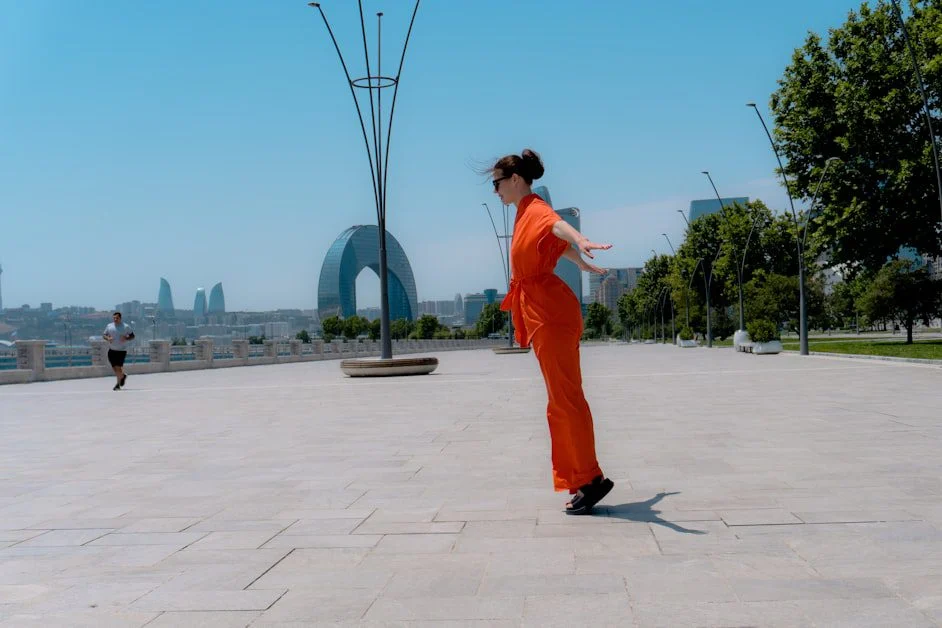
If sensory grounding techniques for anxiety and panic attacks feel too subtle when panic is intense, physical techniques engage the body more directly to interrupt the panic response. These techniques are particularly effective when anxiety is building fast and sensory approaches feel too subtle.
Feet Flat on the Floor
Press both feet flat on the floor. Notice the pressure, the temperature, and the texture beneath them. If you are wearing shoes, remove them if possible. Wiggle your toes. This simple act of physical contact with a stable surface sends a direct message to your nervous system: you are supported, you are not falling, you are here.
Progressive Muscle Tension and Release
Anxiety stores itself in the body as muscle tension. Counter it by deliberately tensing a muscle group for five seconds, then releasing. Start with your hands: squeeze into fists, hold, then release. Move to your shoulders, lifting them toward your ears, then dropping them down. The contrast between tension and release activates the relaxation response and draws your attention fully into your body rather than into your thoughts.
Grounding Through Movement
When sitting still feels impossible during a panic attack, movement can be more effective than stillness. Try marching in place while counting your steps, doing ten slow squats while paying attention to how your legs feel, or going for a brisk walk while noticing every footstep. The combination of physical movement and deliberate attention to bodily sensation is a powerful grounding combination. This approach also pairs well with a structured morning routine before stress builds throughout the day.
Mental Grounding Techniques to Stop Racing Thoughts
Mental grounding techniques for anxiety and panic attacks redirect the brain from anxious loops by giving it a structured, neutral task. These are particularly effective for anxiety that is more cognitive, where thoughts are spiraling but physical symptoms are still mild.
Counting and Category Games
Challenge your brain with a specific mental task. Count backwards from 100 by sevens (100, 93, 86, 79…). Name five breeds of dogs, five cities that start with the letter M, or five things that are blue in the room you are in. These tasks engage the prefrontal cortex and effectively crowd out anxious thoughts, since the brain cannot hold two competing focal points simultaneously.
Safe Place Visualization
Close your eyes and picture a place where you feel completely safe and at ease. It could be a beach, a childhood bedroom, a quiet garden, or any location that brings a genuine sense of calm. Build the mental image slowly and with sensory detail: what do you hear there? What does the air smell like? What does the ground feel like under your feet? The more vivid the visualization, the more effectively it engages the imagination and reduces the emotional intensity of anxiety.
Present-Tense Grounding Statements
Repeat simple, factual, present-tense statements to yourself. Not positive affirmations about the future, but grounding statements about right now: “I am sitting in my chair.” “My feet are on the floor.” “I am safe in this moment.” “This feeling is temporary and it will pass.” These statements work differently from wishful thinking because they are rooted in what is real and observable right now.
If you struggle with an inner critic that amplifies anxiety, the strategies in this guide on how to stop negative self-talk can work alongside grounding to address the thought patterns that fuel panic long term.
Breathing-Based Grounding for Panic Attacks
Box Breathing
Box breathing is one of the most effective grounding techniques for anxiety and panic attacks that relies on controlled breathing rather than sensory focus. It works by manually regulating the breath, which directly signals the vagus nerve to activate the parasympathetic nervous system.
- Inhale slowly through your nose for 4 counts
- Hold your breath for 4 counts
- Exhale slowly through your mouth for 4 counts
- Hold for 4 counts before your next inhale
Repeat four to six cycles. The Mayo Clinic notes that slow, controlled breathing is one of the most immediate tools available for activating the body’s relaxation response. Box breathing is used by military personnel, emergency responders, and athletes to manage high-stress situations, reflecting how powerfully it works on the nervous system.
The 4-7-8 method is another option: inhale for 4 counts, hold for 7, exhale for 8. The extended exhale is particularly effective at reducing heart rate quickly, since the exhale phase most directly activates the parasympathetic nervous system.
How to Build a Daily Grounding Practice
The biggest mistake people make with grounding techniques for anxiety and panic attacks is only trying them for the first time in the middle of a full panic attack. Like any skill, grounding becomes more reliable the more you practice it when you are calm.
Build a short daily grounding ritual into your existing routine. Two to three minutes in the morning is enough. Try the 5-4-3-2-1 technique before you get out of bed, or practice box breathing while your coffee brews. The goal is to make these grounding techniques for anxiety and panic attacks automatic so your nervous system recognizes and responds to them faster under stress.
If you experience chronic burnout or emotional exhaustion alongside anxiety, the two conditions often share the same nervous system dysregulation. Building daily grounding into your life supports both. The warning signs described in this article on signs of burnout in women often appear before anxiety escalates to panic attacks, making early intervention with daily grounding especially valuable.
Track which techniques work best for you in different contexts. You may find that physical grounding works better in public while mental grounding works better alone. Having two or three practiced techniques ready means you are never without options.
What to Do When Grounding Techniques Are Not Working
Grounding techniques for anxiety and panic attacks are not a guaranteed off switch for every panic attack. There are situations where these techniques are less effective, and knowing what to do in those moments matters just as much as knowing the techniques themselves.
If one technique is not working, switch immediately. If the 5-4-3-2-1 method is not cutting through the anxiety, move to cold water grounding or physical movement. Different techniques work through different neurological pathways, and what works for one type of anxiety response may not work for another.
If you are hyperventilating, breathing techniques may feel impossible at first. In this case, try to slow your exhale first, even if you cannot fully control the inhale. The exhale activates the parasympathetic nervous system more directly than the inhale does, so focusing on breathing out is more effective than focusing on breathing in.
If anxiety is very high, sensory techniques may not be strong enough on their own. Combine cold water grounding with movement: splash cold water on your face, then walk briskly. The double input from two different sensory systems can break through a more intense panic response more effectively than either approach alone.
If grounding techniques consistently fail to provide relief, or if panic attacks are frequent and interfering with daily life, this is a signal that additional support is warranted. Cognitive behavioral therapy, medication, or a combination of both have strong evidence bases for anxiety disorders. Grounding techniques are most effective as a complement to a broader mental health plan, not a replacement for professional care when it is genuinely needed.
The same grounding techniques work at 3 am, and the page on how to fall asleep faster sets out what to do in the twenty minutes after they have not worked.
Frequently Asked Questions
What is the fastest grounding technique for a panic attack?
Among all grounding techniques for anxiety and panic attacks, cold water grounding is often the fastest acting. The mammalian diving reflex, triggered by cold water on the face or hands, activates the vagus nerve and lowers heart rate within 30 to 60 seconds. This is a direct physiological response, not just distraction. For situations where cold water is not available, the 5-4-3-2-1 sensory method is the next fastest option and typically produces noticeable relief within two to three minutes.
Can grounding techniques prevent anxiety from escalating?
Yes, and this is actually one of the most effective ways to use them. Practicing grounding at the first sign of rising anxiety, before a full panic attack develops, interrupts the escalation early. Learning to recognize your early anxiety signals such as tightening shoulders, shallow breathing, or racing thoughts and responding immediately with grounding is far more effective than waiting until panic is at its peak.
How long does it take for grounding techniques to work?
Most grounding techniques for anxiety and panic attacks produce a noticeable calming effect within two to five minutes. Cold water and temperature techniques can work faster, sometimes within 30 to 60 seconds. The timeline depends on the intensity of the anxiety, your familiarity with the technique, and how regularly you practice. People who use grounding daily tend to experience faster relief when they need it under stress.
Do grounding techniques work for diagnosed anxiety disorders?
Grounding techniques for anxiety and panic attacks are effective for both situational anxiety and clinically diagnosed anxiety disorders including generalized anxiety disorder, panic disorder, social anxiety disorder, and PTSD. For anxiety disorders, grounding works best as part of a broader treatment plan that may include therapy and, in some cases, medication. They are not a standalone treatment for moderate to severe anxiety disorders.
Are there grounding techniques for hormonal anxiety spikes in women?
Anxiety that intensifies around the menstrual cycle, perimenopause, or the postpartum period is related to hormonal fluctuations affecting GABA and serotonin levels. Grounding techniques work on the same nervous system pathways regardless of the hormonal trigger. Physical grounding techniques like movement and cold water temperature tend to work particularly well when anxiety has a strong physical component, which is common during hormonal anxiety spikes.
What does Mayo Clinic say about grounding techniques for anxiety?
The Mayo Clinic recommends relaxation techniques, including sensory grounding, as part of anxiety management. Their guidance emphasizes that redirecting attention to present-moment physical sensations can interrupt the anxiety spiral by activating the parasympathetic nervous system. Grounding works alongside, not as a replacement for, professional treatment for anxiety disorders. The Mayo Clinic also notes that consistent practice of these techniques produces better results over time as the nervous system learns to respond more quickly to familiar calming signals.
Does cold water help with anxiety attacks?
Yes. Cold water triggers the mammalian diving reflex, a hardwired physiological response that activates the vagus nerve and lowers heart rate within 30 to 60 seconds. This makes cold water grounding one of the fastest-acting techniques during an active panic attack. Splash cold water on your face or submerge your hands up to the wrists, focus entirely on the temperature sensation, and breathe slowly. It will not resolve underlying anxiety long-term, but it is highly effective for acute symptom management, particularly when panic has a strong physical component like chest tightness or racing heart.
Conclusion
Grounding techniques for anxiety and panic attacks are not complicated, but they are genuinely powerful. Research consistently shows that these exercises can interrupt the physiological stress response quickly and effectively. Whether you choose the 5-4-3-2-1 grounding technique, cold water grounding, box breathing, or a combination, the key is to practice them regularly so they become second nature when anxiety hits.
Start with one technique that resonates with you and build from there. Two minutes of daily practice is enough to begin rewiring your nervous system’s response to stress. Over time, grounding becomes less of an emergency tool and more of a foundational mental health habit that keeps anxiety manageable before it reaches the panic stage.
If anxiety is significantly affecting your daily life, do not rely on self-help alone. A mental health professional can provide personalized strategies and evaluate whether additional support would benefit you.
Medical disclaimer: This article is for informational purposes only and does not constitute medical advice. The grounding techniques described here are evidence-informed self-help strategies and are not a substitute for professional mental health treatment. If you are experiencing severe anxiety, frequent panic attacks, or symptoms that interfere with daily functioning, please consult a qualified healthcare provider.
Related Articles
- How to Regulate Nervous System Anxiety: 10 Science-Backed Techniques
- 40+ Anxiety Journal Prompts for Women (Organized by Anxiety Type)
- How to Reduce Anxiety Without Medication: 8 Evidence-Based Methods
Sources
- Mayo Clinic. Mayo Clinic.
- NIH National Institute of Mental Health. Anxiety Disorders – National Institute of Mental Health (NIMH).
- Mayo Clinic. Mayo Clinic.