

If you have searched for hormone balancing supplements for women, you have seen the same promises on every bottle: steadier moods, fewer hot flashes, better sleep, easier weight loss. Most of those claims rest on marketing, not measured results. A handful of ingredients do have real human data behind them, at specific doses, with honest limits. This guide sorts the two apart so you can spend money on what the evidence supports and skip what it does not.
The focus here is women over 40 and in perimenopause, because that is when hormone swings are loudest and the supplement aisle gets the most confusing. Every number below traces to a primary source, and where a supplement does little, this says so plainly.
What hormone balancing supplements for women can and cannot do
Perimenopause is not a deficiency you top up like a low battery. It is a stretch of years, often starting in the early 40s, when estrogen and progesterone rise and fall unevenly before periods stop for good. That uneven pattern is why symptoms come and go from week to week.
No capsule you can buy without a prescription has been shown to reset that pattern. What some ingredients can do is ease a specific symptom, such as hot flashes or poor sleep, or fill a real nutrient gap. That is a smaller and more useful promise than the word balance, and it is the one worth paying for. If a product claims to normalize your estrogen or progesterone, treat that as a warning sign rather than a feature. Hormones also shift for reasons a supplement cannot touch, such as a thyroid problem or long-running stress, so a label that blames one hidden deficiency is rarely telling the whole story.
The ingredients with real evidence behind them
Three groups of ingredients have enough human trial data to be worth considering. These are the hormone balancing supplements for women with actual numbers behind them. Each one helps with something narrow, and none of them fixes hormones across the board.
Soy isoflavones and other phytoestrogens
Phytoestrogens are plant compounds, found mainly in soy and red clover, that act weakly like estrogen in the body. A 2016 JAMA review of 62 randomized trials in 6,653 women found that phytoestrogen supplements cut hot flashes by about 1.3 episodes a day on average, and soy isoflavones on their own by about 0.8 a day. The same review found no reliable drop in night sweats, and three quarters of the trials carried a high risk of bias, so the true effect may be smaller than the headline number.
That is a modest benefit, not a cure. If your hot flashes are mild and you want to try something before prescription options, soy isoflavones are among the better studied choices. Getting isoflavones from foods such as tofu, edamame, and soy milk is a reasonable alternative to a pill, and whole soy brings protein and fiber that a capsule does not. If flashes wake you most nights, read the section further down on what actually works.
Magnesium
Magnesium is one of the few supplements where a real shortfall is common. National survey data cited by the NIH Office of Dietary Supplements show that about 48% of Americans take in less magnesium from food than they need. The recommended intake for adult women is 310 to 320 mg a day. Low magnesium is linked to poor sleep and low mood, both of which tend to worsen in perimenopause, which is why it appears in nearly every hormone blend on the shelf.
Magnesium will not change your estrogen. What it can do is correct a gap that makes perimenopause symptoms feel worse than they need to. Keep supplemental magnesium at or below 350 mg a day, the upper limit the NIH sets, because more than that mostly causes diarrhea. For the fuller picture, see our guide to the benefits of magnesium for women.
Vitamin D and calcium for bone
Estrogen protects bone, and as it falls after menopause bone loss speeds up, so this is where a supplement can earn its place. The recommended vitamin D intake is 600 IU a day for women up to 70 and 800 IU after that, with an upper limit of 4,000 IU. A pooled analysis of six trials in 49,282 older adults found that vitamin D taken with calcium cut the risk of any fracture by 6% and hip fracture by 16%.
Notice what that evidence does and does not say. Vitamin D supports bone when it is paired with calcium; it is not a mood or hot-flash treatment, and trials have not shown it prevents falls in people who are not deficient. If you suspect you are low, a blood test tells you more than guessing does. Our piece on reading a vitamin D blood test explains the numbers, and vitamin D and hair thinning covers a worry that sends many women to the supplement aisle in the first place.
Creatine: not a hormone fix, but worth knowing
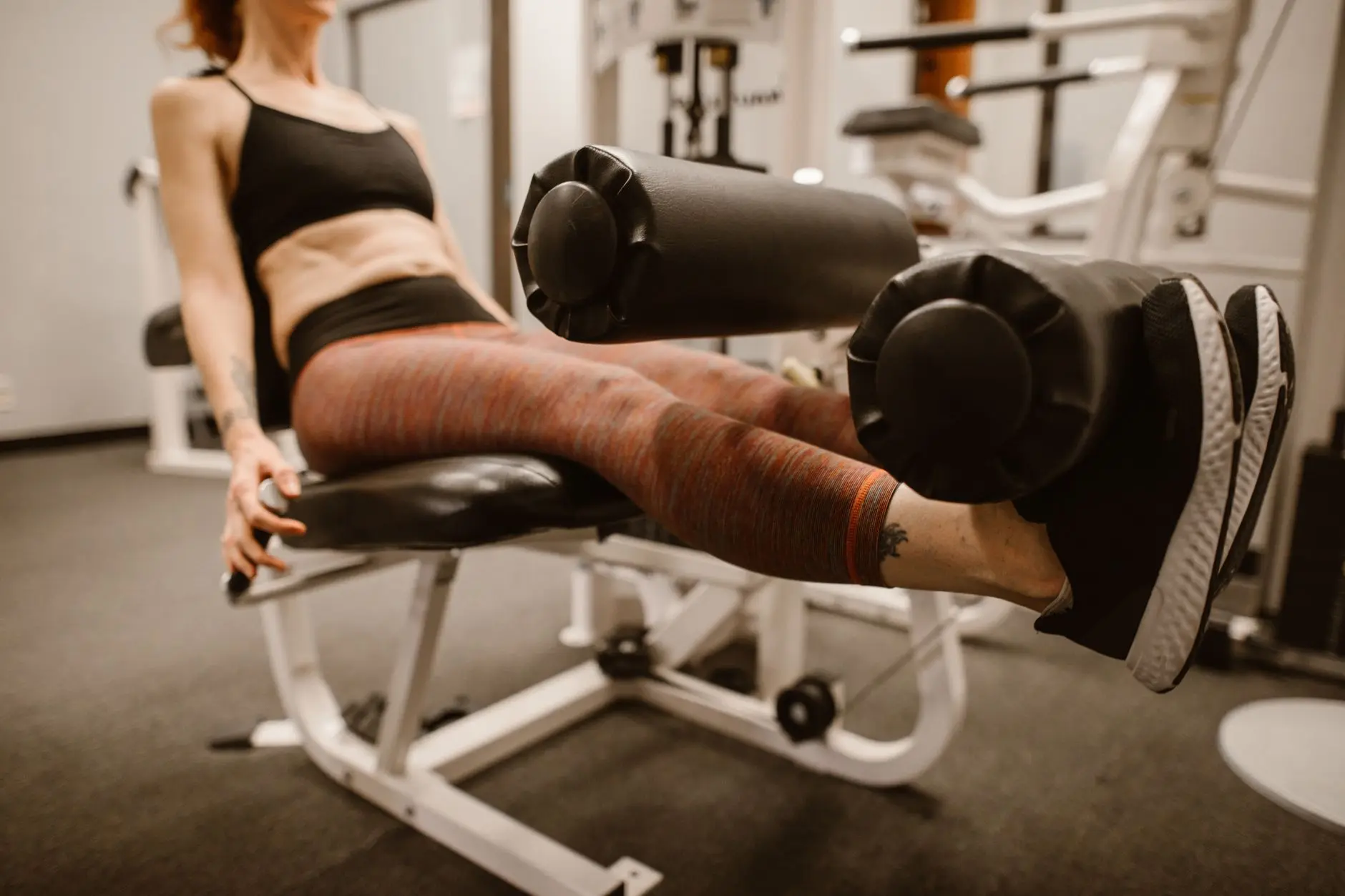
Creatine is not a hormone balancer and does not belong in that category. It turns up on women-over-40 supplement lists for a fair reason, though. After 40, muscle and strength decline faster, and creatine is one of the most studied aids for holding on to both when it is paired with resistance training. If you lift weights or want to start, it has stronger evidence than most of the herbs sold for balance. Our guides to what creatine really does for women and creatine for women over 40 cover the dose and the common myths.
The ingredients marketed hard on thin evidence
Plenty of popular hormone balance ingredients have little or no quality evidence that they do what the label implies. Many hormone balancing supplements for women are built on exactly these ingredients, which is why the category has a credibility problem. That does not always mean they are dangerous. It means you are paying for hope.
In 2023 the Menopause Society reviewed the research and did not recommend herbal remedies or dietary supplements for hot flashes, rating them below options with stronger proof. Black cohosh, maca, dong quai, evening primrose oil, and proprietary balance blends sit in this group: the trials are small, short, inconsistent, or missing. Chasteberry, also sold as vitex, has some data for premenstrual symptoms but not for perimenopause. Estrogen detox and DIM products make biochemical claims that run well past their evidence.
Be most careful with blends that hide amounts inside a proprietary formula. If you cannot see how many milligrams of each ingredient you are getting, you cannot compare it to the doses used in research. Products sold for perimenopause weight gain are a common version of this, and our guide to supplements for perimenopause weight gain walks through which of those claims hold up.
How to read a hormone balance label without getting fooled
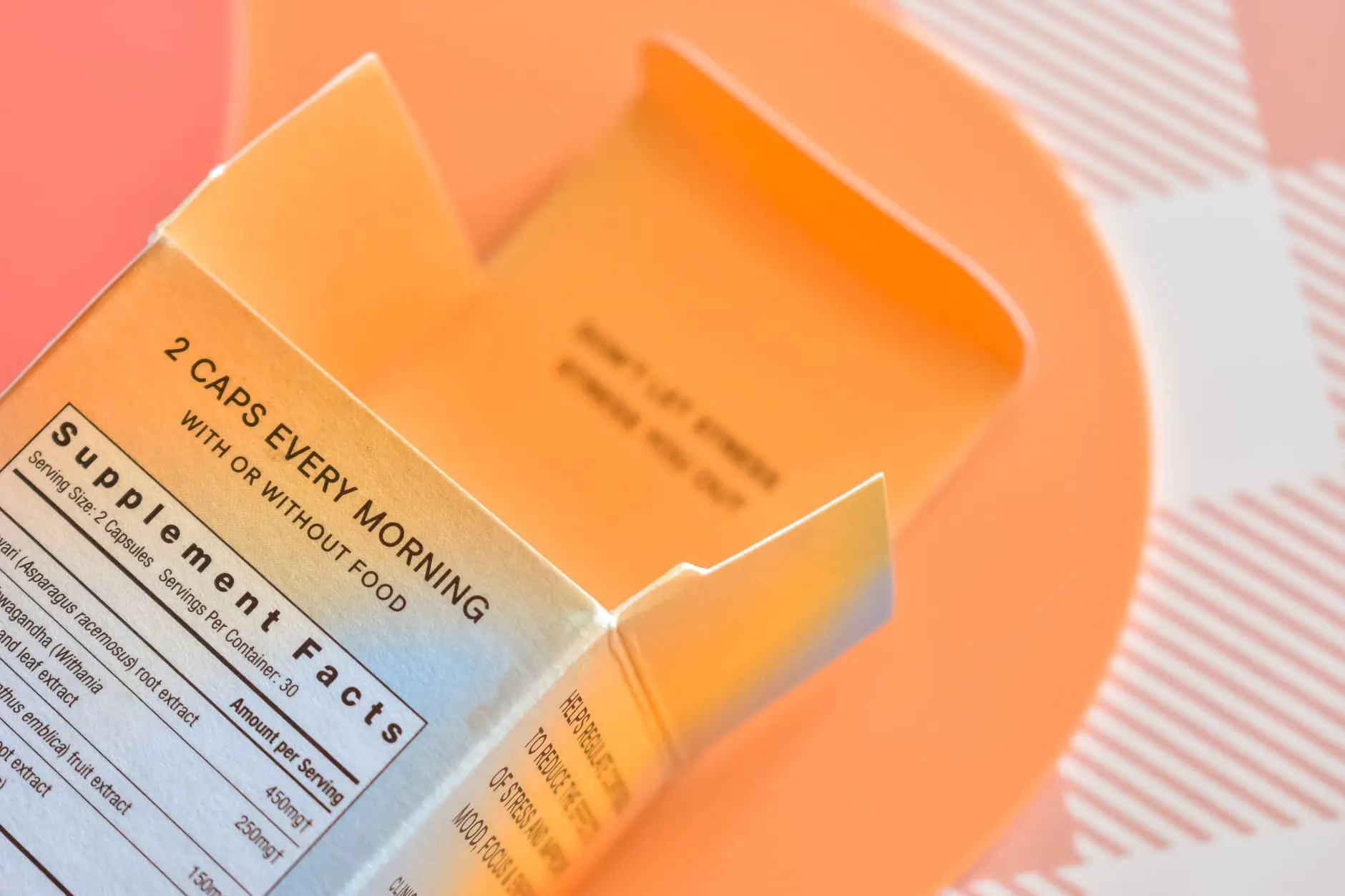
A few habits protect you from the worst products when you compare hormone balancing supplements for women. Look first for the actual amount of each active ingredient in milligrams, then compare it to the dose used in trials; a proprietary blend usually means the amounts are too low to matter. Look next for a third-party testing seal from USP, NSF, or ConsumerLab, which checks that what the label claims is actually in the bottle. Supplements are not reviewed by regulators for safety or effectiveness before they go on sale, the way medicines are.
Ignore before-and-after testimonials and any promise to reset or detox your hormones. If you take other medicines, check for interactions, because soy isoflavones and some herbs can affect estrogen-sensitive conditions and blood thinners. When a claim sounds stronger than anything in this guide, the claim is usually the problem.
Dose, safety, and who should be cautious
More is not better. The NIH sets an upper limit of 350 mg a day for supplemental magnesium and 4,000 IU a day for vitamin D, and higher intakes carry risk without extra benefit. Fat-soluble vitamins such as D build up in the body, so a megadose can harm rather than help.
Some women should not start these on their own. If you have had an estrogen-sensitive cancer, including some breast cancers, phytoestrogens and soy extracts deserve a conversation with your oncologist first. If you are pregnant or breastfeeding, take blood thinners, or have kidney disease, check with a clinician before adding anything new. This article is general information and does not replace advice about your own health.
What moves perimenopause symptoms more than any supplement
The honest headline about hormone balancing supplements for women is that lifestyle, and for many women prescription options, do more than the supplement aisle. The same Menopause Society review found that hormone therapy remains the most effective treatment for hot flashes and night sweats and is worth discussing for women within 10 years of their last period who have no reason to avoid it. Non-hormone prescription medicines and cognitive behavioral therapy also beat supplements in that review.
On your own, the basics still carry the most weight: protein and strength work to protect muscle and bone, steady sleep, less alcohol and caffeine near bedtime, and a real handle on stress. Weight-bearing and resistance exercise is the single habit shown to defend bone directly as estrogen falls, something no pill in this guide can claim. Protein matters more after 40, and our protein intake calculator gives you a daily target. For the wider view of what helps in these years, see our guide to vitamin supplements for perimenopause and the rest of the supplements hub. A supplement can play a supporting role, but it works best on top of those habits, not in place of them.
Frequently asked questions
Do hormone balancing supplements actually work for women?
Most do not reset your hormones, and no over-the-counter supplement has been shown to do that. A few ingredients ease a specific symptom. Soy isoflavones cut hot flashes by about 1.3 episodes a day in a large 2016 JAMA review, and correcting a real magnesium or vitamin D shortfall can help sleep, mood, or bone health. Treat them as help for one problem, not a fix for your whole hormone pattern.
What is the best supplement for hormonal imbalance in women over 40?
There is no single best one, because it depends on the problem. For mild hot flashes, soy isoflavones have the most data. If your diet is low in magnesium, which is common, correcting that may help sleep and mood. For bone protection after menopause, vitamin D with calcium has the strongest evidence. Match the supplement to the symptom instead of buying a balance blend.
Can supplements balance hormones during perimenopause without HRT?
Supplements can ease some symptoms but cannot replace hormone therapy for moderate or severe hot flashes and night sweats. The Menopause Society’s 2023 review found that hormone therapy remains the most effective option and does not recommend herbal supplements for these symptoms. If symptoms disrupt your daily life, a supplement on its own is unlikely to be enough.
Are hormone balancing supplements safe?
Many are low risk at normal doses, but safe is not the same as effective, and supplements are not reviewed by regulators before sale. Keep magnesium at or below 350 mg a day and vitamin D at or below 4,000 IU. Women with estrogen-sensitive cancers, those who are pregnant or breastfeeding, and anyone on blood thinners should check with a clinician first, especially before taking soy isoflavones or herbs.
How long do hormone balance supplements take to work?
In the trials that showed any benefit, phytoestrogens were usually taken for several weeks to a few months before hot flashes eased. If you have taken a product as directed for about 12 weeks and noticed no change, it is probably not working for you, and buying more of it is unlikely to help.
Sources
- Use of Plant-Based Therapies and Menopausal Symptoms: A Systematic Review and Meta-analysis. JAMA, 2016
- The 2023 Nonhormone Therapy Position Statement of The North American Menopause Society. The Menopause Society, 2023
- Magnesium: Fact Sheet for Health Professionals. NIH Office of Dietary Supplements, 2022
- Vitamin D: Fact Sheet for Health Professionals. NIH Office of Dietary Supplements, 2024
This article is general health information for adults and not medical advice. It does not know your history, your medication or your results. For a decision about your own health, talk to a doctor or another qualified clinician who does.