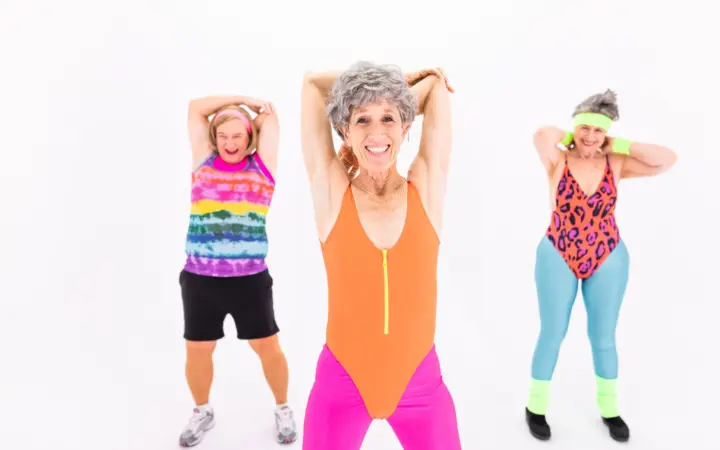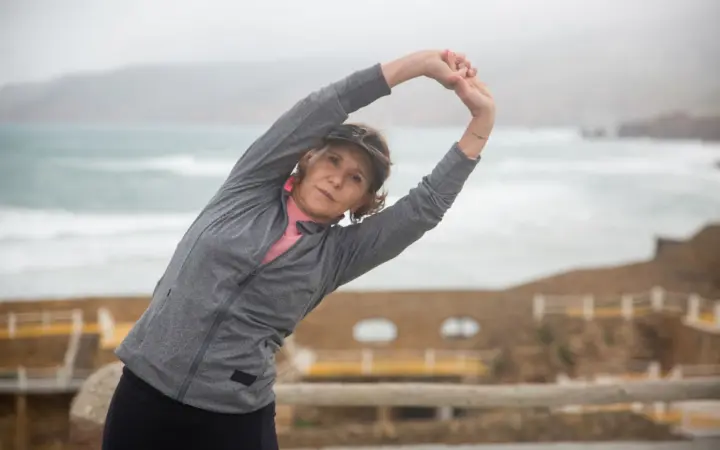


Walking is the one kind of exercise almost everyone can start today, with no gym and no gear, which is why free walking programs for weight loss get searched so often. The harder question is whether they work, and how well, especially for women in their forties and fifties whose bodies respond to movement differently than they did at twenty-five. The honest answer is that walking helps, the effect is real but modest, and the size of the result depends on your age, your pace, and what you do with your fork. Here is what the research actually shows, and a plan you can follow for nothing.
What free walking programs for weight loss actually deliver
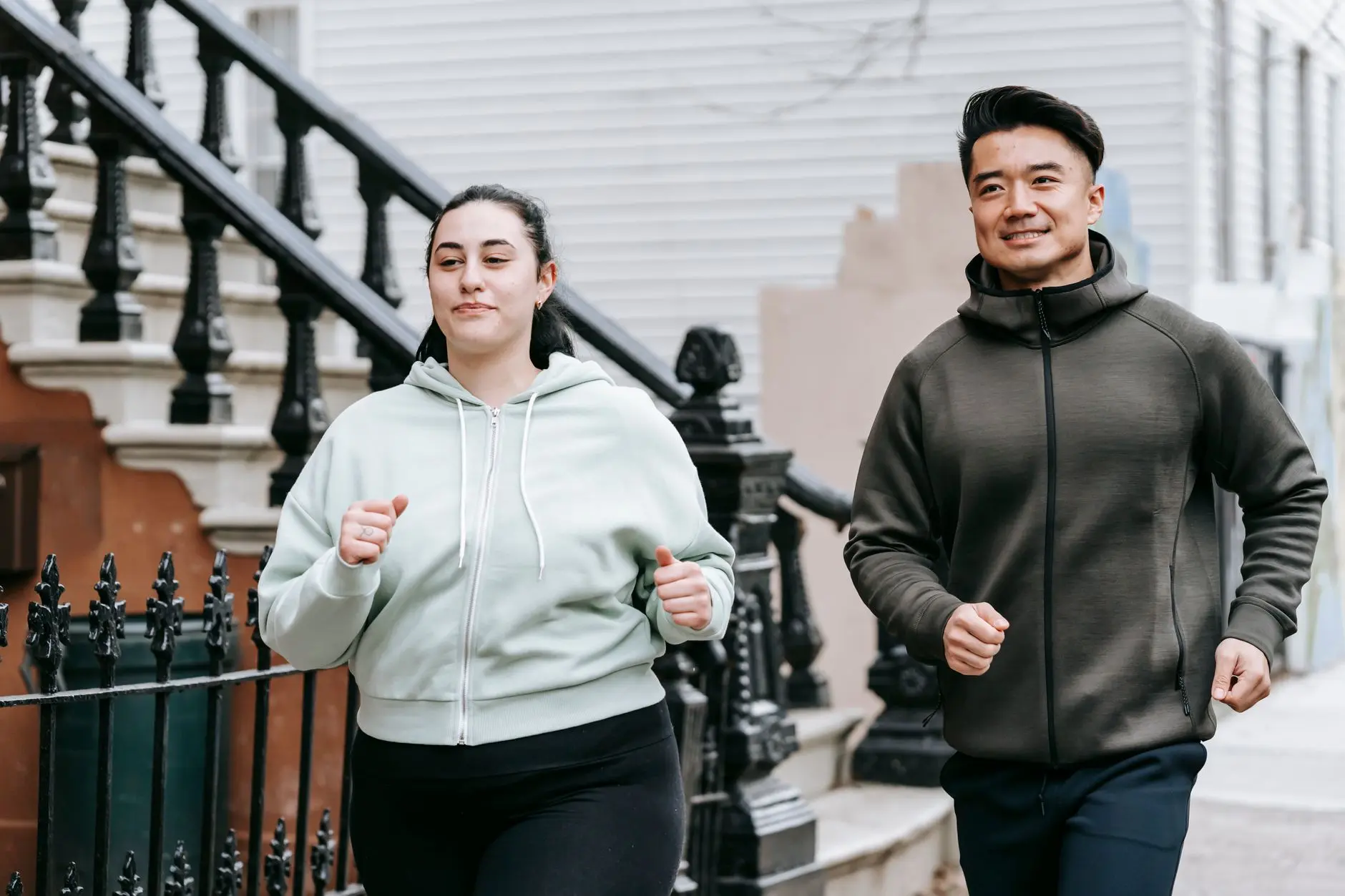
In 2017 a research team pooled 22 randomized controlled trials of brisk walking in adults carrying extra weight. On average, people who stuck with a brisk walking program lost about 2.1 kilograms, a little under five pounds, and trimmed their waist by nearly three centimetres. Their fat mass fell by roughly 2.6 kilograms, while their fat-free mass, the muscle and bone, held steady or edged up slightly. You can read the full meta-analysis on PubMed.
Read those numbers again, because that is the part most free walking programs for weight loss never mention. Two kilograms over several weeks is a genuine change, but it is not the dramatic drop the before-and-after photos promise. Walking shifts the scale slowly, and it does its best work on the fat around your middle rather than on the number you weigh.
Why the scale behaves differently after 40
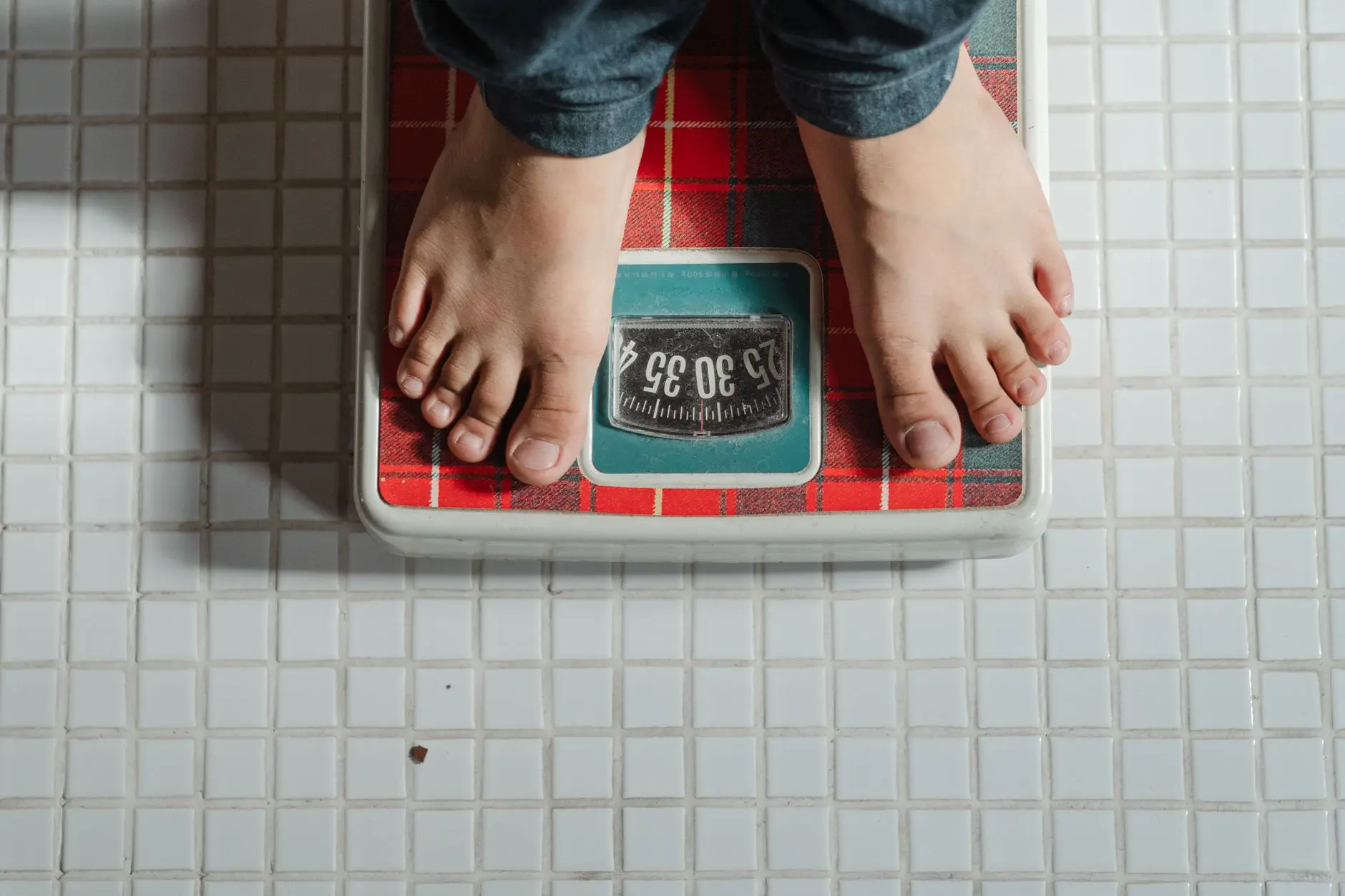
The same analysis found something that matters for women reading this. In women over fifty, brisk walking still cut fat, but the loss on the scale was smaller because they gained fat-free mass at the same time. Muscle and bone are denser than the fat they replace, so the scale can barely move while your body is genuinely getting leaner and stronger.
That is good news dressed as bad news. Through perimenopause and after it, women lose muscle and bone faster, and holding on to both protects your metabolism, your balance, and your odds of avoiding a fracture later. If you judge a walking habit by the scale alone, you may quit something that is working. Measure your waist and notice how your clothes fit instead. Our post on tai chi walking for weight loss makes the same point about slow, low-impact movement that keeps you consistent.
How much walking, and how fast

Public health guidance is specific. The CDC, following the Physical Activity Guidelines for Americans, recommends at least 150 minutes of moderate activity a week, which works out to 30 minutes a day, five days a week. Brisk walking counts as moderate activity. The same guidance asks for muscle-strengthening work on two or more days, a point we return to below.
Moderate pace is the part people get wrong. You are walking briskly when you can still talk in short sentences but could not comfortably sing. If you can belt out a chorus, pick up the pace. If you cannot get a word out, ease off. You do not need a treadmill or a chest strap to find that effort, though the free heart rate zone calculator will show you the range to aim for if you like a number to chase.
A free walking plan you can start this week

Here is a structured eight-week plan that costs nothing. It starts where most people actually are, not where fitness marketing pretends they are, and it builds slowly so your joints and your motivation both survive. All you need is a pair of shoes that do not hurt and a phone to count the minutes.
Weeks 1 and 2: build the habit
Walk 15 minutes a day, five days a week, at an easy pace. The goal is not calorie burn yet, it is showing up. Attach the walk to something you already do, such as straight after lunch or the school run, so it has a fixed place in your day.
Weeks 3 and 4: add time
Stretch your walks to 25 minutes, five days a week, and bring the pace up to brisk on three of those days. If mornings suit you, use them, though the research on the best time of day to work out says the time you will actually keep beats the theoretically perfect slot.
Weeks 5 and 6: add intensity
Hold the 30-minute walks, and on two of them add intervals: one minute faster, two minutes easy, repeated six or seven times. A route with a hill or two does the same job without any planning. This is the stretch of the plan that starts to move fat mass.
Weeks 7 and 8: lock in 150 minutes
By now you are walking 30 to 35 minutes most days and hitting the 150-minute weekly target. Keep two of the walks brisk with intervals, and let the rest be steady and enjoyable so the habit sticks past week eight.
This slow climb is the heart of most free walking programs for weight loss: a gradual build from where you are to about 150 brisk minutes a week, held long enough to become routine. If you want to see what your effort adds up to, the steps to calories calculator and the calories burned calculator turn your minutes into rough energy numbers.
Add two short strength sessions a week
Remember the finding that women over fifty gained muscle while they walked, and that the muscle masked their fat loss on the scale. You can push that effect further. The same guidance that sets the 150-minute target also asks for strength work twice a week, and in midlife that is not extra credit, it is the part that protects the result.
Two 20-minute sessions are enough to begin: sit-to-stands from a chair, wall or counter push-ups, a slow hip hinge, and a few minutes with light dumbbells or a resistance band. Our guides to strength training routines for women over 50 and weight training for women over 40 lay out beginner routines you can do at home. Protein helps your body use that work, and the free protein intake calculator gives you a daily target.
Walking works best next to a small change on your plate
The catch behind that 2.1-kilogram average is that walking does not out-walk a surplus of food. Our calories burned calculator puts a brisk 30-minute walk for an average-sized woman at roughly 150 calories, which a single large coffee drink or a handful of snacks can replace in minutes. The best free walking programs for weight loss pair the movement with a small, steady cut in daily calories, not a crash diet that you abandon by February.
You do not need to count every gram. Trimming one sugary drink, one refill, or one evening snack is often enough to turn a slow walking result into a steady one, while leaving you enough energy to keep walking. The pairing matters more after 40, when a slower metabolism means the surplus that used to vanish now settles around your waist.
How to do it for free, and how to track it
None of this needs a subscription. Your phone already counts steps and minutes, and a free notes app will hold your plan. A cheap tape measure for your waist tells you more than the bathroom scale, especially after 40 when the scale can mislead you. Take one waist measurement at the start, then once every two weeks, in the morning before breakfast.
If you have tried free walking programs for weight loss before and stalled, the reason is rarely the walking itself. It is starting too hard, missing a week, feeling behind, and quitting. This plan is deliberately gentle in the first fortnight for exactly that reason, because a habit you keep beats a harder plan you drop. Expect an ordinary week where life gets in the way, plan to walk anyway for ten minutes on those days, and let the streak carry you.
Walking is free, kind to your joints, and the one plan you are most likely to still be doing in a year. That last part, not any clever trick, is what actually moves weight. Pick a start date this week, write the first two weeks into your calendar, and treat the short early walks as non-negotiable rather than optional.
Frequently asked questions
Do free walking programs for weight loss actually work?
Yes, within limits. Pooled data from 22 trials show brisk walking produces an average loss of about 2.1 kilograms and a smaller waist, mostly from fat. The effect is real but slow, and it works best when you pair the walking with a small cut in daily calories rather than relying on the steps alone.
How much do I need to walk to lose weight?
Aim for the public health target of 150 minutes of brisk walking a week, which is 30 minutes a day, five days a week. Going beyond that helps, but staying consistent over months matters far more than any single long walk.
How long before I see results from walking?
Most people notice a change in how their clothes fit within four to eight weeks of steady walking. The scale moves slowly, and after 40 it may barely move even as your waist shrinks, because you tend to gain a little muscle at the same time.
Is walking enough to lose weight after menopause?
Walking helps but is rarely enough on its own after menopause. Research shows women over 50 lose fat from walking while gaining muscle, so pair your walks with two short strength sessions a week and a modest calorie reduction to see a clearer result.
Should I walk faster or walk longer?
Both work. If you are short on time, raising the pace or adding one-minute faster intervals burns more in the same window. If your joints prefer it, simply walking longer at a brisk pace gets you to the same weekly total.
Sources
- The Influence of Age, Sex and Body Mass Index on the Effectiveness of Brisk Walking for Obesity Management in Adults: A Systematic Review and Meta-Analysis. Journal of Physical Activity and Health, 2017
- Adult Activity: An Overview (Physical Activity Guidelines for Americans). Centers for Disease Control and Prevention, 2018
This article is general health information for adults and not medical advice. It does not know your history, your medication or your results. For a decision about your own health, talk to a doctor or another qualified clinician who does.