

Search walking for weight loss before and after and you find two things: dramatic transformation photos, and advice that never says how much weight you will actually lose. Neither helps you plan. This guide uses the measured numbers instead. When researchers pooled nine walking studies covering 307 adults, most of them women, the average change was about 1.27 kg, close to 2.8 pounds, over a median of 16 weeks. That is a real loss, and it is smaller than most before-and-after stories imply. The gap between the two is the most useful thing on this page.
What Walking for Weight Loss Before and After Actually Looks Like

The pooled analysis that produced that 1.27 kg figure looked only at walking programs with no diet change. Participants wore pedometers and walked more than before. On average they lost about 0.05 kg a week, roughly a tenth of a pound. Over the median 16 weeks that added up to 1.27 kg. Nearly three quarters of the people in those studies were women, so the figure speaks fairly well to the readers here. Longer programs lost more than shorter ones, which tells you that months of steady walking matter far more than any single strong week.
That is the walking-only picture, and it explains a common experience. You can walk every day for a month, feel fitter, sleep better, and watch the scale barely move. Your body is doing useful work. The scale is just a slow and noisy way to measure it. A realistic walking for weight loss before and after over three or four months of steady walking is a few pounds, not a dress size, unless something else changes too. Knowing that in advance is what stops people quitting at week six because the number has not dropped the way a transformation photo promised.
How Much Weight You Can Realistically Lose Walking
The table below puts the main studies side by side, so you can see what walking produced on its own and what it produced alongside a change in eating. Every figure comes from a published trial or review, not an estimate.
| Approach studied | Who was studied | Average result |
|---|---|---|
| Walking programs, no diet change | 307 adults, 73 percent women, median 16 weeks | About 1.27 kg (2.8 lb) lost |
| Brisk walking advice alone, 60 minutes a day | Overweight women, mean age 41, 12 weeks | Smallest change of the groups studied |
| Diet plus 60 minutes a day of brisk walking | Overweight women, mean age 41, 12 weeks | 4.2 kg (9.3 lb) lost, 6.5 cm (2.6 in) off the waist |
| Diet plus exercise versus diet alone | 18 trials, 6 months or longer | About 1.14 kg (2.5 lb) more lost than diet alone |
Read the table top to bottom and the pattern is clear. Walking by itself moves the scale slowly. Walking paired with eating changes moves it several times faster. The 12-week trial in overweight women with a mean age of 41 is the one worth sitting with, because it matches many readers here: the group given walking advice alone changed the least, while the group that combined a lower-fat, energy-reduced diet with an hour of brisk walking a day lost 4.2 kg and trimmed 6.5 cm from the waist.
There is a telling detail in that same trial. The women told only to walk actually ate slightly more fat over the twelve weeks, while the diet groups ate less. It is a small, honest example of a common trap: a daily walk can quietly raise your appetite, and a few extra bites each day cancel the calories the walk burned. The walk was never the problem. The eating that drifted up around it was.
The Walking Weight Loss Timeline, and What Changes First
The scale is the last thing to respond, not the first. In the first few weeks of a walking habit, most of what changes is invisible on the bathroom scale: resting heart rate drops, walks feel easier, mood and sleep often improve, and clothes can fit differently before the number does. Those are the early before-and-after markers worth tracking, and they arrive weeks ahead of any meaningful change in weight.
Weight itself follows the slow line from the research: roughly a tenth of a pound a week from walking alone, a little more over longer stretches. In plain terms, that is something like half a pound a month off the scale from walking by itself, which is exactly why four honest weeks can look like almost nothing while four honest months start to show. There is one more honest point the glossy stories skip. In the review comparing diet plus exercise with diet alone, both groups regained some weight over the long term. Keeping weight off is harder than taking it off, and a walking habit is one of the better tools for the keeping-off part even when its week-to-week effect on the scale looks small. This is the part of walking for weight loss before and after that the single-photo format hides, because a photo captures one day and says nothing about whether the result held a year later.
Why the Dramatic Photos Almost Always Include a Diet Change
When a before-and-after looks like 20 or 30 pounds gone, walking was rarely working alone. The meta-analysis of 18 trials found that adding exercise to a diet produced about 1.14 kg more loss than dieting alone over six months or more, and the effect held in studies lasting two years. Exercise is the multiplier. The calorie deficit from eating is the engine.
This is not a reason to skip walking. It is a reason to be clear about what each part does. If you walk and eat exactly as before, expect the slow line. If you walk and also eat a few hundred calories less a day, you move into the range that produces visible change. The free walking programs for weight loss we reviewed only deliver on their claims when a modest eating change rides along with them, which is the part most programs leave in the fine print.
Walking for Weight Loss After 40 and Through Perimenopause
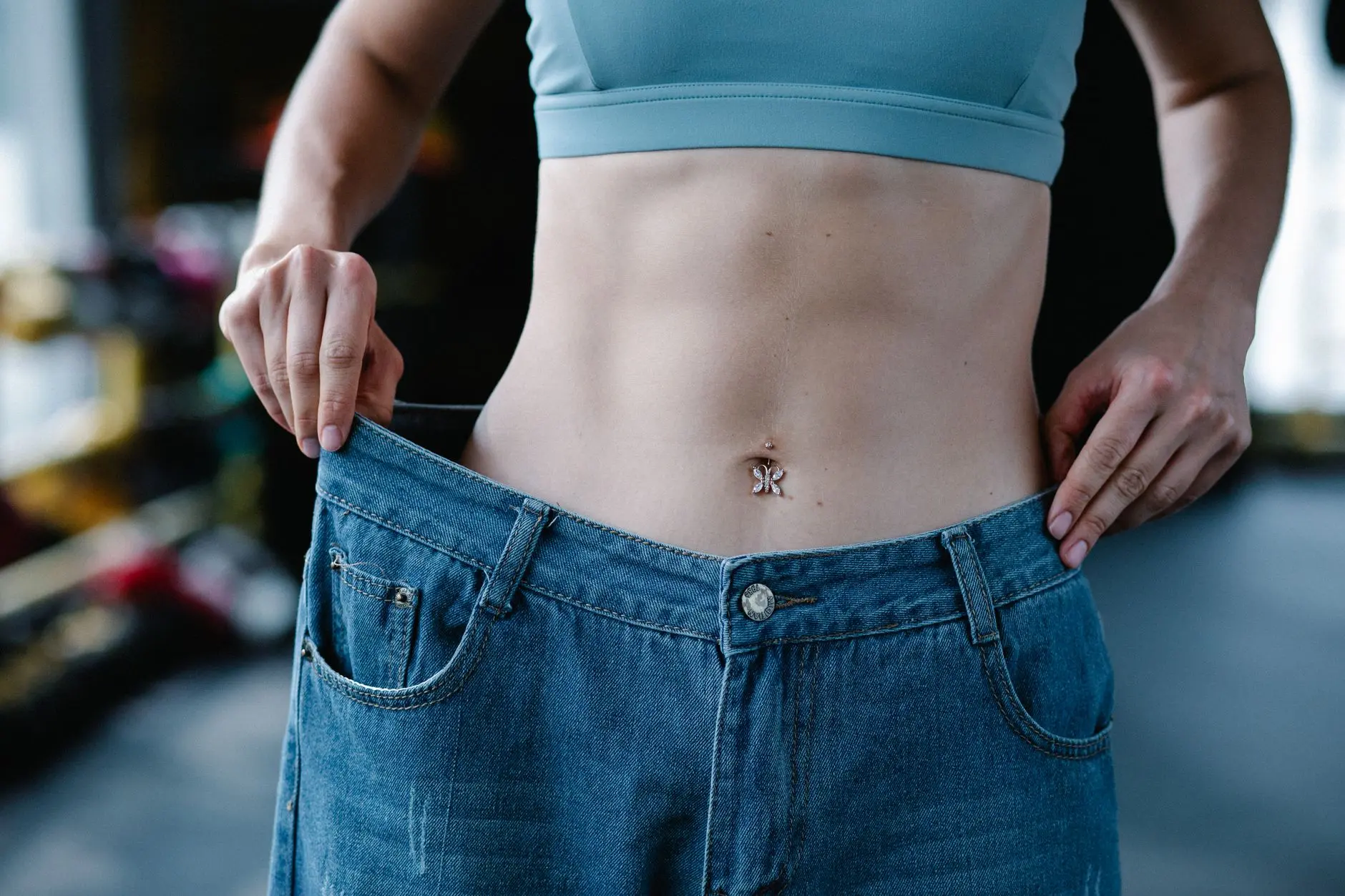
Walking for weight loss before and after looks a little different past 40, and two age-related shifts explain why. Muscle is easier to lose and harder to hold, and the fall in oestrogen through perimenopause tends to move fat toward the waist. Walking helps with the fat around the middle, which is why the waist measurement in that 12-week trial fell by 6.5 cm. What walking does not do well is build or protect muscle, and muscle is what keeps your resting calorie burn from drifting down year on year.
That is the case for not relying on walking alone after 40. Pair it with two short sessions of resistance work a week, and give the body enough protein to use them. Our guide to weight training for women over 40 covers the starting point, and the protein intake calculator gives you a daily target to aim for. Walking stays the base you do most days; strength is what protects the result, and protein is what lets the strength work stick.
How to Make Your Own Before and After Happen
Start with volume. The World Health Organization sets the floor at at least 150 minutes of moderate activity a week, and notes that roughly a third of adults, about 1.8 billion people, do not reach it. That 150 minutes maintains health; losing weight usually takes more than the floor, plus the eating change above. Pace matters too. Moderate means you can talk but not sing; if you can hold a full conversation easily, the walk is too gentle to count toward the target.
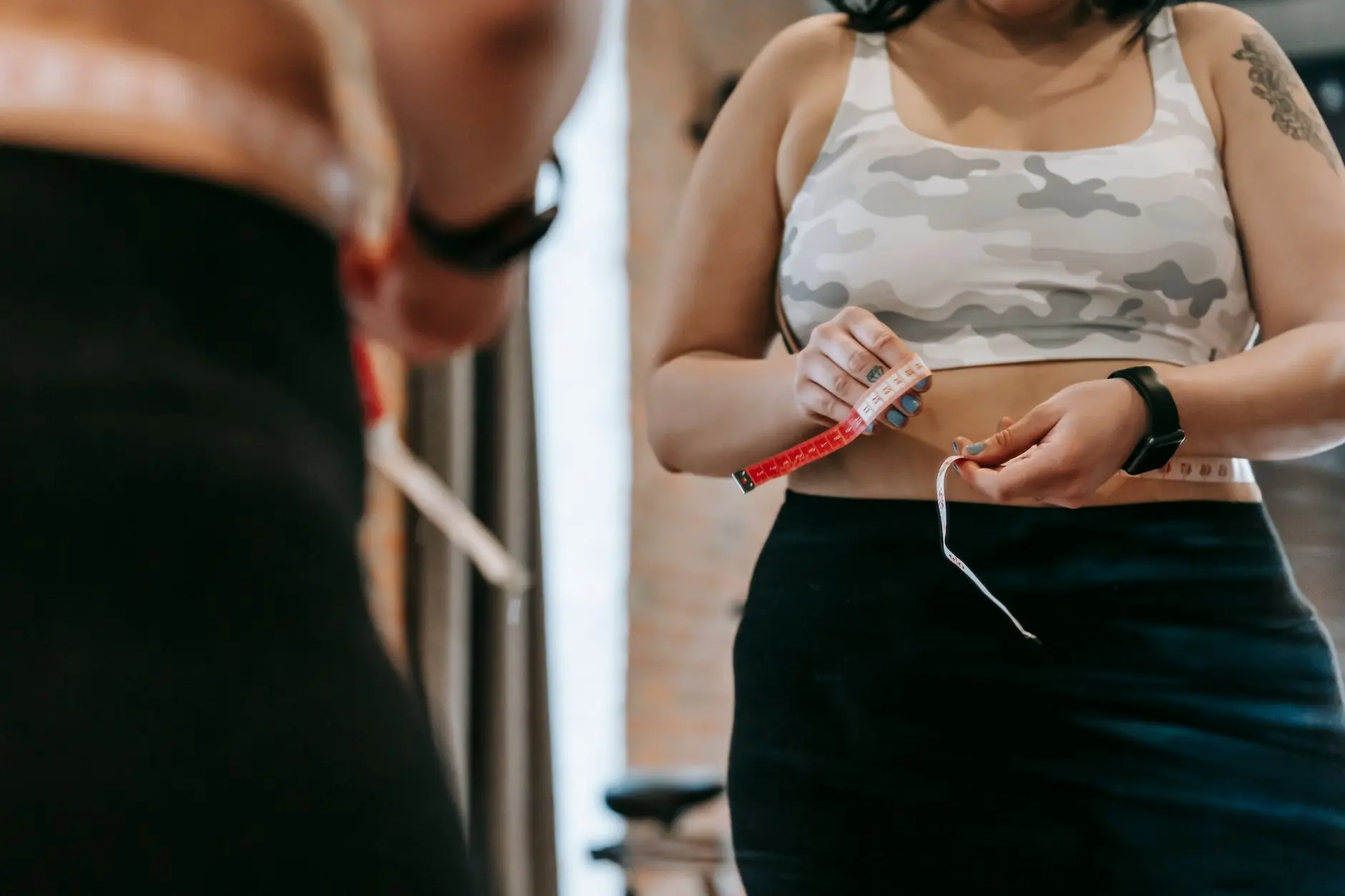
Make the effort measurable rather than guessed. Use the steps to calories calculator to turn a daily step count into the energy it actually burns, and the calories burned calculator to check a given walk against your weight and pace, since a heavier body and a brisker pace both burn more. Then track your waist alongside the scale, because the waist often moves when the scale stalls, and a tape measure is harder to discourage you than a number that bounces up and down with water and salt from day to day. If you want a gentler on-ramp that still counts, our look at tai chi walking for weight loss explains where slower, low-impact styles fit. And if mornings versus evenings is your sticking point, the evidence on the best time of day to work out is less decisive than most people assume, so walk at the time you will actually keep doing.
The walking for weight loss before and after that lasts is built from boring parts: most days on your feet for half an hour or more at a real pace, a small and steady eating change, two strength sessions a week, and the waist tape as your honest judge. The photos make it look sudden. The research shows it is slow, and that the people who keep it off are the ones who kept walking.
Frequently asked questions
How long does it take to see weight loss from walking?
The scale is slow to respond. Pooled research on walking programs without a diet change found an average loss of about 0.05 kg a week, so meaningful change on the scale takes a couple of months of consistency. Fitness, waist size, mood and sleep usually improve in the first few weeks, well before the weight moves.
How much weight can I lose walking 30 minutes a day?
On its own, not much quickly. Thirty minutes of brisk walking burns roughly 100 to 200 calories depending on your weight and pace, and walking-only studies average close to a tenth of a pound a week. Pairing that daily walk with a small, steady reduction in calories is what turns it into visible loss.
Can walking alone reduce belly fat?
Walking does help with fat around the middle. In a 12-week trial of overweight women with a mean age of 41, the group that combined brisk walking with a reduced-calorie diet lost 6.5 cm from the waist. Walking advice without a diet change produced the smallest result, so the waist moves most when walking and eating change together.
Is walking enough to lose weight without dieting?
Usually only a little. Walking programs with no diet change averaged about 1.27 kg over a median of 16 weeks. A review of 18 trials found that adding exercise to a diet produced about 1.14 kg more loss than dieting alone, which is why the dramatic before-and-after transformations almost always involve a calorie deficit from food, not walking by itself.
How many steps a day should I walk to lose weight?
There is no evidence-based magic number like 10,000 steps for weight loss. The studies measure minutes and consistency, not a step target, and the World Health Organization sets the floor at 150 minutes of moderate activity a week. Use a steps to calories tool to see what your own daily count burns, then add more volume and a modest eating change to lose weight.
Sources
- A meta-analysis of pedometer-based walking interventions and weight loss. Annals of Family Medicine, 2008
- Long-term effectiveness of diet-plus-exercise interventions vs. diet-only interventions for weight loss: a meta-analysis. Obesity Reviews, 2009
- Effects of advice on dietary intake and/or physical activity on body composition, blood lipids and insulin resistance in overweight women. International Journal of Food Sciences and Nutrition, 2007
- Physical activity fact sheet. World Health Organization, 2024
This article is general health information for adults and not medical advice. It does not know your history, your medication or your results. For a decision about your own health, talk to a doctor or another qualified clinician who does.