 Lifestyle
 Food & Nutrition
 Fitness

Sacroiliac joint pain exercises can either calm a flare-up or make it noticeably worse, and the difference usually comes down to how much load and rotation the movement puts through the joint itself. The sacroiliac (SI) joints sit on either side of the base of your spine, connecting the sacrum to the pelvis, and they’re built to move only a few millimeters. That small range means the wrong exercise, especially one involving deep bending, twisting, or single-leg loading, can irritate the joint fast, while the right exercise can rebuild the stability that keeps it from flaring in the first place.
If a workout, a long run, or even a deep stretch has left you with a sharp, one-sided ache just below your belt line and above your buttock, this is the guide to work from. Below is exactly which movements tend to aggravate the SI joint, why they do it, and what to do instead so you’re not stuck avoiding exercise altogether.
What Sacroiliac Joint Pain Actually Is
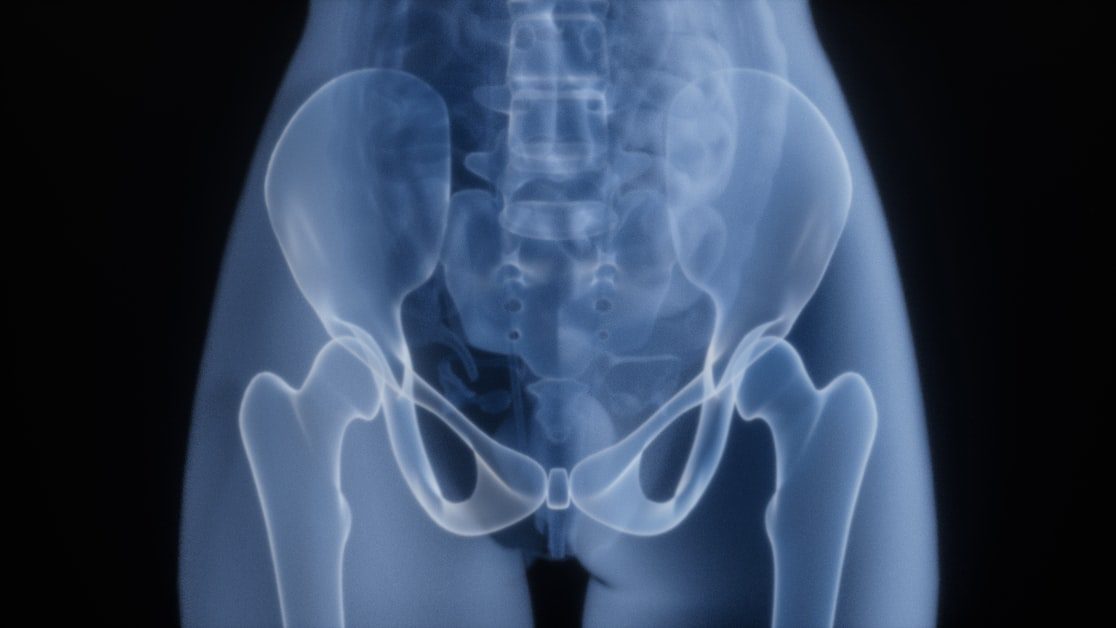
The SI joints are the two spots where your spine meets your pelvis, reinforced by some of the strongest ligaments in the body because they have to transfer load between your upper body and your legs with almost no movement to spare. According to Mayo Clinic, sacroiliac joint pain and inflammation, known as sacroiliitis when it involves the joint lining, can come from arthritis, traumatic injury, pregnancy and postpartum ligament laxity, systemic inflammatory conditions, or mechanical issues like a leg length difference or a previous lumbar spinal fusion that shifts extra stress onto the joint.
Pain usually sits low on one side of the back, right around the dimples above the buttock, and it can radiate into the buttock, groin, or upper thigh in a way that’s often mistaken for a hip problem or, less often, sciatica. It typically worsens with standing on one leg, climbing stairs, rolling over in bed, or getting out of a car, all movements that put uneven, twisting load through the joint.
Sacroiliac Joint Pain Exercises to Avoid During a Flare
A few categories of movement consistently show up as SI joint aggravators, and most of them share one thing in common: they load the joint asymmetrically or push it past its very small comfortable range. Deep, unsupported forward bends and toe touches are near the top of the list, since bending forward with straight legs shifts a large amount of load onto the pelvis right where the SI joints sit.
Among sacroiliac joint pain exercises to skip, single-leg movements are another major trigger, including deep lunges, step-ups onto a high box, and standing hip flexor or hamstring stretches performed with one leg propped up. Anything involving spinal rotation under load, like Russian twists, wood-chop cable exercises, or a full golf swing, tends to do the same thing from a different angle. High-impact activity such as running, jump training, and stair climbers or treadmills at incline can also flare the joint, along with heavy leg presses that push the hips into deep flexion.
Why These Specific Movements Aggravate the SI Joint

Understanding why these sacroiliac joint pain exercises cause trouble makes the safer swaps easier to trust. The pattern connecting all of these movements is shear force: movement that pushes one side of the pelvis to rotate or shift relative to the other side. Single-leg stance and single-leg loading are the clearest example, because standing your full body weight on one leg forces that side’s pelvis to drop and rotate slightly while the opposite side stays fixed, which is exactly the kind of asymmetric stress an already-irritated SI joint can’t absorb.
Deep forward flexion adds a second mechanism on top of that: it lengthens the posterior ligaments that stabilize the joint at the same time it’s bearing load, so a joint that’s already inflamed gets stretched and compressed simultaneously. Rotational movements combine both problems at once, which is why golfers, tennis players, and anyone doing a lot of twisting cardio or lifting tend to report SI joint flares more often than people doing straight-line movement.
Sacroiliac Joint Pain Exercises That Actually Help
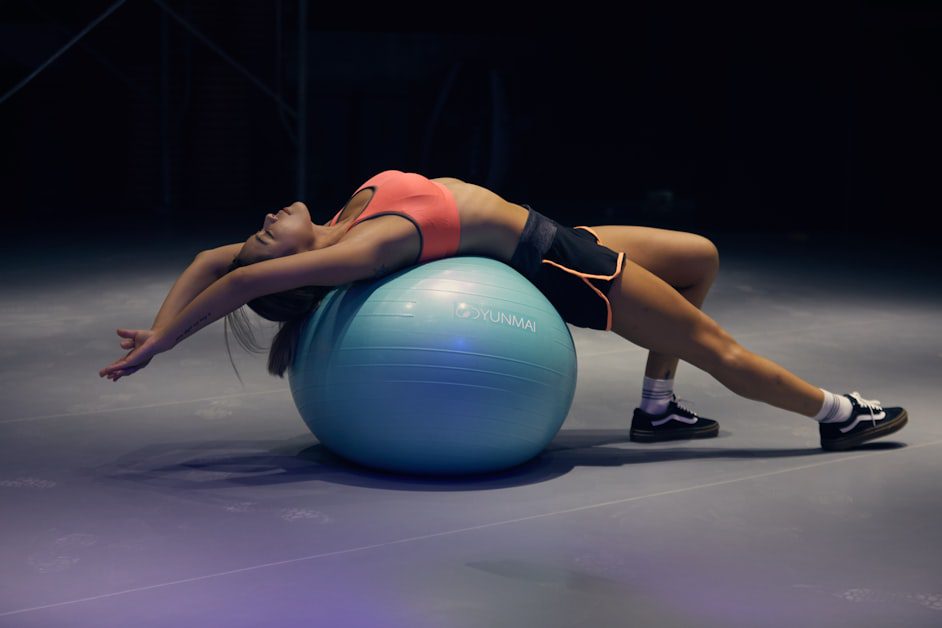
The goal once a flare has calmed down isn’t to avoid exercise indefinitely, it’s to replace the risky movements above with sacroiliac joint pain exercises that build stability around the joint by keeping both sides of the pelvis loaded evenly. Pelvic tilts are one of the best starting points because they train control of the pelvis through a tiny, pain-free range without any rotation or single-leg loading. Bridges done with both feet planted and even weight through both hips, not single-leg bridges, are another good option, along with bird-dog performed slowly and only through a range that stays pain-free.
Gentle core bracing exercises like modified planks on the knees, dead bugs performed slowly with control, and standing marches holding onto a wall for support all build the deep stabilizing muscles around the pelvis without provoking shear force. Walking at a comfortable pace and swimming, particularly a gentle flutter kick rather than breaststroke, are usually well tolerated too, since both keep the pelvis moving symmetrically. A 2025 systematic review and meta-analysis of randomized controlled trials in the Journal of Bodywork and Movement Therapies, indexed on PubMed, found that stabilization and strengthening exercise programs consistently outperformed passive treatment for reducing sacroiliac joint dysfunction pain, reinforcing that controlled loading through the right sacroiliac joint pain exercises, not complete rest, is what actually helps long term.
How to Modify Your Workout Instead of Stopping Completely
Most people don’t need to abandon their whole routine, they need to swap the highest-risk moves for lower-shear versions of the same movement pattern using the sacroiliac joint pain exercises above as a template. Replace deep single-leg lunges with supported squats where both feet stay planted and weight stays even. Swap standing single-leg hamstring stretches for a supine hamstring stretch using a strap or towel, which keeps the pelvis flat on the floor instead of tilting on one leg.
If running is part of your routine, dropping to a shorter stride and softer surface temporarily reduces impact through the joint while you rebuild stability, and swapping a stair climber for a stationary bike with the seat set high enough to avoid deep hip flexion is usually much better tolerated. The through-line is simple: anything that keeps both sides of your pelvis loaded symmetrically is far more likely to feel fine than anything that loads one side, twists, or bends you deeply forward.
Common Causes of Sacroiliac Joint Dysfunction
Knowing which sacroiliac joint pain exercises to avoid matters most during the two life stages that trigger flares most often. Pregnancy and the postpartum period are among the most common triggers, since the hormone relaxin loosens the ligaments around the pelvis to prepare for childbirth, which can leave the SI joints noticeably less stable for months afterward. If that’s your situation, the exercise modifications above apply just as much during pregnancy-related pelvic and back pain as they do to postpartum recovery, since both involve the same underlying ligament laxity.
Outside of pregnancy, a leg length difference, prior lumbar spine surgery or fusion, inflammatory arthritis conditions like ankylosing spondylitis, and repetitive one-sided sports like golf, tennis, or soccer are the other major contributors. A sudden fall onto one hip or a hard landing from a jump can also injure the joint directly, which is why the pain sometimes starts abruptly rather than building gradually.
How to Tell SI Joint Pain from Sciatica or Piriformis Syndrome
SI joint pain is frequently confused with other sources of buttock and leg pain because the symptoms overlap so much. The clearest distinguishing feature is that SI joint pain concentrates low on one side of the back, right around the dimples above the buttock, and rarely travels past the knee, while true sciatica from a disc problem tends to run further down the leg with numbness or tingling along a specific nerve path. If you’ve been working through the sciatica vs piriformis syndrome distinction without much progress, SI joint dysfunction is worth ruling in or out, since it responds to a different set of exercises than either of those two conditions.
A simple clue at home: pressing directly on the dimple just above your buttock, or standing on the painful leg alone while flexing the opposite knee toward your chest, often reproduces SI joint pain specifically. Neither test is a substitute for a real exam, but both can help you describe your symptoms more precisely to a provider.
When Sacroiliac Joint Pain Signals Something More Serious
Most SI joint pain is mechanical and responds well to activity modification and targeted exercise, but a few signs mean it’s time to stop self-treating and get evaluated. Fever combined with back pain can point to an infection in or around the joint. Pain that’s worse at night, doesn’t ease with rest, or comes with unexplained weight loss can suggest an inflammatory or systemic cause rather than a mechanical one. Any new numbness, weakness in the leg, or changes in bladder or bowel control need same-day medical attention regardless of what’s causing the pain.
Pain that’s persisted for more than six weeks despite consistent activity modification and the exercises above is also a reasonable point to get an actual diagnosis, since a physical therapist or physician can confirm the SI joint is really the source before you keep building a routine around that assumption.
Building a Long-Term Movement Plan Once the Flare Settles
Once the acute pain has calmed down, usually within a few weeks of consistent symmetric loading and avoiding the high-shear movements above, the goal shifts from strict sacroiliac joint pain exercises to gradually rebuilding strength and range rather than staying overly cautious indefinitely. Progress from pelvic tilts and both-leg bridges toward slightly more demanding stability work, like slow, controlled step-ups on a low step rather than a high box, before reintroducing anything rotational.
Reintroduce running, sports, or heavier lifting gradually and one variable at a time, layering harder sacroiliac joint pain exercises back in slowly, watching for that specific low, one-sided ache rather than general muscle soreness. Most people can get back to full activity, but rushing the rotational and single-leg movements back in too early is the single most common reason SI joint pain becomes a recurring problem instead of a one-time flare.
Frequently Asked Questions
Is walking good for sacroiliac joint pain?
Yes, for most people gentle, pain-free walking on flat ground is one of the best-tolerated forms of movement during an SI joint flare, since it loads both sides of the pelvis symmetrically. Uphill walking, walking on uneven trails, or walking while carrying a bag on one shoulder can undo that benefit by reintroducing asymmetric load.
Are squats safe with sacroiliac joint pain?
Bodyweight squats belong on the list of safer sacroiliac joint pain exercises when both feet stay flat and evenly loaded, and they’re usually fine and can even help build the hip and glute strength that stabilizes the joint, but deep single-leg squats, pistol squats, and split squats should wait until the flare has fully settled, since they load one side of the pelvis much more than the other.
Why does sacroiliac joint pain get worse at night?
Rolling over in bed requires exactly the kind of asymmetric pelvic rotation that irritates the SI joint, which is why many people notice sharp pain specifically when turning over rather than while lying still. A pillow between the knees while side-lying can reduce that rotational stress and make nighttime symptoms more manageable.
How long does sacroiliac joint pain usually last?
Many mechanical SI joint flares improve within two to six weeks with activity modification and the stabilization exercises above, though pregnancy and postpartum-related cases can take longer to fully resolve since the underlying ligament laxity takes time to tighten back up. Pain that persists past six weeks without improvement is a reasonable point to seek a formal evaluation.
Can core exercises make sacroiliac joint pain worse?
Some core exercises can, particularly full sit-ups, crunches with a twist, or anything that combines spinal flexion with rotation, since both add shear force to the joint. Controlled, non-rotational core work like modified planks, dead bugs, and pelvic tilts is generally well tolerated and actually helps stabilize the joint rather than aggravating it.
The Bottom Line
Sacroiliac joint pain exercises fall into two very different categories: ones that add uneven, rotational, or single-leg load to a joint that’s built for almost no movement at all, and ones that build stability by keeping both sides of the pelvis evenly loaded. Avoiding deep forward bends, single-leg loading, spinal twisting, and high-impact activity during a flare, while leaning on pelvic tilts, symmetric bridges, and controlled core work, is what actually calms most cases down.
If you’ve been consistent with those modifications for several weeks without real improvement, or if you notice fever, unexplained weight loss, or any new numbness or weakness, that’s the signal to get an actual exam rather than keep adjusting your routine on your own. Getting the right diagnosis is what turns a guessing game into a plan that actually works.
Related Articles
- Japanese Interval Walking for Back Pain: The Viral Method That Actually Works
- How to Sit at a Desk with Lower Back Pain: The Right Positions That Actually Help
- Postpartum Back Pain Relief: Causes, Fixes, and Red Flags
This article is for informational purposes only and is not a substitute for professional medical advice, diagnosis, or treatment. Always consult a qualified healthcare provider about persistent back, hip, or pelvic pain, especially if you notice fever, numbness, weakness, or changes in bladder or bowel function.
Free tools from Just Health Life
BMI CalculatorBlood Pressure CheckerAll 24 calculators →Educational content, not medical advice. See our medical disclaimer and editorial policy.