
 Lifestyle
 Food & Nutrition
 Fitness

Degenerative disc disease exercises are the single biggest factor in whether this common spine condition keeps you sidelined or lets you stay active for decades. If you just got the diagnosis after an MRI, or you have been living with a stiff, aching lower back for years and finally have a name for it, the instinct to stop moving is almost universal, and it is almost always the wrong call. The right degenerative disc disease exercises protect the discs you still have and strengthen the muscles that take pressure off them. The wrong ones can flare pain for days.
This guide breaks down exactly which movements to avoid, which degenerative disc disease exercises are safe to build a routine around, a simple four-week starting plan, and the warning signs that mean it is time to stop and call a doctor.
What Is Degenerative Disc Disease, Exactly?
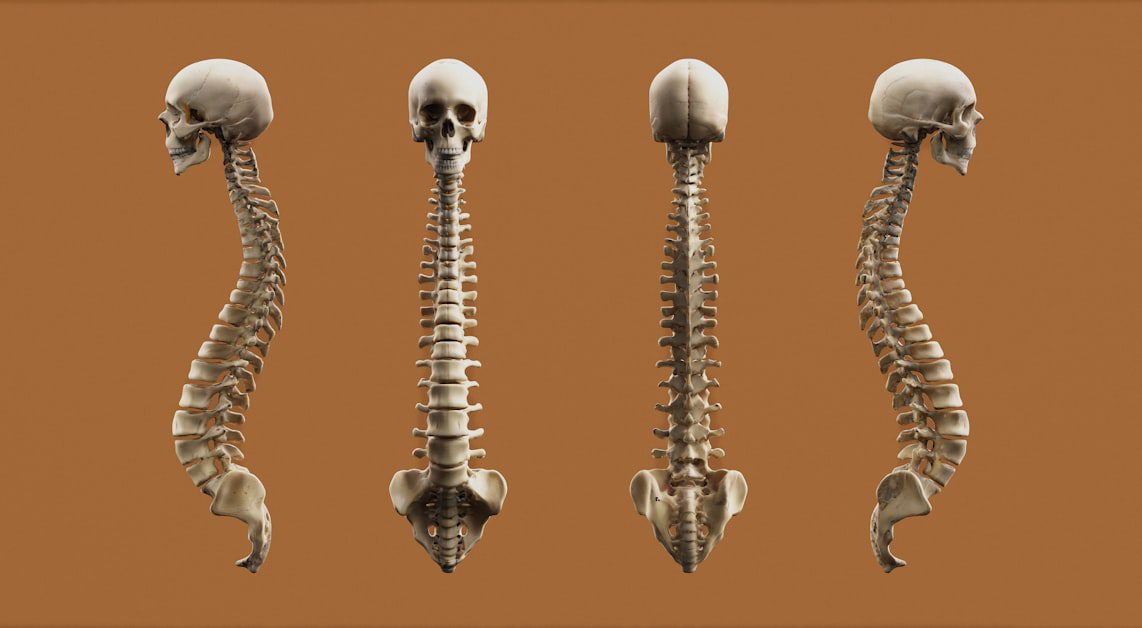
Degenerative disc disease is not actually a disease. It is the gradual wear and drying out of the spinal discs, the gel-filled cushions that sit between each vertebra and absorb shock when you walk, bend, or lift. As discs lose water content with age, they flatten and lose some of their flexibility, which can lead to stiffness, intermittent aching, and occasionally nerve irritation if a disc bulges toward a nearby nerve root. According to the National Institute of Arthritis and Musculoskeletal and Skin Diseases, disc degeneration is a near-universal part of aging, and by itself it does not always cause pain. Many people have disc degeneration visible on imaging with no symptoms at all.
What determines whether degenerative disc disease turns into daily pain is often less about the discs themselves and more about the surrounding muscles. Weak core and hip muscles leave the spine to absorb more load directly, which is exactly why the right degenerative disc disease exercises matter so much more than rest.
Degenerative Disc Disease Exercises to Avoid
Not every movement is safe once discs have started to degenerate, and getting this part wrong is the most common reason people end up worse after starting a new routine. The pattern that shows up again and again in physical therapy clinics is high-impact, high-compression movements done before the surrounding muscles are strong enough to protect the spine.
Movements to avoid or heavily modify include:
- Heavy axial loading, such as barbell squats or deadlifts done with poor form. See our guide on lower back pain from deadlifts for the specific technique errors that load the spine instead of the hips
- High-impact running or jumping on hard surfaces, which sends repetitive compressive force straight through already-thinned discs
- Toe touches and straight-leg forward bends, which stretch the spine under load rather than through the hips
- Full sit-ups and repeated spinal flexion crunches, which round and load the lower back with every repetition
- Loaded twisting, like rotating with a weight plate or golf swings done without a warm-up, since rotation combined with compression is one of the most disc-stressful combinations there is
What Exercises Should You Avoid With Degenerative Disc Disease?

Avoid high-impact activities like running on pavement, heavy loaded lifts with a rounded back, repeated sit-ups, and loaded twisting motions. These movements combine spinal compression with flexion or rotation, the two forces that stress degenerating discs the most. Low-impact, spine-neutral degenerative disc disease exercises are almost always the safer starting point.
Safe Degenerative Disc Disease Exercises That Build Spine Strength
The best degenerative disc disease exercises share a common thread: they load the muscles around the spine without compressing or twisting the discs themselves. A 2025 systematic review and meta-analysis of randomized controlled trials, published in Frontiers in Medicine, found that structured exercise therapy produced meaningful improvements in pain and function for people with lumbar disc problems compared with no treatment, supporting what physical therapists have recommended for years.
Walking. Short, frequent walks are consistently one of the most recommended degenerative disc disease exercises because they encourage blood flow to the discs, which have limited blood supply of their own, without adding significant compressive load. If you want a structured, low-impact walking method, our guide to Japanese interval walking for back pain covers a simple alternating-pace approach that builds tolerance gradually.
Water therapy and swimming. Buoyancy removes most of the body weight from the spine, letting you strengthen surrounding muscles with almost no compressive stress. Gentle swimming strokes and water walking are excellent early-stage options.
Core stabilization work. Bird dogs, dead bugs, and planks train the deep core muscles to hold the spine steady without bending or twisting it, which is exactly the support degenerating discs need.
Pelvic tilts and cat-cow stretches. These gentle, controlled range-of-motion movements keep the spine mobile without loading it, and they are often the first degenerative disc disease exercises a physical therapist will introduce.
McKenzie extension exercises. Gentle backward-bending movements, done lying on your stomach and propping up on your forearms, can centralize nerve-related pain for some people, though this should be guided by a therapist since it is not right for everyone.
A 4-Week Starter Routine for Degenerative Disc Disease Exercises
Progression matters more than intensity when starting degenerative disc disease exercises. Jumping into a full workout too fast is the most common reason people flare up and quit within the first two weeks.
Week 1. Ten to fifteen minutes of walking daily, plus pelvic tilts and cat-cow stretches, five to ten repetitions, once a day. The goal is simply to move without pain.
Week 2. Extend walks to twenty minutes and add bird dogs and dead bugs, two sets of eight per side, focusing on control rather than speed.
Week 3. Introduce short planks, starting at fifteen to twenty seconds, and add a second daily walk if tolerated. Continue the core work from week two.
Week 4. Build planks toward thirty to forty-five seconds, add light resistance band rows for upper back support, and consider water walking or swimming once a week if available. By this stage, most people can judge which degenerative disc disease exercises their body tolerates well and which need more time.
If any exercise causes sharp pain, numbness, or tingling that runs down a leg, stop that movement and scale back to the previous week’s routine before trying again.
How Weight and Posture Affect Degenerative Disc Disease Exercises
Extra body weight increases the compressive load on lumbar discs with every step, which means weight management is often just as important as the exercises themselves. Losing even a modest amount of weight can meaningfully reduce daily disc load, and pairing degenerative disc disease exercises with a sensible calorie target makes the whole plan work better. Our calorie calculator can help you find a realistic daily number if weight is adding strain to your spine.
Posture matters just as much during the other 23 hours of the day. Sitting for long stretches with a rounded lower back undoes the benefit of a good workout, so pairing an exercise routine with better desk setup and standing breaks tends to produce faster, more lasting improvement than exercise alone.
Common Mistakes When Starting Degenerative Disc Disease Exercises
The most common mistake is doing too much too soon, particularly returning to a previous fitness routine at full intensity because a good day felt like a green light. Degenerative disc disease exercises need to be progressed gradually even on days when pain is low, since discs respond to cumulative load over days, not just the load from a single session.
Another frequent error is avoiding movement altogether out of fear. Research consistently shows that appropriate activity, not rest, produces better long-term outcomes for disc-related pain, and prolonged inactivity weakens exactly the muscles that are supposed to protect the spine. A third mistake is ignoring form cues, like letting the lower back round during core work instead of keeping it in a neutral, supported position throughout each repetition.
When to Stop Degenerative Disc Disease Exercises and See a Doctor
Mild, brief soreness after starting a new routine is normal and usually settles within a day. Certain symptoms are not, and they mean it is time to pause degenerative disc disease exercises and get evaluated rather than pushing through. For a full breakdown of which back pain symptoms are urgent versus which can wait for a routine appointment, see our guide to back pain warning signs.
Stop and seek medical care if you notice numbness or tingling that spreads down a leg, progressive weakness in a leg or foot, loss of bladder or bowel control, or pain that wakes you up at night and does not ease with rest. These can point to nerve compression that needs professional assessment rather than a home exercise adjustment.
Frequently Asked Questions
What are the best degenerative disc disease exercises for beginners?
Walking, pelvic tilts, cat-cow stretches, and gentle core stabilization work like bird dogs and dead bugs are the best starting points. These degenerative disc disease exercises build support around the spine without compressing or twisting the discs, making them safe for most people to begin without supervision.
Can exercise make degenerative disc disease worse?
The wrong exercises can, particularly high-impact activities, heavy loaded lifting with poor form, and repeated spinal flexion like full sit-ups. Appropriately chosen degenerative disc disease exercises, progressed gradually, generally improve pain and function rather than worsening the condition, according to current research on exercise therapy for disc-related back pain.
Is walking enough exercise for degenerative disc disease?
Walking is an excellent foundation and one of the most recommended degenerative disc disease exercises, but pairing it with core stabilization work produces better long-term results. Walking alone improves blood flow and reduces stiffness, while core work adds the muscular support that actually takes pressure off the discs.
How often should you do degenerative disc disease exercises?
Most physical therapists recommend daily movement, such as short walks, combined with core stabilization work three to four times per week. Consistency matters more than intensity, since discs respond to steady, moderate loading over weeks rather than occasional intense sessions.
Should you stop exercising if degenerative disc disease flares up?
A short pause of a day or two is reasonable during a flare, but complete rest for longer periods tends to slow recovery and weaken supporting muscles. Scaling back to gentler degenerative disc disease exercises, like walking and pelvic tilts, while avoiding the movement that triggered the flare, usually works better than stopping entirely.
Conclusion
Degenerative disc disease exercises, chosen carefully and progressed gradually, are one of the most effective tools for keeping this condition from limiting daily life. Avoiding high-impact and heavily loaded movements while building a foundation of walking, core stabilization, and gentle mobility work gives the spine the support it needs without the stress that triggers flares. Combined with attention to weight and posture, a consistent routine of degenerative disc disease exercises can mean the difference between a diagnosis that quietly limits you and one you barely notice day to day. If pain persists, worsens, or comes with any warning signs like numbness or leg weakness, do not wait to get it evaluated.
Related Articles
- Sacroiliac Joint Pain Exercises to Avoid (and What Actually Helps)
- Herniated Disc Back Pain: Causes, Symptoms, and Relief
- Best Gym Exercises for Belly Fat Women: What Actually Works
This article is for informational purposes only and is not a substitute for professional medical advice, diagnosis, or treatment. Always consult a qualified healthcare professional before starting a new exercise routine, especially with a diagnosed spine condition.
Get the exact numbers for your body
Answer 7 quick questions and get your calorie target, protein goal and a plan that fits how you actually live. Takes 2 minutes, completely free.
Build my free plan →2 minutes · Free · No card neededFree tools from Just Health Life
BMI CalculatorBlood Pressure CheckerAll 24 calculators →Educational content, not medical advice. See our medical disclaimer and editorial policy.