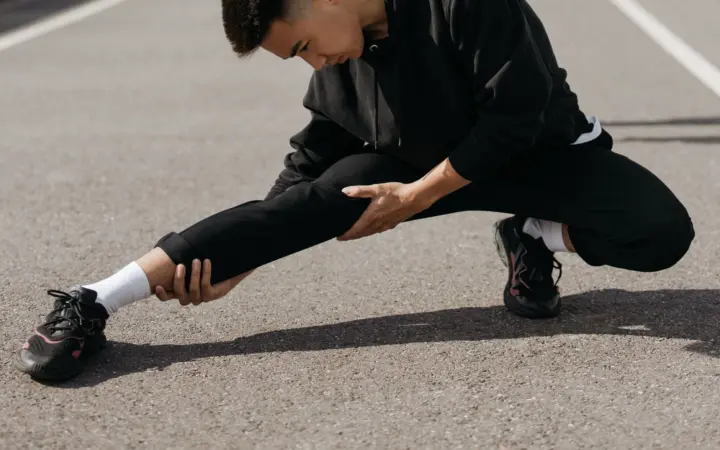


Weight and back pain show up together often enough that most people assume the link is obvious, but the actual mechanics are more specific than “extra weight equals extra pain.” Carrying additional weight, especially around the midsection, changes how your pelvis sits, how your spine curves, and how much load your lower back muscles and disks handle with every step. That does not mean every person carrying extra weight will develop back pain, or that thinner people are immune to it. It means the relationship between weight and back pain is real, measurable in research, and worth understanding if you are dealing with both issues at once.
This guide breaks down what actually happens to your spine when you carry extra weight, what the research says about the link between weight and back pain, where weight-related pain tends to show up, and what you can do about it without making pain worse in the process of trying to fix it.
Weight and Back Pain: How They’re Connected

Your spine is built to carry your body weight through a natural, gently curved alignment. Add weight, particularly around the abdomen, and that alignment tends to shift. Extra weight in front of the body pulls the pelvis forward, which increases the curve in your lower back, a change called lumbar lordosis. That deeper curve concentrates more pressure on the small joints and disks in the lower spine instead of distributing load evenly across the whole structure.
There is also a straightforward mechanical piece: every extra pound is weight your spine, hips, and the muscles supporting them have to manage during standing, walking, and especially any kind of lifting or bending. Over months and years, that steady added strain can wear down spinal disks faster and make the muscles around your lower back work harder just to hold you upright. Extra weight is also linked to low-grade, body-wide inflammation, which can make existing back pain feel more intense and slow down how quickly flare-ups settle.
What the Research Says About Weight and Back Pain

The connection between weight and back pain is not just a theory doctors repeat, it shows up consistently in large studies. A widely cited meta-analysis published in the American Journal of Epidemiology pooled data across dozens of studies and found a consistent association between obesity and low back pain, with the risk rising alongside body mass index. A separate meta-analysis in Clinical Spine Surgery reached a similar conclusion, identifying obesity as a measurable risk factor for low back pain across the studies it reviewed.
Researchers are careful to note that this is an association, not proof that extra weight is the sole cause of back pain in every case. Genetics, activity level, occupation, prior injuries, and overall muscle strength all play a role too. What the data does support is that carrying excess weight, especially concentrated around the abdomen, raises the odds of developing back pain and can make an existing case last longer or feel more severe.
Where Weight and Back Pain Most Often Intersect
Weight and back pain most often intersect in the lower back, since that region absorbs the bulk of the added load from a forward-shifted pelvis and increased lumbar curve. Common patterns include a dull, aching soreness that builds through the day and feels worse after long periods of standing or walking, tightness across the lower back and hips, and pain that eases somewhat when lying down flat. Some people also notice hip or knee discomfort alongside the back pain, since the altered posture changes how weight moves through the whole lower body, not just the spine.
Sciatica-type symptoms, pain or tingling that travels down one leg, can also appear when extra weight and a shifted pelvis put pressure on nerve roots in the lower spine. If leg symptoms are your main concern rather than back pain on its own, our comparison of sciatica versus piriformis syndrome covers how to tell the two apart.
Does Losing Weight Actually Reduce Back Pain?
Yes, for most people carrying excess weight, losing even a modest amount tends to ease back pain. Reducing body weight lowers the mechanical load on the spine, helps restore a more neutral pelvic position, and reduces the low-grade inflammation linked to persistent pain. The effect is not automatic or instant, and weight loss alone rarely fixes back pain that has a separate structural cause, but as one contributing factor, shedding weight consistently shows up as helpful in outcomes research.
It is worth checking where you currently stand before setting a target. Our BMI calculator gives you a starting reference point, though it is a rough screening tool rather than a diagnosis, and body composition, not just the number on a scale, matters for how weight is distributed around your spine.
How Much Weight Loss Actually Makes a Difference
You do not need to reach an ideal body weight before your back starts to feel the benefit. Even a loss of five to ten percent of body weight has been associated with meaningful reductions in back pain intensity and improved function in people who were carrying excess weight to begin with. That is a far more achievable target than an all-or-nothing goal, and it lines up with what most weight management guidelines already recommend as a realistic first milestone for overall health, not just back pain specifically.
Where the weight comes off matters too. Losing weight around the abdomen tends to have an outsized effect on lower back mechanics compared to weight loss elsewhere, since abdominal weight is the main driver of the forward pelvic tilt described earlier. Waist circumference, not just total body weight, is a reasonable secondary marker to track alongside the scale.
Losing Weight Without Making Back Pain Worse

High-impact exercise is not the right starting point when back pain and excess weight are both active problems, since jarring movement can aggravate an already-strained lower back before you build the strength to support weight loss efforts. Low-impact activities, walking, swimming, stationary cycling, and water-based exercise, let you build a calorie deficit and improve cardiovascular fitness without loading the spine the way running or heavy impact training does.
Nutrition matters just as much as movement, and it is the piece people managing back pain often overlook because moving less due to pain naturally makes food intake feel like the less pressing issue. If you want a clearer read on your daily energy needs while you are working through this, a calorie calculator can help you set a realistic deficit instead of guessing. Our guide on habits that help people manage chronic low back pain covers additional day-to-day adjustments that pair well with a weight loss effort.
Building Core and Spine Strength While You Lose Weight
Weight loss on its own helps, but pairing it with core and lower back strengthening tends to produce better and faster relief than either approach alone. A stronger core supports the spine directly, taking pressure off the disks and joints that extra weight has been overloading, and it also helps correct the forward pelvic tilt that drives a lot of weight-related back pain in the first place. You do not need heavy equipment to start. Bodyweight exercises like pelvic tilts, bird dogs, and modified planks build the right muscles without adding spinal load.
If degenerative changes in your spine are part of the picture alongside excess weight, movement needs to be chosen more carefully. Our guide to degenerative disc disease exercises covers which movements are safe and which ones to avoid. And if long stretches of sitting are compounding the issue, our roundup of stretches for back pain from sitting all day is worth working into a daily routine alongside a weight loss plan.
When Weight and Back Pain Aren’t Actually Related
Not every case of back pain in someone carrying extra weight is actually caused by that weight. Herniated disks, spinal stenosis, arthritis, and old injuries can all exist independently and simply get harder to manage when extra weight is also present. If your pain does not improve at all despite consistent weight loss and strengthening work, or if it comes with numbness, weakness, or pain that radiates down a leg, that is a sign something beyond weight needs a closer look. Our guide to back pain warning signs explains which symptoms mean it is time to see a doctor rather than keep waiting for the scale to move.
According to the CDC’s data on adult obesity, a substantial share of American adults carry excess weight, which means weight and back pain overlap often enough that it deserves a specific plan rather than being lumped in with general back pain advice. The National Institute of Diabetes and Digestive and Kidney Diseases lists joint and back problems among the well-documented health risks tied to carrying excess weight, alongside the more commonly discussed metabolic effects.
Whatever the weight, movement is the treatment with the evidence, and the page on lower back pain exercises sets it out with a tool for tracking the pain.
Frequently Asked Questions
Can losing weight completely cure back pain?
Not always, but it often helps significantly when excess weight is a real contributing factor. Weight loss reduces mechanical load and inflammation, which frequently eases pain and improves function, but structural issues like a herniated disk or spinal stenosis may still need separate treatment even after weight comes off.
How quickly can weight loss improve back pain?
Some people notice less strain within weeks of losing even a modest amount of weight, particularly if the pain was largely mechanical. Others need several months of consistent weight loss combined with core strengthening before the improvement becomes noticeable, since posture and muscle patterns built up over years do not reverse instantly.
Is belly fat worse for back pain than weight carried elsewhere?
Generally yes. Weight concentrated around the abdomen has an outsized effect on lower back mechanics because it pulls the pelvis forward and increases the curve in the lumbar spine. Two people with the same total body weight but different weight distribution can experience very different amounts of back strain.
What exercise is safest for someone with both excess weight and back pain?
Low-impact options like walking, swimming, and stationary cycling are generally the safest starting point, since they support weight loss and cardiovascular health without jarring the spine. Core-focused bodyweight exercises like pelvic tilts and modified planks can be added once basic movement is comfortable.
Should I lose weight first or address my back pain first?
In most cases the two should be worked on together rather than sequentially, since inactivity from untreated back pain often makes weight loss harder, and excess weight often keeps back pain from fully resolving. Low-impact movement lets you make progress on both fronts at the same time without waiting for one problem to fully resolve before starting on the other.
The Bottom Line on Weight and Back Pain
Weight and back pain are connected through a specific, well-documented chain of mechanics: extra weight shifts your pelvis and spinal curve, adds mechanical load to your lower back with every movement, and contributes to inflammation that can make pain linger. That does not mean weight is the only factor behind every case, and it does not mean you need to reach an ideal body weight before your back can feel better. Even a modest, sustainable reduction in weight, paired with low-impact movement and some core strengthening, tends to produce a real, noticeable difference.
If your back pain persists despite consistent effort on both fronts, or if it comes with numbness, weakness, or pain radiating down a leg, that is your cue to get it evaluated rather than assuming more weight loss will eventually solve it.
Related Articles
- Back Pain After Flying: Causes and How to Prevent It
- Stress-Related Back Pain: Why It Happens and How to Stop It
- Night Shift Back Pain: Why It Happens and How to Stop It
This article is for informational purposes only and is not a substitute for professional medical advice, diagnosis, or treatment. Always consult a qualified healthcare provider before starting a new weight loss or exercise program, especially if you have existing back pain, numbness, or other neurological symptoms.
Sources
- PubMed, NIH. The association between obesity and low back pain: a meta-analysis.
- PubMed, NIH. Obesity as a Risk Factor for Low Back Pain: A Meta-Analysis.
- CDC. CDC's data on adult obesity.
- NIH National Institute of Diabetes and Digestive and Kidney Diseases. Health Risks of Overweight & Obesity – NIDDK.