
 Lifestyle
 Food & Nutrition
 Fitness

If you work nights and can never seem to get real rest, the fix is usually not more hours in bed but a better night shift sleep schedule. Working against your body clock is genuinely hard, and lying in a bright bedroom at 9 a.m. while the world wakes up around you is the opposite of what your brain expects. The good news is that a handful of evidence-based rules make a real difference, and once you lock in a night shift sleep schedule that fits your job and your life, everything else gets easier. This guide gives you concrete sample schedules, the nap and light timing that sleep researchers actually recommend, and a clear way to choose the strategy that suits you.
Your Night Shift Sleep Schedule, in One Paragraph
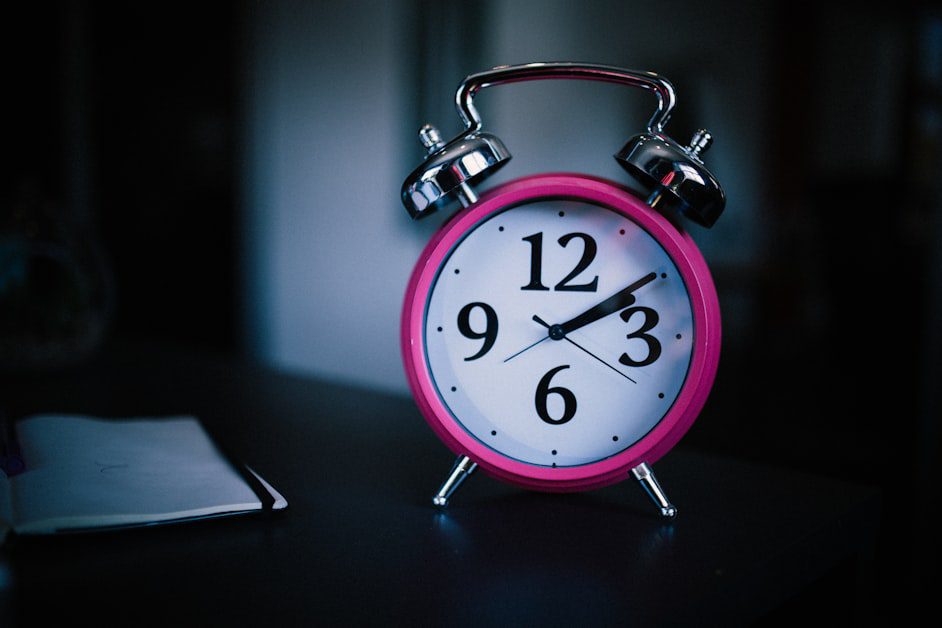
Here is the short version. Go to sleep as soon as you reasonably can after your shift ends, sleep one solid block of seven to nine hours in a fully dark room, and keep that timing as consistent as possible, even on days off. If your shift ends at 7 a.m., that means winding down and being asleep by around 8 a.m. and waking near 4 p.m. According to the Sleep Foundation, sleeping right after the shift and keeping a steady schedule is the most reliable pattern for night workers.
That single block is the backbone of a good night shift sleep schedule. When a full block is not possible, you split it into a main sleep plus a nap before your next shift, which we cover below. Everything else in this guide, the naps, the light, the caffeine timing, exists to protect that main sleep window.
Two Strategies: Staying Nocturnal vs. Anchor Sleep

There is no single right answer, because the best approach depends on whether you work nights permanently or on a rotation. Knowing which camp you are in tells you how to build your night shift sleep schedule.
If you work nights permanently, the cleanest option is to stay nocturnal even on days off, keeping your sleep and wake times roughly the same all week so your body clock never has to flip back and forth. It is socially harder, but it is far easier on your physiology. If you rotate or have daytime family duties, a full nocturnal life is unrealistic, so the evidence favors anchor sleep: you protect a consistent three to four hour window at the same clock time every day, work days and days off alike, and add the rest of your sleep around it. A review of shift-work sleep research supports this anchor approach as a way to cut circadian disruption while still letting you live partly in daylight. Choosing between the two is the first real decision in any night shift sleep schedule.
Should You Sleep Right After Your Shift or Wait?

For most night workers, sleeping as soon as you get home wins. You are already tired, your sleep drive is high, and delaying it just means fighting rising daylight and a noisier house later. Get home, block out the light, and sleep.
There is one exception worth knowing. If you have young kids or daytime obligations, some people do better splitting sleep: a shorter sleep right after the shift, then a second block or a long nap in the late afternoon before heading back in. Both patterns can work inside a solid night shift sleep schedule, so the tiebreaker is simply which one you can protect from interruptions most reliably. Consistency beats theory here every time.
How Much Sleep Night Workers Actually Need

The target does not change because you work nights. Adults still need at least seven to nine hours in each 24-hour period, a point Cleveland Clinic makes clear in its guidance on shift work. The problem is that night workers are the group least likely to hit it. NIOSH training data show that more than half of night-shift healthcare workers report six hours or less per day, and that gap accumulates into real sleep debt.
That debt is not just tiredness. Short sleep drives hunger, foggy thinking, and low mood, and it is why building a protective night shift sleep schedule matters so much. Poor sleep also makes weight harder to manage, which is one reason it interacts with the advice in our guide on how to lose weight on night shift. If you want to see how your bedtime maps to full sleep cycles, our sleep calculator helps you pick a wake time that does not cut a cycle in half.
Naps That Actually Work: Before and During the Shift
Strategic napping is one of the most underrated tools for night workers, and it fits neatly into a night shift sleep schedule. The trick is timing the length so you wake before deep sleep and avoid grogginess.
According to NIOSH napping guidance, a short nap of about 15 to 30 minutes lifts alertness for a couple of hours with little grogginess, while waking around the one-hour mark risks the heavy, disoriented feeling called sleep inertia. On a standard eight-hour night, a 30-minute break nap helps; on long 12-hour shifts, a longer two to three hour nap maintains alertness better. A pre-shift nap in the afternoon, say two to five in the afternoon, is also a proven way to bank alertness before you clock in. Used well, naps take the pressure off your main sleep so a single rough day does not wreck your whole night shift sleep schedule.
Light, Darkness, and Your Body Clock
Light is the master switch for your internal clock, so controlling it is central to any night shift sleep schedule. During the first half of your shift, seek out bright light to stay alert and signal your brain that this is your active time. In the second half, ease off bright light so your body can start winding down before the drive home.
The commute is where many night workers sabotage themselves. Morning daylight on the way home tells your brain to wake up right when you need to sleep, so wear sunglasses to blunt it. At home, make your bedroom as dark as a cave with blackout curtains or a sleep mask, and keep it cool and quiet with earplugs or a fan. Nailing the light on both ends does more for a night shift sleep schedule than almost anything else, because it works with your biology instead of against it.
Caffeine and Melatonin: Timing That Helps
Caffeine is useful early and harmful late. A coffee at the start of your shift sharpens alertness, but caffeine lingers for many hours, so stop drinking it in the second half of your shift or it will fragment the daytime sleep you are trying to protect. If you are unsure how long your last cup is really working, our caffeine calculator estimates how much is still in your system at bedtime.
Melatonin is more nuanced. Cleveland Clinic and the American Academy of Sleep Medicine note that a low dose of timed melatonin may help some shift workers fall asleep during the day, but it is an adjunct to good light control and sleep hygiene, not a cure, and you should talk to your doctor before relying on it. Treat it as one optional tool inside a well-built night shift sleep schedule rather than the foundation of it.
Recovering on Days Off and Rotating Shifts
Days off are where good habits unravel. Flipping fully back to a daytime schedule on your two days off forces your body to reset twice a week, which is exhausting. Keeping your anchor sleep window even on days off softens that swing and protects your night shift sleep schedule through the week.
If you rotate shifts, the direction matters. NIOSH notes that forward or clockwise rotation, moving from day to evening to night, is easier on your body than rotating backward, because it is simpler to delay a bedtime than to force an earlier one. When you can influence your roster, ask for forward rotation. Small structural choices like this make a consistent night shift sleep schedule far more achievable, and they pair well with the daytime wind-down ideas in our guide to calmer evening habits and our daily habits to lower cortisol.
When It Is More Than a Rough Schedule
Sometimes the problem runs deeper than timing. Shift work sleep disorder is a recognized circadian condition, and Cleveland Clinic estimates it affects somewhere between 10 and 40 percent of people working nontraditional hours. The core signs are ongoing insomnia when you try to sleep and excessive sleepiness when you need to be awake, often with trouble concentrating, headaches, low energy, and mood changes.
If you have dialed in your light, naps, and a consistent night shift sleep schedule for a few weeks and still feel wrecked, that is a signal to see a doctor rather than push harder. A clinician can rule out other sleep disorders and discuss options like light therapy or supervised melatonin use. Good habits, plus a stable metabolism-supporting routine like the one in our daily habits to boost metabolism after 40, carry most people a long way, and if weight is also on your mind our free two-minute plan builder can layer nutrition on top of better sleep.
Frequently Asked Questions
Should I sleep before or after a night shift?
For most people, sleep as soon as you get home after the shift, while your sleep drive is high and before daylight fully takes over. If you have daytime family duties, a shorter sleep after the shift plus a pre-shift nap in the afternoon can work better. Choose whichever pattern you can protect from interruptions most reliably.
How many hours should a night shift worker sleep?
The same as anyone else: at least seven to nine hours in each 24-hour period. Night workers tend to fall short, so if a single block is not possible, split your sleep into a main block plus a nap to reach the total. Chronic short sleep builds a debt that hurts focus, mood, and weight.
Is a split sleep schedule good for night shift?
Yes, splitting sleep into two blocks is a legitimate strategy, especially if you have daytime obligations or rotate shifts. The key is keeping at least one block at a consistent clock time every day, so your body clock has a stable anchor to hold onto even when the rest of your schedule shifts.
Should you stay on a night schedule on your days off?
If you work nights permanently, staying roughly nocturnal on days off is easiest on your body because it avoids flipping your clock twice a week. If that is not realistic, protect a consistent anchor sleep window even on days off so the swing between work days and rest days is smaller.
The Bottom Line
A workable night shift sleep schedule is built from a few durable rules: sleep soon after your shift in one dark, cool, quiet block, aim for seven to nine hours, and keep your timing steady across the whole week. Layer strategic naps, bright light early and sunglasses on the commute, and caffeine only in the first half of your shift. Decide up front whether you are staying fully nocturnal or anchoring a shared sleep window, then protect that choice. It is harder than sleeping on a normal clock, but with the right structure most night workers can finally rest, and if the exhaustion lingers despite all of it, that is your cue to talk to a doctor.
Related Articles
- How to Lose Weight on Night Shift: What Actually Works
- Night Shift Back Pain: Why It Happens and How to Stop It
- What to Eat on Night Shift (And When to Stop Eating)
This article is for informational purposes only and is not a substitute for professional medical advice. Persistent insomnia, excessive sleepiness, and shift work sleep disorder carry individual considerations, so always consult a qualified healthcare professional before making changes to your sleep, caffeine, or supplement routine.
Get the exact numbers for your body
Answer 7 quick questions and get your calorie target, protein goal and a plan that fits how you actually live. Takes 2 minutes, completely free.
Build my free plan →2 minutes · Free · No card neededFree tools from Just Health Life
Sleep CalculatorWater Intake CalculatorAll 24 calculators →Educational content, not medical advice. See our medical disclaimer and editorial policy.




Quality posts is the important to be a focus
for the people to pay a visit the website, that’s what this site is providing.