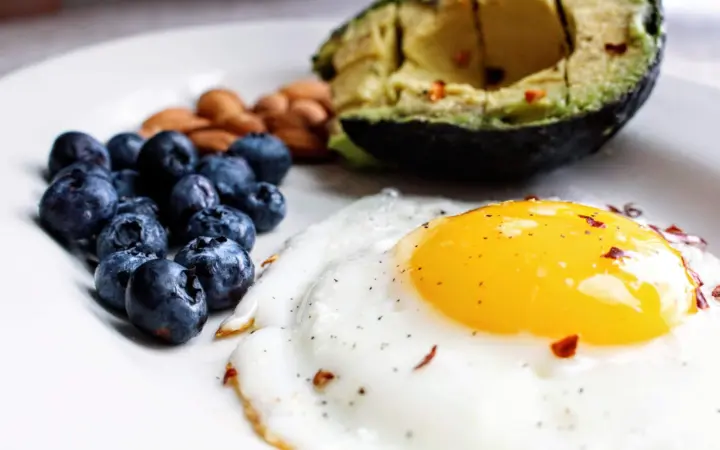


Figuring out what to eat on night shift is one of the most practical health questions a nurse, warehouse picker, security guard or factory operator can ask, and almost every answer online gets it half right. The standard reply is a list of snacks: almonds, hard boiled eggs, Greek yogurt, hummus and carrot sticks. Those are all reasonable foods. The problem is that a food list answers a question your body is not really asking at three in the morning.
Controlled sleep laboratory research has found something the snack roundups skip entirely. The same meal, with the same calories and the same macronutrients, produces a measurably different blood sugar response depending on what time your internal body clock thinks it is. So eating well overnight is not only about picking better food. It is about when you eat, how much of your daily intake lands in the overnight window, and what you do in the hours after you clock out.
This guide approaches what to eat on night shift from a timing first angle, because that is where the actual evidence sits. You will get the mechanism in plain language, an honest look at why night shift eating advice openly contradicts itself, what the CDC actually recommends, and a realistic hour by hour plan for a twelve hour shift that does not assume you have a kitchen at 2 a.m.
What to Eat on Night Shift Starts With When, Not What
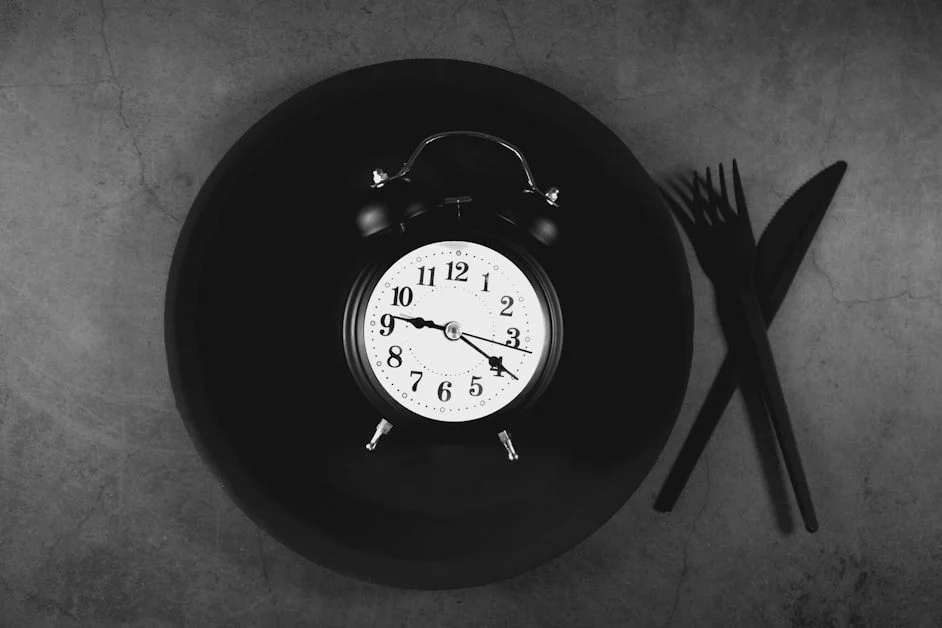
Almost every article on this topic is built around a food list. Read ten of them and you will see the same fifteen snacks in a different order. None of that is wrong, exactly. Protein and fibre really do steady your energy better than a vending machine chocolate bar. But the food list quietly assumes that a body at 3 a.m. works the same way a body at 3 p.m. does, and it does not.
Your body runs on a roughly twenty four hour internal clock that governs far more than sleepiness. It sets your core temperature, your hormone release, your digestive activity and, importantly here, how efficiently you clear sugar from your blood after a meal. That clock is anchored mostly to light, and it does not flip over just because your roster did. After a week of nights, most people’s internal clock has barely moved.
This is the part that reframes what to eat on night shift entirely. If your digestive system is running its overnight programme while you are eating a full meal, then meal composition is only one of the levers you have. Meal timing and meal size are the other two, and on night shift they may matter more.
Your Body Handles the Same Meal Differently at 3 a.m.

There is solid controlled research on this, and it is more specific than the vague “your body is not designed to eat at night” line you see repeated everywhere.
A study of chronic shift workers published in the Journal of Clinical Endocrinology and Metabolism gave participants identical test meals under two conditions: normal day alignment, and simulated night shift where their behaviour was inverted but their internal clock was not. The findings were precise. Postprandial glucose was 6.5% higher at 8:00 pm than at 8:00 am, purely as an effect of internal clock timing. On top of that, circadian misalignment itself raised post meal glucose by a further 5.6%, independent of behaviour and clock phase.
The researchers also identified two different mechanisms behind those numbers. In the biological evening, the pancreas released less insulin, with early-phase insulin 27% lower. During circadian misalignment, the pattern flipped: blood glucose stayed elevated even though late-phase insulin was 14% higher, which points to reduced insulin sensitivity rather than reduced insulin output (Morris et al., PNAS 2015).
In plain terms, at night your pancreas is quieter and your muscles listen to insulin less well. The identical sandwich is simply handled worse. Any useful answer to what to eat on night shift has to start from that fact rather than ignore it.
The melatonin piece nobody mentions
Here is the mechanism that is almost completely absent from the popular articles on this subject. Melatonin is not only a sleep signal. It also interacts with insulin release, which means eating a carbohydrate heavy meal at the exact hours your melatonin is peaking is a different metabolic event than eating it at lunchtime. A review of meal timing and circadian rhythms notes that eating when melatonin levels are elevated has been proposed as a mechanism linking late eating to higher heart disease and diabetes risk, and describes a trial in which people who ate close to bedtime, when natural melatonin was high, showed reduced glucose tolerance.
That single fact reorganises what to eat on night shift more usefully than any snack ranking. It explains why the 3 a.m. pastry hits differently, and why a lighter, lower carbohydrate approach during the deep overnight hours is a defensible strategy rather than just diet culture.
The Night Shift Eating Advice That Openly Contradicts Itself

If you have researched this before and come away confused, that is not your fault. Search this topic and you will find two incompatible recommendations sitting side by side, and essentially nobody acknowledges the disagreement.
The majority position says eat through the night. Have a mid shift meal around midnight, a snack at 2:30 a.m., another around 5 a.m., keep your blood sugar steady, never let yourself get ravenous. The minority position, held by several hospital systems and occupational health sources, says the opposite: keep overnight intake light, and if possible avoid substantial eating between roughly midnight and 6 a.m.
There is a pattern worth noticing in who takes which side. The pages recommending frequent overnight eating disproportionately have something to sell, whether that is meal replacement bars, packaged snacks or a gym membership. The pages recommending restraint tend to be hospital systems and occupational health bodies with no food product attached. That does not automatically make one side right, but it is a useful thing to know before you take advice on what to eat on night shift from any given source.
The strongest evidence available leans toward the restraint side. In a fourteen day laboratory study published in Science Advances, researchers put healthy adults through simulated night work with either nighttime eating or daytime only eating. The conclusion was unusually direct: nighttime eating impaired glucose tolerance, whereas restricting meals to daytime prevented it.
Two honest caveats belong with that result. It was a simulated laboratory protocol in healthy volunteers, not a long term trial of real nurses on real wards. And a strict daytime only eating pattern is genuinely difficult across a twelve hour night. The practical takeaway is not that you must fast until sunrise. It is that shifting the bulk of your daily calories out of the deep overnight window is a legitimate goal supported by evidence, and the “graze every two hours all night” advice is not.
What the CDC Actually Recommends for Night Shift Nurses

It is worth going to the primary source rather than relying on the way other sites summarise it, because the summaries drift. The CDC’s NIOSH training module for nurses on shift work states that when your circadian rhythms have not adjusted, you may eat at times when your digestive tract is prepared for sleep rather than for eating and digesting food, and links that mismatch to raised risk of gastrointestinal symptoms, obesity, cardiovascular disease, diabetes and metabolic syndrome.
Notably, the actual NIOSH diet suggestions for night shift nurses are not a hard midnight to 6 a.m. ban, despite that rule being widely attributed to them. What the guidance actually says is:
- Avoid alcohol and foods with added sugar
- Eat complete meals built on protein plus starchy vegetables, beans, cereals, rice, pasta or root vegetables, together with non starchy vegetables and fruit
- If you are a night worker, eat a small breakfast before day sleep so hunger does not wake you
- Avoid large meals one to two hours before your main sleep
- Avoid heavy, fatty or spicy foods
- Have only light caffeine during your shift
That last point deserves attention, because “only light caffeine during your shift” is close to the opposite of standard night shift culture. Getting what to eat on night shift right also means being honest about what you drink.
What to Eat on Night Shift: An Hour by Hour Plan for a 12 Hour Shift
Here is a workable structure for a 7 p.m. to 7 a.m. shift. It front loads your intake into the earlier hours, keeps the deep overnight window light, and follows the NIOSH guidance on the pre sleep meal. Adjust the clock times to your own roster. Treat this as the practical answer to what to eat on night shift rather than a rigid prescription.
5:30 p.m., before you leave: your main meal
This is the meal that does the heavy lifting, eaten while your body is still metabolically in daytime mode. Build it properly: a solid protein source, a slow carbohydrate such as brown rice, potatoes with the skin on or wholegrain pasta, plus vegetables and a healthy fat. If you eat one real meal a day with intention, make it this one. Our guide to proteins that boost your energy levels is a useful starting point for building it.
10:00 p.m. to 11:00 p.m.: a moderate second meal
Still relatively early in biological terms. A grain bowl, a hearty soup, or leftovers from the night before work well here. Keep it moderate in size rather than the biggest meal of your shift.
Midnight to 5:00 a.m.: keep it light and protein leaning
This is the window where the glucose research matters most, and where the food choice genuinely does change. If you need something, reach for protein and fat with modest carbohydrate rather than a sugar and starch load: a couple of hard boiled eggs, plain Greek yogurt, cottage cheese, a small handful of nuts, vegetable sticks with hummus, or a piece of fruit with nut butter. Our roundup of quick high protein snacks under 300 calories fits this window almost exactly.
The goal is not heroic fasting. It is keeping the overnight window light rather than treating 2 a.m. as dinner time.
Around 5:30 a.m.: the last light thing
If the pre dawn slump hits, something small and warm helps more than another coffee. A cup of broth, a small yogurt or a piece of fruit is enough to get you to handover.
7:30 a.m., before day sleep: a small breakfast
This is the step people skip, and NIOSH specifically recommends it. A small breakfast before day sleep stops hunger from waking you three hours in. Keep it genuinely small and avoid anything heavy, fatty or spicy. Porridge, toast with nut butter, or yogurt with fruit all work. Our anti inflammatory breakfast ideas are well suited to this pre sleep meal.
What to Eat on Night Shift: Best Foods, and What to Leave at Home
Once the timing framework is in place, food choice does still matter. The shortlist below is organised by what each food is actually for, rather than as an undifferentiated list of healthy things.
If you want a single rule for what to eat on night shift, pair protein with fibre and keep portions modest after midnight.
For steady energy across the shift: eggs, Greek yogurt, cottage cheese, tinned fish, edamame, lentils, chicken, hummus with vegetables, nuts and seeds. Protein and fibre together slow glucose release, which is exactly what you want when your insulin sensitivity is already blunted.
For the pre dawn slump: soup, broth, or anything warm. Core body temperature bottoms out in the early hours, which is part of why 4 a.m. feels the way it does, and warm food is more comforting and easier to digest than another cold snack.
For digestion: night shift is notoriously hard on the gut, and the CDC explicitly lists gastrointestinal symptoms as a risk. Fermented foods, soluble fibre and adequate water all help. If shift work has left you with ongoing digestive trouble, our guide on foods that heal the gut lining naturally goes deeper.
What to leave at home: heavy fried food, very spicy meals close to sleep, large portions of refined carbohydrate in the overnight window, alcohol before day sleep, and the sugary vending machine option that reliably produces a crash forty minutes later. None of this is about moral purity. It is that these specific choices land worst at these specific hours.
Meal prep is what makes any of this survivable. Batch cooking on a day off, portioning into containers and keeping a stocked drawer at work removes the decision entirely at 2 a.m., which is precisely when your decision making is at its worst. If cost is the constraint, our advice on shopping for healthy foods on a budget applies directly.
Caffeine Timing Is Half the Battle
Any honest discussion of what to eat on night shift has to cover what is in your cup, because caffeine is doing more damage to most shift workers than their snack choices are.
Caffeine has a half life of roughly five to six hours, which means that after six hours half of it is still circulating, not none of it. A coffee at 4 a.m. is still meaningfully present when you are trying to sleep at 9 a.m. That is the arithmetic behind the standard advice to stop caffeine four to six hours before your intended sleep, and behind the NIOSH suggestion of only light caffeine during the shift.
A practical approach: front load it. Use caffeine in the first half of your shift when it genuinely helps alertness, then stop. For the back half, switch to water, herbal tea or something warm and caffeine free. Energy drinks are the worst option in this window, combining a high caffeine dose with a sugar load at the exact hours your body handles sugar least well. Our piece on what your favourite beverage may be doing to you covers that ground.
Hydration deserves a mention too. Artificial light and long hours blunt thirst cues, and mild dehydration produces fatigue and poor concentration that feel exactly like hunger. A lot of 3 a.m. snacking is thirst wearing a disguise.
Your First Night and Your Fourth Night Are Not the Same
This is the piece almost nobody covers, and it changes what to eat on night shift depending on where you are in your run of shifts.
On your first night, you are running on a normal daytime clock, mostly rested, and your metabolism is still aligned to daylight. Overnight eating is at its least useful here, because you are not genuinely depleted, you are just awake at an unusual hour. This is the easiest night to keep the overnight window light.
By your third or fourth consecutive night, you have accumulated real sleep debt. Sleep restriction reliably increases appetite and pushes cravings toward high sugar and high fat food, so the pull toward the vending machine on night four is a physiological signal, not a character flaw. The useful response is preparation rather than willpower: those are the nights to have prepped food already in your bag, because that is when your resolve is measurably lower.
Then there is the transition back to days, which is where many shift workers undo the whole week. Eating a large meal on arriving home, sleeping through the daylight hours and eating again at odd times keeps your clock scrambled. Anchoring to a normal daytime eating pattern as quickly as possible on your first day off helps your internal clock re-anchor faster. Pairing this with well timed exercise helps as well, which is covered in our workout routine for night shift workers.
Night shifts move when you eat more than how much, and how many calories you should eat a day sets the amount from your size, age and activity, with a fasting-window tool for the timing.
Frequently Asked Questions
Should I eat during my night shift or fast through it?
Neither extreme is realistic for most people, and this is the central tension in every discussion of what to eat on night shift. The controlled evidence favours keeping the bulk of your intake outside the deep overnight hours, because nighttime eating impaired glucose tolerance in a simulated night work study while daytime restricted eating prevented it. In practice that means eating a proper meal before your shift, a moderate second meal in the earlier hours, then keeping the midnight to 5 a.m. window light and protein leaning rather than fasting completely or eating a full dinner at 2 a.m.
What should I eat at 3 a.m. on night shift?
Keep it small, protein forward and low in refined carbohydrate. Hard boiled eggs, plain Greek yogurt, cottage cheese, a small handful of nuts, vegetable sticks with hummus or a warm cup of broth all work well. This is the hour when your insulin sensitivity and pancreatic insulin release are both at their lowest, so a large or sugar heavy meal produces a bigger blood sugar swing than the same food would at midday.
Why do I crave sugar in the early hours of a night shift?
Two things are happening at once. Accumulated sleep debt raises appetite and shifts preference toward high sugar and high fat food, and your core body temperature and alertness are bottoming out in the pre dawn hours, so your body asks for the fastest available fuel. Preparation beats willpower here, which is why deciding what to eat on night shift before you leave the house matters more than deciding at 3 a.m.
Should I eat before going to sleep after a night shift?
Yes, and this is one of the few points where the guidance is unambiguous. NIOSH advises night workers to eat a small breakfast before day sleep so hunger does not wake them partway through. Keep it small and avoid heavy, fatty or spicy food, and avoid large meals in the one to two hours before your main sleep.
Does what to eat on night shift affect my sleep quality as well as my energy?
It does, and sleep is arguably the bigger payoff. Large meals close to sleep, heavy or spicy food, alcohol and late caffeine all measurably degrade sleep quality, and day sleep is already more fragmented than night sleep. Since day sleep is the hardest thing to protect on a night rota, adjusting your last meal and your caffeine cut off is one of the higher return changes available.
The Bottom Line
The honest answer to what to eat on night shift is that the food list matters less than almost every article implies, and the clock matters far more. Your pancreas releases less insulin in the biological evening, your muscles respond to insulin less well during circadian misalignment, and post meal glucose runs measurably higher at night than it does in the morning on identical food. No amount of choosing almonds over crisps changes that underlying arithmetic.
What does change it is where your calories land. Eat your substantial meals before and early in your shift, keep the midnight to 5 a.m. window light and protein leaning, front load your caffeine and stop it well before day sleep, and have a small breakfast before you go to bed. Prep the food in advance, because the nights you most need a plan are the nights you are least able to make one.
Start with one change rather than all of them, because what to eat on night shift is a habit problem as much as a nutrition problem. For most people, moving the biggest meal to before the shift and downgrading the 2 a.m. meal to a light protein snack delivers the largest improvement in energy and digestion for the least effort.
Related Articles
- Foods to Eat With MTHFR Mutation: What Science Says
- Workout Routine for Night Shift Workers: The Complete Guide
- Best Foods to Eat During Ovulation: 12 That Work by Mechanism
This article is for informational purposes only and is not a substitute for professional medical advice, diagnosis or treatment. If you work night shifts and have diabetes, prediabetes, a digestive condition or any other ongoing health concern, speak with your doctor or a registered dietitian before making significant changes to your eating pattern.
Sources
- PubMed Central, NIH. Effects of the Internal Circadian System and Circadian Misalignment on Glucose Tolerance in Chronic Shift Workers.
- PubMed Central, NIH. Timing Matters: The Interplay between Early Mealtime, Circadian Rhythms, Gene Expression, Circadian Hormones, and Metabolism-A Narrative Review.
- PubMed Central, NIH. Daytime eating prevents internal circadian misalignment and glucose intolerance in night work.
- CDC. Module 9. Coping with the Night and Evening Shifts, Diet Suggestions for Night-Shift Nurses | NIOSH.
- CDC. Module 9. Coping with the Night and Evening Shifts, Diet Suggestions for Night-Shift Nurses (Continued) | NIOSH.