


Sciatica stretch exercises are the first thing most people reach for, and they are a reasonable place to start. Before any of them, though, there is a short list of symptoms that mean stop and seek help immediately, because they point to something stretching cannot fix.
Stop and get urgent help if you have these

According to the NHS guidance on sciatica, go to an emergency department or call emergency services if you have sciatica on both sides, weakness or numbness in both legs that is severe or getting worse, numbness around your genitals or anus, difficulty starting to urinate or an inability to control urination, or a loss of control over your bowels.
These can indicate compression of the nerve bundle at the base of the spine, which is a surgical emergency rather than something to manage at home. It is rare, and it is the one thing worth checking before you scroll to the stretches. None of the exercises below apply if any of that describes you.
What the evidence actually shows about sciatica stretch exercises
Here is where honest coverage departs from most articles on this subject. A 2025 systematic review and network meta-analysis in the Journal of Pain pooled 50 randomised controlled trials covering 4,920 adults with chronic sciatica, meaning symptoms lasting three months or longer.
Over the short term, the largest reductions in leg pain compared with placebo came from spinal manipulative therapy, from exercise combined with neural mobilisation, and from soft tissue anaesthetic injections. Exercise plus neural mobilisation, which is stretching combined with techniques that gently glide the nerve, produced a mean difference of about 60 points against placebo, placing it among the best performers.
The authors also rated the confidence in all of those findings as very low. That matters and most articles omit it. It means the effect might be real and substantial, or the trials might be too small and too varied to trust. Anyone promising that a specific stretch will resolve your sciatica is claiming more than this literature supports.
The bed rest question, answered properly

The standard advice is to keep moving, and for ordinary low back pain that is well supported. For sciatica specifically it is weaker than you would think.
A Cochrane review of bed rest versus staying active found that for acute low back pain, staying active produced small improvements in pain and function. For sciatica, it found moderate quality evidence of little or no difference between advice to rest in bed and advice to stay active.
The practical reading is not that you should go to bed. The NHS still advises carrying on with normal activities as much as possible and starting gentle exercise as soon as you can, and prolonged inactivity carries its own costs. It does mean that if movement genuinely hurts in the first few days, you are not sabotaging your recovery by taking it easy, and you can stop feeling guilty about resting during the worst of it.
The stretches worth trying

These are the sciatica stretch exercises most commonly used for sciatic symptoms. Do them slowly, stop at the first sharp or shooting sensation, and work within a range that feels like a gentle pull rather than pain. Not all of them will suit you, and the response is individual enough that finding your two or three is more useful than working through all five.
- Knee to chest. Lying on your back, draw one knee gently toward your chest and hold for 20 to 30 seconds. Repeat on the other side. This is the gentlest starting point and usually the best first test of whether stretching helps you at all.
- Figure four, or piriformis stretch. On your back, cross one ankle over the opposite knee, then draw the underneath thigh toward you. You should feel it deep in the buttock. This one is particularly relevant if the piriformis muscle is involved.
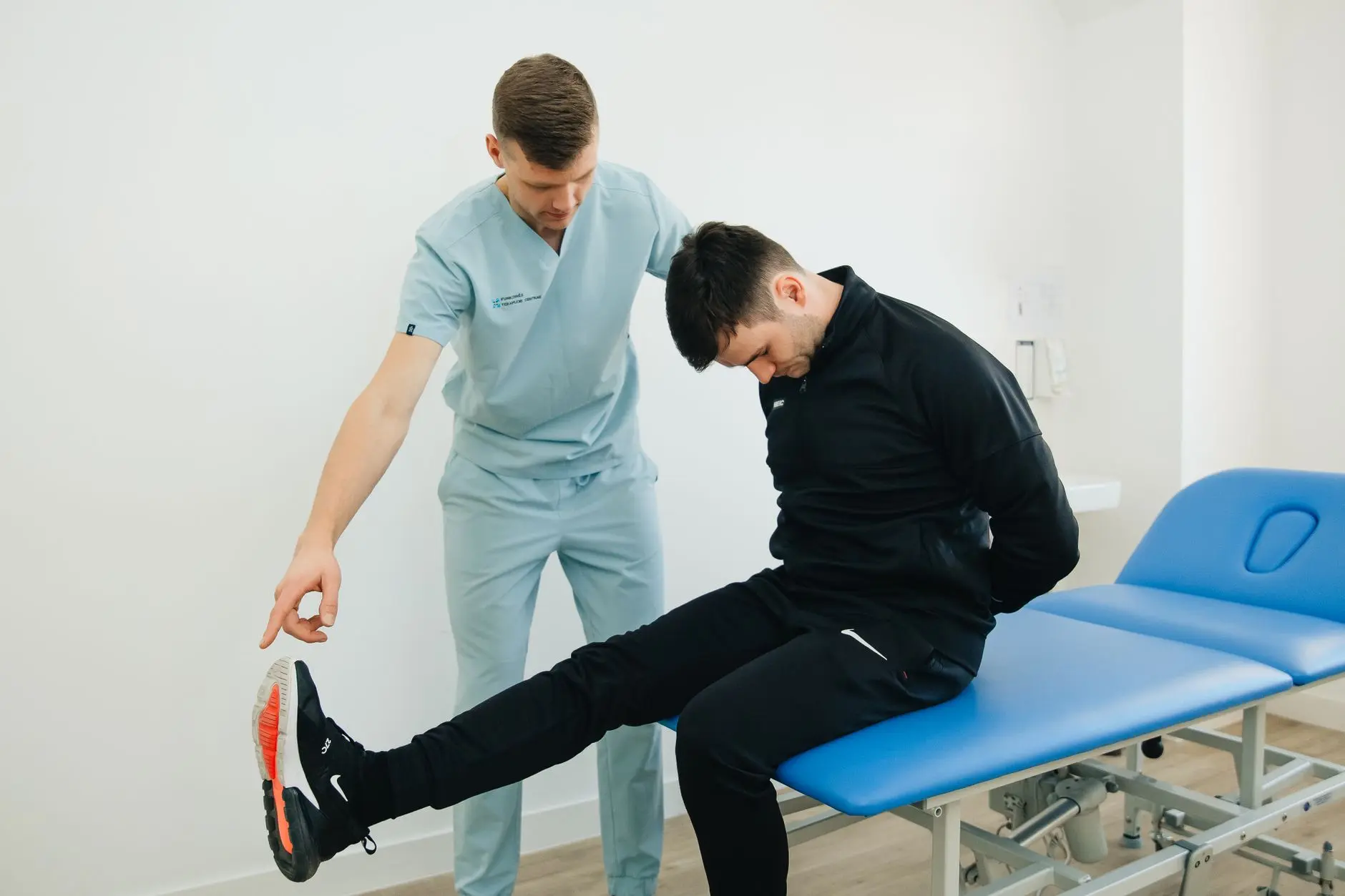
- Nerve glide. Sitting upright, slowly straighten one knee while flexing your foot toward you, then lower it. The point is gentle movement of the nerve rather than a stretch held at end range. Do not push into pain, and keep the repetitions small and slow. This is the neural mobilisation component that performed well in the meta-analysis.
- Standing hamstring stretch. Foot on a low step, back straight, hinge forward from the hips until you feel a pull behind the thigh. Tight hamstrings do not cause sciatica but they can add to the pull on an already irritated nerve.
- Child’s pose or a gentle back extension. Which of these two helps is individual. Some people find relief bending forward, others find it in gentle extension. Try both and keep whichever eases the leg symptoms.
How often to do sciatica stretch exercises
Little and often beats one long session. Two or three short rounds spread through the day is more useful than fifteen minutes once, partly because irritated nerve tissue tolerates repeated gentle movement better than sustained end-range holds, and partly because you get more information about what is helping.
Hold static stretches for 20 to 30 seconds rather than pushing for longer, and keep nerve glides to a handful of slow repetitions. More is not better here, and the most common self-inflicted setback is deciding that if a stretch helps a little, doing it aggressively will help more.
Give any routine of sciatica stretch exercises about two weeks before judging it. That is long enough to see a trend and short enough that you are not persisting with something unhelpful for months.
The rule that decides whether a stretch is helping
There is one principle more useful than any individual movement, and it is worth more than the list above.
Pay attention to where the pain sits, not how intense it is. If a movement causes symptoms to move up out of the leg and closer to the spine, that is generally a good sign, even if the back itself feels more uncomfortable. If symptoms travel further down the leg, into the calf or foot, that movement is not for you today. Stop it and try a different one.
Beyond that: never stretch into sharp, electric or shooting pain, ease off if symptoms are worse two hours later or the next morning, and treat a stretch that provokes numbness or weakness as a stop sign rather than a challenge.
How long this usually takes
The NHS notes that sciatica usually improves over a few weeks to a few months, though it can last longer and can recur. That timeline is worth holding onto, because it sets a fair expectation: most people improve substantially without any intervention at all, which is also why individual treatments are so hard to evaluate.
It cuts both ways. If you are three days in and the stretches have not fixed it, nothing has gone wrong. If you are three months in with no change at all, that is worth a professional assessment rather than more of the same stretches.
Is it actually sciatica
Plenty of buttock and leg pain gets called sciatica when the cause sits elsewhere, and the distinction changes what helps. True sciatica follows the nerve, typically from the lower back through the buttock and down the back of the leg, often past the knee, and frequently comes with numbness, pins and needles or weakness.
Piriformis syndrome can mimic it closely, and our guide to telling sciatica and piriformis syndrome apart covers how they differ. Sacroiliac joint problems produce pain that is usually more localised to one side of the pelvis, and we cover those in our sacroiliac joint exercises. If your pain stays in the back without travelling down the leg, it is probably not sciatica at all, and our guide to back pain warning signs sets out what else to consider.
What else is worth doing
In that same network meta-analysis, spinal manipulative therapy performed comparably to exercise with neural mobilisation in the short term, so hands-on treatment from a qualified practitioner is a reasonable option rather than an alternative to exercise.
Two practical points. Carrying extra weight increases load through the lumbar spine, and our post on weight and back pain covers that relationship honestly, including what it does and does not explain. If you want a starting figure, our BMI calculator is a rough gauge rather than a diagnosis. And if sciatica has arrived during pregnancy, the approach differs, which we address in sleeping with sciatica during pregnancy.
When to stop self-treating
See a doctor or physiotherapist if symptoms have not improved after several weeks of sensible self-management, if pain is severe enough to disturb sleep repeatedly, if you notice weakness in the foot or leg such as difficulty lifting your toes, or if symptoms keep returning.
A physiotherapist can assess which movements suit your particular presentation, which is genuinely more useful than a generic list, given how individual the response to these stretches turns out to be. And the emergency symptoms at the top of this article warrant same-day attention rather than an appointment next week.
Frequently asked questions
Do stretches actually help sciatica?
The evidence is more mixed than most articles suggest. A 2025 network meta-analysis of 50 trials found that exercise combined with neural mobilisation produced one of the largest short-term reductions in leg pain compared with placebo, but rated the confidence in that finding as very low. Stretching is a reasonable low-risk thing to try, and it is not a guaranteed fix.
Should I rest or stay active with sciatica?
For ordinary low back pain, staying active is better supported. For sciatica specifically, a Cochrane review found moderate quality evidence of little or no difference between bed rest and staying active. The NHS still advises carrying on with normal activities and gentle exercise, since prolonged inactivity has its own downsides, but if movement genuinely hurts in the first few days you are not harming your recovery by taking it easier.
How do I know if a stretch is making things worse?
Watch where the symptoms go rather than how intense they feel. Pain moving up out of the leg toward the spine is generally a good sign, even if the back feels more uncomfortable. Symptoms travelling further down into the calf or foot mean stop that movement. Also stop for any sharp or electric pain, new numbness or weakness, or if you feel worse a few hours later.
How long does sciatica take to go away?
The NHS says it usually improves over a few weeks to a few months, though it can last longer and can come back. Most people improve substantially regardless of what they do, which is part of why individual treatments are difficult to evaluate. If there has been no change at all after about three months, get assessed rather than continuing alone.
When is sciatica an emergency?
Seek emergency care immediately if you have sciatica on both sides, severe or worsening weakness or numbness in both legs, numbness around the genitals or anus, difficulty starting to urinate or loss of bladder control, or loss of bowel control. These can indicate compression of the nerve bundle at the base of the spine, which needs urgent surgical assessment rather than home treatment.
Sources
- Effectiveness of non-surgical interventions for patients with chronic sciatica: A systematic review with network meta-analysis. The Journal of Pain, 2025
- Advice to rest in bed versus advice to stay active for acute low-back pain and sciatica. Cochrane Database of Systematic Reviews, 2010
- Sciatica. National Health Service (NHS), 2025
This article is general health information for adults and not medical advice. It does not know your history, your medication or your results. For a decision about your own health, talk to a doctor or another qualified clinician who does.


