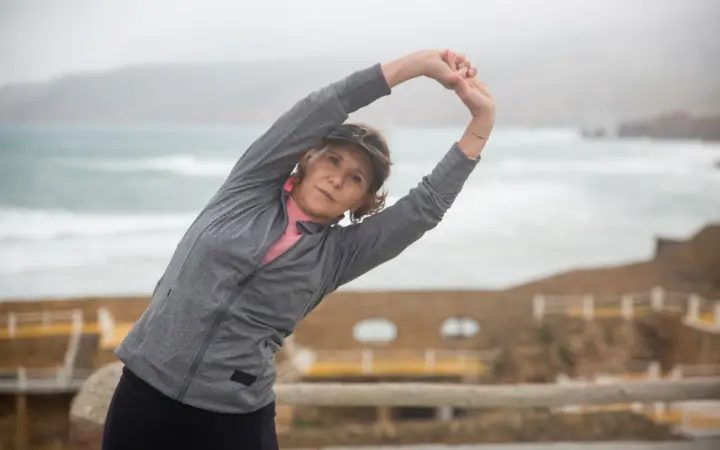


If you are asking what is tai chi walking for weight loss, the useful answer separates two things: what the practice actually is, and what the research shows it does to your body. The second part is more impressive than most people expect, and it is not about the scale.
What tai chi walking actually is
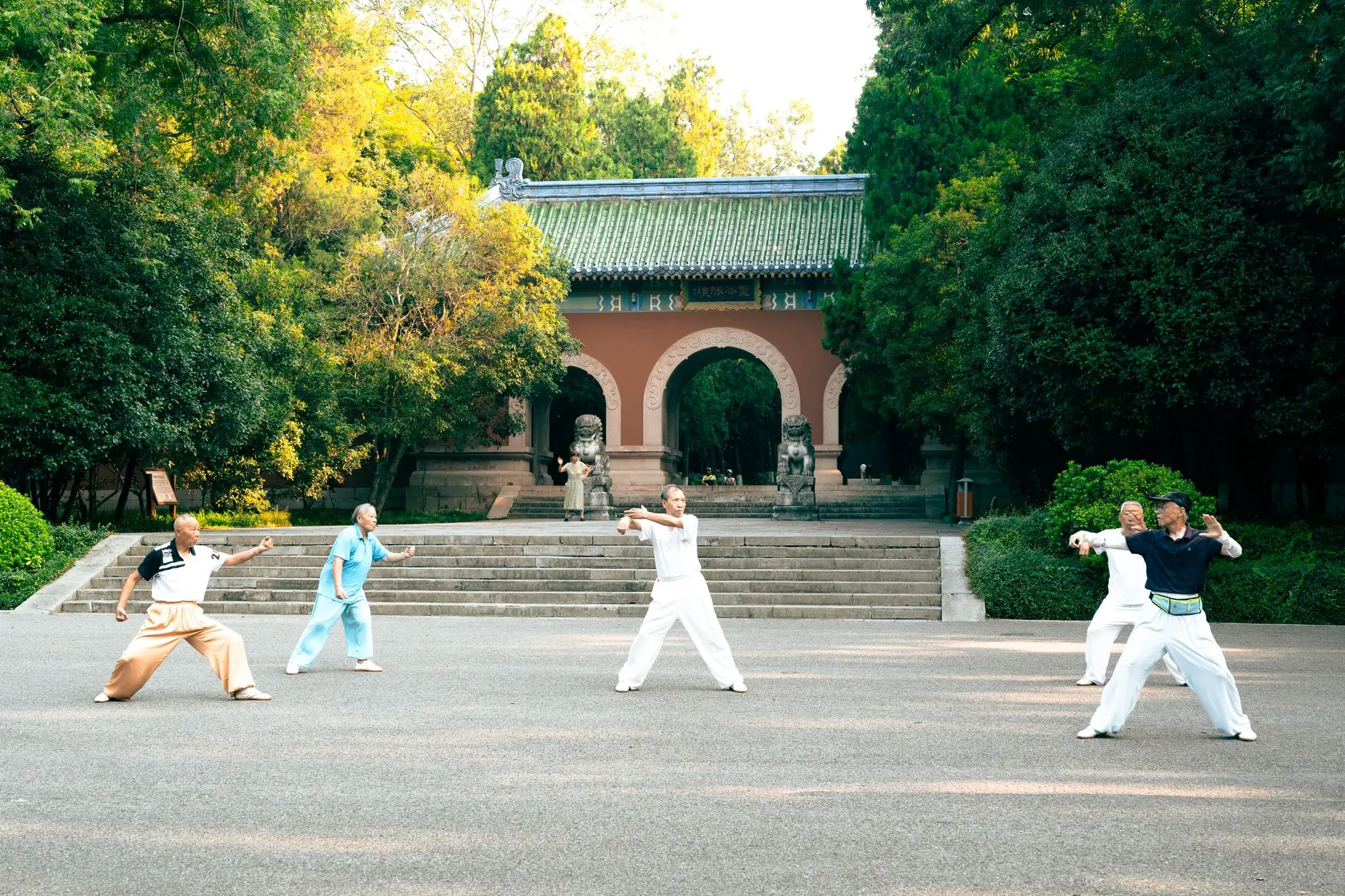
Tai chi walking is a foundational movement within tai chi rather than a separate workout. You shift your weight fully onto one leg, place the other foot deliberately, usually heel first, then transfer weight slowly and repeat. Knees stay soft, posture stays upright, and the pace is far slower than ordinary walking.
The point is control rather than distance. Because you spend long periods balanced on one leg, it trains stability and leg strength in a way that normal walking does not, and because it is slow and continuous, it is unusually easy on the joints.
What it is not is a calorie-burning activity in the way running is. Anyone marketing it as a way to torch calories is misrepresenting it. The evidence for it is real, and it works through a different route.
The trial that makes the case
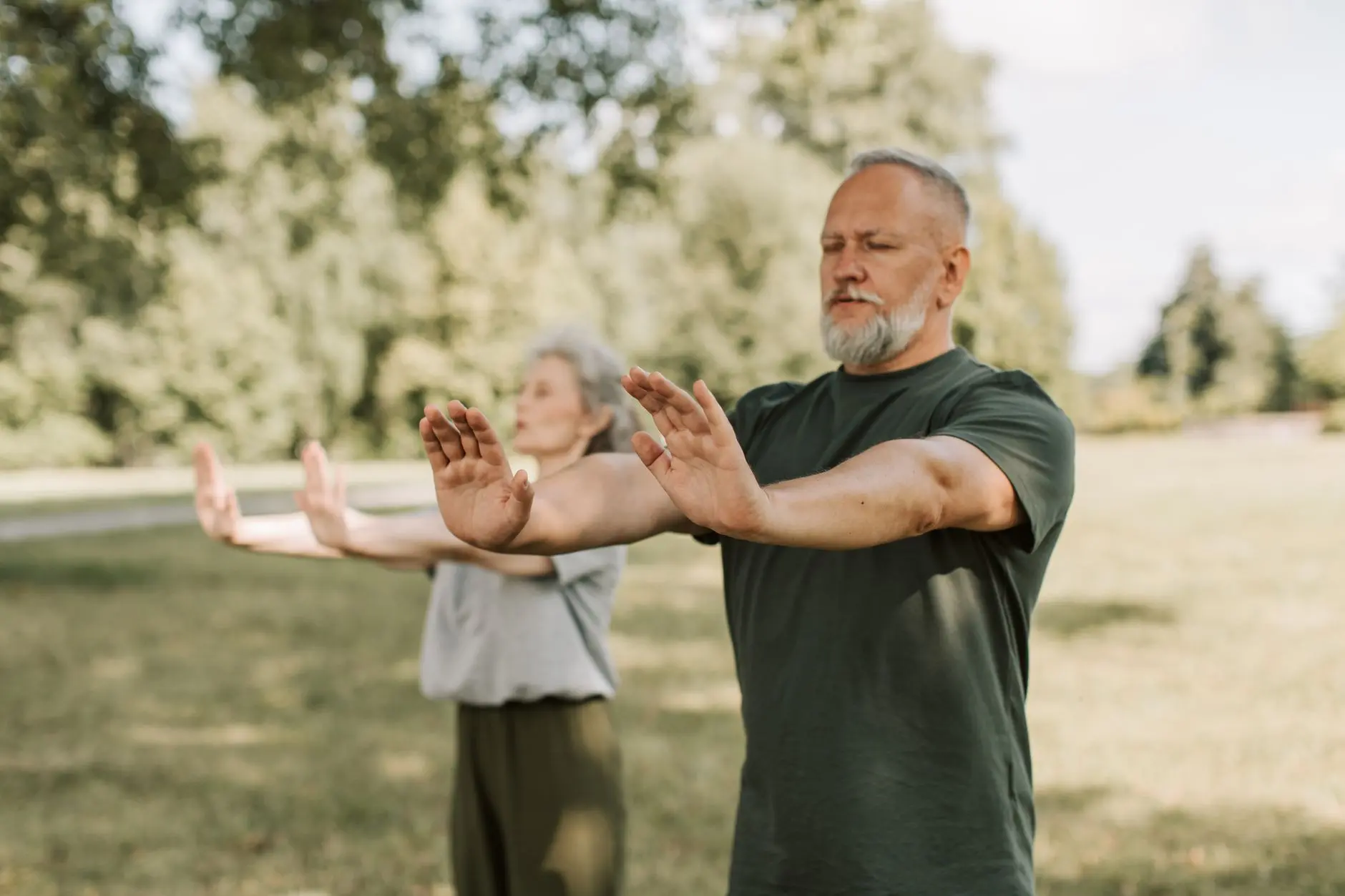
The strongest evidence comes from a randomised controlled trial published in Annals of Internal Medicine, which recruited 543 adults aged 50 or older with central obesity, meaning excess fat around the middle.
They were split into three groups: no exercise, conventional exercise consisting of aerobic work plus strength training, or tai chi. All interventions ran 12 weeks, with measurements again at week 38.
Against the control group, tai chi reduced waist circumference by 1.8 cm. Conventional exercise reduced it by 1.3 cm. Tai chi did slightly better than aerobic exercise and weight training combined, which is not the result most people would predict from an activity that barely raises your heart rate.
Both groups also lost body weight and both limited the fall in HDL cholesterol. At week 38, six months after the programmes ended, the waist and weight improvements held in both groups, but the HDL benefit was still present only in the tai chi group.
What is tai chi walking for weight loss actually going to do
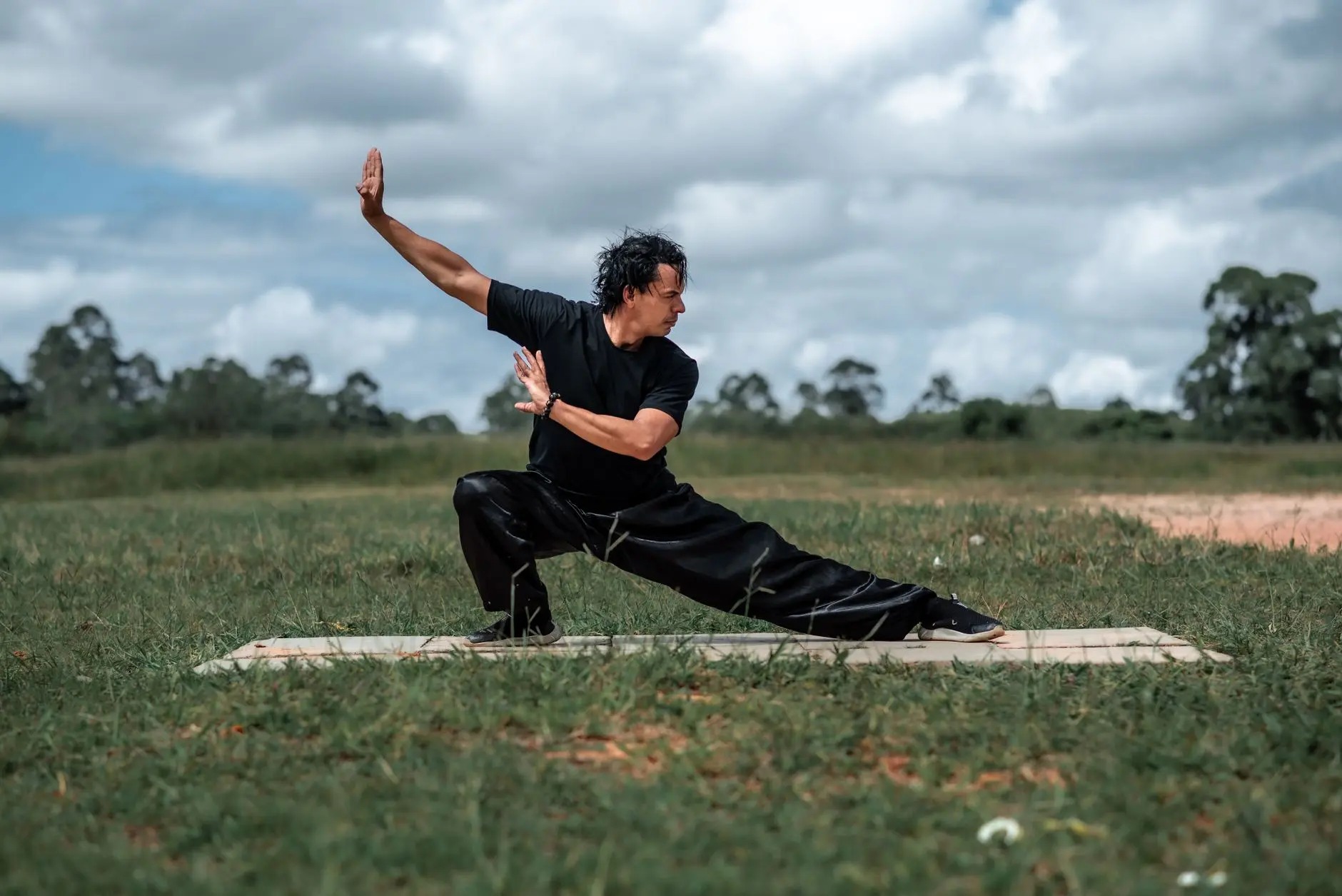
Be clear about the size of the effect. Losing 1.8 cm from your waist over 12 weeks is a genuine, measurable change, and it is not a transformation. Nobody in that trial got dramatically lighter.
What makes it worth knowing is where the change happened. Central obesity, the fat around your middle, is the pattern most strongly linked to metabolic problems, and it is the pattern that becomes more common in women after menopause as fat redistributes toward the abdomen. An intervention that specifically reduces waist circumference is addressing the version of excess weight that matters most for health.
So the honest answer to what is tai chi walking for weight loss is that it modestly reduces the most metabolically important fat, rather than producing rapid loss on the scale.
The benefit that has nothing to do with weight
A 2025 network meta-analysis in BMC Cardiovascular Disorders pooled 49 randomised trials covering 4,224 people with high blood pressure aged 45 and over, comparing six traditional Chinese mind-body exercises.
Tai chi ranked best of all six for reducing systolic blood pressure. Over three quarters of the included studies were rated low risk of bias, which is unusually good for this field.
If you have raised blood pressure alongside weight you want to lose, that combination makes tai chi a more sensible choice than its gentle reputation suggests.
Why a gentle practice outperformed proper exercise
The obvious objection to that trial result is that it makes no sense. Slow weight-shifting should not beat aerobic training and weights for reducing waist fat, and yet it did, by a small margin.
The likely explanation is not that tai chi is magic. It is that central fat responds to more than calorie burn. Tai chi is a sustained, low-stress activity with a strong breathing and attention component, and there is a plausible route through stress physiology, since cortisol drives fat storage toward the abdomen specifically. It is also unusually easy to keep doing, and 12 weeks of a practice people attend beats 12 weeks of a programme they skip.
The trial did not test those mechanisms, so this is reasoning rather than proof. What it did establish is the outcome, which is the part that matters when deciding what to spend your time on.
Who this suits, and who should do something else
Tai chi walking makes most sense if joint pain, injury or very low current fitness rules out higher-impact training, if balance is a concern, if you have high blood pressure, or if you have tried harder programmes and abandoned them. Adherence is the quiet advantage here: a gentle practice you keep doing beats an intense one you quit in three weeks.
It is the wrong choice if your priority is bone density, because bone responds to heavy load rather than slow movement, and our guide to strength training routines for women over 50 covers what does work there. It is also not the fastest route to fat loss, and it will not build much muscle.
The two are not in competition. Tai chi two or three times a week alongside twice-weekly strength training covers considerably more ground than either alone.
How to actually start
Begin with ten minutes. Stand tall, shift your weight entirely onto one leg, step forward slowly with the other, placing the heel first, then roll through the foot and transfer your weight across. Keep your knees soft and your upper body upright. Breathe slowly and do not hold your breath at any point.
Aim for 20 to 30 minutes, three times a week, which is roughly what the trial used. Practising near a wall or a chair is sensible early on if balance is uncertain. A class or a decent video course is worth more than reading about it, because the value is entirely in the quality of the movement.
Because the intensity is low, a heart rate check is a useful reality test rather than a target to chase: our heart rate zone calculator shows where you actually are, and tai chi will sit well below what you might expect. That is the point rather than a flaw.
What the first month usually feels like
Expect the first two weeks to feel like almost nothing is happening, because from a cardiovascular point of view almost nothing is. You will not be out of breath and you will not be sweating, and both of those absences make people conclude it is not working.
What tends to show up first is balance and leg endurance. Standing on one leg while placing the other foot slowly is genuinely demanding, and most people find the first sessions harder than they expected for reasons that have nothing to do with fitness. That difficulty fades within a few weeks, which is itself the sign of progress.
Waist measurements moved over 12 weeks in the trial, so measure at the start and then leave the tape alone for three months. Weekly measuring produces noise rather than information at this effect size, and watching a number that moves 1.8 cm over three months is a reliable way to talk yourself out of continuing.
What decides whether you lose weight
None of this changes the arithmetic. Tai chi improved waist measurements in a trial where diet was not the intervention, and the effect was still modest. If weight loss is the goal, what you eat does most of the work, and our guide to losing weight without exercise sets out why.
The sensible framing is that asking what is tai chi walking for weight loss is asking the wrong question slightly. It is a low-impact practice with genuine evidence for waist circumference, blood pressure and, in that trial, lasting cholesterol benefit. Treat it as a health intervention you will actually keep up, with a modest weight benefit attached, rather than as a fat-loss method.
If low-impact movement is what your joints allow, our guides to low-impact strength training and Japanese interval walking cover two other options with real evidence behind them.
Before you start
Tai chi is among the safest forms of exercise and suits most people, including those who cannot manage conventional training. Speak to a doctor first if you have significant balance problems or a history of falls, uncontrolled blood pressure, recent surgery or joint replacement, or dizziness on standing. If you take blood pressure medication, mention that you are starting regular exercise, because readings can change and doses sometimes need review.
Frequently asked questions
Does tai chi walking actually burn enough calories for weight loss?
Not in the way running or cycling does, and that is not how it works. In a trial of 543 adults over 50, tai chi reduced waist circumference by 1.8 cm against control over 12 weeks, slightly more than aerobic exercise plus strength training achieved. The benefit shows up as reduced central fat and modest weight loss rather than as a large calorie burn.
Is tai chi better than normal exercise for losing weight?
For waist circumference in adults over 50, that trial found it slightly better: 1.8 cm reduction versus 1.3 cm for conventional aerobic and strength training. That does not make it better overall, since conventional training builds muscle and loads bone in ways tai chi does not. It does mean tai chi is far more effective than its gentle reputation suggests.
How often should I do it?
Three sessions a week of 20 to 30 minutes is roughly what the trial used over its 12-week programme. Start with ten minutes if you are new to it and build up. Consistency matters more than duration, and the main practical advantage of tai chi is that people tend to keep doing it.
Does tai chi help with anything besides weight?
Yes, and the blood pressure evidence is arguably stronger. A 2025 network meta-analysis of 49 trials covering 4,224 people with hypertension aged 45 and over found tai chi ranked best of six traditional mind-body exercises for reducing systolic blood pressure. In the waist circumference trial, the improvement in HDL cholesterol was also still present six months later in the tai chi group only.
Can it replace strength training?
No. Bone density and muscle respond to heavy load, which slow controlled movement does not provide. Tai chi and resistance training address different things, and doing tai chi two or three times a week alongside two strength sessions covers far more than either on its own.
Sources
- Effects of Tai Chi or Conventional Exercise on Central Obesity in Middle-Aged and Older Adults: A Three-Group Randomized Controlled Trial. Annals of Internal Medicine, 2021
- Effects of six traditional Chinese mind-body exercises on obesity and cardiovascular risk factors in middle-aged and elderly hypertensive patients: a network Meta-Analysis of 49 RCTs. BMC Cardiovascular Disorders, 2025
This article is general health information for adults and not medical advice. It does not know your history, your medication or your results. For a decision about your own health, talk to a doctor or another qualified clinician who does.