
 Lifestyle
 Food & Nutrition
 Fitness
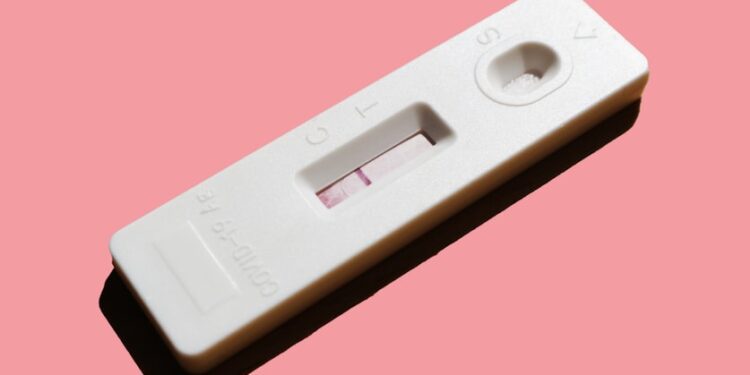
Testosterone testing in women has become a common suggestion from telehealth companies, wellness clinics, and even well-meaning doctors trying to explain fatigue, low libido, or brain fog. The idea sounds reasonable: get a number, compare it to a range, fix what’s low. The problem is that testosterone testing in women is far messier than the marketing suggests, and the guidelines that actually govern how this test should be ordered and interpreted rarely make it into the conversation.
A single blood draw sounds simple. But major medical societies, including the Endocrine Society and the International Menopause Society, have spent years warning that most testosterone tests used in everyday clinical practice were never built to measure female-range levels accurately in the first place. That gap between what patients are told and what the evidence actually supports is what this article is about.
What a Testosterone Test Actually Measures

Testosterone in women is produced mainly by the ovaries and adrenal glands, in amounts roughly one-tenth to one-twentieth of what a typical male body produces. A standard blood panel usually reports total testosterone, and sometimes free testosterone, which is the small unbound fraction available to act on tissue. Levels naturally shift across the menstrual cycle, decline gradually with age, and drop further after surgical removal of the ovaries.
Most labs run this test using a direct immunoassay, the same basic technology built to detect testosterone in the male range, which sits ten to twenty times higher than female levels. That difference matters more than most people realize, and it’s the starting point for understanding why testosterone testing in women gets complicated fast. Hormone confusion isn’t unique to testosterone either; women researching signs of low estrogen in their 30s run into the same pattern of vague symptoms and inconsistent lab interpretation.
The Accuracy Problem Most Labs Don’t Advertise

In 2019, eleven major medical organizations, including the Endocrine Society, the International Menopause Society, and the North American Menopause Society, published a global consensus statement on testosterone therapy for women. Among its Grade A recommendations, the strongest evidence category the panel used, was this: direct assays for measuring total and free testosterone are highly unreliable in the female range, according to the Global Consensus Position Statement on the Use of Testosterone Therapy for Women.
The reason comes down to what these assays were designed to detect. Immunoassays work by measuring how much testosterone binds to an antibody, and they perform well when concentrations are high, as in men. At the low concentrations typical of women, the same assay sits near its detection floor, where measurement error and cross-reactivity with other hormones become significant. Two blood samples from the same woman, drawn the same morning and sent to different labs, can come back with meaningfully different numbers. The panel’s preferred alternative, liquid or gas chromatography combined with tandem mass spectrometry, is far more accurate at low concentrations, but most commercial labs and virtually all direct-to-consumer test kits do not use it because it costs more and takes longer to run.
Why There Is No Universal “Low” Number

Even when a lab uses the better method, testosterone testing in women runs into a second, deeper problem: there is no agreed number that separates a woman with a genuine hormone-related issue from one without. The same 2019 consensus statement states plainly that no cutoff blood level can be used for any measured circulating androgen to differentiate women with and without sexual dysfunction.
Mayo Clinic Press has summarized the clinical reality in similarly direct terms, noting that laboratory tests are not sensitive enough to reliably distinguish low testosterone levels from very low levels in women, and that no specific testosterone level leads to a diagnosis of sexual problems. In practice, this means two women can have identical lab results, one with no symptoms at all and one with significant fatigue or low desire, and the number on the page cannot tell a doctor which is which. A result outside a lab’s reference range is a data point, not a diagnosis.
The One Condition Testosterone Therapy Is Actually Validated For

None of this means testosterone testing in women is pointless, only that its evidence-backed use is much narrower than most content implies. An earlier Endocrine Society Clinical Practice Guideline on androgen therapy in women first laid this groundwork, and the 2019 global consensus builds directly on it: the only evidence-based indication for testosterone therapy in women is hypoactive sexual desire disorder, or HSDD, in postmenopausal women, and only after a full biopsychosocial assessment has ruled out relationship issues, medication side effects, depression, and other medical explanations for low desire.
That assessment matters as much as the blood test itself. Reduced sexual desire has dozens of contributing causes, from thyroid disease to certain antidepressants to relationship strain, and a testosterone number alone cannot sort through them. Women already working through hormone-related transitions, including those managing perimenopause symptom relief, often find that a single hormone level tells a much smaller part of the story than they expected.
What Testosterone Testing Does Not Reliably Diagnose
This is the part most testosterone testing in women content leaves out entirely. The 2019 consensus statement explicitly recommends against using testosterone therapy for cognitive performance, general wellbeing, depressed mood, bone density, lean body mass, or muscle strength in women, citing insufficient evidence for benefit in every one of those categories.
That matters because fatigue, brain fog, and low mood, the symptoms most often blamed on “low T” in wellness marketing, have dozens of possible causes that have nothing to do with testosterone. Thyroid dysfunction, iron deficiency, poor sleep, and chronic stress can all produce a nearly identical symptom picture. Some women chasing these same symptoms eventually discover a completely different root cause, the way signs of magnesium deficiency can mimic hormone-related exhaustion, or the way unexplained heart palpitations in perimenopause get attributed to hormones before anyone checks thyroid function or caffeine intake. A testosterone panel ordered in isolation, without ruling out these more common causes first, is unlikely to explain much on its own.
If You Do Get Tested, What to Ask For
If a doctor recommends testosterone testing in women as part of a workup, a few specific questions change how useful the result will be. Ask whether the lab uses liquid or gas chromatography with tandem mass spectrometry rather than a standard immunoassay, since that distinction alone determines whether the number is trustworthy at female concentrations. Ask for a morning draw, since testosterone follows a daily rhythm and peaks earlier in the day. For women who are still cycling, ask whether the timing relative to the menstrual cycle matters for the specific concern being investigated, since levels shift across the cycle.
It also helps to establish a baseline before starting any treatment, whether that is testosterone therapy or something else entirely, so a follow-up test several weeks later has something meaningful to compare against. A single isolated number, tested once and never repeated, is the least useful version of this test.
Direct-to-Consumer Test Kits and What the Marketing Leaves Out
At-home finger-prick testosterone kits and mail-in panels have grown popular alongside the broader wellness testing boom, often bundled with supplement subscriptions or hormone-optimization programs. Almost all of them rely on the same direct immunoassay technology the 2019 consensus statement flagged as unreliable in the female range, not the mass spectrometry method the evidence actually supports.
There is also a structural conflict of interest worth naming plainly: a company that sells both the test and the treatment has a financial incentive to report a number that looks low enough to justify a purchase. That doesn’t mean every result from a home kit is wrong, but it does mean the number deserves the same scrutiny as any other unverified data point, not blind trust because it arrived with a slick app and a clean interface.
Talking to Your Doctor About Testosterone Testing in Women
The most useful version of this conversation starts with the symptom, not the test. Instead of asking a doctor to check testosterone, describe exactly what’s happening, how long it’s lasted, and what else has changed, then ask what conditions are being ruled out and why testosterone testing is or isn’t part of that plan. If a provider suggests testosterone therapy without first working through other explanations, it’s reasonable to ask what the biopsychosocial assessment covered and whether other common causes have been excluded.
This same rule-things-out-first approach applies broadly to hormone-related symptoms. Many women investigating early signs of perimenopause in their 30s find that a structured, symptom-first conversation with a provider produces far more useful answers than requesting a specific hormone panel and hoping the number explains everything.
Frequently Asked Questions
Is testosterone testing in women accurate?
It depends heavily on the method. Standard immunoassays, the type used by most commercial labs and virtually all at-home test kits, are considered unreliable at the low concentrations typical of women, according to a 2019 global consensus statement from eleven medical societies. Liquid or gas chromatography combined with tandem mass spectrometry is far more accurate, but it’s not the default method most labs use.
What is a normal testosterone level for women?
There isn’t a single agreed number, and that’s part of the problem. Reference ranges vary between labs and testing methods, and major guidelines state that no specific cutoff level can reliably diagnose sexual dysfunction or other symptoms in women. A result should be interpreted alongside symptoms and other lab work, never in isolation.
Can low testosterone cause fatigue in women?
Current evidence doesn’t support testosterone as a reliable explanation for fatigue, brain fog, or general low energy in women. Major guidelines specifically recommend against using testosterone therapy for wellbeing, cognition, or energy-related complaints due to insufficient evidence of benefit. Fatigue has many more common causes worth ruling out first, including thyroid issues, iron deficiency, and sleep disruption.
Should I get a testosterone test if I feel tired all the time?
Persistent fatigue is worth discussing with a doctor, but testosterone testing in women is rarely the first or most useful step. A thorough workup typically checks thyroid function, iron levels, blood sugar, and sleep quality before testosterone even enters the conversation, since those causes are both more common and more directly treatable.
Is testosterone therapy safe for women?
Guideline-directed testosterone therapy, used specifically for HSDD in postmenopausal women and dosed to stay within normal premenopausal physiological ranges, has shown a reasonable safety profile in studies lasting up to 24 months. Longer-term safety data is limited, which is one reason major societies restrict its recommended use to this single, well-studied indication rather than broader off-label use.
Conclusion
Testosterone testing in women isn’t useless, but it is far more limited than most marketing and even some clinical conversations suggest. The assays most labs use are unreliable at female concentrations, no blood level can diagnose symptoms on its own, and the only condition with strong evidence behind testosterone treatment is HSDD in postmenopausal women after other causes have been ruled out. Everything else, from fatigue to brain fog to general wellbeing, currently lacks the evidence to justify chasing a number as the fix. The most useful next step isn’t necessarily a blood draw. It’s a conversation with a provider who is willing to rule out the more common, more treatable explanations first.
Related Articles
- Best Multivitamin for Women Over 40 With Iron: What to Actually Look For
- Symptoms of Estrogen Dominance in Women: 9 Signs and What Actually Helps
- Signs of Magnesium Deficiency in Women: 9 Symptoms Doctors Often Miss
This article is for informational purposes only and is not a substitute for professional medical advice, diagnosis, or treatment. Always consult a qualified healthcare professional before starting, stopping, or changing any hormone testing or treatment plan.
Free tools from Just Health Life
BMI CalculatorBlood Pressure CheckerAll 24 calculators →Educational content, not medical advice. See our medical disclaimer and editorial policy.