


Picking the best multivitamin for women over 40 with iron, or without it, sounds like a simple label-reading exercise until you notice that half the bottles on the shelf contain iron and the other half specifically advertise having none. That split exists for a reason, and it is the first thing most buying guides skip past on their way to a list of brand names. Before you add anything to your cart, it helps to understand what actually changes in a woman’s nutrient needs after 40, because the honest answer is more nuanced than “take one a day.”
This guide skips the sponsored product rankings and focuses on the numbers: the specific recommended daily amounts, upper limits, and absorption changes that the National Institutes of Health publishes for iron, vitamin D, and B12. Once you know what your body actually needs at this stage, reading any multivitamin label becomes a five-minute task instead of a guessing game.
Why a Multivitamin for Women Over 40 Needs to Be Different

Turning 40 does not flip a single biological switch, but it does mark the start of perimenopause for many women, a transition that can stretch across most of a decade before periods stop altogether. During this window, estrogen production becomes erratic rather than steadily declining, which affects bone turnover, how efficiently the gut absorbs certain minerals, and how the body regulates inflammation. At the same time, stomach acid production gradually decreases with age for most adults, which matters more than people realize because several key nutrients, B12 in particular, depend on adequate stomach acid to be released from food and absorbed.
None of this means a woman in her 40s automatically needs more of everything. It means the specific nutrients worth paying attention to shift, and a generic “women’s multivitamin” formulated with 25-year-olds in mind is not automatically the right fit.
The Iron Question Most Guides Get Wrong
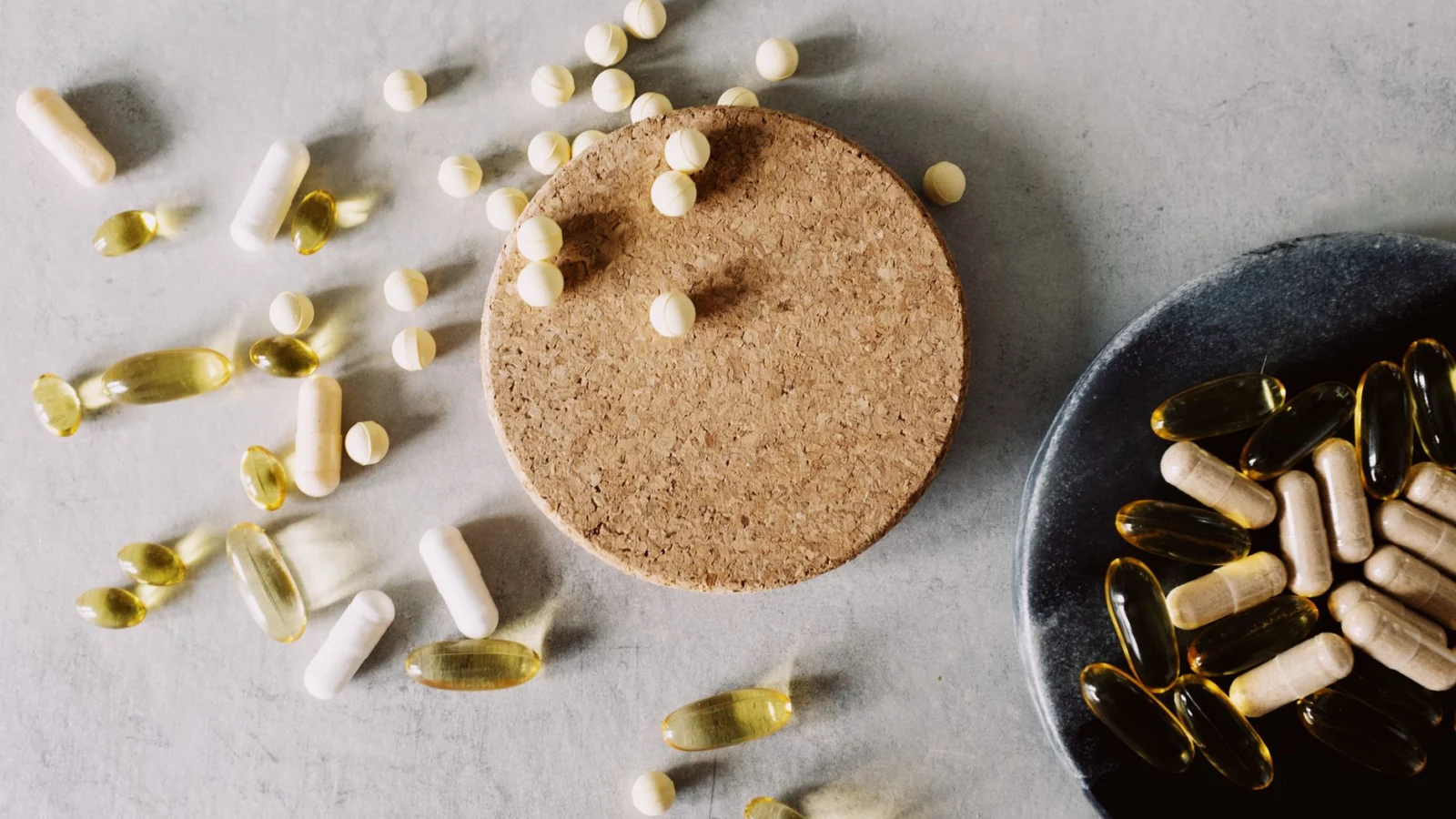
Here is the detail that most roundup articles bury or skip entirely. According to the National Institutes of Health Office of Dietary Supplements, the recommended dietary allowance for iron is 18 mg per day for women ages 19 to 50, but it drops to just 8 mg per day for adults 51 and older, the same amount recommended for adult men. The reason is straightforward: iron requirements in premenopausal women are driven largely by monthly blood loss from menstruation. Once periods become irregular or stop, that source of iron loss goes away, and the body’s iron needs fall accordingly.
This creates an awkward gap for a woman in her 40s. If your periods are still regular, you likely still need iron in that higher 18 mg range. If you are further into perimenopause with infrequent or absent periods, continuing to take a multivitamin formulated for premenopausal iron needs may be giving you more than you need. That matters because iron is not a nutrient where more is automatically better. The NIH fact sheet notes that high doses of iron supplements can cause stomach upset, constipation, nausea, and can interfere with zinc absorption, and that people with an inherited condition called hemochromatosis can build up toxic levels of iron in their bodies if they take supplemental iron unnecessarily.
The daily upper limit for iron from all sources, food and supplements combined, is 45 mg for adults 19 and older.
The practical takeaway is not “avoid iron.” It is that the right multivitamin for women over 40 depends on where you actually are in that transition, not just your age on paper. A blood test showing your ferritin and hemoglobin levels is a far better guide than a bottle’s marketing copy.
Vitamin D: The Nutrient Most Labels Underdose
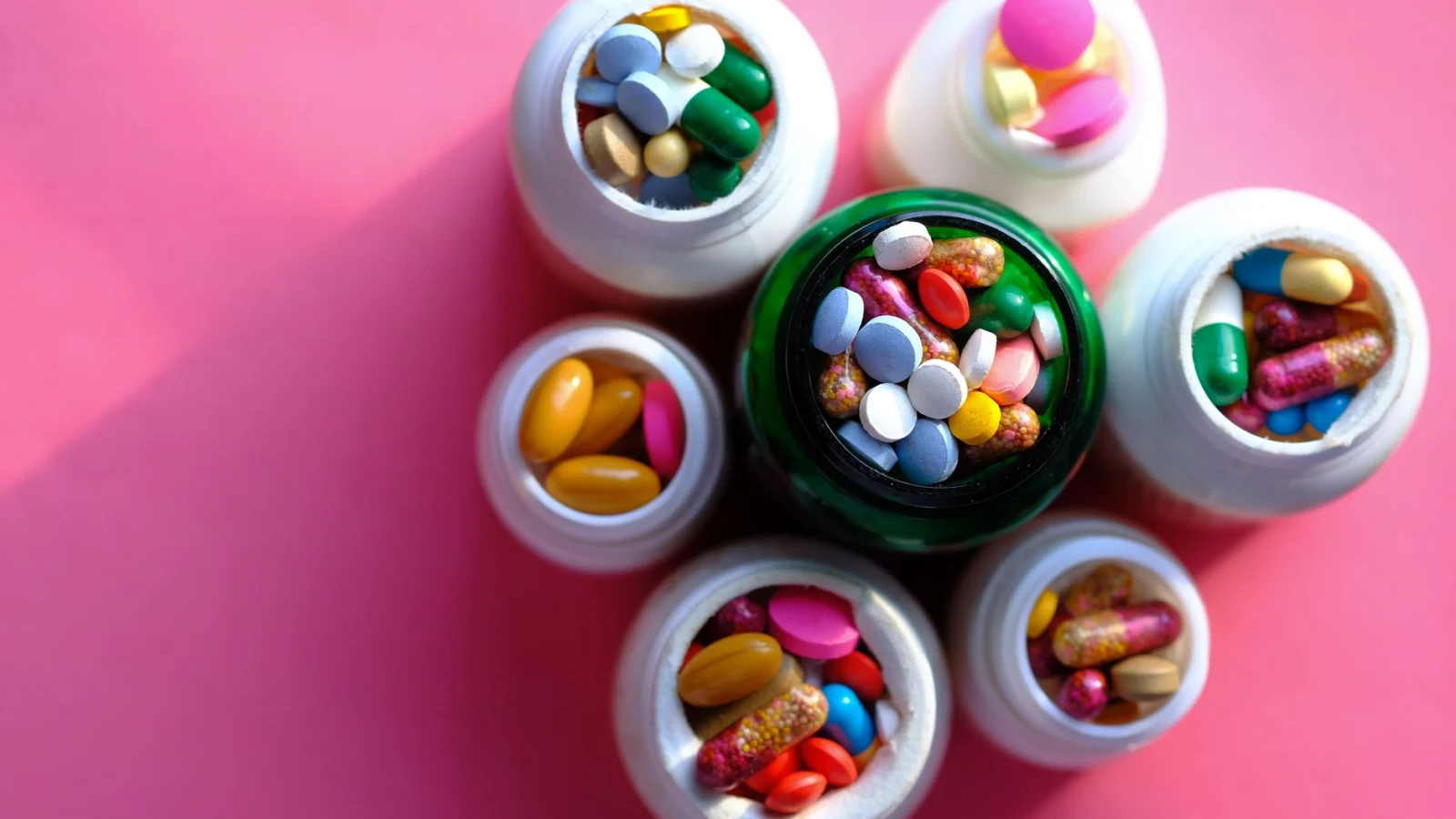
Vitamin D does the opposite of iron in this age range: needs stay level through most of adulthood and then increase later in life. The NIH Office of Dietary Supplements recommends 15 mcg (600 IU) per day for adults ages 19 to 70, rising to 20 mcg (800 IU) for adults 71 and older. Vitamin D works alongside calcium to protect bone density, which becomes a more urgent concern as estrogen fluctuates during perimenopause, since estrogen normally helps regulate bone remodeling.
Many budget multivitamins include only 400 IU of vitamin D, well under the recommended amount, especially for anyone who spends most days indoors or lives somewhere with limited winter sun. If you are choosing between two multivitamin options and one lists vitamin D3 at 600 IU or higher while the other lists 400 IU, that difference is worth noticing on the label before price or brand recognition. It is exactly the kind of detail that separates a genuinely useful multivitamin for women over 40 from one that just looks the part on the shelf.
B12 Absorption Changes With Age, Even If Your Diet Hasn’t

Vitamin B12 deserves more attention in a multivitamin for women over 40 than it usually gets, and not because dietary intake typically drops. The issue is absorption. B12 has to be separated from the protein it is bound to in food by stomach acid, then combined with a protein called intrinsic factor before the body can absorb it.
The NIH fact sheet on vitamin B12 notes that many older adults do not produce enough stomach acid to complete that first step efficiently, which is why people over 50 are specifically advised to get most of their B12 from fortified foods or supplements, forms that do not require that same acid-dependent extraction step, rather than relying only on B12 naturally bound in meat, eggs, and dairy.
Vitamin B12 deficiency affects an estimated 3 to 43 percent of older adults depending on the population studied, a wide range that reflects how often it goes undiagnosed rather than how rare it actually is. Fatigue, brain fog, and mood changes overlap heavily with normal perimenopause symptoms, which means a B12 issue can hide in plain sight for years. If brain fog has been a recurring frustration, it is worth reading how daily habits affect brain fog alongside checking your B12 status with an actual blood test.
How to Read a Multivitamin Label Like It Actually Matters
Once you know your own targets, choosing a multivitamin for women over 40 gets much faster than most guides make it sound. A few practical habits make the difference between guessing and choosing deliberately:
Check the iron line first. If it lists 18 mg, that formula is built for premenopausal iron needs. If it lists 0 mg or is labeled “iron-free,” it is built for postmenopausal women or men. Neither is automatically correct for you; it depends on where your periods and lab values currently stand.
Look at the form, not just the amount. Iron bisglycinate is gentler on digestion than ferrous sulfate for people who do take iron. Methylcobalamin is a bioavailable, active form of B12, as opposed to cyanocobalamin, which the body has to convert first. Neither form is dangerous, but if a particular formula has caused stomach issues before, the form is often the reason.
Compare the vitamin D3 amount against the 600 IU (15 mcg) daily target rather than assuming any listed amount is sufficient. And check whether the multivitamin is being taken on top of other supplements you already use, since doubling up on fat-soluble vitamins across multiple products is one of the more common ways people unintentionally exceed a safe upper limit.
The Best Multivitamin for Women Over 40 With Iron: When You Actually Need It
Iron is not something to avoid reflexively when choosing a multivitamin for women over 40. Heavy or prolonged periods are common during perimenopause, sometimes heavier than they were in your 20s and 30s before hormone fluctuations became irregular, and heavy bleeding is one of the most common causes of iron deficiency at this age. Fatigue, pale skin, shortness of breath during ordinary activity, and unusual cravings for ice are all worth mentioning to a doctor rather than dismissing as normal aging. If you have been tracking other shifts already, it is worth comparing notes with what changes around low estrogen looks like earlier in the transition, since heavier bleeding patterns often show up around the same time.
A ferritin blood test, which measures your body’s stored iron rather than just what is circulating, is the clearest way to know whether you are actually low. Guessing based on age alone misses both people who still need iron and people who no longer do.
What a Multivitamin Can’t Replace: Blood Work and Food
A daily multivitamin for women over 40 is designed to fill small, common gaps, not to correct a diagnosed deficiency or replace a varied diet. If you suspect you are actually low in iron, B12, vitamin D, or magnesium rather than just wanting general insurance, a standard multivitamin dose is usually too low to correct it in a reasonable timeframe. That is a job for targeted supplementation under a doctor’s guidance, ideally after bloodwork confirms what is actually low.
Many of the symptoms that get blamed on “just getting older” during your 40s, including the fatigue and brain fog covered above, overlap closely with patterns discussed in magnesium deficiency in women, which is worth ruling out separately from anything a multivitamin addresses.
Food sources also matter more than supplement marketing tends to suggest. Fatty fish, fortified milk and plant milks, and moderate sun exposure all contribute meaningful vitamin D. Lean meat, poultry, seafood, and iron-fortified cereals are the most bioavailable iron sources for anyone who does need more. A multivitamin is a backstop, not a substitute for eating in a way that supports what your body needs at this stage, something also worth considering alongside broader perimenopause symptom relief strategies that go beyond supplementation alone.
Red Flags: Megadosing and Fat-Soluble Vitamin Risks
Not every “more is better” claim on a multivitamin for women over 40 is harmless. Fat-soluble vitamins, D, A, E, and K, are stored in body fat rather than excreted like water-soluble vitamins, which means they can accumulate to harmful levels over time if you consistently take more than you need, especially from multiple products at once. Iron carries a similar risk profile in the other direction: the 45 mg daily upper limit for adults includes iron from food, fortified cereal, and supplements combined, so a woman eating iron-fortified foods and also taking a high-iron multivitamin can approach that ceiling faster than expected.
If a multivitamin brand markets itself primarily on unusually high doses of any single nutrient rather than balanced amounts close to the recommended dietary allowance, that is worth a second look rather than treating higher numbers as automatically more effective.
The iron need falls from 18 mg to 8 mg a day at 51, which is the first thing to check before a multivitamin with iron; the page on what supplements should I take has the amounts.
Frequently Asked Questions
Do I need a multivitamin for women over 40 that contains iron?
It depends on whether your periods are still regular. If you are still menstruating regularly, your iron needs remain closer to 18 mg per day. If your cycles have become infrequent or stopped, your needs drop to around 8 mg per day, and continuing a high-iron formula may not be necessary. A ferritin blood test is the most reliable way to know for certain rather than guessing from age alone.
What is the difference between iron bisglycinate and ferrous sulfate?
Both raise iron levels, but iron bisglycinate is generally gentler on the stomach and less likely to cause constipation than ferrous sulfate, which is the more common and less expensive form found in many budget multivitamins. If a previous iron supplement caused digestive issues, the form is often the reason, not the dose.
Can I take too much vitamin D from a multivitamin for women over 40?
It is possible, particularly if you are also taking a separate vitamin D supplement or a calcium-D combination product. Since vitamin D is fat-soluble and stored in the body, doubling up across multiple products is the most common way people exceed safe levels. Check the total from all sources against the recommended amount rather than assuming a multivitamin’s dose is the only D you are getting.
Should I get bloodwork before choosing a multivitamin?
It is not required, but it is the most reliable way to choose intelligently rather than by trial and error. Ferritin, vitamin D, and B12 levels are commonly included in routine panels and can tell you whether you actually need targeted supplementation, a general multivitamin, or neither, instead of relying on a label’s marketing claims.
Is an iron-free multivitamin better for women over 40?
Not universally. It is a better fit for women who are postmenopausal or who already have adequate iron stores, since taking iron without a documented need offers no benefit and carries some risk. It is not automatically the right choice for a woman in her early 40s who is still menstruating regularly and losing iron monthly.
Conclusion
There is no single best multivitamin for women over 40 that fits everyone in that age range, because 40 covers women who are still menstruating normally and women who are years into perimenopause with very different nutrient needs. The most useful thing you can do before buying anything is figure out where you actually fall on that spectrum, ideally with a basic blood panel checking ferritin, vitamin D, and B12, and then match a label to those numbers rather than to an age bracket printed on the bottle. A multivitamin chosen that way does real, targeted work.
One chosen by age alone is often either giving you iron you no longer need or underdosing the vitamin D your bones actually depend on.
Related Articles
- Best Multivitamin for Women Over 40: What to Look For and Why It Matters
- Nervous System Reset for Women Over 40: Why It Hits Harder and How to Heal
- Best High Protein Breakfast for Weight Loss Women Over 40
This article is for informational purposes only and is not a substitute for professional medical advice, diagnosis, or treatment. Always consult a qualified healthcare professional before starting any new supplement, especially if you have an existing health condition or take other medications.
Sources
- NIH Office of Dietary Supplements. Iron – Consumer.
- NIH Office of Dietary Supplements. NIH Office of Dietary Supplements.
- NIH Office of Dietary Supplements. NIH fact sheet on vitamin B12.


