
 Lifestyle
 Food & Nutrition
 Fitness
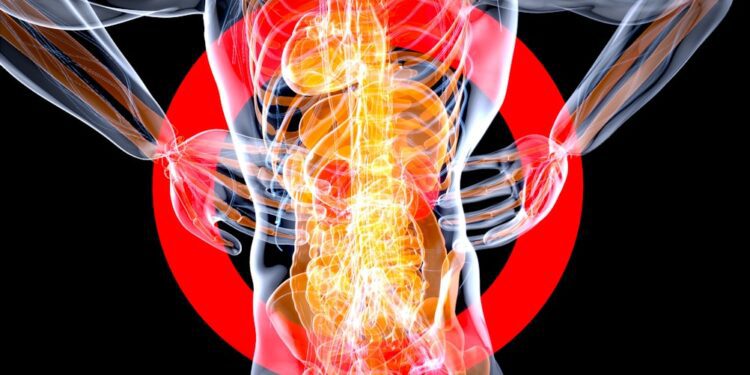
Lower back pain during perimenopause catches a lot of women off guard, especially when nothing else about their routine has changed. The mattress is the same, the desk chair is the same, the workouts are the same, yet a dull ache across the lower back shows up most mornings and lingers through the day in a way it never used to. This isn’t a coincidence tied to getting older in some vague sense. It traces back to specific, measurable hormonal shifts, mainly falling and fluctuating estrogen and progesterone, that affect the joints, discs, and muscles supporting the spine years before a period actually stops.
Understanding the hormonal piece matters because it changes what actually helps. Stretching and posture fixes are still useful, but they’re treating one layer of a problem that starts deeper, in how hormones regulate inflammation, connective tissue, and even pain sensitivity itself.
What Causes Back Pain During Perimenopause

Estrogen does far more for the spine than most women realize. It helps regulate inflammation, supports bone density, and keeps the collagen in ligaments and spinal discs pliable rather than brittle. As estrogen levels start swinging unpredictably during perimenopause, rather than dropping in a steady line, that support becomes inconsistent, and the lumbar spine, which already carries most of the body’s mechanical load, tends to feel it first.
A study published in Przeglad Menopauzalny and indexed on PubMed Central found that low back pain is more common and more severe in women during the menopause transition than either before it or after it settles, pointing specifically to the perimenopausal years as the highest-risk window rather than menopause itself. The researchers linked this to the volatility of hormone levels during perimenopause, not simply to their eventual decline.
Falling progesterone plays a role too. Progesterone has a natural anti-inflammatory and pain-modulating effect, and as levels drop, women tend to report a lower pain threshold overall, meaning aches that would have been minor a few years ago now register as more intense. Combine that with declining estrogen’s effect on connective tissue and joint lubrication, and back pain during perimenopause starts making physiological sense instead of feeling random.
Bone Density, Body Composition, and the Spine
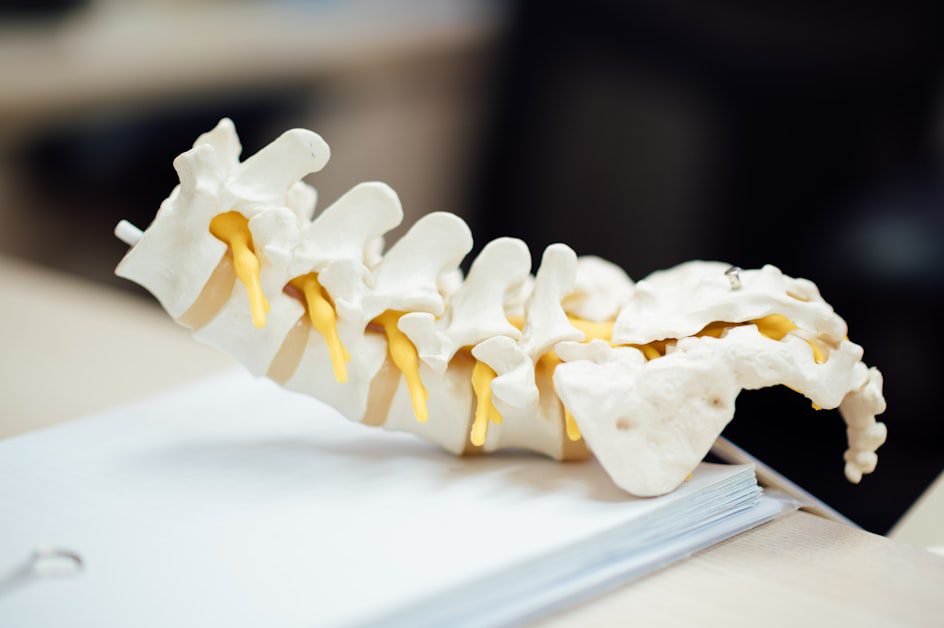
Two other shifts compound the hormonal piece. Estrogen slows the natural breakdown of bone, so as it declines, bone density loss accelerates, sometimes years before an official osteoporosis diagnosis would ever come up. The vertebrae in the lower spine are particularly vulnerable to this early density loss, and even modest reductions in bone strength there can change how the spine handles everyday loads like sitting, bending, and lifting.
Body composition changes add a second layer. Many women gain weight around the midsection during perimenopause even without changes to diet or activity, a shift tied to estrogen’s role in fat distribution. Extra weight carried at the front of the torso pulls the pelvis forward and increases the curve in the lower back, which raises mechanical strain on the same discs and joints already dealing with less hormonal support. Neither of these factors acts alone. They stack with the direct hormonal effect on connective tissue to make back pain during perimenopause one of the more common, and more overlooked, symptoms of the transition.
What Perimenopausal Back Pain Actually Feels Like
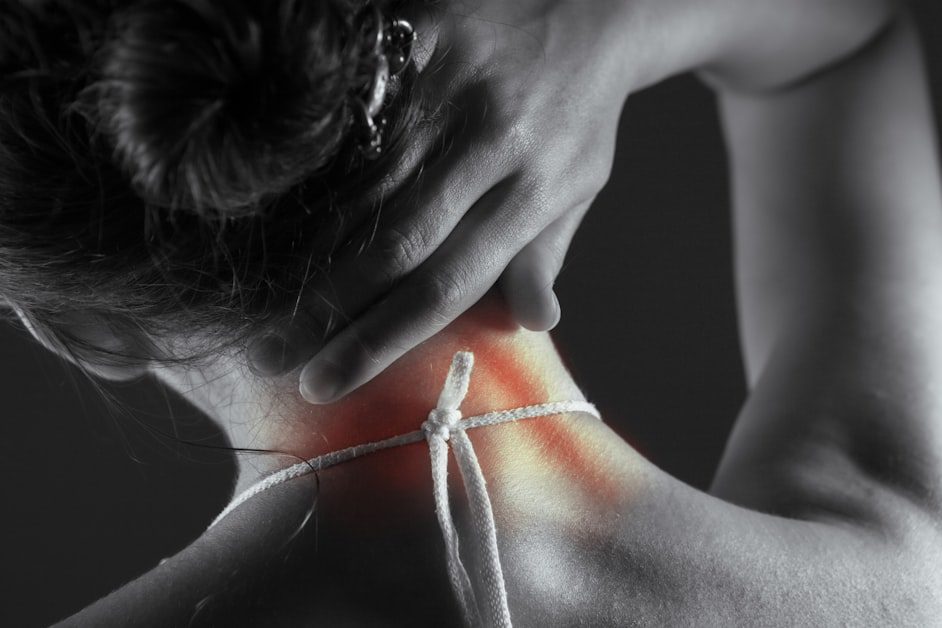
Back pain during perimenopause tends to have a few recognizable patterns that differ from a pulled muscle or an old injury flaring up. It’s often a dull, diffuse ache across the lower back rather than a sharp point of pain, and it frequently feels worse in the morning, easing somewhat once the body warms up and moves. Many women also notice it tracks loosely with their cycle, worsening in the days before a period even as cycles themselves become less predictable.
It’s common for this ache to show up alongside other perimenopause symptoms, joint stiffness in the hips and knees, disrupted sleep, or new stretches of fatigue, rather than as an isolated back issue. That clustering is itself a useful clue. Isolated, one-sided sharp pain after a specific movement points more toward a mechanical injury, while a diffuse, cycling ache that overlaps with other new symptoms points more toward the hormonal pattern described here. Tracking where your pain falls relative to your cycle, even an increasingly irregular one, can help clarify which pattern you’re dealing with, and our period calculator is a simple way to keep that timeline visible as perimenopause makes cycles less predictable.
Strength Training That Actually Helps
Targeted strength work is one of the few interventions with real evidence behind it for perimenopausal back pain, because it addresses both the muscular support the spine needs and the bone density loss happening underneath it. Bridges, bird dogs, and dead bugs build the deep core and glute strength that takes direct load off the lumbar spine, while banded pull-aparts and rows counter the forward-rounded posture that tends to develop alongside midsection weight gain.
Weight-bearing and resistance work also directly slow the bone density loss described above, which makes strength training a rare case of one intervention addressing two separate mechanisms behind the same symptom at once. Starting with two to three sessions a week, focused on controlled, moderate-load movements rather than heavy maximal lifts, tends to produce the most consistent relief from back pain during perimenopause without aggravating an already irritated lower back. Our guide to lifting heavy in perimenopause covers how to progress load safely as bone density becomes a real consideration during this stretch of life.
Daily Mobility Work for Morning Stiffness

Because perimenopausal back pain is often worst first thing in the morning, a short mobility routine done before the rest of the day starts tends to pay off more than the same stretches done later on. Cat-cow, gentle pelvic tilts, and a supported child’s pose all move the lumbar spine through its natural range without loading it, which helps flush out the stiffness that builds up overnight when hormone-related inflammation is highest.
Five to ten minutes is enough to make a difference for most women dealing with back pain during perimenopause, and consistency matters more than duration. Our full walkthrough of morning stretches for easing lower back pain and step-by-step guide to pelvic tilts for lumbar back pain both work well layered on top of the hormonal picture described here, since the underlying mechanics of morning stiffness overlap regardless of what’s driving the inflammation.
Sleep, Hormone Therapy, and Medical Options
Sleep disruption from night sweats and hormonal fluctuation makes back pain worse in a fairly direct way, since poor sleep lowers pain threshold and slows the body’s overnight tissue repair. Addressing sleep quality, consistent bedtime, a cool room, limiting alcohol close to bedtime, is not a side issue here but a real lever on next-day back pain. Women managing both problems at once may find it useful to review our tips for relieving lower back pain while sleeping alongside their broader sleep routine.
Hormone replacement therapy comes up often in conversations about back pain during perimenopause because it directly addresses the estrogen decline behind several of the mechanisms above. According to the National Institute on Aging, hormone therapy can help with a range of menopause-related symptoms and is worth discussing with a doctor on an individual basis, weighing personal risk factors like cardiovascular history and family history of certain cancers. It isn’t the right fit for every woman, but for those with significant symptoms, it’s a legitimate option to raise rather than something to rule out on your own.
Anti-Inflammatory Habits Worth Building In
Because inflammation is part of what’s driving perimenopausal back pain, daily habits that lower baseline inflammation tend to help more here than they would for a purely mechanical back issue. That includes regular movement throughout the day rather than long stretches of sitting, adequate hydration, and an eating pattern built around vegetables, fatty fish, and fiber rather than heavily processed food. None of these replace targeted exercise or medical care, but they lower the overall inflammatory load the spine is dealing with. Our anti-inflammatory morning routine for back pain lays out a specific sequence that pairs well with the mobility work covered above.
Stress management deserves a mention here too, since cortisol, the primary stress hormone, tends to run higher during perimenopause as progesterone’s calming effect fades, and elevated cortisol independently amplifies pain perception. Short walks, slow breathing, and protecting real downtime aren’t just general wellness advice in this context, they’re a specific lever on how intensely the same physical back pain gets experienced day to day.
When Back Pain Needs More Than a Hormonal Explanation
Most back pain during perimenopause is diffuse, cycles with hormonal patterns, and responds to the strategies above within a few weeks of consistent effort. Certain patterns fall outside that description and deserve prompt medical evaluation instead of being chalked up to hormones. Sharp, one-sided pain that radiates down a leg, numbness or tingling in the legs or feet, pain that wakes you from sleep regardless of position, or any loss of bladder or bowel control are all reasons to see a doctor rather than wait it out.
A rapid, unexplained loss of height or a fracture from a minor fall also warrants a bone density scan, since it can signal that osteoporosis has progressed further than typical perimenopausal changes would suggest. Bringing a symptom timeline, when the pain started, how it relates to your cycle, and what else has changed, to that appointment makes it far easier for a doctor to sort a hormonal pattern from a separate structural issue.
Frequently Asked Questions
Can perimenopause really cause lower back pain?
Yes. Research indexed on PubMed Central has found low back pain is more common and more severe during the perimenopausal transition than before or after it, tied to fluctuating estrogen and progesterone affecting inflammation, connective tissue, bone density, and pain sensitivity.
Will back pain during perimenopause go away on its own?
For many women it eases somewhat once hormone levels stabilize after menopause, but it rarely disappears without some active management. Strength training, mobility work, sleep, and addressing bone density are the interventions with the most consistent evidence for reducing it during the transition itself.
Is it perimenopause or a disc problem causing my back pain?
A diffuse, dull ache that’s worse in the morning and cycles loosely with your period pattern points more toward the hormonal explanation. Sharp, one-sided pain that radiates down a leg, numbness, or pain that wakes you at night points toward a structural issue and needs medical evaluation rather than a hormonal assumption.
Does hormone replacement therapy help with perimenopause back pain?
It can for some women, since it directly addresses the estrogen decline behind several contributing mechanisms. The National Institute on Aging notes it’s worth discussing individually with a doctor, weighing personal risk factors, rather than assuming it’s automatically the right or wrong choice.
What exercises should I avoid with perimenopausal back pain?
Heavy spinal flexion under load, like unsupported sit-ups or deadlifting with poor form, tends to aggravate an already sensitized lower back more than it helps. Controlled strength work like bridges, bird dogs, and supported rows generally works better than high-impact or maximal-effort training while symptoms are active.
Conclusion
Back pain during perimenopause is a real, physiologically grounded pattern, not something to dismiss as ordinary aging or a coincidence of posture. Falling and fluctuating estrogen and progesterone affect inflammation, connective tissue, bone density, and pain sensitivity all at once, which is why the lower back so often becomes a pressure point during this transition. Strength training, morning mobility work, better sleep, and lowering baseline inflammation all give you real levers to work with, and for some women a conversation about hormone therapy is worth having too. The ache that shows up out of nowhere in your 40s usually has a clear explanation once you know where to look.
Related Articles
- How to Fix Lower Back Pain from Deadlifts: Recovery and Prevention
- Best Morning Stretches for Easing Lower Back Pain
- How to Sit at a Desk with Lower Back Pain: The Right Positions That Actually Help
This article is for informational purposes only and does not constitute medical advice. Persistent or severe back pain, especially with numbness, radiating leg pain, or bladder or bowel changes, should be evaluated by a qualified healthcare provider.
Free tools from Just Health Life
BMI CalculatorBlood Pressure CheckerAll 24 calculators →Educational content, not medical advice. See our medical disclaimer and editorial policy.