


Most lists of high protein low calorie meals for weight loss name the same foods without telling you the one thing that separates them: how much protein each delivers per calorie you spend. That ratio is the entire point, and once you have it, building meals stops being guesswork.
The numbers below come from the United States Department of Agriculture’s food composition database rather than from a brand or a blog, and some of them are genuinely surprising.
The number that actually matters

Two foods can both be called high in protein and be wildly different choices when calories are limited. What matters is protein per 100 calories, because that tells you how much of your daily allowance a given amount of protein costs you.
Getting enough protein is worth the effort. A systematic review and meta-analysis of 43 randomised controlled trials in Nutrients found that higher-protein diets produced 1.6 kg more weight loss than controls, with a confidence interval of 1.2 to 2.0 kg. Protein is the most satiating macronutrient and it protects lean mass while you are in a deficit, which is exactly what you want to keep when the goal is losing fat.
Protein per calorie, ranked
These figures are per 100 grams, taken from USDA FoodData Central. The final column is the one to pay attention to.
| Food (per 100g) | Protein | Calories | Protein per 100 kcal |
|---|---|---|---|
| Shrimp, raw | 20.1 g | 85 | 23.6 g |
| Tuna, light, canned in water | 19.0 g | 90 | 21.1 g |
| Chicken breast, cooked | 31.0 g | 165 | 18.8 g |
| Cottage cheese, 1% fat | 12.4 g | 72 | 17.2 g |
| Greek yogurt, plain nonfat | 10.3 g | 61 | 16.9 g |
| Beef, ground, 93% lean, cooked | 27.0 g | 192 | 14.1 g |
| Tofu, firm | 17.3 g | 144 | 12.0 g |
| Egg, whole | 12.6 g | 143 | 8.8 g |
| Lentils, cooked | 9.0 g | 116 | 7.8 g |
Shrimp delivers roughly three times the protein per calorie of lentils and nearly three times that of whole eggs. That is not a small difference. Across a day of eating it decides whether hitting your protein target leaves room for anything else.
Why eggs and lentils rank lower than their reputation
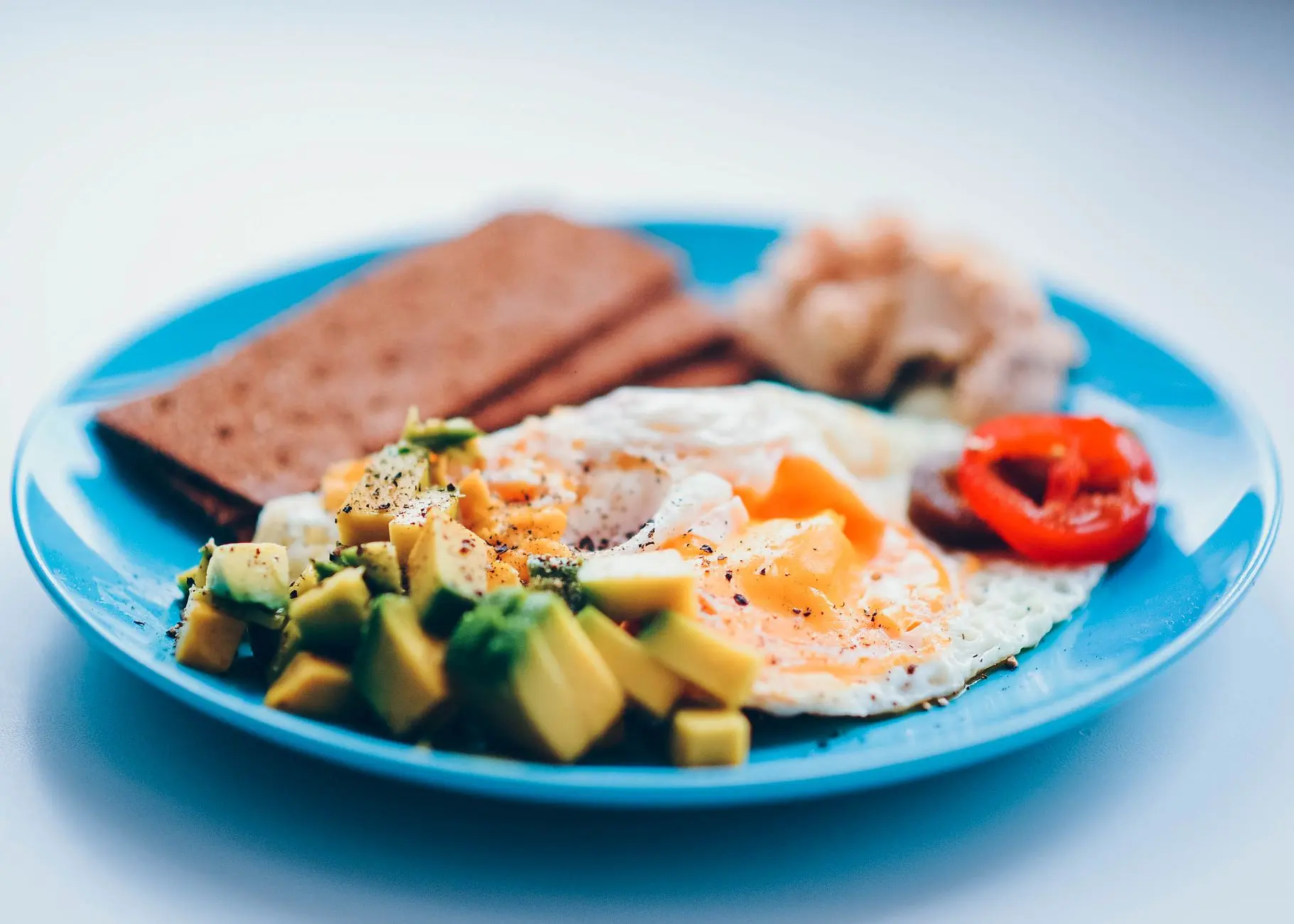
Both are genuinely good foods, and neither belongs on a list of things to avoid. They are simply less efficient when calories are the binding constraint, and it is worth understanding why rather than dropping them.
With eggs, the fat lives in the yolk. A whole egg is a balanced food rather than a protein-dense one. Using two whole eggs plus two whites is the standard fix, since it keeps flavour and nutrients while raising the ratio considerably.
With lentils, the protein arrives packaged with carbohydrate, which is why the calories climb. What the table does not show is fibre, and lentils bring a lot of it. If fullness is your problem rather than your protein total, lentils may serve you better than their ranking suggests.
The practical conclusion is to build the base of your meals from the top of that list and treat the lower half as additions rather than as your main protein source.
How much protein you actually need
For weight loss with lean mass preserved, most guidance lands between 1.2 and 1.6 grams per kilogram of body weight per day, which is well above the minimum needed to avoid deficiency. Our protein intake calculator gives you a specific target, and our calorie calculator gives you the budget it has to fit inside.
Two numbers together are what make this work. A protein target without a calorie budget tends to produce a diet that is high in protein and high in everything else.
How to build high protein low calorie meals for weight loss
Rather than following recipes, it is faster to assemble meals from four slots. Every high protein low calorie meal is some version of this.
- A protein anchor of 100 to 200 grams from the top of the table, which does most of the work.
- Vegetables by volume, as much as you want, since they fill the plate and the stomach at a very low calorie cost.
- A measured fat, such as a tablespoon of oil, a quarter of an avocado or a scattering of nuts. Fat is where low calorie meals quietly stop being low calorie, so this is the slot to measure rather than eyeball.
- An optional starch, sized to whatever calories remain.
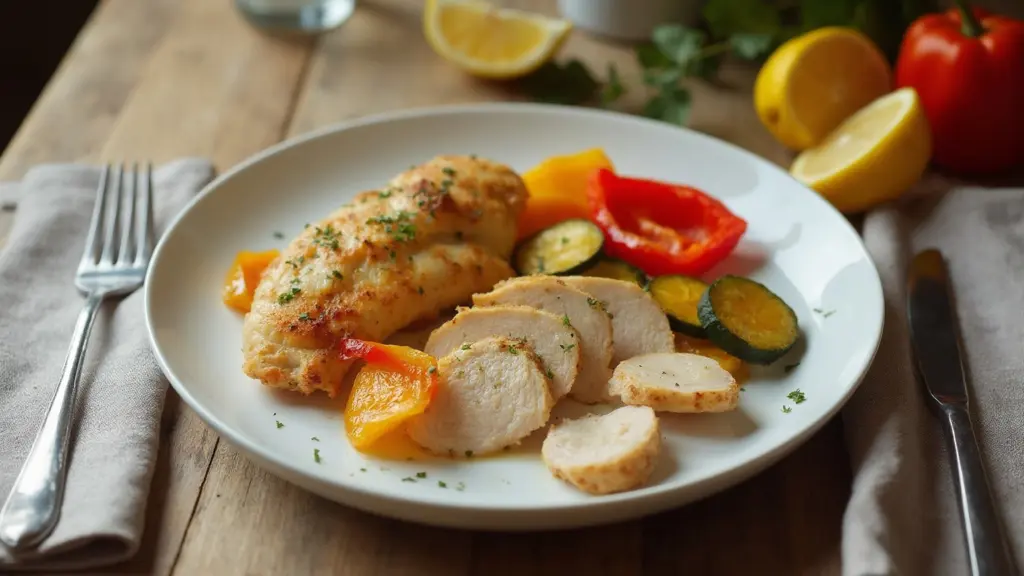
Some combinations that follow the formula: shrimp stir-fried with a bag of frozen vegetables and a teaspoon of sesame oil; tinned tuna folded into cottage cheese as a high-protein sandwich filling or jacket potato topping; chicken breast roasted with peppers and courgette; Greek yogurt with berries and a tablespoon of seeds as either breakfast or a dessert that ends the evening snacking.
Notice that the protein anchor in each case comes from the top five foods in the table. That is deliberate, and it is most of the reason the calories stay manageable.
A worked day, using the verified numbers
To show how the ratios play out in practice, here is a day built entirely from the table above, aimed at a woman of around 70 kg targeting roughly 100 grams of protein.
Breakfast: 200 grams of nonfat Greek yogurt supplies about 21 grams of protein for roughly 122 calories. Add berries and a tablespoon of seeds and you are near 250 calories with a quarter of the day’s protein already handled.
Lunch: a 100 gram tin of tuna in water gives 19 grams of protein for about 90 calories. Fold it through 100 grams of cottage cheese, adding another 12.4 grams of protein for 72 calories, and the filling alone carries over 31 grams of protein for around 162 calories before any bread or potato.
Dinner: 150 grams of cooked chicken breast provides roughly 46 grams of protein for about 248 calories. With a large volume of vegetables and a measured teaspoon of oil, the plate lands near 400 calories.
That is approximately 98 grams of protein across three meals for something close to 900 calories from the protein sources and their additions, leaving substantial room for starches, fruit, dairy in coffee and anything else the day requires. The point is not that you should eat exactly this. It is that high protein low calorie meals for weight loss stop requiring arithmetic once the anchors are chosen well, because the ratios do the work for you.
Where low calorie meals go wrong
Most failures with high protein low calorie meals for weight loss come from three places, and none of them is the protein. The fat slot is the usual culprit. Oil is roughly 120 calories per tablespoon and a generous pour can add 300 calories to a meal that looked virtuous on the plate. Dressings, sauces and cooking oil deserve measuring in a way that vegetables never do.
The second mistake is going too low. Meals of 250 calories leave you hungry enough to undo the day by evening, and severe deficits cost you muscle. A meal that leaves you satisfied for four hours at 450 calories beats one that leaves you raiding the cupboard at 250.
The third is neglecting flavour. Herbs, spices, vinegar, mustard, lemon and hot sauce add almost nothing calorically and are the difference between a way of eating you keep and one you abandon in a fortnight. Bland food is the most common reason these plans fail, and it is entirely avoidable. If your weight has stopped moving despite apparently eating well, our post on why the scale stalls on a calorie deficit covers the tracking problems behind most of it.
If you prefer a plan to a formula
Some people do better with the week decided in advance. Our high protein low carb meal plan lays out seven days, though note that it restricts carbohydrates specifically, which is a different approach from simply keeping calories low. Carbohydrates are not the problem here. Calories are, and you can hit a low calorie target with rice and potatoes in the plan if that suits you better.
For the shift-work version of this problem, where meal timing fights your body clock, losing weight on night shift deals with the scheduling side.
What changes after 40
Protein matters more with age, not less. Muscle mass declines gradually from midlife, and that decline is accelerated by dieting without enough protein or any resistance training. The same calorie deficit can therefore cost a woman of 50 more lean tissue than a woman of 25, which is the opposite of the goal.
The practical adjustment is to sit at the upper end of that 1.2 to 1.6 gram range rather than the lower, and to spread protein across meals instead of loading it all into dinner. Planning high protein low calorie meals for weight loss around that distribution matters more at this stage than the exact foods do. Twenty-five to thirty grams per meal is a reasonable working target, and the top five foods in the table make that achievable without much calorie cost. Our guide to daily habits that support metabolism after 40 covers the rest of the picture.
Frequently asked questions
Which food has the most protein per calorie?
Of the common options, shrimp leads at roughly 23.6 grams of protein per 100 calories, based on USDA figures, followed by tinned tuna in water at about 21.1 grams and cooked chicken breast at 18.8 grams. Cottage cheese and nonfat Greek yogurt are close behind at around 17 grams. These are the foods to build meals around when calories are limited.
Are eggs good for high protein low calorie meals?
Eggs are nutritious but less efficient than their reputation suggests, delivering about 8.8 grams of protein per 100 calories because the fat sits in the yolk. That is roughly half the ratio of cottage cheese and around a third of shrimp. The usual fix is using two whole eggs plus two egg whites, which keeps the flavour and nutrients while substantially improving the protein per calorie.
How much protein should I eat to lose weight?
Most guidance for weight loss with muscle preserved falls between 1.2 and 1.6 grams per kilogram of body weight daily. A meta-analysis of 43 randomised trials found higher-protein diets produced 1.6 kg more weight loss than controls. If you are over 40 or not doing resistance training, aim for the upper end of that range, since diet-only weight loss costs more lean tissue.
How many calories should a high protein meal be?
Something in the region of 400 to 500 calories with 30 to 40 grams of protein works for most people, though it depends on your overall budget. Meals below about 300 calories tend to backfire by leaving you hungry enough to overeat later. A satisfying meal you can repeat beats a minimal one you compensate for in the evening.
What is the most common mistake with low calorie meals?
Untracked fats. Cooking oil is roughly 120 calories per tablespoon, and a free pour of oil or dressing can add 300 calories to a meal that looks light. Vegetables need no measuring at all, but oils, dressings and sauces do. The second most common mistake is making food so bland that the plan gets abandoned within a couple of weeks.
Sources
- FoodData Central food composition database. United States Department of Agriculture, 2026
- Are Dietary Proteins the Key to Successful Body Weight Management? A Systematic Review and Meta-Analysis of Studies Assessing Body Weight Outcomes after Interventions with Increased Dietary Protein. Nutrients, 2021
This article is general health information for adults and not medical advice. It does not know your history, your medication or your results. For a decision about your own health, talk to a doctor or another qualified clinician who does.