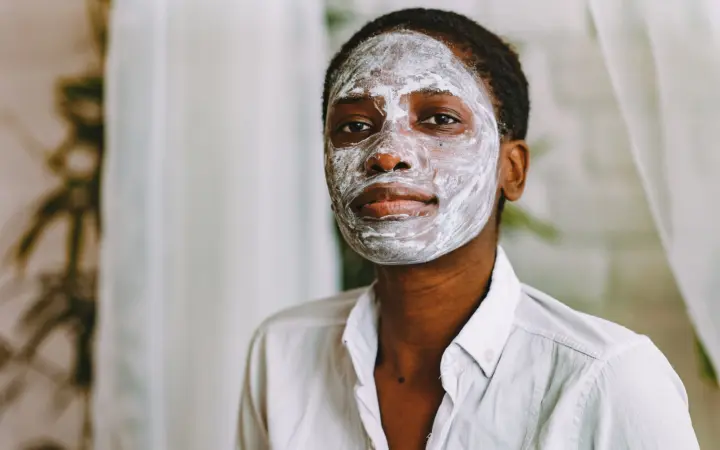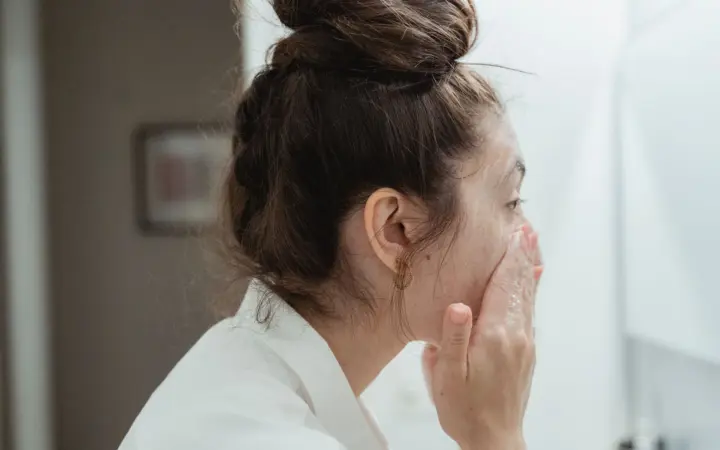


If your skin has started to itch for no clear reason in your forties, perimenopause skin itching is a likely explanation, and you are not imagining it. In a 2025 survey of women attending a menopause clinic, 78 percent reported itchy skin and 76 percent reported dryness, the two most common skin complaints by a wide margin. The driver is falling estrogen. This article covers what the hormone does to your skin, the numbers most pages leave out, what actually helps, and the warning signs that mean your itch is something other than hormones.
Why perimenopause makes your skin itch

Estrogen does more for your skin than most people realize. Estrogen receptors sit throughout the skin, with the highest density in the face, the genital region and the legs, so when estrogen falls during perimenopause these areas often feel it first.
Two changes matter most. The first is water loss. Estrogen helps the outer barrier hold moisture, and a 2022 review in Clinical and Experimental Dermatology notes that estrogen reduces transepidermal water loss, the amount of water that evaporates through the skin. The barrier itself is held together by lipids such as ceramides and cholesterol, the mortar between skin cells. As estrogen drops, that mortar thins, more water escapes, and irritants get in more easily. Dry, barrier-weakened skin is itchy skin.
The second change is collagen. The same review reports that skin loses nearly a third of its collagen in the first five years after menopause, then about 2.1 percent per year over the following 15 years. That loss tracks how long it has been since your final period, not your age in years. Thinner skin with less collagen is more fragile and more easily irritated. Estrogen also shrinks the oil glands when it acts alone, so there is less sebum to seal moisture in.
None of this happens in isolation. Perimenopause overlaps with ordinary skin ageing and years of accumulated sun exposure, both of which independently thin the skin and slow its repair, so the itch rarely has a single cause. Put it together, a weaker barrier, faster water loss, less oil and slower healing, and the skin is left dry, tight and quick to itch. For the fuller picture on collagen as it changes with age, see our guide to collagen supplements for skin elasticity over 40.
How common is perimenopause skin itching?
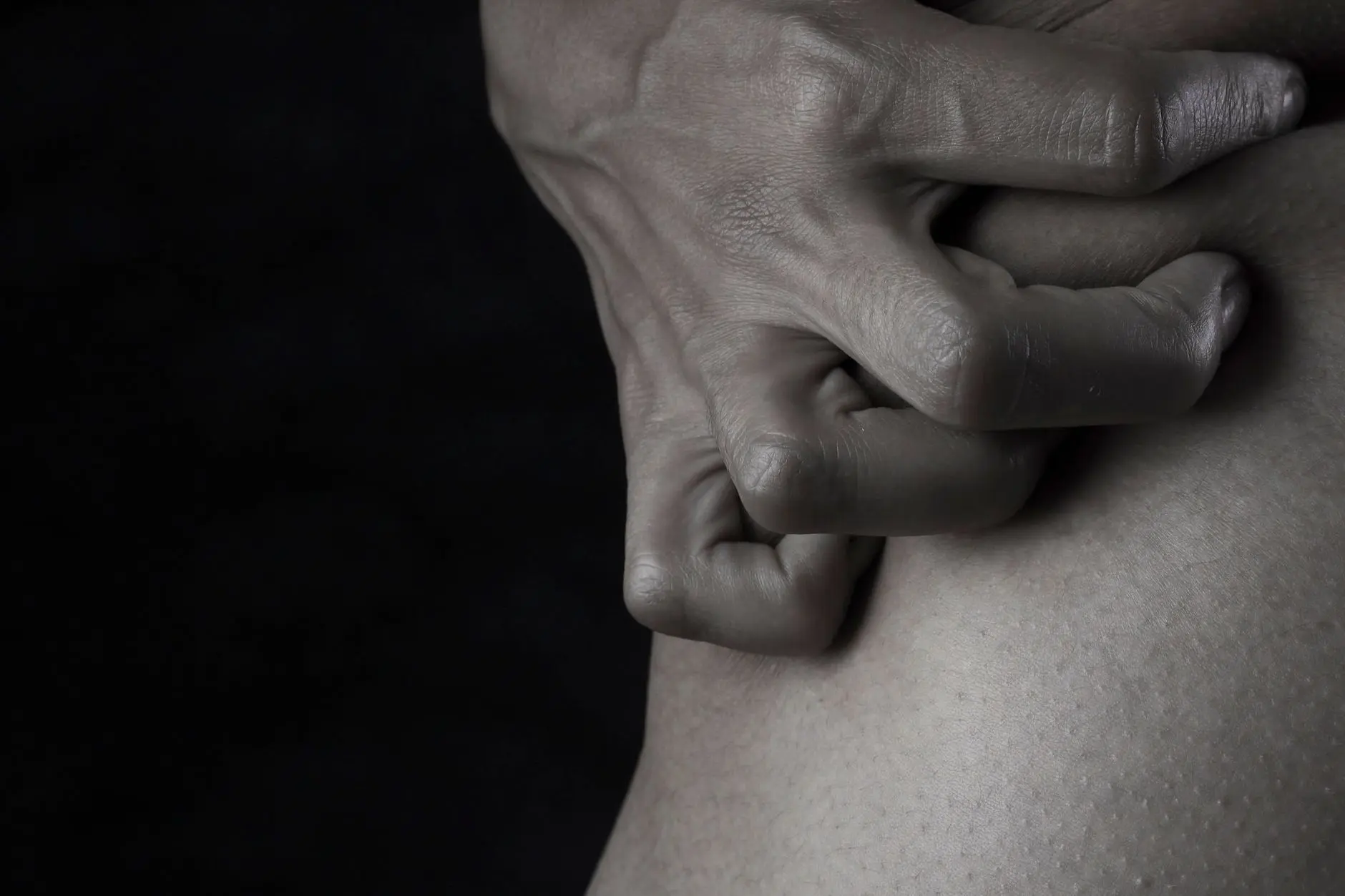
Most articles claim something like “up to 55 percent of women” without naming a source. The honest answer is that solid population figures do not exist yet, but the clinic data we do have is striking. The 2022 review found that as many as 64 percent of women attending menopause clinics report skin problems of some kind. In the 2025 Brighton clinic survey, every single respondent, 100 percent, reported at least one skin symptom, with itch at 78 percent and dryness at 76 percent leading the list.
Those numbers come with a limit worth stating plainly. Both figures come from women who had already sought help at a menopause clinic, so they almost certainly overstate how common itch is across all women in perimenopause. The 2025 survey included only 50 women from a single clinic. Treat the figures as a signal that itch is common and under-discussed, not as a precise rate for the whole population.
The impact is not trivial, though. In that survey the average score on the Dermatology Life Quality Index was 5 out of 30, ranging from 0 to 17. In plain terms, the effect on daily life runs from barely noticeable to genuinely disruptive depending on the woman, and nearly half of those surveyed had tried to manage their skin themselves without ever raising it with a doctor.
Itch without a rash: what formication feels like
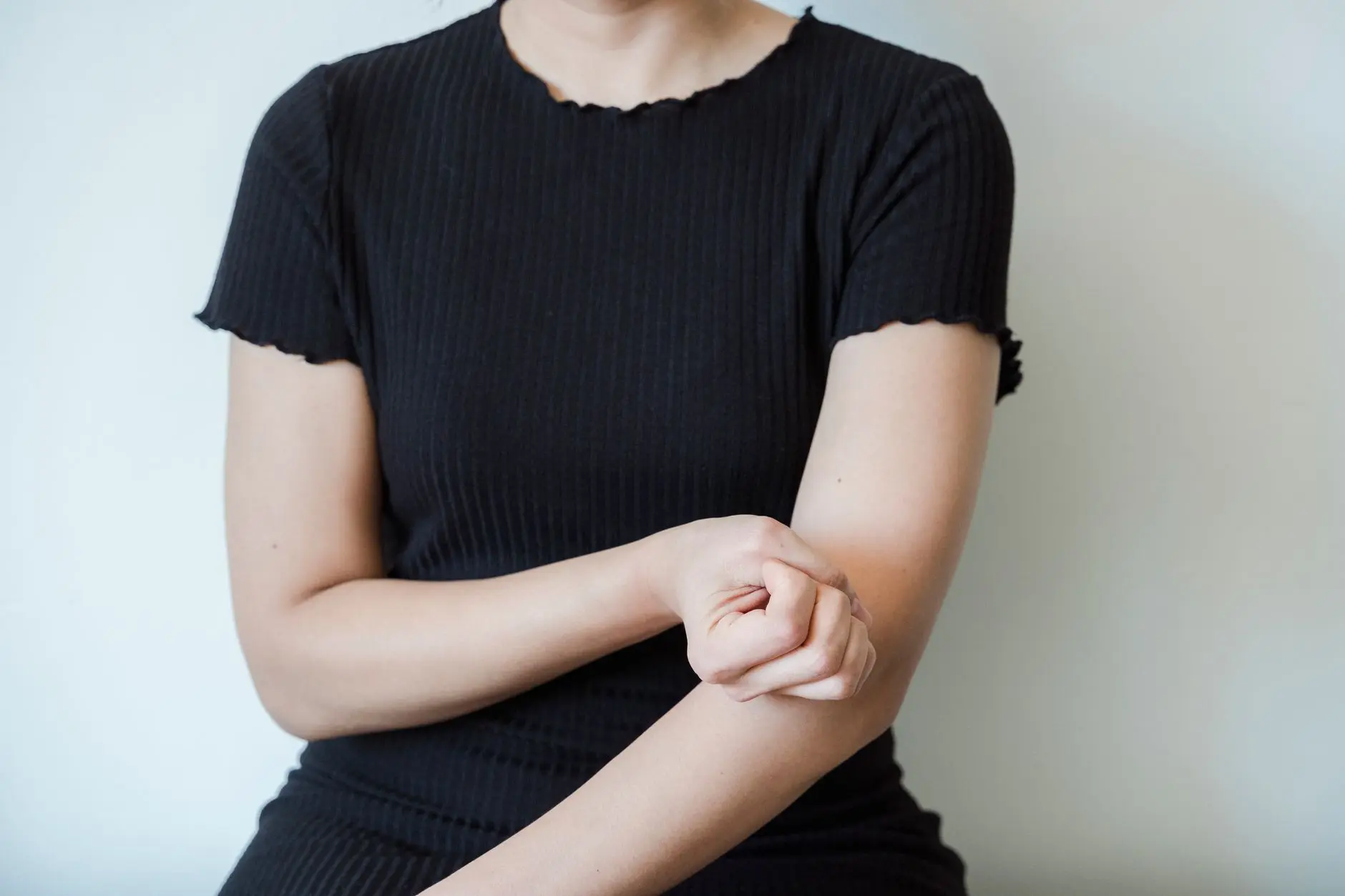
Perimenopause skin itching does not always come with anything you can see. Many women describe a crawling, prickling or tingling feeling on otherwise normal-looking skin, sometimes compared to insects moving across it. The medical term is formication. It can show up on the scalp, the ears, the arms or the legs, and it tends to come and go rather than stay put.
Be cautious with the explanation here. The leading idea is that lower estrogen changes how the skin nerves signal, on top of the dryness already described, but this specific mechanism is not well proven and nobody has measured how often formication happens in perimenopause. Itch can also be very localized: in the 2025 survey, 54 percent of women reported vulval itching, which is driven by the same fall in estrogen but needs its own gentle, fragrance-free care rather than the products you would use on your face.
What actually helps, and what the evidence shows
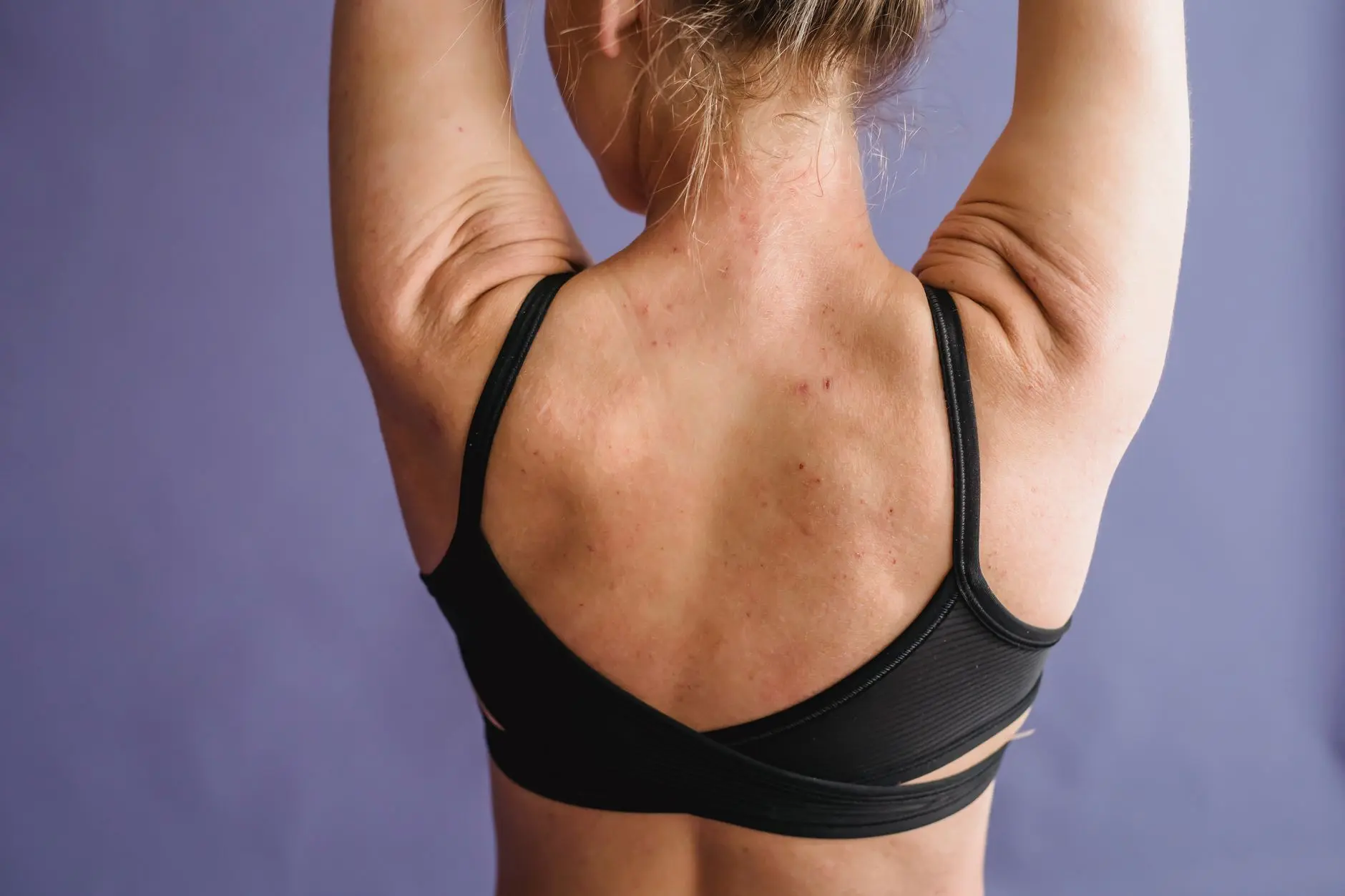
There is no single cure for perimenopause skin itching, but the foundation is barrier repair, and here the research is practical. The 2022 review lists a short set of measures for menopausal itch and dryness: use a low-pH emollient at least once a day, keep your nails short so scratching does less damage, run a humidifier, cut down how long you spend bathing, and avoid irritants, soap included.
A few specifics make those steps work harder. Wash in lukewarm rather than hot water, because heat strips the oils you are trying to keep. Pat dry and apply your moisturizer within a couple of minutes, while the skin is still damp, to trap the water against it. Choose fragrance-free creams or ointments over thin, watery lotions, since added fragrance is one of the most common triggers on already-sensitive skin. Our body skincare routine for anti-aging women walks through this for skin below the neck, where the itch is often worst.
Support the barrier from the inside too, within reason. Dehydration makes dryness worse, so keep your fluids steady; you can estimate a sensible daily target with our water intake calculator. Collagen is built from protein, and many women in this age group fall short of what they need, so it is worth checking your intake against the protein intake calculator. Neither drinking water nor eating more protein will cure itch on its own, but a shortfall in either works against you.
Go easy on active ingredients while the skin is inflamed. Strong retinoids and exfoliating acids can sting and worsen itch on a compromised barrier, so pause them until things settle; our list of natural retinol alternatives for sensitive skin covers gentler options for the meantime. For the broader daily habits that protect ageing skin, see our skin longevity habits for women over 40.
Hormone therapy is the one treatment that addresses the cause rather than the symptom. The 2022 review reports that estrogen therapy increases dermal collagen and skin thickness, with measurable change as early as three months after starting, and that it reduces the water loss behind the dryness. That said, HRT is a whole-body medical decision weighed against your symptoms and risks, not a skincare product, and the evidence that it reliably stops itch specifically is thin. Raise it with your doctor as part of the wider menopause conversation rather than expecting it to work as an itch cure.
How long does it last, and does it get better?
Perimenopause itself usually runs about four to eight years before periods stop for good. Itch tied to dryness can appear early, swing with the hormone ups and downs of this phase, and it does not simply switch off at menopause, because estrogen stays low afterwards. In other words, the trigger is ongoing.
The encouraging part is that the itch responds to care faster than the hormones change. With a consistent gentle routine most women notice the itch calming within one to two weeks. What does not change is the underlying dryness, so the routine has to continue rather than stop the moment the skin feels better. Think of it as maintenance, not a short course of treatment.
When itchy skin is not perimenopause
Most perimenopause skin itching is ordinary dryness, but blaming every itch on hormones is a mistake, because widespread itch with no rash can be the first sign of something that needs treating in its own right. Doctors routinely check for iron deficiency, an over-active or under-active thyroid, liver or bile duct problems, kidney disease and diabetes, and, rarely, blood cancers such as lymphoma. None of these is common as a cause of itch, but none should be missed either.
See a doctor if your itch is severe or stops you sleeping, lasts more than two weeks despite daily moisturizing, covers your whole body, or comes with weight loss, drenching night sweats beyond your usual flushes, yellowing of the skin or eyes, or a rash that spreads. Itch that is clearly tied to dryness and eases when you moisturize is reassuring. Itch that ignores good skin care is a reason to get checked rather than to buy another cream.
A two-week plan to calm the itch
If your perimenopause skin itching looks like ordinary dryness, try this before anything else and watch what changes.
- Switch to a fragrance-free, soap-free wash and lukewarm water only.
- Apply a fragrance-free cream or ointment within two minutes of every wash, and again at night.
- Run a humidifier in the bedroom while you sleep.
- Keep your nails short and reach for a cold compress instead of scratching.
- Pause retinoids, acids and any new active ingredients.
- Keep your fluids and protein steady using the calculators above.
Give it the full two weeks, since barrier repair is not instant. If the itch is clearly better, you have your answer and can keep the routine going as maintenance. If it has not shifted at all, or any of the warning signs above turn up, book a GP or dermatologist visit rather than reaching for yet another product. You can find more of our evidence-based coverage on the skin and ageing hub.
Frequently asked questions
Can perimenopause cause itching all over your body?
Yes. Falling estrogen weakens the skin barrier and dries the skin everywhere estrogen receptors sit, which is most of the body, so the itch can be widespread rather than stuck in one spot. It often appears without any visible rash. If the itch covers your whole body and does not ease with daily moisturizing, see a doctor to rule out causes that have nothing to do with hormones.
What does perimenopause itching feel like?
It ranges from ordinary dry, tight, flaky skin that itches to a crawling or prickling sensation on skin that looks completely normal, a feeling known as formication. It tends to come and go and can affect the scalp, the ears, the limbs and the vulval area. The common thread is that the skin is drier and more reactive than it used to be.
How long does perimenopause itchy skin last?
Perimenopause itself usually lasts about four to eight years, and because estrogen stays low after your periods stop, dryness-related itch can continue into postmenopause. The reassuring part is that with consistent gentle skincare most women see the itch calm within one to two weeks. The dryness underneath is ongoing, so the routine needs to continue rather than stop once things improve.
Does drinking more water help perimenopause itchy skin?
It helps only at the margins. Being dehydrated makes dry skin worse, so keeping your fluids steady is sensible, and you can estimate a target with our water intake calculator. But water alone will not repair a damaged skin barrier. Moisturising and avoiding irritants do far more to settle the itch.
Can HRT stop perimenopause skin itching?
Hormone therapy raises skin collagen and reduces water loss, with changes seen within about three months, so it treats the underlying cause in a way creams cannot. Even so, HRT is prescribed for your overall menopause symptoms and risks, not as a skin treatment, and the proof that it reliably stops itch on its own is limited. Discuss it with your doctor rather than relying on it for the itch alone.
Sources
- Menopause, skin and common dermatoses. Part 2: skin disorders. Clinical and Experimental Dermatology, 2022
- Results of a patient survey exploring skin symptoms in a menopause clinic. Post Reproductive Health, 2025
This article is general health information for adults and not medical advice. It does not know your history, your medication or your results. For a decision about your own health, talk to a doctor or another qualified clinician who does.