


Standard sleep advice was written for people who sleep at night. If you work nights, most of it quietly works against you. Sleep hygiene for night shift workers is its own problem, with its own evidence, and the usual checklist (a fixed 10pm bedtime, no naps, wind down after dark) does not map onto a body that has to sleep through daylight and stay sharp at 3am.
In 2023 a panel of sleep, shift work and occupational health experts reviewed those standard rules and found they often do not fit. Writing in the journal Sleep, 84 percent agreed shift workers need their own tailored guidelines, and they noted that some common advice, such as avoiding daytime naps, directly contradicts fatigue management for night staff. This guide gives the numbers the generic lists skip: when to stop caffeine, how long to nap, what melatonin actually does, and the thresholds that decide whether your daytime sleep holds.
Why sleep hygiene for night shift workers needs its own rules

Good sleep hygiene for night shift workers starts by dropping the rules that assume a night in bed. The expert panel ended up with 18 separate practices built specifically for people on shifts, covering sleep scheduling, napping, the sleep environment, light, substances, diet and exercise. The point was not to add rules but to fix the ones that backfire. Telling a nurse on a run of nights to never nap, or to keep a single fixed sleep time, ignores how her week actually works.
This matters because the cost of getting it wrong is measurable. In a representative study of 2,570 adults, about 10 percent of night and rotating shift workers met the criteria for shift work sleep disorder, the clinical form of this problem. Those who did had more than four times the odds of ulcers (odds ratio 4.18), plus more sleepiness-related accidents, absenteeism and depression than shift workers without it. Night work is also classed by the World Health Organization’s cancer agency as probably carcinogenic to humans and is linked to metabolic and heart problems. You cannot change your roster, but you can protect the sleep around it, and that is where the specifics come in.
Protect your daytime sleep: light, temperature and noise

Daytime sleep is lighter and shorter than night sleep because you are fighting your body clock and the sun. The fixes are physical, not willpower. Your eyelids do not block much light, so a bright bedroom reaches your brain even with your eyes shut. Block it: blackout curtains or blinds, and a sleep mask for the gaps they miss.
Keep the room cool and quiet. Earplugs or a fan or white noise machine mask the daytime sounds of a waking household, traffic and deliveries. One more lever most people get wrong is the nightcap after a shift. Alcohol helps you drop off but its sedative effect fades within a few hours, so it fragments the back half of your sleep, exactly the stretch of daytime sleep that is already fragile. Skip it before day sleep, and keep a heavy meal off the last hour too.
Tell the people you live with your sleep window and treat it as fixed working hours, not a nap you can be pulled out of. The daily setup is short:
- Blackout the room and wear a sleep mask, so daylight cannot reach you through your eyelids.
- Earplugs or steady white noise to cover daytime sound.
- A cool, consistent room temperature and a made-up, screen-free bed.
- No alcohol and no heavy food in the hour before you sleep.
- Phone on do not disturb, with the household briefed on your hours.
If your schedule rotates, lining up a workable pattern matters as much as the room itself, and our guide to the best night shift sleep schedule walks through how to anchor your sleep to the end of your shift.
Time your caffeine instead of quitting it

Most night workers run on caffeine, and the fatigue-management evidence says that is fine, as long as you time it. The mistake is drinking it through the back half of the shift. A controlled trial gave healthy adults 400 mg of caffeine, roughly four cups of brewed coffee, at bedtime, three hours before bed, and six hours before bed. Even the dose taken a full six hours ahead measurably cut their sleep compared with a placebo, and most of them did not notice it had. The authors’ takeaway was blunt: stop substantial caffeine at least six hours before you plan to sleep.
So if you clock off at 7am and want to be asleep by 9am, your last real coffee should be around 3am, not on the drive home. If you are not sure how much is still in your system, a caffeine calculator can estimate what is left by your bedtime. Caffeine is not the enemy of sleep hygiene for night shift workers; untimed caffeine is. Used early in the shift, and paired with a nap, it helps: in the Cochrane review below, caffeine plus a pre-shift nap reduced sleepiness during the night.
Nap with intent, before and during the shift
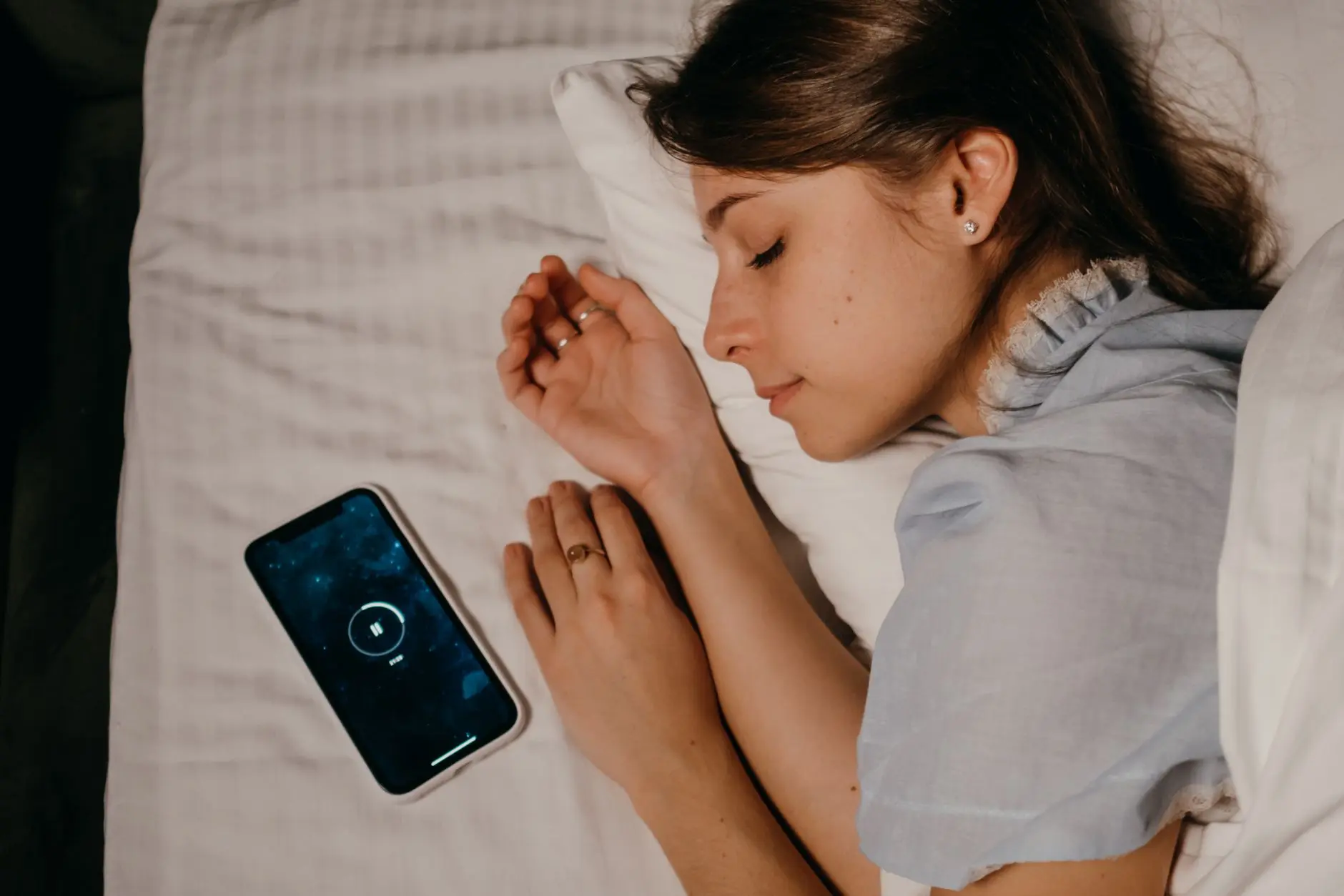
A nap before your first night shift, or on your break, is one of the few tools backed by both sleep and safety research, which is exactly why blanket “no napping” advice fails shift workers. The trick is length. NIOSH’s guidance for nurses points to short naps of about 15 to 30 minutes and waking before deep sleep sets in, usually around the 20 minute mark.
Go past that and you risk sleep inertia, the thick-headed grogginess that can last 30 minutes or more when you wake out of deep sleep. That is worse than not napping if you have to drive or make decisions straight after. If you only have a short break, a 20 minute nap with an alarm beats pushing through. A longer nap of a full 90 minute cycle can work before a night shift when you have the time, but on the clock, keep it short.
Two details decide whether a nap helps. Take your main nap before the shift or early in it, not in the last hours when it will eat into your morning sleep. And if you need to be alert the moment you wake, have your coffee right before the nap: the caffeine takes about 20 minutes to kick in, so it lands just as your alarm goes, trimming the grogginess. This caffeine-then-nap pairing is one of the few combinations with trial evidence behind it for night staff.
Light, melatonin and resetting your body clock
Light is the strongest signal your body clock reads, so use it deliberately. Get bright light early in your shift to stay alert, from the brightest overhead lighting you can, or a light box if your workplace is dim. Then, on the drive home, block the morning sun: wear sunglasses on the way back so your brain does not read sunrise as a wake-up call just before you try to sleep. This one habit does more for daytime sleep than most supplements.
Melatonin is widely sold as the fix, so it is worth being honest about the size of the effect. In a Cochrane review of 15 trials, melatonin at 1 to 10 mg taken after a night shift increased daytime sleep by an average of about 24 minutes versus placebo, with no clear dose-response and low-quality evidence. It is a clock signal, not a sedative, so timing matters more than dose, and it will not knock you out. That is where sleep hygiene for night shift workers pays off most: light and timing do more for daytime sleep than any pill. If you want a non-drug option to try first, see what the evidence says about magnesium for sleep. Talk to a clinician before starting melatonin, especially if you take other medication.
If you are over 40: when perimenopause meets night shifts
For women in their forties and fifties, shift work lands on top of a body clock that is already shifting. Perimenopause fragments sleep on its own through hot flushes, night sweats and a drop in the hormones that steady your sleep, and a daytime sleep window after a night shift is the worst time to ask that system to cooperate. The two problems stack.
The practical answers overlap. A cool, dark room does double duty against both daylight and hot flushes. Protecting the first few hours after your shift, when your sleep drive is highest, gives you the best shot at deep sleep before hormones and daylight start pulling you up. If broken sleep has become the pattern rather than the exception, our guide to perimenopause insomnia covers what helps, and if low mood is riding along with it, the evidence on natural remedies for depression and anxiety is worth a read.
When it is more than sleep hygiene for night shift workers
Good habits fix a lot, but not everything, and knowing the line protects you. If you still cannot fall or stay asleep after several weeks of doing the basics right, if you are fighting sleep at the wheel or nodding off mid-task, or if sleepiness is denting your mood and safety, that is shift work sleep disorder territory and a reason to see a doctor, not to try harder alone.
When you are planning a sleep window, it helps to end it on a full sleep cycle rather than mid-cycle, when waking feels worst. A sleep calculator can map your window in 90 minute cycles around your shift so you wake between cycles. Sleep hygiene for night shift workers is a set of levers you control; a clinician handles the parts you do not.
Frequently asked questions
What is the best sleep schedule for night shift workers?
Go to sleep as soon as reasonably possible after your shift ends, while your sleep drive is highest, rather than running errands first. Keep the same sleep window on work days, and try to shift it only partway on days off so your body clock does not swing wildly. Anchoring sleep to the end of your shift is the core of sleep hygiene for night shift workers, and a consistent daytime window beats a perfect but ever-changing one.
How many hours before bed should night shift workers stop drinking caffeine?
At least six hours. In a controlled trial, 400 mg of caffeine taken six hours before bed still cut measured sleep compared with a placebo, even when people did not feel it. If you finish a night shift at 7am and want to sleep by 9am, make your last real coffee around 3am and use caffeine earlier in the shift, not at the end of it.
Does melatonin help night shift workers sleep during the day?
A little, and honestly less than most people expect. A Cochrane review found melatonin of 1 to 10 mg lengthened daytime sleep by about 24 minutes on average, with low-quality evidence and no clear dose-response. It works as a body-clock signal rather than a sedative, so timing matters more than the dose. Speak to a clinician before using it, especially alongside other medication.
How long should a nap be on a night shift?
About 15 to 30 minutes, set with an alarm. Waking before deep sleep begins, roughly around the 20 minute mark, keeps you clear-headed. A longer nap risks sleep inertia, the heavy grogginess that can last half an hour or more and is dangerous if you have to drive or make decisions straight after. A longer 90 minute nap can help before a shift when you have the time, but keep breaks short.
Why can’t night shift workers just follow normal sleep hygiene advice?
Because much of it assumes you sleep at night. In 2023 an expert panel found that standard guidelines often do not fit shift workers and can even contradict fatigue-management advice, for example by telling people never to nap. Tailored sleep hygiene for night shift workers keeps the useful parts, such as a dark cool room, and replaces the parts that backfire with timing rules for caffeine, naps and light.
Sources
- Healthy sleep practices for shift workers: consensus sleep hygiene guidelines using a Delphi methodology. Sleep (Oxford University Press), 2023
- Pharmacological interventions for sleepiness and sleep disturbances caused by shift work. Cochrane Database of Systematic Reviews, 2014
- Caffeine effects on sleep taken 0, 3, or 6 hours before going to bed. Journal of Clinical Sleep Medicine, 2013
- Shift work sleep disorder: prevalence and consequences beyond that of symptomatic day workers. Sleep, 2004
- NIOSH Training for Nurses on Shift Work and Long Work Hours: Napping, a Napping Strategy. CDC / NIOSH, 2020
- IARC Monographs Volume 124: Night Shift Work. World Health Organization, IARC, 2020
This article is general health information for adults and not medical advice. It does not know your history, your medication or your results. For a decision about your own health, talk to a doctor or another qualified clinician who does.