


Perimenopause insomnia is one of the most common symptoms of the transition and one of the least well handled. Women are told it is hot flashes, handed a list of sleep hygiene tips, and sent home. For a large share of them none of that fits, because they are lying awake at 3am without a single night sweat.
The research is more specific and more useful than the standard advice. It tells you how common this is, what is driving it hormonally, which treatments actually have evidence behind them, and one finding about what treatment can realistically deliver that will change how you judge whether something is working.
How common it actually is
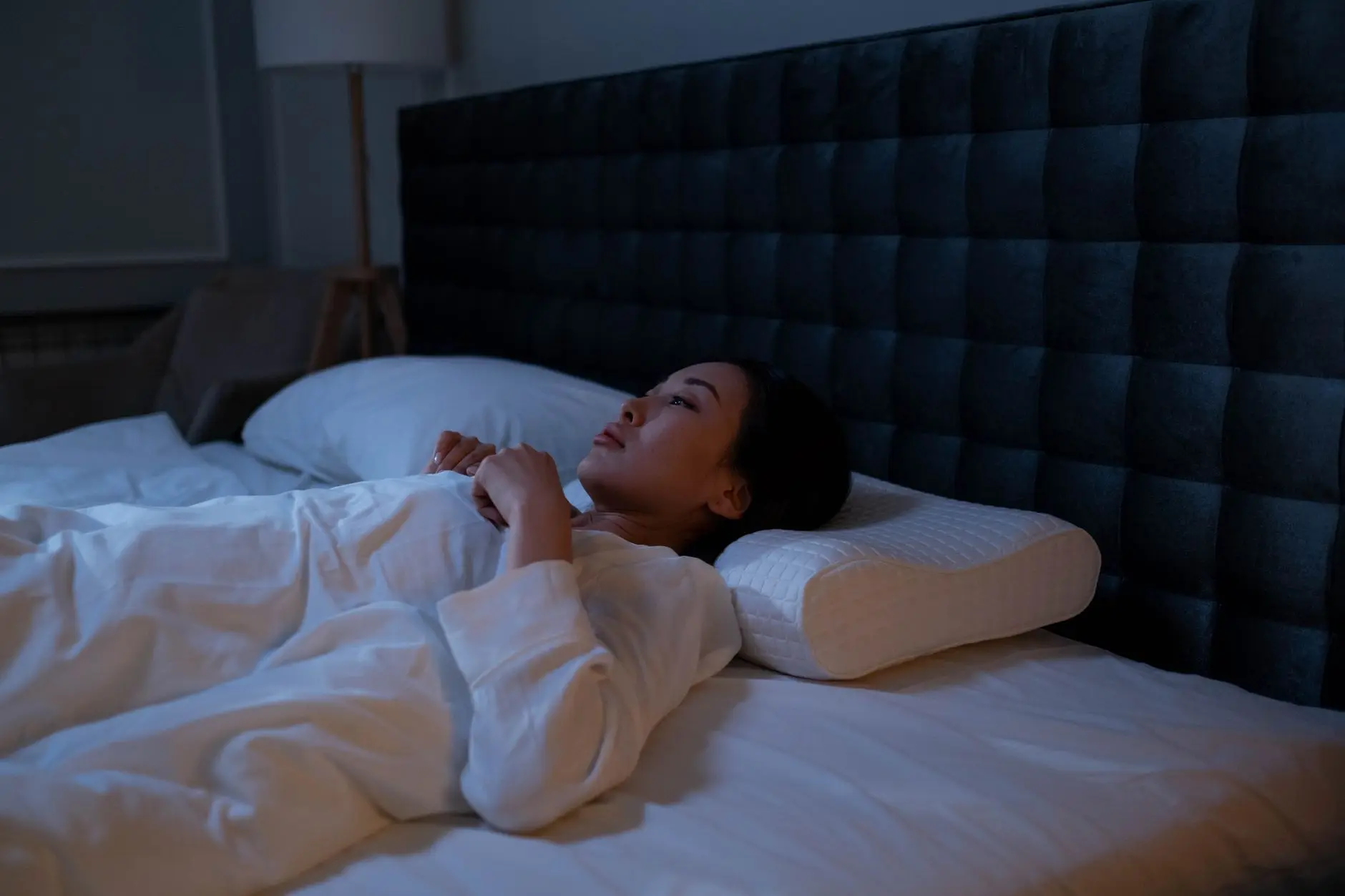
A longitudinal analysis of the Study of Women’s Health Across the Nation, following 3,302 midlife women over ten years, found insomnia symptoms in 31 to 42 percent of perimenopausal women at any given yearly assessment.
It also found that the stage matters. Insomnia symptoms were significantly more prevalent in late perimenopause than early, with the odds 1.3 times higher. If your sleep has deteriorated recently and you have been in this transition for a while, that is a documented pattern rather than something going wrong with you specifically.
The same research notes that insomnia in this group is associated with poorer cardiometabolic outcomes, which is the real argument for treating it rather than waiting it out.
Perimenopause insomnia is not only about hot flashes
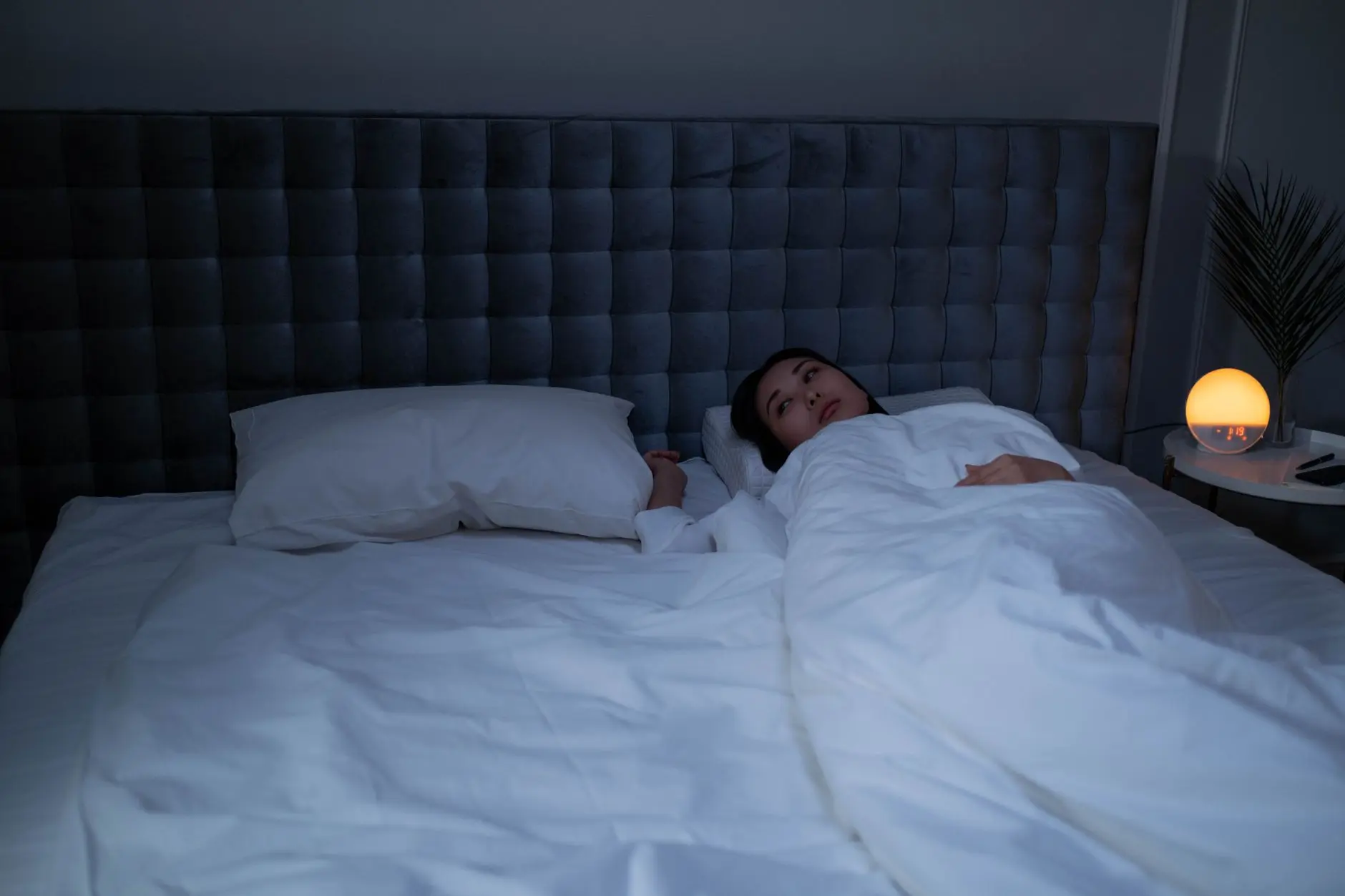
This is the assumption worth dismantling first, because it sends a lot of women down the wrong path. A 2026 systematic review and meta-analysis in Sleep Medicine states plainly that chronic insomnia is highly prevalent during menopause with or without vasomotor symptoms.
Night sweats certainly make it worse. The earlier SWAN sleep analysis published in Sleep, covering 3,045 women aged 42 to 52, found that more frequent vasomotor symptoms raised the odds of every type of sleep difficulty. But they are not the whole story, and treating the hot flashes will not necessarily fix the sleeping.
If night sweats are part of your picture, our guide to habits that reduce perimenopause hot flashes addresses that side directly. Just do not assume it resolves the insomnia on its own.
What is actually happening to your sleep

The SWAN analysis tracked hormones alongside symptoms, which lets it say something more precise than most coverage manages.
Falling estradiol was associated with higher odds of both trouble falling asleep and trouble staying asleep. Rising follicle stimulating hormone was associated specifically with trouble staying asleep. So the two most common complaints in perimenopause insomnia map onto two different hormonal changes, which is part of why a single fix rarely covers both.
There is also a detail almost nobody reports. Difficulty falling and staying asleep increased as women moved through the transition, but early morning awakening actually decreased from late perimenopause into postmenopause. The pattern shifts rather than simply worsening across the board, and that is genuinely encouraging if waking at 4am is your particular version of this.
The 3am waking that so many women describe fits this picture. Waking in the small hours and being unable to get back down is trouble staying asleep rather than trouble falling asleep, and that is the complaint the SWAN data ties to rising follicle stimulating hormone as well as to falling estradiol. It is also the version most likely to come with a mind that switches straight on, because being awake at an hour when you expected to be asleep is itself alarming. That combination, a physiological wake-up followed by an anxious reaction to it, is what turns a brief awakening into two lost hours.
Anxiety and a racing mind at night are common alongside these changes. If your nights are more about a nervous system that will not settle than about heat, our guide to the signs of a dysregulated nervous system covers that pattern.
Why the standard sleep hygiene list does not fix this
Most women arriving at perimenopause insomnia have already tried the familiar list. Dim the lights, no screens, cooler room, no caffeine after lunch. Those things are sensible, and for a short run of bad nights they are often enough.
They fall short here for a specific reason. Sleep hygiene is designed to remove obstacles to sleep, and it assumes that once the obstacles are gone, sleep returns. Chronic insomnia does not work that way. By the time it has lasted weeks, a second problem has developed on top of the original trigger: the bed itself has become associated with being awake and frustrated, and anxiety about sleeping now keeps you awake independently of whatever started it. Removing screens does nothing about that learned association.
This is precisely what cognitive behavioural therapy for insomnia targets, and it is why the research keeps separating the two. In trials, generic sleep hygiene education is routinely used as the comparison group that the real treatment is measured against.
What the treatment evidence supports
The 2026 Sleep Medicine review pooled randomised controlled trials of both drug and non-drug treatments in peri- and postmenopausal women with chronic insomnia. Twenty-four studies made the qualitative synthesis and 17 the meta-analysis, with methodological quality rated good to excellent.
Non-pharmacological treatment significantly improved both of the standard sleep measures used, the Pittsburgh Sleep Quality Index and the Insomnia Severity Index. Pharmacological treatment improved only the first of those. The authors conclude that non-drug approaches, particularly cognitive behavioural therapy for insomnia and techniques that reduce sympathetic hyperarousal such as yoga, acupuncture and massage, are the best-supported first-line options, while drug treatments still need longer and better designed studies to establish long-term efficacy and safety.
That conclusion carries extra weight because one of the authors declares consulting and speaking relationships with several pharmaceutical companies. A review with those ties landing on non-drug treatment as first line is not a finding anyone had an incentive to manufacture.
The expectation worth adjusting
Here is the finding that should change how you judge progress. In that meta-analysis, neither objective nor subjective total sleep time was modified by any of the treatments. Not by the drugs, not by the behavioural approaches.
What improved was sleep quality and insomnia severity. In other words, effective treatment for perimenopause insomnia makes your sleep feel better and function better without necessarily adding hours to it. If you are measuring success purely by whether you are getting eight hours, you will conclude that everything has failed even when something is working.
This also explains why sleep trackers make many women feel worse during this stage. A device reporting six hours and twenty minutes tells you nothing about whether the night was restorative, and fixating on that number tends to drive the anxiety that keeps people awake.
Where to start
Given the evidence, CBT-I is the thing to pursue first, and it is available through digital programmes without a referral. Its core components are behavioural rather than inspirational: keep a consistent wake time regardless of how the night went, get out of bed when you have been awake and frustrated for twenty minutes or so, and stop using the bed for anything except sleep and sex. Our sleep calculator helps you work backwards from a fixed wake time to a realistic bedtime, which is more useful than chasing a target number of hours.
Caffeine deserves particular attention during this stage, because tolerance often changes and the amount you handled comfortably at 35 may not work at 47. Our caffeine calculator shows how much is still in your system at bedtime. Keep the bedroom genuinely cool, since even without full night sweats, temperature regulation shifts in this phase. And if you want to try magnesium, our guide to magnesium glycinate for sleep and anxiety covers what it can and cannot do.
What about hormone therapy
The SWAN analysis found that postmenopausal women using hormones generally had lower odds of disturbed sleep than those who were not. That is worth knowing and worth raising with your doctor.
It is also observational rather than a trial, which means it cannot establish that hormones caused the better sleep. Women who choose hormone therapy differ from women who do not in many ways that affect sleep. Hormone therapy is a legitimate option with real benefits and real considerations, and whether it suits you depends on your symptoms, your history and your risk profile. That is a conversation with a doctor who knows all three, not a decision to make from an article. Our overview of perimenopause symptom relief sets out the broader range of options.
When to get help rather than keep reading
Speak to a doctor if the insomnia has persisted for more than a few weeks, if daytime functioning is suffering, or if low mood or anxiety are travelling with it, since those are common in this transition and treatable.
Two specific things are worth naming, because both are frequently missed in midlife women and neither responds to sleep advice. Obstructive sleep apnoea becomes more common after menopause and often presents differently in women than the textbook picture, so mention any snoring, gasping or unrefreshing sleep despite adequate hours. Restless legs is also common, treatable, and easy to dismiss as ordinary discomfort. Asking about both is reasonable and specific, and it is a better use of an appointment than asking generally about being tired.
Frequently asked questions
How long does perimenopause insomnia last?
It varies, and the pattern shifts rather than simply persisting. SWAN data shows difficulty falling and staying asleep increases as women move through the transition, while early morning awakening decreases from late perimenopause into postmenopause. Insomnia symptoms were also more common in late perimenopause than early, with 1.3 times the odds. It is not something to simply wait out, since insomnia in this group is linked to poorer cardiometabolic outcomes.
Can you have perimenopause insomnia without hot flashes?
Yes, and this is commonly misunderstood. A 2026 systematic review states that chronic insomnia is highly prevalent during menopause with or without vasomotor symptoms. Night sweats make sleep worse when present, but plenty of women have significant insomnia with no heat symptoms at all, and treating hot flashes does not automatically resolve the sleeping problem.
What is the best treatment for insomnia in perimenopause?
The 2026 meta-analysis of 17 randomised trials concluded that non-pharmacological approaches are the best-supported first-line option, particularly cognitive behavioural therapy for insomnia and techniques that reduce sympathetic arousal such as yoga, acupuncture and massage. Non-drug treatment improved both standard sleep measures, while drug treatment improved only one, and the authors noted that medications still lack good long-term efficacy and safety data in this group.
Will treatment give me more hours of sleep?
Probably not, and this is the most useful expectation to adjust. In the meta-analysis, neither objective nor subjective total sleep time changed with any treatment, drug or otherwise. What improved was sleep quality and insomnia severity. Effective treatment tends to make sleep feel and function better rather than adding hours, so judging success by total time will make working treatments look like failures.
Does hormone therapy help with sleep?
SWAN found that women using hormones generally had lower odds of disturbed sleep, but that is observational data and cannot prove hormones caused the improvement. Hormone therapy is a legitimate option with genuine benefits and genuine considerations, and whether it fits depends on your symptoms, medical history and risk profile. It is a discussion to have with your doctor.
Sources
- Longitudinal Study of Insomnia Symptoms Among Women During Perimenopause. Journal of Obstetric, Gynecologic and Neonatal Nursing, 2017
- Sleep disturbance during the menopausal transition in a multi-ethnic community sample of women. Sleep (Study of Women's Health Across the Nation), 2008
- Pharmacological and non-pharmacological treatments for chronic insomnia in perimenopausal and postmenopausal women: a systematic review and meta-analysis. Sleep Medicine, 2026
This article is general health information for adults and not medical advice. It does not know your history, your medication or your results. For a decision about your own health, talk to a doctor or another qualified clinician who does.