

Ozempic can quiet hunger so well that many women end up eating far too little, and too little of the foods that matter most. That is the real risk, not the drug itself. In the STEP 1 trial, adults on semaglutide 2.4 mg lost 14.9 percent of their body weight over 68 weeks, far more than the 2.4 percent on placebo. Loss that fast takes muscle along with fat unless you eat to protect it. The best foods to eat while on Ozempic are the ones that hold on to muscle, keep your gut moving and steady your blood sugar while your appetite sits low. This guide gives you the numbers, not just a shopping list, with women over 40 in mind.
What the best foods to eat while on Ozempic actually have to do
Ozempic is semaglutide, a GLP-1 receptor agonist. Its prescribing information says it slows how fast the stomach empties, and it is approved to improve blood sugar in type 2 diabetes, not to treat obesity. Slower emptying is why you feel full on less, and why a heavy meal can sit and turn to nausea.
When you eat much less, your body does not only burn fat. It can break down muscle for fuel as well. That is the quiet cost of fast weight loss, and it hits harder after 40 because muscle is already declining with age. Around perimenopause the loss speeds up as estrogen falls, and the same shift pulls at bone, so under-eating during these years costs more than it would at 25. So the goal is not to eat as little as possible. It is to make each smaller meal carry enough protein, fiber and water to keep you strong while the weight comes off.
Protein first, and the number that protects your muscle
Protein is the one you cannot afford to get wrong. The PROT-AGE expert group recommends that older adults eat at least 1.0 to 1.2 grams of protein per kilogram of body weight each day to keep muscle and function. For a woman who weighs 70 kilograms, about 154 pounds, that is roughly 70 to 84 grams a day. Muscle loss speeds up from the mid 40s, so aiming toward that range matters well before 65.
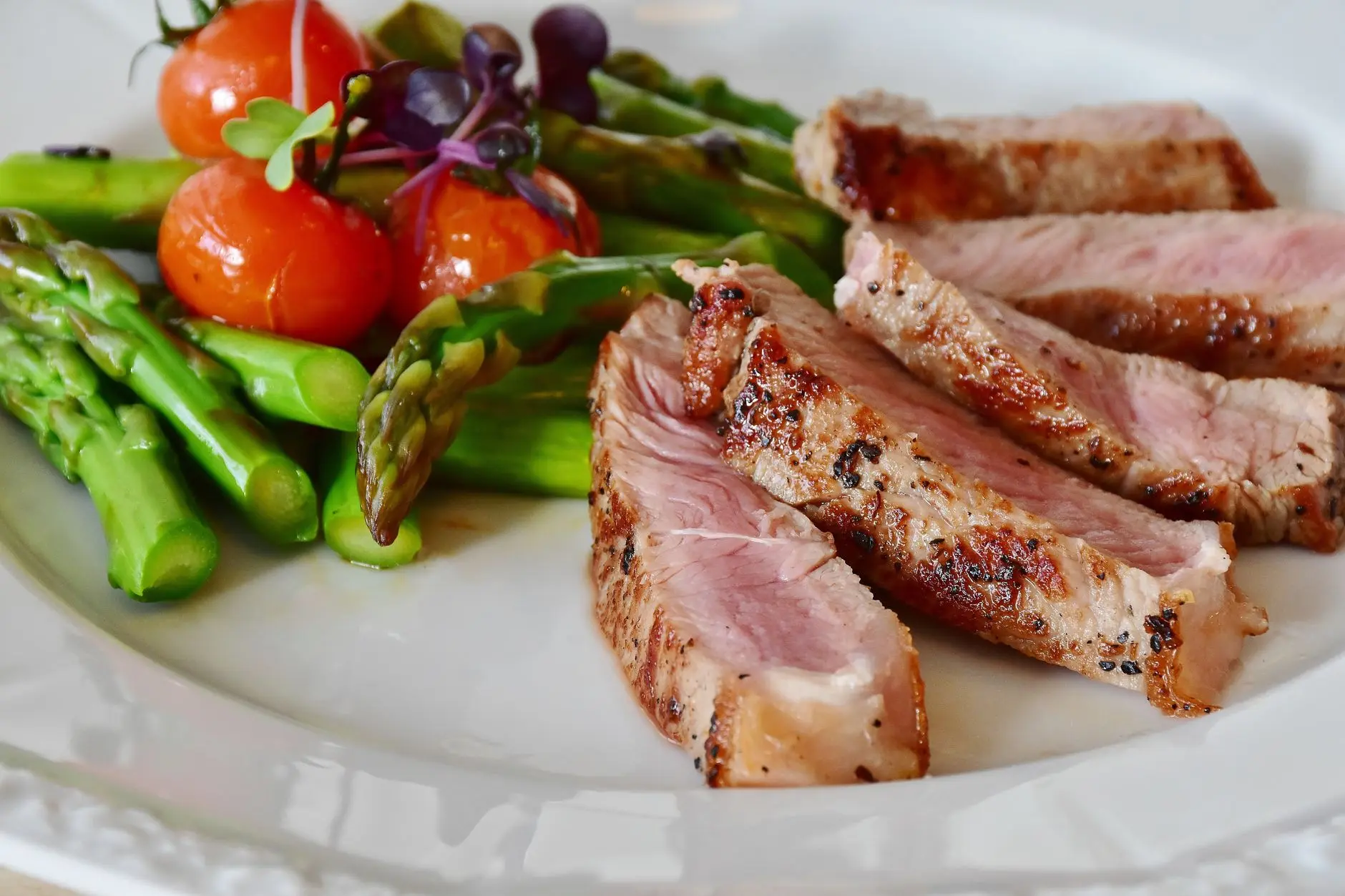
Spread it out. The body handles protein better in 25 to 30 gram portions at each meal than in one large serving at dinner. Reliable sources are eggs, plain Greek yogurt, cottage cheese, fish, chicken, turkey, tofu, lentils and beans. A review of weight loss studies found that higher-protein diets kept more lean mass than lower-protein ones at the same calorie deficit. That is why protein sits at the top of any list of the best foods to eat while on Ozempic.
If you want a target instead of a guess, the protein intake calculator turns your weight into daily grams. For meals that hit the number without many calories, see our guide to high protein, low calorie meals.
Fiber and fluids: the 28 gram target most women miss
Because the drug slows your gut, constipation is one of the most common complaints on Ozempic. Fiber is the fix, and most women fall short of it. The FDA sets the Daily Value for fiber at 28 grams a day, and the average intake sits around half that.
Build fiber from food rather than a pill: beans, lentils, oats, chia seeds, berries, pears with the skin on, broccoli and leafy greens. Start with one bean or lentil based meal a day and build from there, since legumes are among the most fiber-dense foods you can add and they bring protein with them. Add it slowly so your gut can adjust, and drink water steadily through the day. Fiber without enough fluid makes constipation worse, not better. Fiber and fluids belong near the top of the best foods to eat while on Ozempic for exactly this reason.
Vegetables, whole fruit and carbs that do not spike you
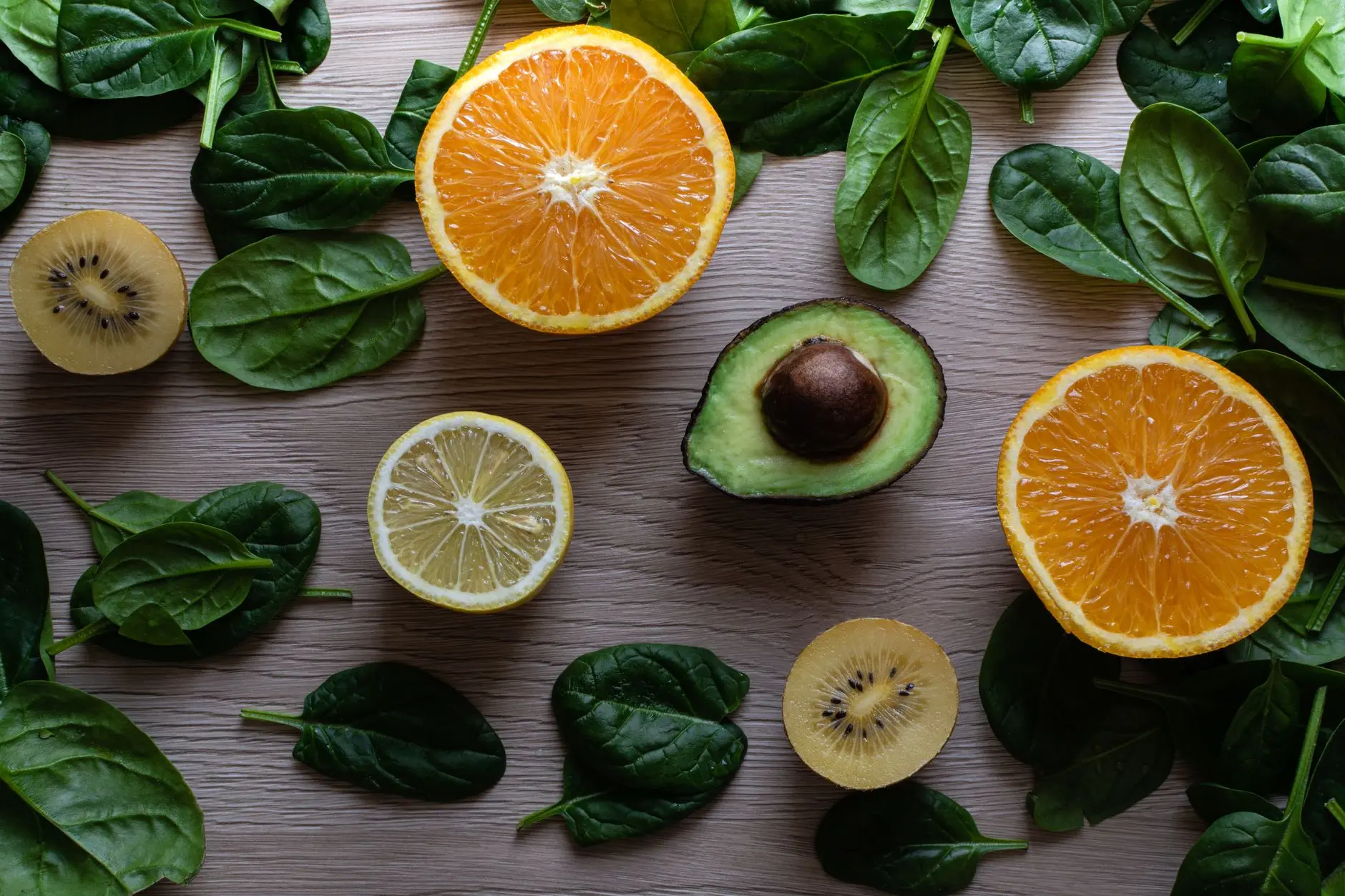
Non-starchy vegetables give you the most food for the fewest calories: spinach, peppers, courgette, cauliflower, green beans and tomatoes. Fill half your plate with them and you get fullness and fiber without crowding out protein.
Whole fruit keeps its fiber, so it raises blood sugar more gently than juice. Apples, pears, oranges and berries are easy wins. With grains, choose intact ones such as oats, quinoa and brown rice over white bread and refined cereal, and keep starchy foods like potatoes and white rice to smaller portions. Steadier blood sugar means fewer energy dips and less of the hunger that makes a plan fall apart. If progress stalls despite doing this, read why a weight loss plateau can last longer than you expect.
When your appetite is low, convenience decides what you actually eat. Keep the freezer stocked with plain frozen vegetables and berries, and cook protein in batches, so a filling plate is a two minute job on the days you would otherwise skip it. The best meal is the one you will actually eat, and a handful of frozen spinach stirred into eggs beats a fresh salad that sits forgotten in the drawer.
Foods and drinks that make the side effects worse
Fatty, fried and greasy meals are the main trigger for nausea. They leave the stomach slowly on their own, and Ozempic slows that further, so they linger and bring reflux and queasiness. Large portions do the same, so stop when you are comfortably full rather than clearing the plate.
Alcohol is worth limiting. On a slow-emptying stomach it raises the risk of nausea and of low blood sugar, especially without food. Sugary drinks and sweets spike blood sugar and then drop it, which feeds cravings. If reflux is a problem, keep your last meal a few hours before bed and stay upright for a while afterward, since lying down on a full, slow stomach pushes acid the wrong way. Knowing what to hold back is the other half of the best foods to eat while on Ozempic. If you are trying to lose weight without extra workouts, our piece on losing weight without exercise covers the eating side in more detail.
Eat on a schedule, not only when hunger shows up
This is the step women on Ozempic miss most. When the drug takes your appetite away, it is easy to go most of the day on coffee and a few bites, then wonder why you feel weak and why the scale has stalled. Hunger is no longer a reliable signal to eat, so use the clock instead.
Aim for something every three to four hours, even when you are not hungry, and anchor each of those small meals with protein. A boiled egg, a pot of Greek yogurt, a handful of roasted chickpeas or a few slices of turkey all count. Keep two or three easy, protein-first options ready so that a low-appetite day does not turn into a no-protein day. Smaller plates help as well, because a full large plate can look like too much and put you off eating at all. The target is steady fuel across the day, not a heroic fast.
A simple day of the best foods to eat while on Ozempic
Here is how the numbers come together on a normal day, built around protein and fiber while your appetite is low:
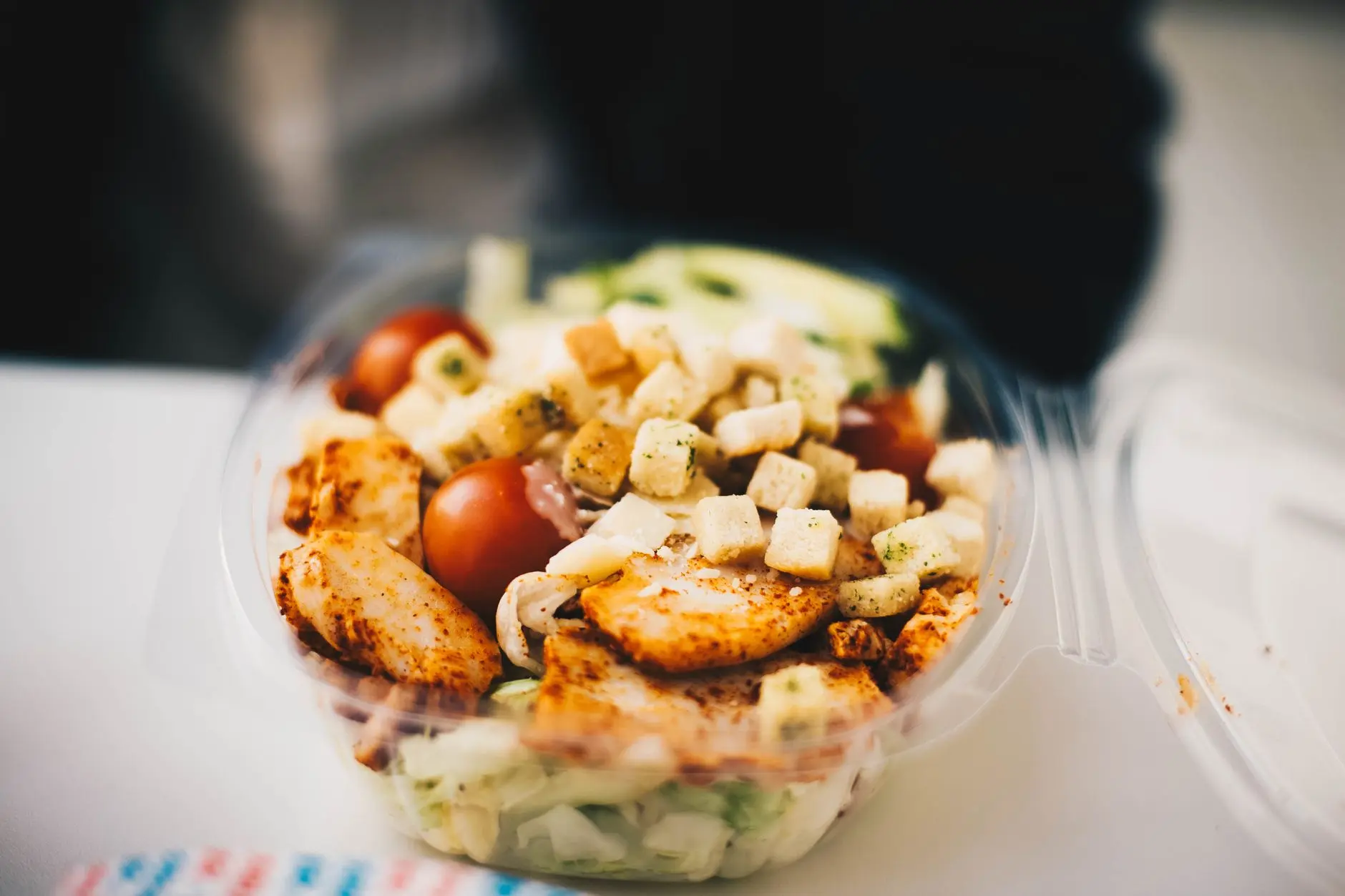
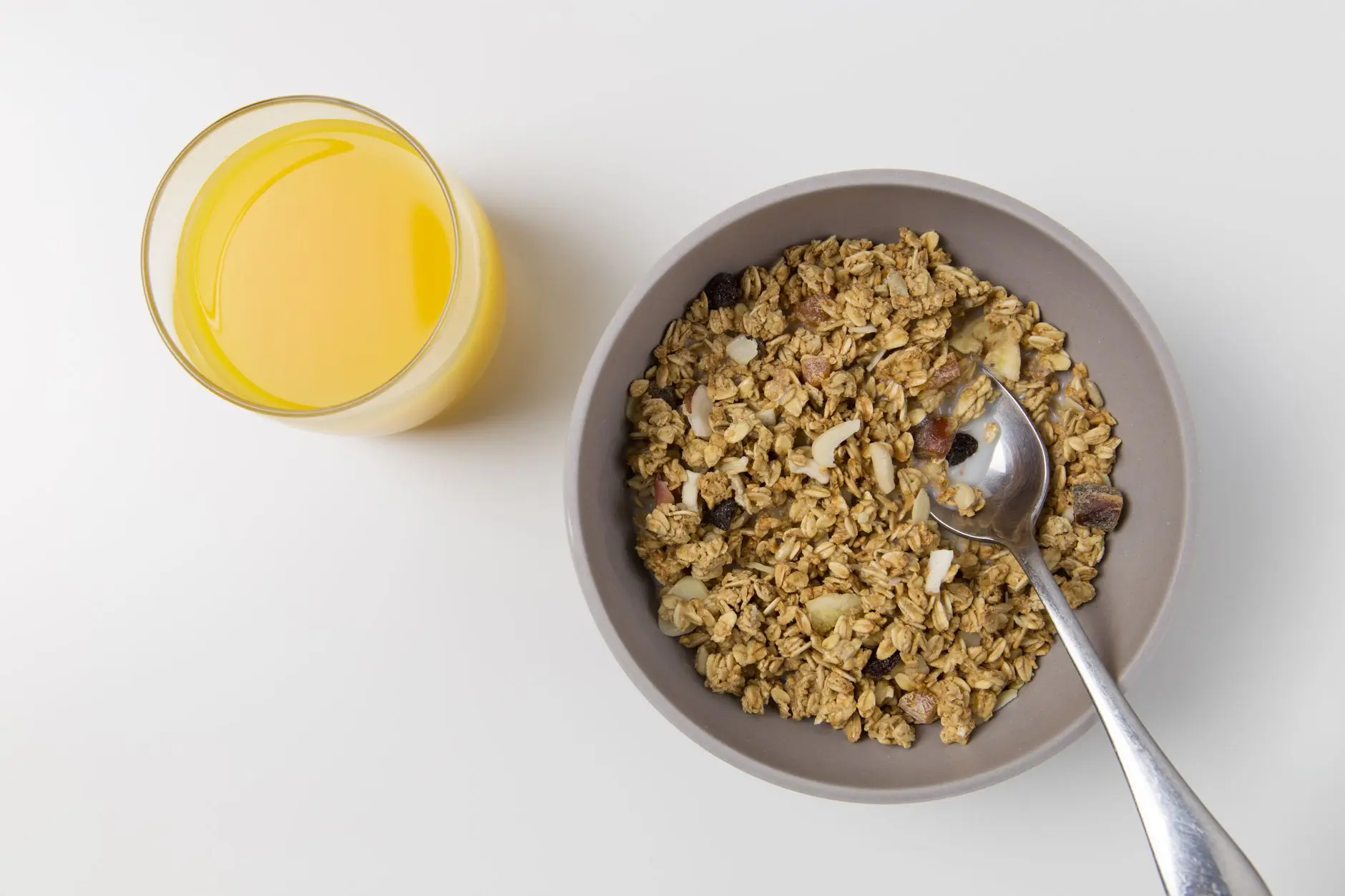
- Breakfast: plain Greek yogurt with berries and a tablespoon of chia seeds, about 20 grams of protein and 8 grams of fiber.
- Lunch: chicken or tofu over a lentil and vegetable salad, about 30 grams of protein and 10 grams of fiber.
- Snack: cottage cheese or a boiled egg if you are hungry, about 12 grams of protein.
- Dinner: salmon with broccoli and a small serving of quinoa, about 30 grams of protein and 8 grams of fiber.
That lands near 90 grams of protein and 28 grams of fiber without feeling like a lot of food. To find the calorie range that fits your body and a gentle deficit, use the calorie calculator, and browse our meals for more combinations. Pairing this with daily habits that support metabolism after 40 protects your muscle further. Rotate the proteins and vegetables through the week so you are not eating the same two plates on repeat, which is the quickest way to give up on the whole thing.
What the label actually says about Ozempic and weight
One honest point that most food lists skip. The headline 14.9 percent figure comes from semaglutide at a 2.4 milligram dose, which is sold for weight management under the name Wegovy. Ozempic is the same medicine at the doses approved for type 2 diabetes, up to 2.0 milligrams, and it is prescribed off label for weight loss. Food does not change what the drug is approved to do.
What food does change is how much of your loss is fat and how much is muscle, how your gut feels, and whether you have the energy to keep going. Research directly comparing specific diets alongside these drugs is still thin, so treat any rigid plan with caution. Flag any food that reliably leaves you feeling worse to your clinician too, since steady nausea can be a sign the dose or the timing needs a change rather than a new diet. No single list of the best foods to eat while on Ozempic replaces a conversation with the prescriber or dietitian who knows your history.
Frequently asked questions
What foods should I avoid while on Ozempic?
The biggest triggers for nausea are fatty, fried and greasy meals, because they leave the stomach slowly and Ozempic slows that further. Large portions, alcohol and sugary drinks also tend to cause trouble. You do not have to ban any single food, but keeping these small makes side effects easier to manage.
How much protein should I eat on Ozempic?
A useful target for an adult trying to hold on to muscle is at least 1.0 to 1.2 grams of protein per kilogram of body weight a day, which is roughly 70 to 84 grams for a 70 kilogram woman. Spreading it across meals in 25 to 30 gram portions works better than one large serving at night.
Can I eat carbs while on Ozempic?
Yes. The useful change is the type and the portion, not cutting carbs out. Whole fruit, oats, quinoa, beans and brown rice keep their fiber and raise blood sugar gently, while white bread, sweets and sugary drinks spike it. Keep starchy sides smaller and pair them with protein.
Will the right foods stop Ozempic nausea?
They help, but they are not a guarantee. Smaller, lower-fat meals eaten slowly, with no lying down straight after, reduce nausea for many people. If nausea or vomiting is severe or lasting, tell your prescriber, who may adjust your dose.
Do I need to eat less on Ozempic?
The drug already lowers your appetite, so the aim is not to force yourself to eat as little as possible. Eating too little makes muscle loss worse. Focus on getting enough protein and fiber into smaller meals rather than skipping them.
Sources
- Once-Weekly Semaglutide in Adults with Overweight or Obesity (STEP 1). New England Journal of Medicine, 2021
- Ozempic (semaglutide) Prescribing Information. DailyMed, U.S. National Library of Medicine, 2025
- Daily Value on the Nutrition and Supplement Facts Labels. U.S. Food and Drug Administration, 2024
- Evidence-based recommendations for optimal dietary protein intake in older people (PROT-AGE). Journal of the American Medical Directors Association, 2013
- The role of protein in weight loss and maintenance. American Journal of Clinical Nutrition, 2015
This article is general health information for adults and not medical advice. It does not know your history, your medication or your results. For a decision about your own health, talk to a doctor or another qualified clinician who does.


