


If you have ever stood in front of a shelf of collagen tubs, you have met the real problem. Every label promises firmer, younger skin, and none of them tells you what actually changed in a study. The collagen best for skin is not a brand name. It is a form, a type, and above all a dose that matches what researchers really gave people. This guide works through each of those choices using the numbers from human trials, so you can read a label and know what you are paying for, and what the evidence still cannot promise.
Most of the skin research was done on women in their late thirties through their sixties, the group that tends to buy collagen in the first place. If you are in perimenopause or past it, that is good news: the trials were run on skin a lot like yours.
What “best” actually means for collagen and skin

Collagen is a large protein, and in the tubs you can buy it comes in a few forms. Gelatin is collagen partly broken down, the kind that sets a dessert. Hydrolyzed collagen, also sold as collagen peptides or collagen hydrolysate, is broken down further into short chains your gut can absorb. Native or undenatured collagen is the whole protein, usually sold for joints rather than skin.
This matters because when researchers test the collagen best for skin, they almost always use hydrolyzed peptides, not gelatin and not a cream. Every trial below used collagen you swallow. A collagen cream sits on the surface of your skin, where the molecule is far too large to reach the layer that ages. So the first filter is simple: for skin, you want hydrolyzed collagen peptides you drink, and you can ignore the word “collagen” printed on a jar of moisturizer.
The dose is the decision, not the brand
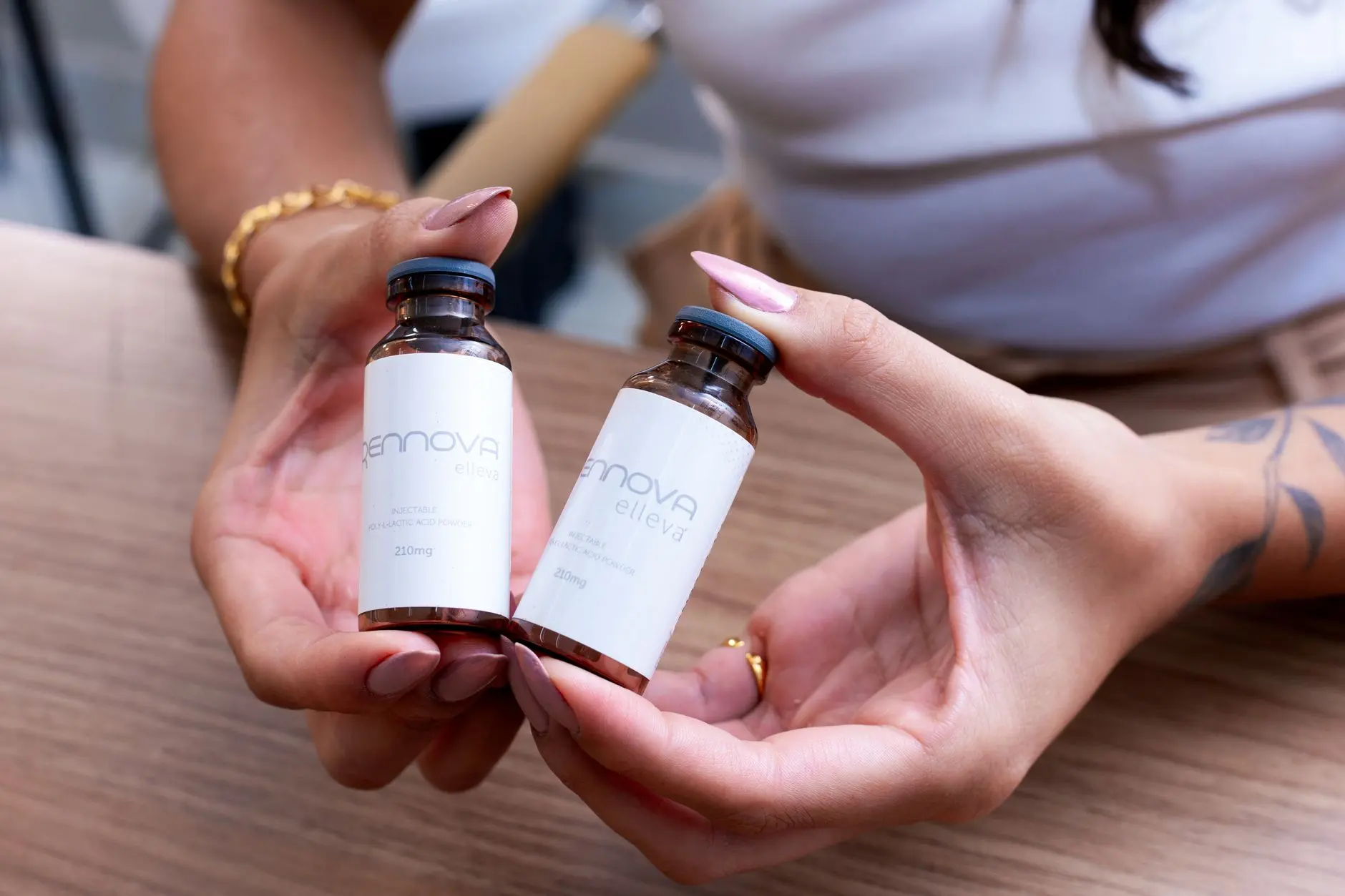
Here is the part the labels bury. In a double-blind, placebo-controlled trial, 69 women aged 35 to 55 took either 2.5 grams or 5 grams of collagen peptides, or a placebo, once a day for 8 weeks. Skin elasticity improved significantly in both collagen groups compared with placebo, and in older women the gain was still measurable 4 weeks after they stopped.
A second trial from the same group followed 114 women aged 45 to 65 on 2.5 grams of a specific collagen peptide a day for 8 weeks. Eye wrinkle volume dropped by about 20 percent against placebo, and skin biopsies showed 65 percent more procollagen type I and 18 percent more elastin, the proteins that keep skin springy.
Read those doses again: 2.5 grams did the work. That is the number that separates the collagen best for skin from an expensive placebo, not the logo on the tub. Many products serve 10 to 20 grams per scoop, which is fine and safe, but that larger dose is aimed at protein and joints, not at some extra skin benefit the research has shown. If a product hides its collagen inside a “beauty blend” and will not print the grams, put it back. For the peptide studies in more depth, see what the collagen peptide trials found and how they play out for collagen and skin elasticity after 40.
Type I, type III, and the number on the label

Collagen comes in several types. Type I is the main one in skin and the one every skin trial above used. Type III often sits beside it in skin and blood vessels. Type II is cartilage collagen, sold for joints, and it has little to do with wrinkles. So a label that says “type I” or “type I and III” is pointed at skin. A product selling you type II for your face is selling you the wrong tissue.
Past that, the type number matters less than marketing suggests. What the skin studies share is not a magic ratio of types, it is hydrolyzed type I peptides at a real dose. If a tub lists five different types as its main selling point, that is breadth for the marketing copy, not extra evidence for your face.
Marine, bovine, or “vegan collagen”: does the source change your result?

Collagen peptides are pulled from fish skin and scales (marine), cow hide and bone (bovine), or pork. Marine collagen is mostly type I with slightly smaller peptides, which is why it gets marketed as better absorbed. Bovine gives you type I and III together. The sales pages make a lot of this difference.
The best evidence does not. A 2023 systematic review pooled 26 randomized trials covering 1,721 people and found that hydrolyzed collagen significantly improved both skin hydration and elasticity against placebo. When the authors compared collagen from different sources, they found no significant difference in the effect on skin elasticity.
In plain terms, no single source is clearly the collagen best for skin. Marine is a reasonable pick if you avoid beef or want the smaller peptides and do not mind the higher price. Bovine is usually cheaper and works just as well. Taste and sustainability can tip the choice too: marine peptides sometimes carry a faint sea smell, which is why some brands add a little flavoring to cover it. “Vegan collagen” is a different thing: it contains no collagen at all, only nutrients like vitamin C and amino acids meant to support the collagen your own body makes. That can help, but it is not the peptides the trials tested.
How to choose the collagen best for skin
Put all of that together and a label check takes about ten seconds:
- Form: it must say hydrolyzed collagen, collagen peptides, or collagen hydrolysate. Not a cream, not gelatin.
- Type: type I, or type I and III. Skip type II blends sold for the face.
- Dose: at least 2.5 grams of collagen per serving, stated plainly in grams. More is fine, but 2.5 to 5 grams is the range the skin trials used.
- Proof it is what it says: third-party tested, a short ingredient list, no “proprietary blend” hiding the collagen amount.
- Vitamin C: a bonus, not a requirement. Your body needs vitamin C to build collagen, so pairing the two is sensible, but food covers it.
One point the powders will not make: your skin builds collagen out of amino acids, so your overall protein intake sets the floor. A scoop of peptides on top of a low-protein diet is working against the tide. If you are not sure where you stand, the protein intake calculator gives you a daily target, and the water intake calculator helps you anchor hydration, which skin needs too. Getting those basics right is part of picking the collagen best for skin at a dose that actually matters.
When to take it, and who should be careful
Timing is the easy part. Collagen peptides are absorbed whether you take them with food or without, hot or cold, morning or night, so the only rule that matters is taking them every day. Stir a dose into coffee, tea, or a smoothie and treat it like brushing your teeth, a small habit you do not skip. Splitting the dose or taking it at a particular hour has no proven edge. Consistency over weeks is what the trials rewarded.
A few people should pause first. Marine collagen comes from fish, so skip it if you have a fish or shellfish allergy and choose bovine instead. If you are pregnant or breastfeeding, or you have kidney disease, ask your doctor before adding any protein supplement, since the research did not include those groups. Collagen is sold as a food supplement, not a medicine, which means no regulator checks that each tub holds what the label claims. That is exactly why third-party testing earns its place on the checklist above.
What collagen cannot do
Being honest about the limits is part of the answer. The gains in these trials are real but modest, measured by instruments over weeks, not a transformation you will spot in the mirror by Friday. Several of the strongest studies used the same proprietary peptide and were funded by the companies that sell it, and the 2023 review flagged a risk of bias in the trials it pooled. The benefit also leans on staying consistent, since most effects were measured at 8 weeks of daily use. If you want to judge your own result fairly, take a plain photo in the same light at the start and again at twelve weeks, because memory tends to flatter a supplement you paid for.
Collagen is a small lever next to the things that actually drive skin aging. Daily sunscreen, not smoking, sleep, and a protein-rich diet all outrank any powder. Even the collagen best for skin sits below your sunscreen in order of importance. If you want the habits that move the needle most, start with skin longevity habits for women over 40, what you eat in gut health foods for clear, glowing skin, and gentler actives in natural retinol alternatives for sensitive skin. Collagen is a fair addition once those are in place.
Frequently asked questions
How long does collagen take to work on skin?
In the trials, skin elasticity and eye wrinkle volume changed after 8 weeks of taking collagen peptides every day, with some signs at 4 weeks. Plan on 8 to 12 weeks of daily use before you judge it, and keep taking it, because the gains tend to fade once people stop.
Is marine or bovine collagen better for skin?
For skin, neither is clearly ahead. The 2023 review of 26 trials found no significant difference between collagen sources for skin elasticity, so neither marine nor bovine is clearly the collagen best for skin. Choose by diet, budget, and whether you prefer the smaller marine peptides.
How much collagen should I take for skin?
The skin studies used 2.5 to 5 grams of hydrolyzed collagen peptides a day, so that is the range to aim for. Larger 10 to 20 gram scoops are safe but are really about protein and joints, not extra skin benefit.
Do collagen creams work as well as collagen you drink?
No. Every trial that showed a skin change used collagen peptides taken by mouth. In a cream the collagen molecule is too large to reach the layer of skin that ages, so it mostly softens the surface.
Can I get the same benefit from food?
Your body makes its own collagen from protein and vitamin C, so a protein-rich diet supports your skin from the inside. But food will not deliver the specific peptide doses the trials used, which is the gap a supplement fills.
Sources
- Oral supplementation of specific collagen peptides has beneficial effects on human skin physiology: a double-blind, placebo-controlled study. Skin Pharmacology and Physiology, 2014
- Oral intake of specific bioactive collagen peptides reduces skin wrinkles and increases dermal matrix synthesis. Skin Pharmacology and Physiology, 2014
- Effects of Oral Collagen for Skin Anti-Aging: A Systematic Review and Meta-Analysis. Nutrients, 2023
This article is general health information for adults and not medical advice. It does not know your history, your medication or your results. For a decision about your own health, talk to a doctor or another qualified clinician who does.