 Lifestyle
 Food & Nutrition
 Fitness
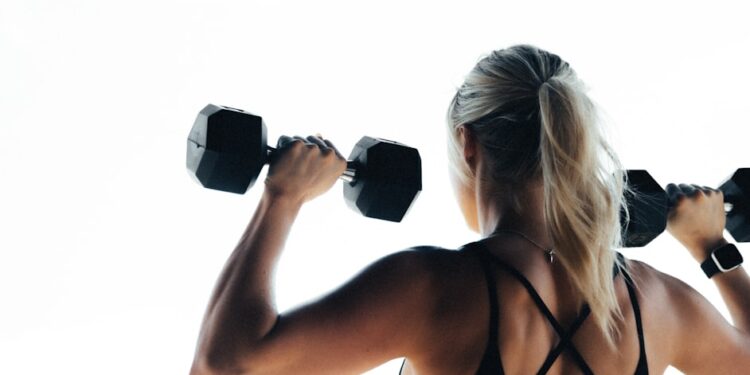
If you have been meaning to start weight training for women over 40 but the gym feels like a room full of people who already know what they are doing, this guide is for you. Starting is genuinely easier than it looks, and the payoff after 40 is bigger than at any earlier point in your life. Your muscle and bone are both changing faster now, which means lifting is no longer optional maintenance, it is the single best lever you have. The other thing worth knowing up front is that the most common beginner mistake is not going too hard. It is staying too light for too long.
Why Weight Training for Women Over 40 Matters More Than Ever
From roughly age 30 onward, your body loses about 3 to 5 percent of its muscle mass per decade, a process called age-related muscle loss, or sarcopenia. That alone would be manageable, but the more important number is strength. Research shows strength declines two to five times faster than muscle mass does, and it is loss of strength, not size, that predicts whether you can carry groceries, climb stairs, and stay independent later.
This reframes the whole exercise. Weight training for women over 40 is not about aesthetics or shrinking, it is about keeping the physical capacity you already have. Cardio is genuinely good for your heart, but it does not stop this particular slide. Only loading your muscles does. If you are returning after time away, our guide on getting back into the gym after a long break pairs well with what follows.
What Happens to Your Bones (And Why Lifting Is the Answer)
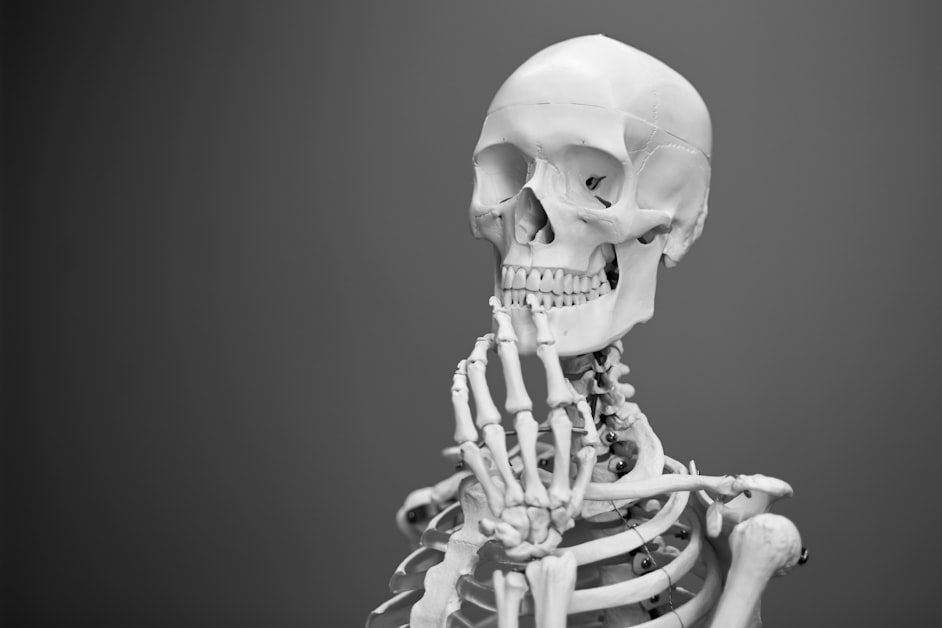
Bone changes faster than most women are told. According to the Bone Health and Osteoporosis Foundation, a woman can lose up to 20 percent of her bone density in the five to seven years following menopause, and about one in two women over 50 will break a bone because of osteoporosis. Those are sobering numbers, and they are exactly why the response matters.
Here is the encouraging part. The LIFTMOR trial, published in the Journal of Bone and Mineral Research, put 101 postmenopausal women with low bone mass through eight months of twice-weekly heavy resistance training, just 30 minutes a session. Bone density and physical function both improved, and the heavy training caused no vertebral fractures. Bone responds to meaningful load. Gentle movement maintains, but real load is what tells your skeleton to rebuild, which is why our post on strength training with osteoporosis takes the same evidence-led line.
How Often Should a Woman Over 40 Lift Weights?
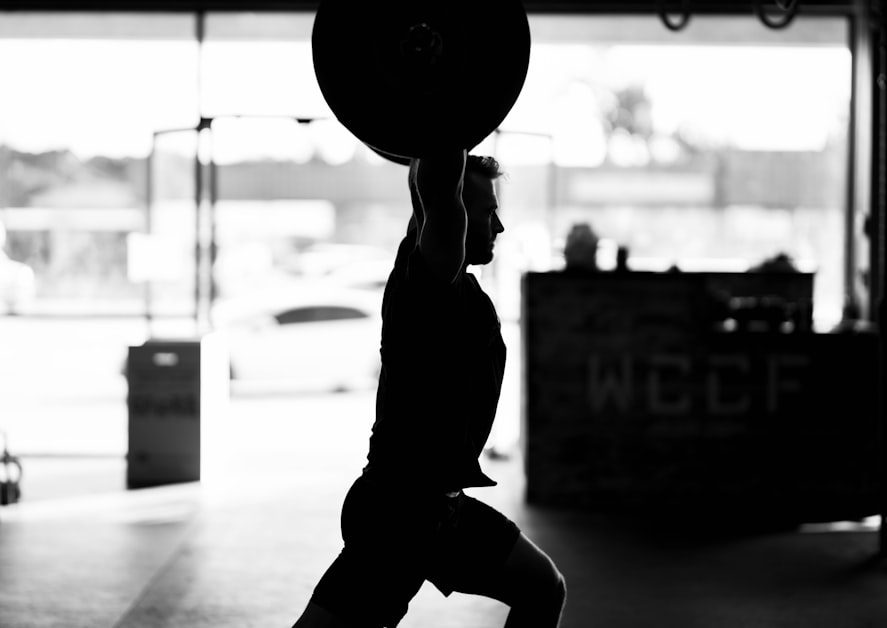
The short answer for weight training for women over 40 is at least 2 days a week, working all major muscle groups. The CDC’s physical activity guidelines set 2 days as the minimum for adults of any age, covering legs, hips, back, chest, abdomen, shoulders and arms. Most beginners do best with 2 to 3 full-body sessions per week, leaving at least one rest day between them.
Two sessions is not a consolation prize. The American College of Sports Medicine’s updated 2026 position stand makes the point directly: training all major muscle groups at least twice a week matters far more than chasing a perfect or complicated plan. For a beginner starting weight training for women over 40, two well-executed full-body sessions beat five sporadic ones you abandon by March.
Your First Six Weeks: A Beginner Plan
A first program for weight training for women over 40 should be built around five movement patterns rather than individual muscles: a squat, a hinge, a push, a pull, and a carry or core hold. That covers your whole body in about 45 minutes. In practice that might be a goblet squat, a dumbbell deadlift, a press, a row, and a farmer’s carry.
For volume, the CDC frames 8 to 12 repetitions as one set, and ACSM’s 2026 guidance points to 2 to 3 sets per exercise for building strength. Rest 60 to 90 seconds between sets. Weeks one and two are about learning the movements with a manageable weight, weeks three and four are about adding load once the form holds, and by weeks five and six you should be noticeably stronger than where you started. Keep a note of what you lifted each session, because that record is what makes progression obvious instead of guesswork.
How Heavy Should You Lift? Most Women Go Too Light
This is where most beginners stall. Picking up the three-pound dumbbells for months does very little, because muscle and bone only adapt when the load asks something of them. The CDC’s own guidance is to work to the point where it would be hard to do another repetition without help.
A practical test: the last two or three reps of a set should feel genuinely difficult while your form stays clean. If you could do five more, the weight is too light. ACSM’s 2026 update points to heavier loads, around 80 percent of your one-rep maximum, for building strength, and LIFTMOR showed heavy lifting is safe even for women with low bone density under supervision. Progress by adding a small amount of weight or an extra rep once a session feels comfortable. Getting this right is the difference between weight training for women over 40 that works and a routine that quietly goes nowhere, and our breakdown of sets and reps for women goes deeper on the programming.
Gym or Home? What You Actually Need
If the gym is the barrier, skip it for now. ACSM’s 2026 review found that the type of equipment is not the deciding factor, and that elastic bands, bodyweight exercises and home-based routines produce real benefits. A traditional gym is not required to see results.
A pair of adjustable dumbbells and a resistance band covers all five movement patterns and costs less than a few months of membership. The one genuine advantage of a gym is heavier loading as you get stronger, plus machines that make some movements easier to learn. If you do go, our guide to using gym machines removes most of the first-day awkwardness. Start wherever you will actually turn up twice a week.
How Long Before You See Results
Expect two different timelines, and knowing the difference is what stops people quitting in week five. For roughly the first four weeks, your gains are mostly neural. Your nervous system gets better at recruiting the muscle you already have, so you feel stronger and lift more without looking noticeably different. Measurable muscle growth generally shows up around the six-week mark and becomes the main driver by about eight weeks.
The long view is genuinely motivating. In a study of women averaging 59 years old who trained twice weekly for a year, published in Medicine and Science in Sports and Exercise, strength improved by 35 to 77 percent depending on the lift, with about half of those gains arriving in the first three months. Feeling stronger comes fast. Looking different takes longer. Judge your progress by the numbers in your notebook, not the mirror.
Eating to Support Muscle After 40
Weight training for women over 40 only works if the food supports it. Lifting is the signal, protein is the raw material, and after 40 you need more of it than the baseline guidance suggests. Older adults experience anabolic resistance, meaning muscle responds less readily to the same amount of protein, so the standard 0.8 grams per kilogram RDA is a floor rather than a target.
The PROT-AGE expert group recommends 1.0 to 1.2 grams per kilogram of body weight daily for older adults, and at least 1.2 grams per kilogram for those who exercise. For a woman weighing 70 kilograms who lifts, that is around 85 grams a day, spread across meals rather than crammed into dinner. Our protein intake calculator works out your exact number, and if you want the whole picture mapped to your own body you can build a free plan in about two minutes.
Lifting Safely With Osteoporosis or Joint Pain
Weight training for women over 40 is still recommended if you have osteoporosis or osteopenia, but two rules matter. Mayo Clinic’s guidance on exercising with osteoporosis says to avoid bending or flexing the spine forward under load and to avoid forceful twisting at the waist. That rules out toe touches, sit-ups and crunches, and makes movements like golf swings riskier. It does not rule out squats, presses, rows or carries done with a neutral spine.
If you have a diagnosed bone condition, a heart condition, or a joint injury, talk to your doctor or a physiotherapist before you begin, and consider a few sessions with a qualified trainer to get your form checked. That is the honest safety framing: the risk is in specific loaded positions, not in lifting itself. Sore muscles a day or two afterward are normal, but sharp joint pain during a lift is a signal to stop and reassess.
Frequently Asked Questions
Is it too late to start lifting weights at 50 or 60?
No. The research on older beginners is consistently encouraging, with women in their late fifties nearly doubling some lifts over a year of twice-weekly training, and postmenopausal women with low bone density improving both bone and function in eight months. Starting later means starting from a different baseline, not being locked out of the benefits.
Will lifting weights make me bulky?
No. Building large amounts of muscle takes years of dedicated high-volume training, and after 40 lower estrogen makes it harder to add muscle, not easier. What most women notice is feeling firmer and stronger while holding onto the muscle they would otherwise lose.
Should I do cardio or weights first?
If strength is your main goal, lift first while you are fresh and do cardio afterward or on separate days. For most people the practical difference is small, so the order that gets you to do both consistently is the right one.
How many rest days do I need between strength workouts?
Leave at least one full day between sessions that train the same muscles, since muscle rebuilds during recovery rather than during the workout. Two or three full-body sessions a week with rest days between them suits most beginners, and recovery needs often increase during perimenopause.
The Bottom Line
Starting weight training for women over 40 comes down to a handful of decisions you can make this week. Train two or three times, cover the five movement patterns, lift heavy enough that the last few reps are genuinely hard, eat enough protein, and protect your spine if your bones need it. Expect to feel stronger within a month and to look different a while after that. The women who succeed at this are not the ones who found a perfect program, they are the ones who kept showing up and slowly added weight to the bar.
Related Articles
- Strength Training for Women Over 40: The Complete Beginner’s Guide
- Cardio vs Weight Training for Women: Which Burns More Fat
- Weight Loss Plateau Women Over 40: Why It Happens and How to Break It
This article is for informational purposes only and is not a substitute for professional medical advice. Osteoporosis, joint conditions, and cardiovascular concerns carry individual considerations, so always consult a qualified healthcare professional before starting a new exercise program.
Get the exact numbers for your body
Answer 7 quick questions and get your calorie target, protein goal and a plan that fits how you actually live. Takes 2 minutes, completely free.
Build my free plan →2 minutes · Free · No card neededFree tools from Just Health Life
Calorie CalculatorCalories Burned CalculatorAll 24 calculators →Educational content, not medical advice. See our medical disclaimer and editorial policy.