


A workout routine for night shift workers has to solve a problem daytime fitness plans never touch: your body thinks it should be asleep during the hours you are supposed to feel strong. Nurses, warehouse pickers, factory operators, security staff, and retail overnight teams all run into the same wall. The gym schedule that works for a nine to five life falls apart the moment your alarm goes off at 6 p.m. instead of 6 a.m.
The good news is that a workout routine for night shift workers does not need a special gym or unlimited time. It needs the right timing, the right exercise types, and a plan that respects the fact that your circadian rhythm is fighting you the whole way. This guide breaks down exactly when to train, what kind of exercise to do, and how to build a weekly schedule around rotating or fixed night shifts without wrecking your sleep.
Why Night Shift Work Makes It Harder To Stay Active

Your body runs on a circadian rhythm, an internal clock that expects daylight hours for activity and darkness for rest. Night shift work forces you to be alert and productive during your body’s biological night, which throws off hormone release, core temperature patterns, and appetite regulation. That mismatch is exactly why so many night shift workers describe feeling too drained to exercise, even on days off.
According to NIOSH research summarized by the CDC, shift workers face a higher risk of cardiovascular disease, metabolic disturbances, and sleep disorders, with the effects becoming more pronounced the longer someone works overnight hours. This is not a motivation problem. It is a physiology problem, which is exactly why a workout routine for night shift workers needs to be built differently than a standard fitness plan.
The upside is that movement is one of the few tools that can help offset these risks. Research on physical activity and circadian adaptation, published via the National Institutes of Health, found that strategically timed activity, including short walking breaks during a shift, can support alertness and help the body adjust to overnight hours. Timing your workouts correctly matters just as much as doing them at all.
The Best Times To Exercise Around A Night Shift

There are three practical windows for fitting exercise into a night shift schedule, and each one serves a different purpose.
Before your shift (pre-shift window). Working out one to three hours before clocking in raises core body temperature and alertness right when you need it most. A moderate cardio or strength session here can carry you through the first few hours of your shift without a coffee crash.
During your shift (mid-shift window). If your workplace allows it, a 10 to 15 minute break used for brisk walking, stair climbing, or bodyweight movement can fight the 3 a.m. energy slump better than a sugary snack. This window works especially well for people who cannot fit a full workout in before or after work.
After your shift (post-shift window). This is the trickiest window in any workout routine for night shift workers. Vigorous exercise right before you try to sleep can delay sleep onset because it raises core temperature and adrenaline. If you train after your shift, keep it light: gentle mobility work, easy walking, or stretching rather than a heavy lifting session or intense cardio.
Most night shift workers find the pre-shift window produces the best results because it does not interfere with sleep and takes advantage of naturally rising body temperature in the hours before work.
Best Types Of Workouts For Night Shift Workers

Not every workout style fits an overnight schedule equally well. A smart workout routine for night shift workers mixes a few formats depending on energy levels and the time available.
Strength training two to three times a week protects the muscle mass and bone density that irregular sleep and eating patterns can quietly erode over time. You do not need a full gym session. A focused 25 to 30 minute routine covering squats, rows, presses, and hinges hits the major muscle groups without draining you for your shift. If you are new to structured strength work, our full body circuit guide for beginners is a solid starting template you can adapt to a pre-shift slot.
Cardio is best kept moderate rather than maximal on shift days. A brisk 20 minute walk, a light jog, or a bike ride before your shift boosts alertness without leaving you fatigued for the hours ahead. Save higher intensity cardio for your days off when you are not walking straight into eight or twelve hours of work afterward. For ideas on which movements deliver the most return per minute, see our roundup of the exercises that burn the most calories.
Mobility and stretching work best in the post-shift window, when your goal shifts from energizing your body to winding it down. Gentle movement here supports circulation and reduces the stiffness that comes from long hours on your feet or hunched over a workstation, without spiking your heart rate before sleep.
Non-exercise movement, sometimes called NEAT, adds up faster than people expect. Taking stairs instead of elevators, parking farther away, or standing while charting can offset some of the sedentary stretches built into many overnight roles.
A Sample Workout Routine For Night Shift Workers
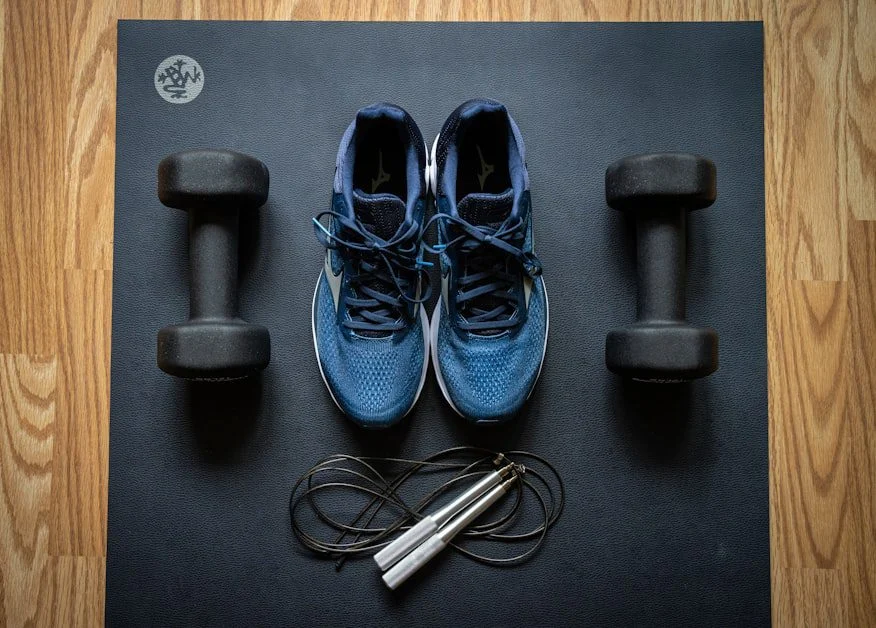
Shift patterns vary widely, so a workout routine for night shift workers has to flex around your actual schedule rather than a generic Monday through Friday template. This sample workout routine for night shift workers is built around a common four nights on, three nights off rotation.
Night 1 (working): 30 minute strength session 2 to 3 hours before your shift, focused on legs and core.
Night 2 (working): 15 minute walking or stair break mid-shift, plus 10 minutes of gentle stretching after your shift before sleep.
Night 3 (working): 30 minute strength session pre-shift, focused on upper body and back.
Night 4 (working): Light mid-shift walk only. Your body is accumulating fatigue by this point in the rotation, so keep intensity low.
Day 1 off: Full 40 to 45 minute workout at a normal time of day, combining strength and moderate cardio since you are not racing a shift clock.
Day 2 off: Active recovery: an easy walk, light yoga, or a rest day entirely.
Day 3 off: Full workout again, or a longer walk or hike if you prefer to spend time outdoors before returning to nights.
Adjust the exact days to match your own rotation, whether that is three on and four off, five on and two off, or a rotating schedule that changes weekly. The underlying principle stays the same: harder training goes before shifts or on full days off, lighter movement goes mid-shift or post-shift, and true rest days are non-negotiable.
Quick Exercises You Can Do On Shift Breaks
Many overnight jobs do not allow for a gym trip mid-shift, but that does not rule out movement entirely. A five to ten minute break routine can include bodyweight squats, wall push-ups, calf raises, standing marches, and a brisk lap around your workplace. None of these require changing clothes or breaking a heavy sweat, which matters when you need to get back to work looking presentable.
If you are short on time even on your days off, the format used in our 10-minute micro-workouts guide translates well to shift breaks. The idea is the same: short, focused bursts of movement stacked throughout the day add up to meaningful activity, even when a full workout session is not realistic.
Nutrition And Hydration Tips For Night Shift Workouts
What you eat around your workout matters more on a night shift schedule because your digestion and appetite hormones are already out of sync with a normal daytime pattern. A small, protein-forward snack 30 to 60 minutes before a pre-shift workout, such as Greek yogurt or a handful of nuts with fruit, provides fuel without leaving you sluggish.
Hydration tends to slip during overnight hours because thirst cues are blunted when you are tired. Keep a water bottle at your workstation and sip consistently rather than relying on caffeine to substitute for fluids. Heavy caffeine intake late into a shift can also interfere with the sleep you are trying to protect once you get home, so try to taper it off in the back half of your shift.
Protecting Your Sleep When You Exercise Around Night Shifts
Sleep is the piece that makes or breaks any workout routine for night shift workers, because poor recovery cancels out the benefits of training. According to the Mayo Clinic, regular physical activity can actually improve sleep quality over time, but the timing relative to your rest window matters just as much as the activity itself.
Avoid vigorous exercise in the three hours before you plan to sleep, since it raises core temperature and adrenaline right when your body needs to be winding down. If you want to move after a shift, keep it gentle. Our bedtime mobility drills routine was built for exactly this kind of low-intensity, sleep-friendly movement and works well as a post-shift wind-down before you head to bed.
Shift work changes when, not how much, and the page on how to start working out sets out the weekly minimum and how it can be met in pieces.
Frequently Asked Questions
Is it better to workout before or after a night shift?
For most people, working out before a night shift is the better option. It raises alertness and body temperature right when you need energy for your shift, and it avoids the sleep disruption that can come from vigorous exercise right before bed. Save lighter movement, like stretching or a short walk, for after your shift.
How many days a week should night shift workers exercise?
Three to four sessions a week is a realistic target for most night shift workers, mixing two to three strength sessions with lighter movement on remaining shift days. Trying to train every single day on an overnight schedule tends to backfire through accumulated fatigue and poor sleep.
Can exercising during a night shift break actually help with fatigue?
Yes. Short bouts of movement, such as a brisk 10 to 15 minute walk, have been shown to support alertness during overnight hours by raising heart rate and circulation. It is a more sustainable fix than relying solely on caffeine or sugar to push through a slump.
What if my night shift schedule changes every week?
Build your workout routine for night shift workers around your actual rotation rather than fixed calendar days. Identify which days are pre-shift, mid-rotation, and full days off each week, then slot harder training into the days you have more recovery time and lighter movement into working days.
Should I avoid the gym entirely and just rely on shift break movement?
Shift break movement is a helpful addition, not a full replacement for structured training. Aim to combine short bursts of activity during work with at least two to three dedicated strength or cardio sessions on your days off or before shifts for the best long-term results.
Conclusion
Building a workout routine for night shift workers comes down to working with your circadian rhythm instead of against it. Train before your shift when possible, keep mid-shift movement light and short, save intense sessions for full days off, and protect the hours before sleep with gentle rather than vigorous activity. None of this requires a perfect schedule or expensive equipment, just consistent timing that respects how your body actually functions on overnight hours.
Start with two strength sessions and a couple of short walking breaks this week, then build from there as you learn what your specific rotation allows. Small, well-timed sessions repeated consistently will do more for your energy and long-term health than sporadic, poorly timed workouts ever will.
This article is for general informational purposes only and is not a substitute for professional medical advice. Night shift workers with existing health conditions, including cardiovascular or metabolic concerns, should consult a healthcare provider before starting a new exercise program.
Related Articles
- Workout Routine for Period Cramps: The 3-Day Plan That Actually Works
- Upper Body Workout for Women at Gym: The Essential Guide
- Gym Workout Plan for Weight Loss for Women: The 8-Week Guide
Sources
- CDC. Module 3. Diseases and Shift Work | NIOSH.
- PubMed Central, NIH. Move the night way: how can physical activity facilitate adaptation to shift work?.
- Mayo Clinic. Mayo Clinic.