


Not losing weight during perimenopause is one of the most frustrating experiences women in their 40s describe, and the frustration is usually made worse by hearing the same tired advice: eat less, move more. If you are eating the same way that used to work, exercising consistently, and the scale still will not budge, you are not imagining it and you are not failing at math. Perimenopause changes the biology behind weight loss in ways that a simple calorie deficit does not account for.
Weight that will not shift is one entry on a long list. Our guide to the 34 symptoms of perimenopause sets out which ones have real evidence behind them and how long they usually last.
This guide breaks down exactly why not losing weight during perimenopause happens even when you are doing everything right, what role cortisol, estrogen, and insulin actually play, and what a realistic, evidence based approach looks like instead of another crash diet. The guidance here draws on research reviewed by the National Institute on Aging and the Mayo Clinic, not social media theories about hormones.
Why You’re Not Losing Weight During Perimenopause on a Calorie Deficit

The single biggest reason for not losing weight during perimenopause despite a calorie deficit is that the deficit itself has quietly moved. Muscle mass declines through the perimenopausal years, and muscle is what burns calories at rest. As lean tissue drops, your resting metabolic rate drops with it, often by 100 to 300 calories a day without any change in your habits. A deficit that produced steady loss at 35 can be neutral, or even a slight surplus, at 46 on the exact same food intake.
This is why women who are not losing weight during perimenopause often say the same thing: “nothing changed except my body stopped responding.” Nothing about your discipline changed. Your baseline energy needs did. If you have already worked through the fundamentals of a calorie deficit that isn’t producing results and ruled out tracking errors, perimenopause itself is very likely the missing variable, not a lack of effort.
The Cortisol Connection: How Stress Blocks Weight Loss in Perimenopause
Cortisol is one of the most overlooked reasons behind not losing weight during perimenopause. As estrogen and progesterone fluctuate, the body’s stress response becomes more reactive, and progesterone in particular loses its natural calming effect on cortisol. The result is that ordinary daily stress, the kind you managed fine in your 30s, now triggers a bigger and longer lasting cortisol spike.
Chronically elevated cortisol does three things that work directly against weight loss: it raises blood sugar, it increases cravings for high calorie, high carbohydrate foods, and it encourages the body to store fat preferentially around the abdomen rather than burn it. Women describe this as stubborn belly fat that will not move no matter what they cut from their diet, and the research on cortisol and midlife fat distribution backs up that experience.
The fix is not more willpower. It is reducing the total stress load on the body, including the stress of extreme dieting itself, which raises cortisol further and can make not losing weight during perimenopause even worse. Practical levers include protecting sleep, limiting high intensity cardio when you are already under-recovered, and building in short daily periods of genuine downtime rather than optimizing every hour.
The Hormonal Shifts Driving Weight Loss Resistance
Estrogen does more than regulate the menstrual cycle. It influences where fat is stored, how sensitive your cells are to insulin, and how efficiently muscle repairs itself after exercise. As estrogen fluctuates unpredictably through perimenopause, rather than declining in a smooth line, all three of those systems become less predictable too, which is part of why not losing weight during perimenopause can feel inconsistent, some weeks better than others, rather than a steady stall.
Falling estrogen also shifts fat storage from the hips and thighs toward the abdomen, converting what used to be subcutaneous fat storage into more metabolically active visceral fat. This is a structural change in body composition, not just a number on the scale, and it explains why clothes can fit differently even when weight is stable. Understanding this shift matters because it changes the target. The goal during perimenopause is not just a lower number, it is preserving muscle and controlling visceral fat, which standard calorie counting does not directly address.
Why Cardio Alone Isn’t Fixing It

Many women respond to not losing weight during perimenopause by adding more cardio, and often see no change or even a small step backward. This happens because excessive steady state cardio, especially when layered on top of an already tight calorie deficit and poor sleep, adds to the cortisol load discussed above. The body reads it as one more stressor to survive rather than a straightforward calorie burn.
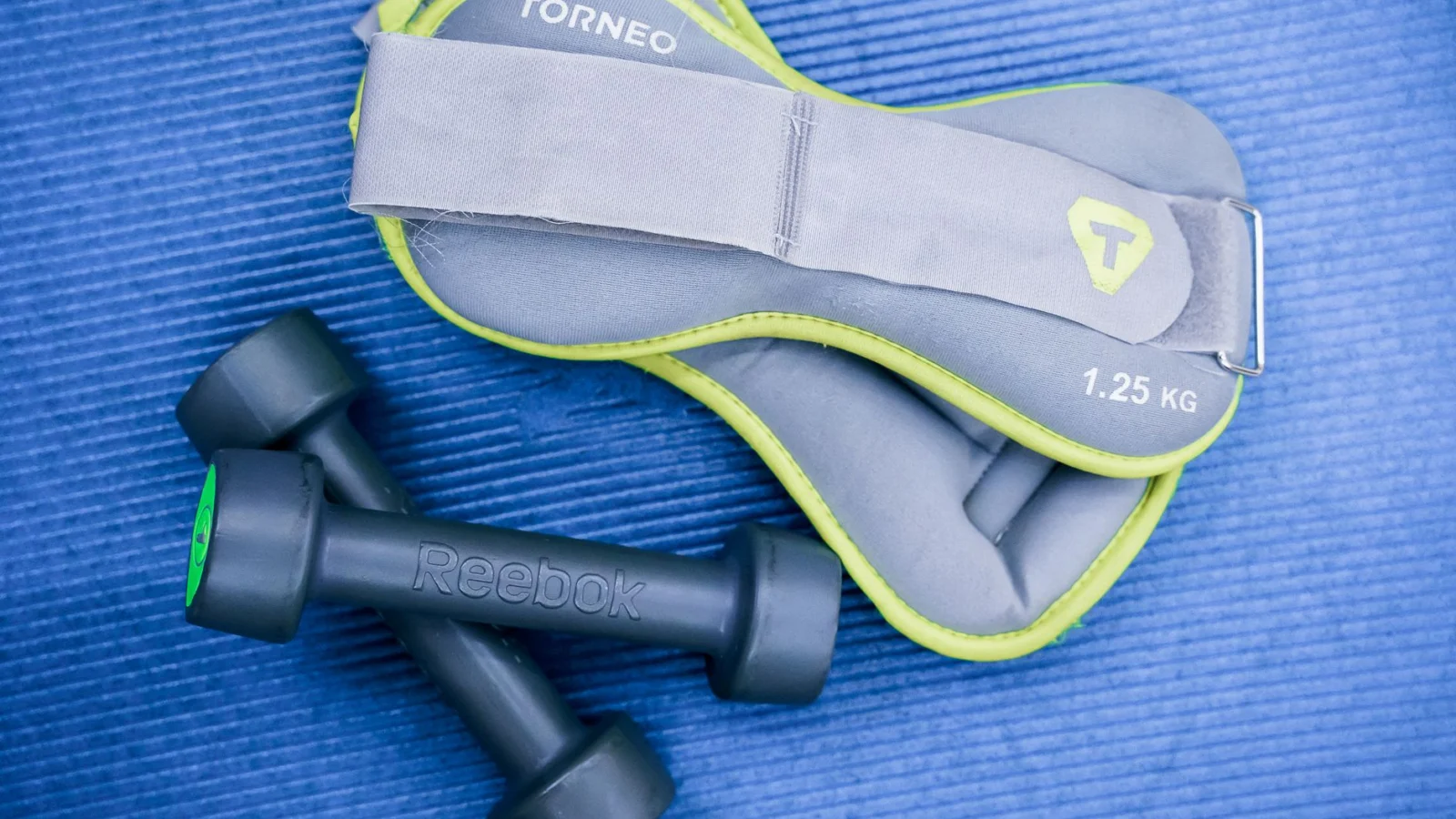
Strength training addresses the actual mechanism instead of fighting it. Building and maintaining muscle raises resting metabolic rate, improves insulin sensitivity, and gives the body a reason to hold onto lean tissue during a deficit rather than break it down for fuel. Two to three sessions a week focused on major muscle groups, combined with daily walking rather than daily high intensity cardio, consistently outperforms cardio-heavy routines in women at this stage. Women who have found success with structured eating windows may also want to review our guide on intermittent fasting for women over 40, since fasting protocols often need to be gentler and shorter during high stress stretches of perimenopause than they were in your 30s.
Insulin Resistance and Perimenopause: The Hidden Link
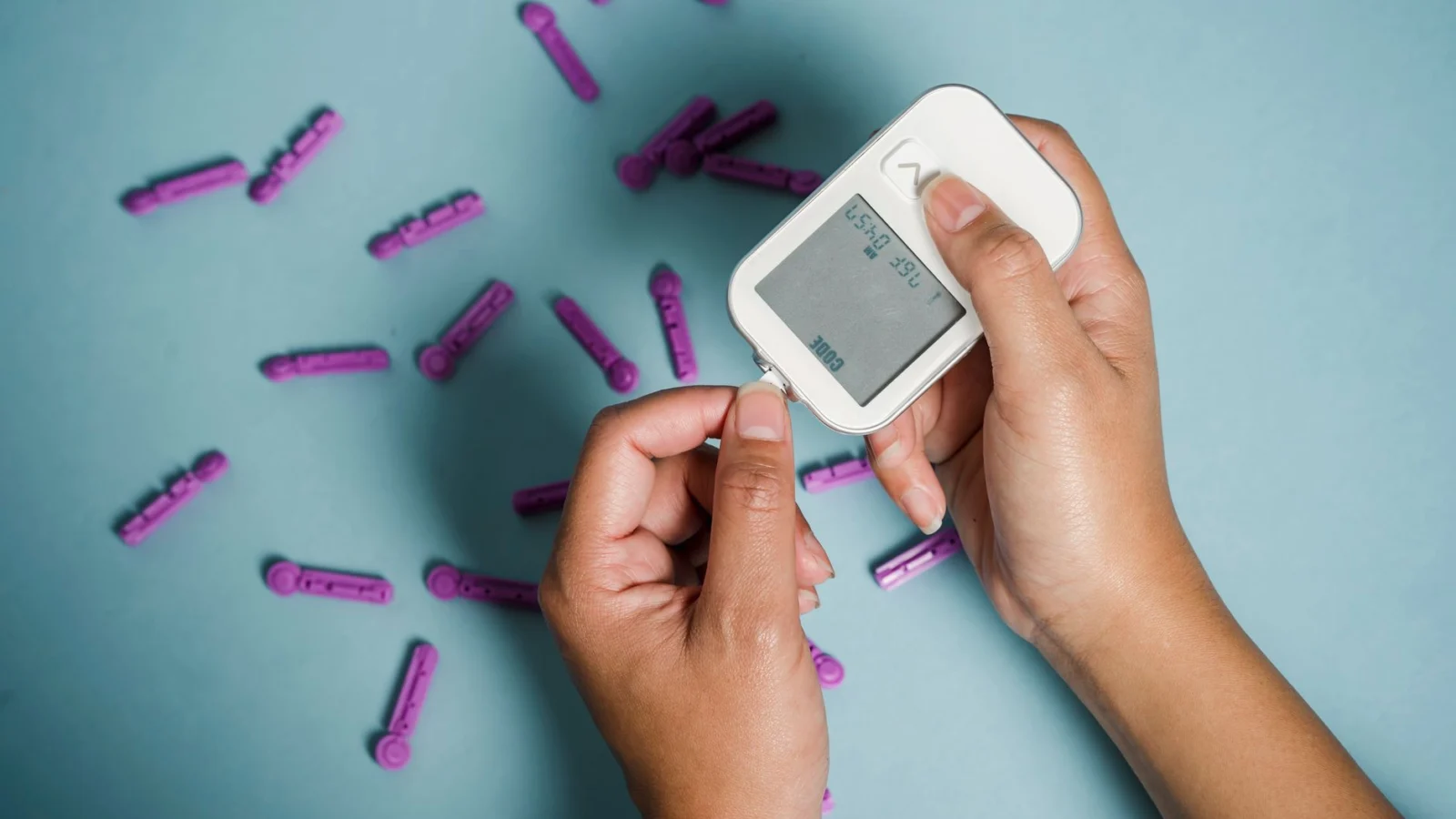
Insulin resistance is another major piece of why women are not losing weight during perimenopause, and it rarely gets mentioned outside of a diabetes conversation. As estrogen becomes erratic, cells become less responsive to insulin, meaning the pancreas has to release more of it to move glucose out of the bloodstream. Higher circulating insulin actively blocks fat breakdown, since insulin’s job is to store energy, not release it.
This is compounded by cortisol, since elevated cortisol raises blood sugar and asks the pancreas for still more insulin, creating a cycle where cortisol and insulin reinforce each other’s fat storing effects. Practical steps that improve insulin sensitivity, prioritizing protein and fiber at each meal, strength training, and limiting refined carbohydrates in isolation, tend to move the scale more reliably than calorie counting alone during this stage. If this pattern sounds familiar, our detailed breakdown on how to lose weight with insulin resistance covers meal structure and timing strategies that apply directly here.
Sleep, Recovery, and the Weight Loss Stall
Sleep disruption is common in perimenopause, driven by night sweats, anxiety, and shifting hormones, and it is a direct contributor to not losing weight during perimenopause. Even one week of reduced sleep raises cortisol, increases hunger hormone ghrelin, and lowers the satiety hormone leptin, which together push toward higher calorie intake and less willpower to resist it the next day.
Poor sleep also blunts the muscle repair benefits of strength training, meaning the same workout produces less metabolic payoff when recovery is compromised. Treating sleep as a non-negotiable part of a weight loss plan, not an afterthought to fit in around workouts and meal prep, is one of the most effective changes you can make during this stage of life.
What Actually Works: A Realistic Reset
Breaking through not losing weight during perimenopause rarely comes from cutting harder. It comes from shifting priorities. A more effective approach looks like this: a modest calorie deficit of 200 to 300 calories rather than an aggressive one, 25 to 30 grams of protein at each meal to support muscle and satiety, two to three strength sessions a week, daily walking instead of daily intense cardio, and a consistent sleep window protected as strictly as a workout appointment.
Give this combination six to eight weeks before judging results, since hormonal and metabolic adaptations move slower than a simple calorie math model would predict. Women who previously worked through a weight loss plateau after 40 often find the same patience-based approach applies here, just with cortisol and sleep added to the list of variables worth tracking alongside food and exercise.
Signs Your Approach Is Working, Even If the Scale Isn’t Moving
The scale is a poor single measure of progress when you are not losing weight during perimenopause, because body composition changes can offset each other. Look instead for looser fitting clothes around the waist even at a stable weight, improved energy in the afternoon, fewer intense cravings, better sleep quality, and strength gains in the gym. Each of these reflects the underlying mechanisms, cortisol, insulin sensitivity, and muscle mass, actually improving, which is what eventually moves the scale too.
Tracking waist circumference alongside weight gives a clearer picture than the scale alone, since visceral fat reduction often shows up there first. Consistency over eight to twelve weeks, not a single week’s number, is the honest timeline for seeing real change.
Cycles that skip ovulation in the transition drop the progesterone rise, and with it the appetite and fluid pattern of the luteal phase; the menstrual cycle phases page explains that pattern.
Frequently Asked Questions
Why am I not losing weight during perimenopause even though I’m eating less?
Declining muscle mass lowers your resting metabolic rate, so the same calorie intake that once created a deficit may now be closer to maintenance. Add in cortisol driven fat storage and insulin resistance, and eating less alone often isn’t enough without also addressing strength training, protein intake, and stress.
Does stress really affect weight loss during perimenopause?
Yes. Falling progesterone reduces its natural buffering effect on cortisol, so everyday stress produces a stronger and longer cortisol response than it used to. Elevated cortisol raises blood sugar, increases cravings, and encourages abdominal fat storage, all of which work against weight loss.
Should I do more cardio if I’m not losing weight during perimenopause?
Not necessarily. Excessive steady state cardio can add to an already elevated stress and cortisol load in perimenopause. Two to three strength training sessions a week plus daily walking generally outperforms adding more cardio for both metabolism and body composition.
How long should I try a new approach before expecting results?
Give any adjusted approach six to eight weeks minimum before judging results. Hormonal and metabolic changes during perimenopause move slower than calorie math predicts, and non-scale signs like clothing fit, energy, and strength often improve before the number on the scale does.
Can insulin resistance cause weight gain in perimenopause even without diabetes?
Yes. Fluctuating estrogen reduces cell sensitivity to insulin independent of blood sugar diagnosis, and higher circulating insulin actively blocks fat breakdown. Prioritizing protein, fiber, and strength training improves insulin sensitivity even without a formal insulin resistance diagnosis.
Conclusion
Not losing weight during perimenopause is rarely a discipline problem. It reflects real shifts in muscle mass, cortisol regulation, estrogen driven fat distribution, and insulin sensitivity that a plain calorie deficit does not fully account for. A more effective approach favors a modest deficit, consistent protein, strength training over extra cardio, protected sleep, and patience measured in months rather than days. If the scale has stalled despite real effort, revisit the fundamentals in our guide to breaking a weight loss plateau over 40 and layer in the cortisol and insulin strategies covered here for the most complete picture.
Related Articles
- Why Am I Not Losing Weight on a Calorie Deficit
- Weight Loss Without Losing Milk Supply: The Safe Breastfeeding Guide
- Best Diet for PCOS Weight Loss: What Actually Works
This article is for informational purposes only and does not constitute medical advice. Always consult your doctor or a qualified healthcare professional before starting a new diet, exercise program, or supplement routine, especially if you are experiencing significant perimenopause symptoms.
Sources
- NIH National Institute on Aging. What Is Menopause? | National Institute on Aging.
- Mayo Clinic. Mayo Clinic.


