


Lower back pain left side in women is common, and the side it lands on is a real clue to what is going on. The left of your lower back sits over the left kidney, the left ovary and fallopian tube, part of the colon, and the muscles and joints that carry most of your weight. Pain in that spot is usually mechanical and settles on its own, but sometimes it is the first sign of a kidney, urinary, or gynecologic problem that needs attention. This guide sorts the common causes by how they feel, so you can tell which one is likely yours.
Low back pain itself is almost universal. The World Health Organization estimates that 619 million people live with low back pain, that it is the leading cause of disability worldwide, and that cases peak between ages 50 and 55, with women affected more often than men. One-sided pain is not unusual. The job is to work out what is driving yours.
What lower back pain left side in women usually means
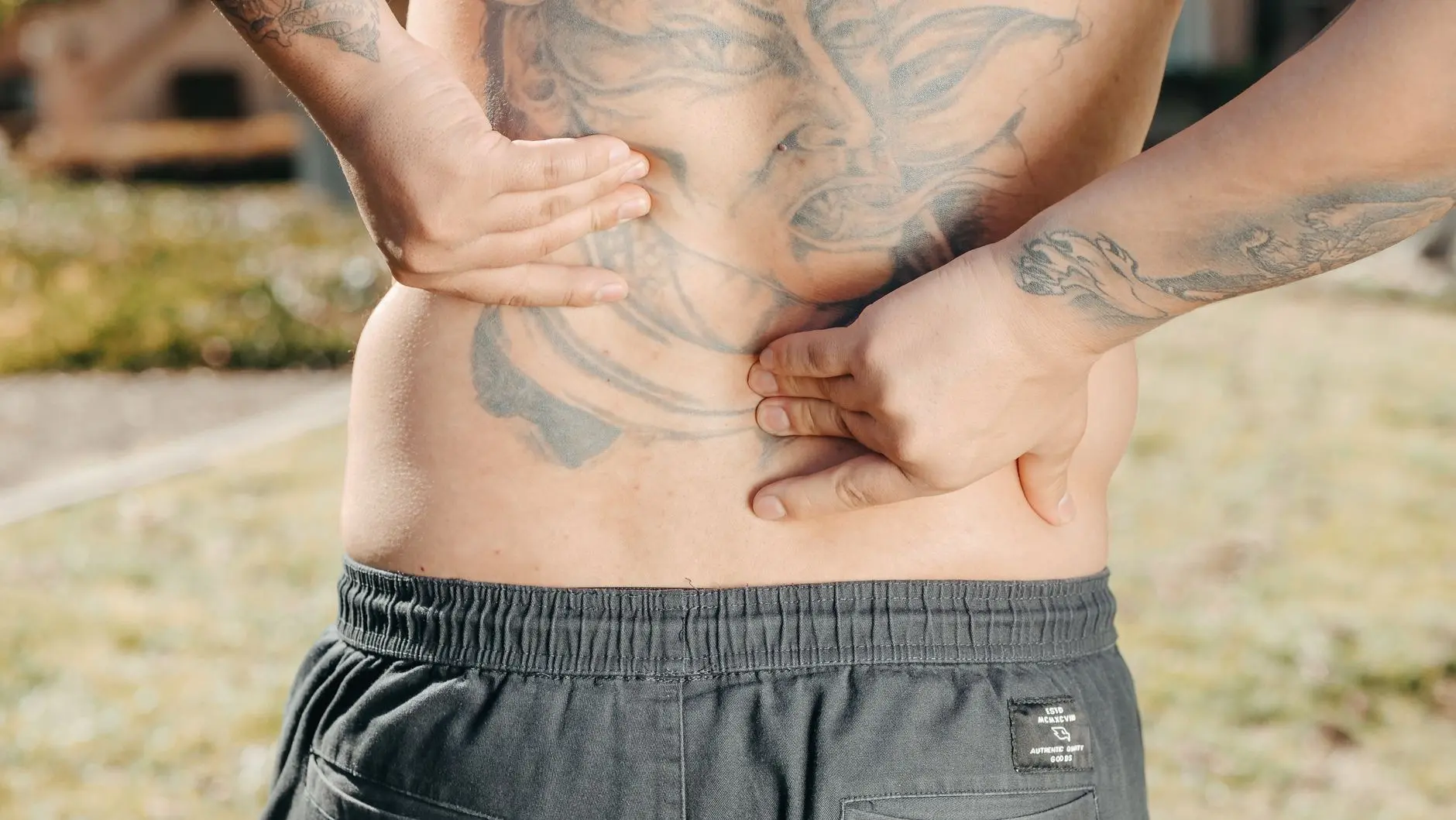
The single most useful fact is this: about 90 percent of low back pain is non-specific, meaning no disease or structural problem explains it, according to the WHO. In plain terms, most lower back pain left side in women comes from muscles, ligaments, and joints, not from an organ. That is good news, because non-specific pain usually eases within a few weeks.
Side matters because your body is not symmetrical. On the left you have the left kidney and its ureter, the left ovary and fallopian tube, the descending and sigmoid colon, and the left sacroiliac joint. A problem in any of these can be felt as left-sided pain in the lower back. The way to narrow it down is the pattern: what makes it worse, what else you feel, and whether it tracks your menstrual cycle.
Muscle and joint strain, the most common cause
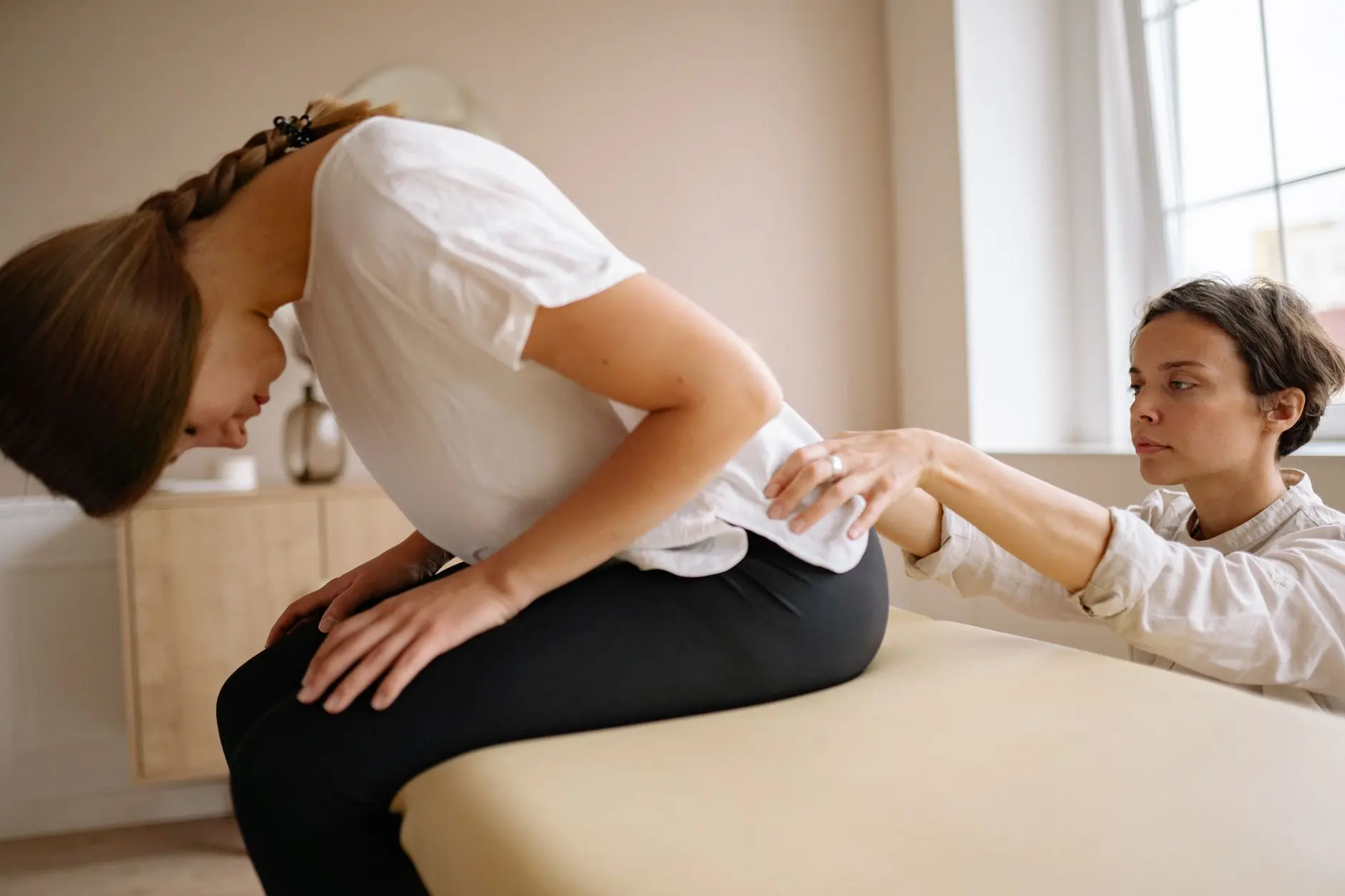
Mechanical pain comes from the structures that move and support your spine: the paraspinal muscles, the quadratus lumborum that runs down the side of your lower back, the discs, and the sacroiliac joint where the spine meets the pelvis. It often starts after lifting, a long drive, a day on your feet, or a new workout, and it can settle on one side.
You can usually recognise it. The pain is worse with certain movements and better with others, it eases when you change position, and it comes without fever, urinary symptoms, or cycle-linked timing. The pelvic tilt exercise for lumbar pain targets exactly this kind of strain. When pain shoots down one leg past the knee with tingling, that points to nerve irritation instead, and sciatica stretches are built for that. The WHO counts back pain as acute when it lasts under six weeks, and most acute episodes clear on their own within that window, so patience plus gentle movement is often the whole treatment.
Perimenopause can make it worse. As estrogen falls through the 40s and 50s it affects the discs, the joints, and bone density, and the sacroiliac joint often stiffens. That overlaps exactly with the age when the WHO says low back pain peaks. For a fuller list of female-specific drivers, see our guide to what causes lower back pain in women.
When the pain is coming from your left kidney

The left kidney sits high in the back, just under the lower ribs. When lower back pain left side in women comes with fever, chills, or blood in the urine, the kidney moves to the top of the list. Kidney pain is usually felt in the flank or side, not the spine, and it does not ease when you shift position.
Kidney stones are common. The National Institute of Diabetes and Digestive and Kidney Diseases reports that about 6 percent of women in the United States have a kidney stone at least once. A stone causes sharp pain in the back, side, lower abdomen, or groin, often with pink, red, or brown urine and pain that comes in waves. That is a reason to seek care quickly.
Urinary infections are the other big one, and they hit women hard. The Office on Women’s Health notes that more than half of women will have a urinary tract infection at some point, and that women get them up to 30 times more often than men. A bladder infection that climbs to the kidney is called pyelonephritis, and left-sided back pain with fever, chills, or burning when you urinate is a warning sign to be seen the same day.
When it is coming from your reproductive organs
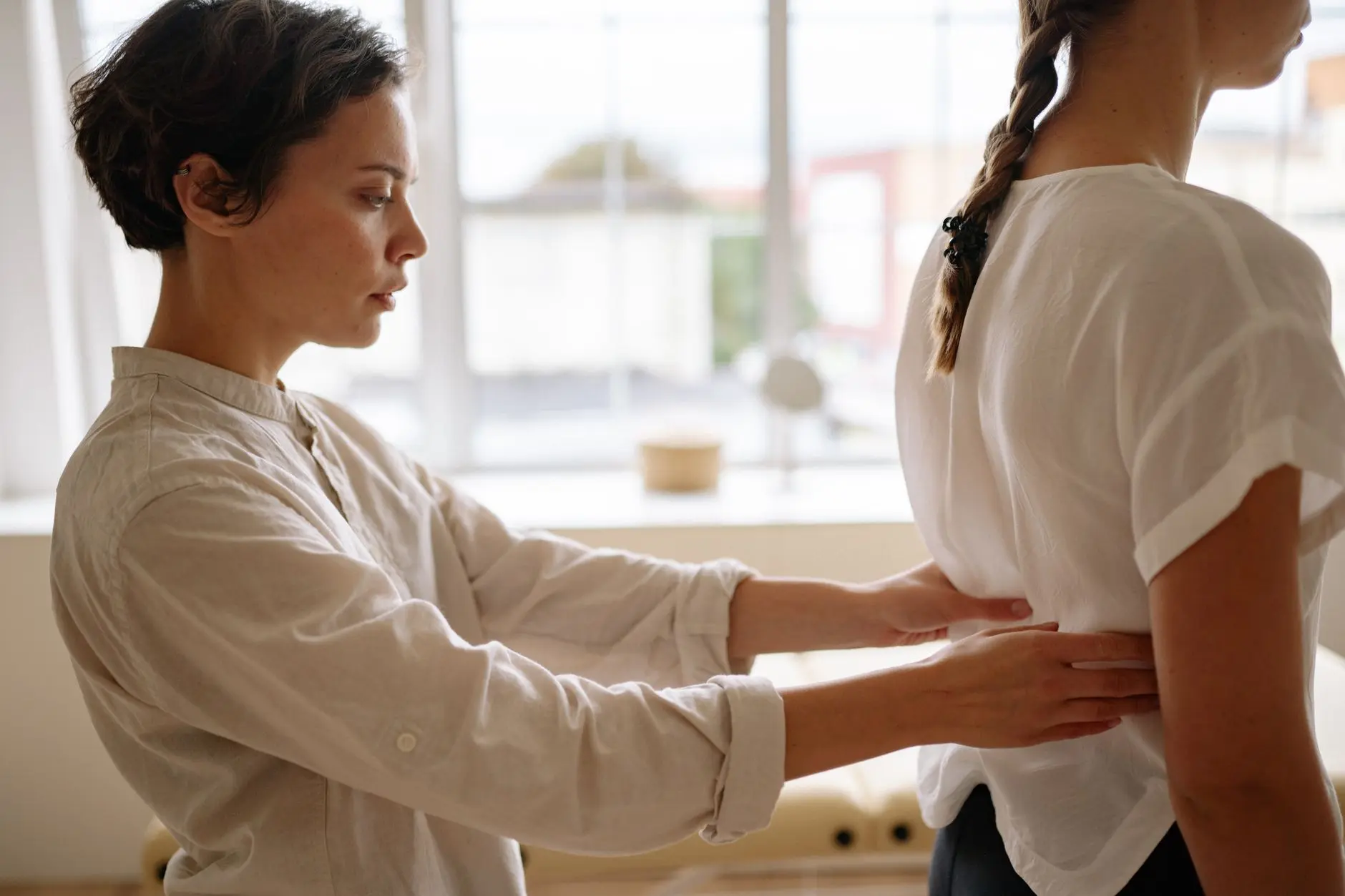
Because the left ovary, fallopian tube, and part of the uterus sit low on the left, gynecologic conditions can show up as left-sided back pain. The giveaway is timing: pain that tracks your menstrual cycle, or comes with pelvic pain or abnormal bleeding.
Endometriosis is a leading example. The World Health Organization estimates it affects roughly 10 percent (190 million) of reproductive-age women and causes chronic pelvic pain that can settle on one side and flare with periods. It is also badly under-diagnosed: the WHO puts the average time to diagnosis at 4 to 12 years, so cyclical back pain is worth raising with a doctor rather than waiting out.
Fibroids are the other common one. The Office on Women’s Health reports that 20 to 80 percent of women develop fibroids by age 50, most often in their 40s and early 50s, and it lists lower back pain among the symptoms. Fibroids usually shrink after menopause. Ovarian cysts can also cause a dull, one-sided ache low in the back. A cyst that brings on sudden, severe pain on one side, especially with vomiting, can mean the ovary has twisted, which is a surgical emergency rather than something to monitor at home.
How to tell which cause is yours
You cannot diagnose yourself from a web page, but the pattern narrows the field fast. Use this table as a starting point for the conversation with your doctor, not a substitute for it.
| Pattern | Most likely source |
|---|---|
| Worse with movement, eases with rest, no fever | Muscle or joint strain |
| Flank pain in waves, blood in urine, nausea | Kidney stone |
| Fever, chills, burning when you urinate | Kidney or urinary infection |
| Tracks your period, pelvic pain, heavy bleeding | Endometriosis, fibroids, or ovarian cyst |
| Shoots down the leg past the knee, tingling | Sciatica or nerve irritation |
If you are weighing what to do about lower back pain left side in women, start with the one question that sorts emergencies from the rest: is there fever, blood in the urine, or any loss of bladder or bowel control? Those move you out of self-care and into medical care straight away.
What helps mechanical left-side back pain
For ordinary muscle-and-joint pain, the old advice to rest in bed is wrong. MedlinePlus is explicit that bed rest is not recommended, and that staying as active as you can, once a serious cause is ruled out, is what helps. Cut back for only a day or two, then ease back into normal movement. Heat can loosen a tight quadratus lumborum before you move, and a short course of over-the-counter anti-inflammatory tablets can take the edge off while the muscle settles.
Gentle walking, a stationary bike, or swimming improve blood flow and strengthen the muscles that support your back. The Japanese interval walking method is a simple way to build that up, and a short routine of morning stretches for lower back pain keeps the area mobile. Carrying less weight takes load off the spine too; if that applies to you, the BMI calculator is a quick place to start, since the WHO lists excess weight among the risk factors for low back pain. Our full back pain section collects the routines by situation.
Be honest about the limits of the evidence. Exercise and staying active have the best support, but no single stretch is a cure, and relief is usually gradual rather than instant. If mechanical lower back pain left side in women is not improving after a few weeks, that alone is a reason to get it checked.
Red flags, when to see someone now
Some symptoms point to a problem that cannot wait. MedlinePlus lists several warning signs to contact a provider right away, and a few are true emergencies.
- Loss of control over urine or stool, or numbness in the buttocks, groin, or inner thighs
- Weakness or numbness in a leg, or pain that travels down the leg below the knee
- Fever with back pain, or burning and blood when you urinate
- Pain after a fall or a heavy blow, or pain that wakes you at night
- Pain that is severe, keeps getting worse, or lasts longer than a few weeks
Loss of bladder or bowel control alongside back pain can signal cauda equina syndrome, a rare emergency, so go to urgent care. If you are pregnant, treat possible kidney-infection symptoms as urgent. Watch the pattern and the red flags, and in most cases lower back pain left side in women turns out to be the mechanical kind that settles with time and movement.
Frequently asked questions
What organ is on the lower left side of a woman’s back?
High up, just under the lower left ribs, sits the left kidney. Lower down, the left ovary and fallopian tube and part of the descending and sigmoid colon sit on the left, along with the left sacroiliac joint. Any of them can produce pain felt in the lower left back.
When should I worry about left-sided lower back pain?
Get seen the same day if you have fever, chills, or burning or blood when you urinate, or pain that comes in waves with nausea. Treat loss of bladder or bowel control, numbness in the groin or inner thighs, or leg weakness as an emergency. Pain that follows a fall, wakes you at night, or lasts longer than a few weeks also needs a doctor.
Can left-side lower back pain be linked to my period?
Yes. Endometriosis, fibroids, and ovarian cysts can all cause one-sided lower back pain, and the clue is timing: the pain tracks your menstrual cycle or comes with pelvic pain or heavy bleeding. Cyclical back pain is worth raising with a doctor, because conditions like endometriosis are often diagnosed years late.
How do I tell if the pain is my kidney or my back?
Muscle and joint pain changes with movement and eases when you shift position, and it comes without fever or urinary symptoms. Kidney pain tends to sit in the flank or side, does not ease when you move, and often comes with fever, nausea, or changes in your urine. When in doubt, the urinary symptoms are the tie-breaker.
Sources
- Low back pain. World Health Organization, 2023
- Endometriosis. World Health Organization, 2023
- Kidney Stones: Definition & Facts. National Institute of Diabetes and Digestive and Kidney Diseases (NIH), 2025
- Low back pain, acute. MedlinePlus, U.S. National Library of Medicine (NIH), 2023
- Uterine fibroids. Office on Women's Health, U.S. Department of Health and Human Services, 2021
- Urinary tract infections. Office on Women's Health, U.S. Department of Health and Human Services, 2021
This article is general health information for adults and not medical advice. It does not know your history, your medication or your results. For a decision about your own health, talk to a doctor or another qualified clinician who does.