


Most advice about high-fiber foods for constipation stops at “eat more fiber” and leaves out the two things that decide whether it works: how much you need, and how long before anything changes. Both have been measured. Fiber below a certain daily dose does very little, and even at the right dose the trials needed about four weeks to show a clear effect on stool frequency. That gap between the advice and the evidence is why so many people add a salad, see nothing, and conclude fiber does not work for them.
This guide covers what the trials actually found, which foods beat others when they were compared directly, and the doses used in the research rather than vague handfuls.
What the research says about high-fiber foods for constipation
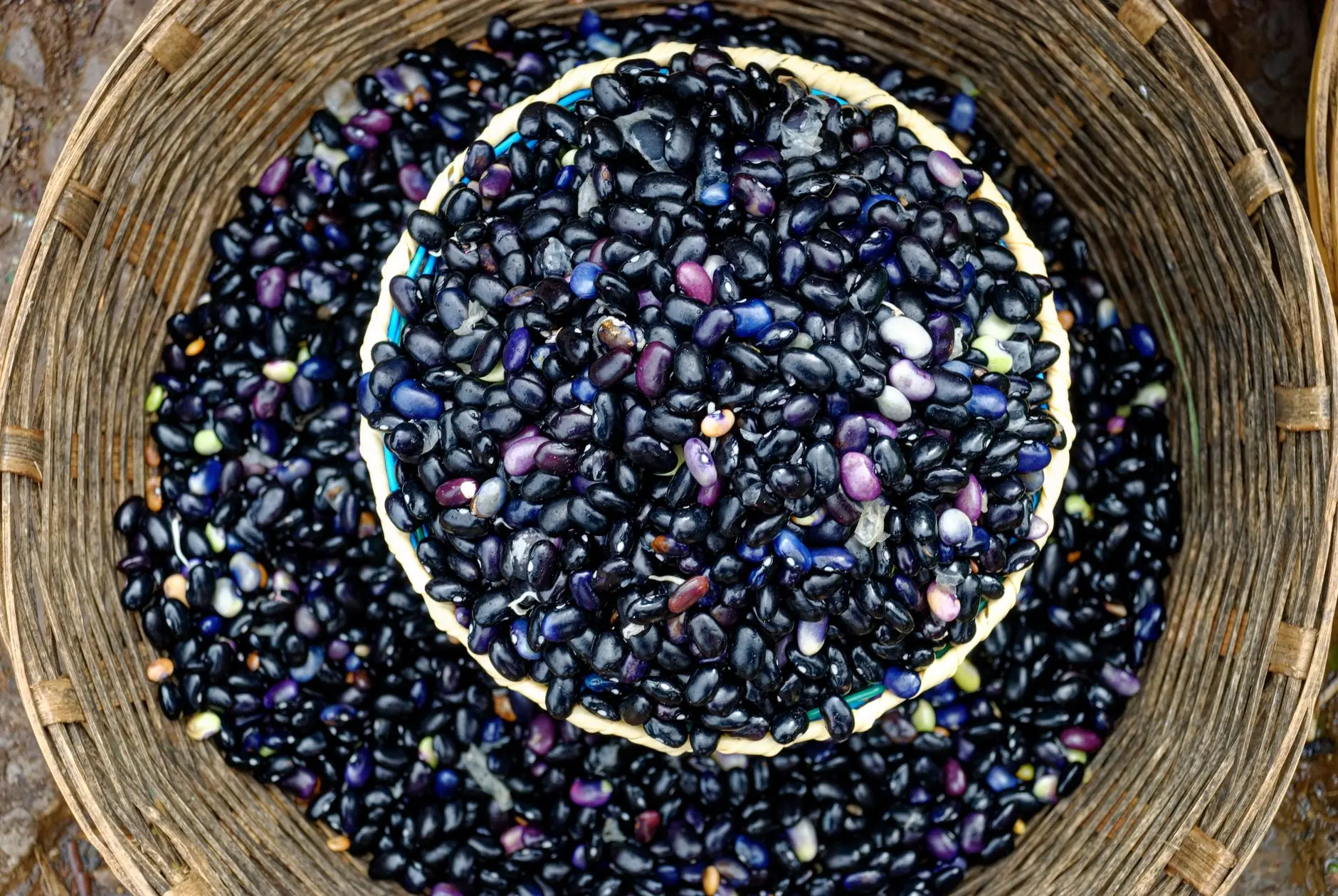
The clearest summary comes from a 2022 systematic review and meta-analysis in the American Journal of Clinical Nutrition that pooled 16 randomised controlled trials covering 1,251 adults with chronic constipation. Sixty-six percent of people given fiber responded to treatment, compared with 41 percent of those given a control. That is a real effect, and it is roughly a one in four absolute improvement.
Two details inside that analysis matter more than the headline. First, the benefit for response to treatment appeared only at doses above 10 grams of fiber per day. Second, improvements in stool frequency showed up only in the trials that used higher doses and ran for four weeks or longer. Fiber is not a same-day laxative, and small increases are unlikely to do much.
The review also found that psyllium and pectin were the two fiber types with statistically significant effects, and that flatulence was more common in the fiber groups. That side effect is worth planning around, because it is the main reason people quit before the four weeks are up.
The daily fiber target, and why most people fall short
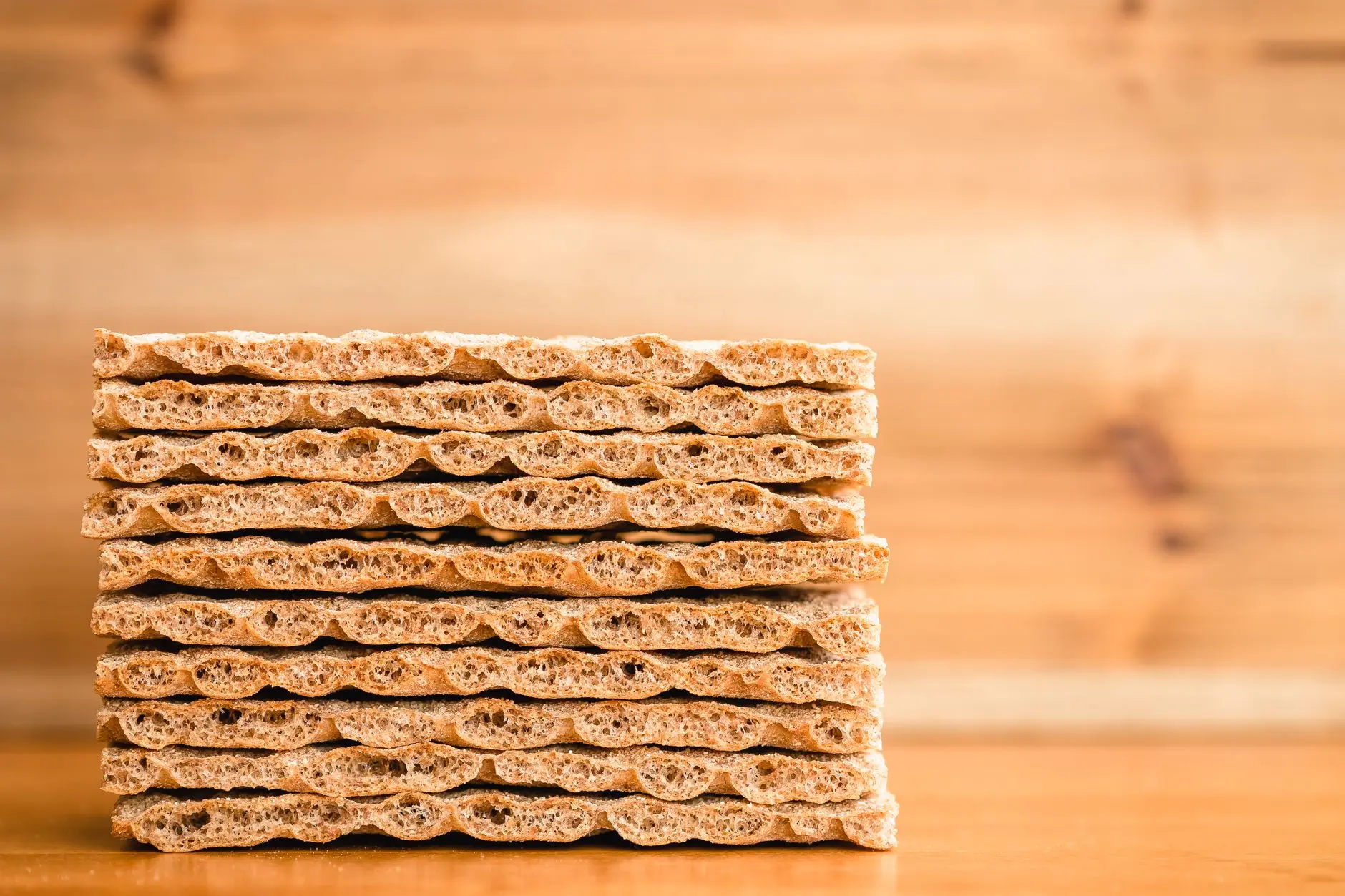
The National Institute of Diabetes and Digestive and Kidney Diseases puts the adult target at 22 to 34 grams of fiber a day depending on age and sex. Set against the trial data showing benefits above 10 grams per day of supplemental fiber, the practical reading is that you are aiming for a genuine daily total in the twenties or above, not a single high-fiber food dropped into an otherwise low-fiber week.
The same guidance adds two conditions that are easy to skip. Add fiber gradually so your body adjusts, and drink enough fluid alongside it, because fiber works by holding water. Fiber added to a low-fluid diet can make constipation feel worse rather than better, which is the single most common way this goes wrong. If you have no idea what your daily intake looks like, our water intake calculator gives you a number to aim at while you build the fiber up.
Kiwifruit performed better than psyllium head to head
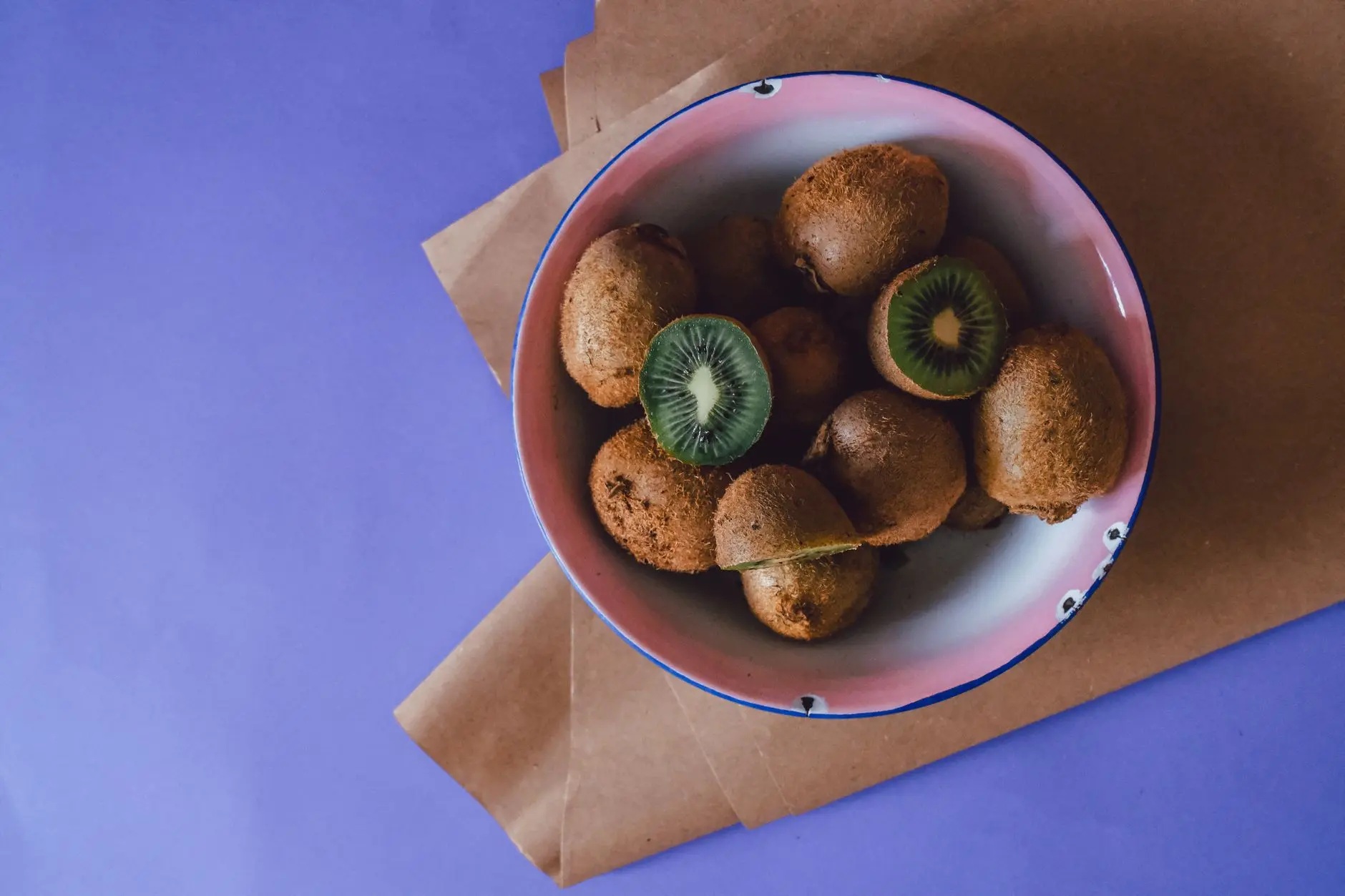
A 2024 systematic review and meta-analysis in Alimentary Pharmacology and Therapeutics pooled 23 studies covering 1,714 adults and compared actual foods rather than supplements. Fruits produced higher stool frequency than psyllium, by an average of 0.36 bowel movements per week, and kiwifruit specifically accounted for that result with the same 0.36 figure. Prunes, tested against psyllium, showed no significant difference.
The dose comes from a 2021 comparative trial in the American Journal of Gastroenterology that randomised 79 adults with chronic constipation to two green kiwifruit a day, 100 grams of prunes a day, or 12 grams of psyllium a day for four weeks. All three raised the number of complete spontaneous bowel movements. Kiwifruit and prunes both improved stool consistency, and all three reduced straining.
Two kiwifruit a day is an unusually easy intervention to keep up, which matters when the evidence says you need four weeks. The participants in that trial had a mean age of 42.7 years and 87 percent of them were women, so the findings map closely onto the group most likely to be reading this.
Prunes still work, at the dose the studies used
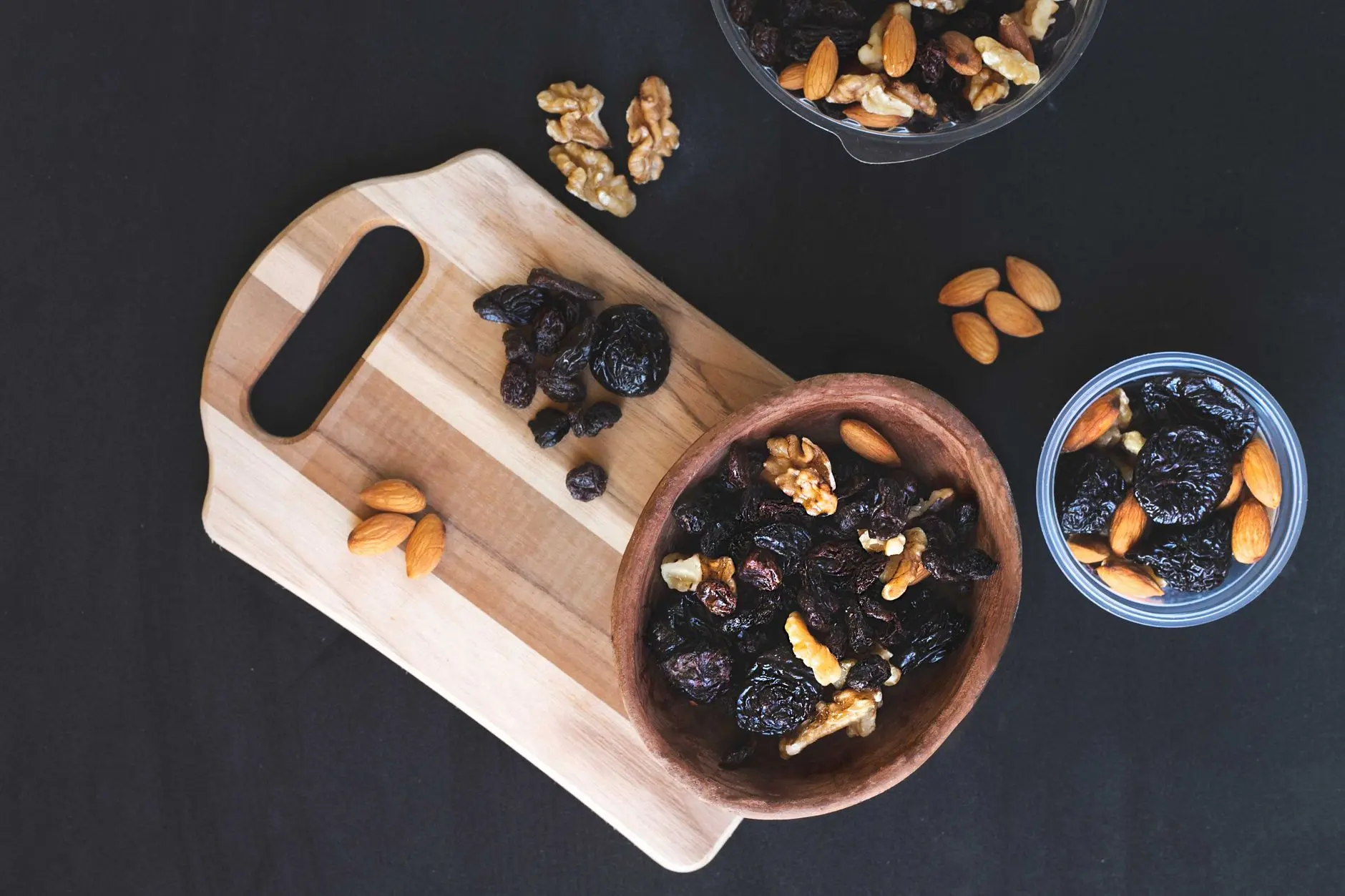
Prunes did not beat psyllium in the pooled analysis, but they did clearly improve stool consistency and straining in the trial above. The reason they underperform expectations in practice is usually dose. The research dose is 100 grams per day, which is roughly ten prunes, not the two or three most people eat.
Prunes work through two mechanisms at once. They supply fiber, and they contain sorbitol, a sugar alcohol that draws water into the bowel. That combination is also why a large portion causes gas and cramping in some people. If ten prunes is too much at once, splitting them across the day is more tolerable than abandoning the dose.
Rye bread and mineral water, two options that keep getting missed
The 2024 review turned up two findings that almost never make it into lists of high-fiber foods for constipation. Rye bread produced higher stool frequency than white bread, by 0.43 bowel movements per week. And high-mineral water produced a better response to treatment than low-mineral water, with a risk ratio of 1.47 across 539 participants.
Neither is dramatic on its own. Both are unusually easy swaps, since you are replacing something you already consume rather than adding a new habit. Swapping white bread for a dense wholegrain rye is one of the few changes here that costs no extra effort at all.
How much fiber is actually in everyday foods
Reaching the low twenties in grams is much easier when you know which high-fiber foods for constipation carry real weight rather than guessing. These values come from the Mayo Clinic high-fiber foods chart.
| Food | Serving | Fiber |
|---|---|---|
| Split peas, cooked | 1 cup | 16.0 g |
| Lentils, cooked | 1 cup | 15.5 g |
| Navy beans, cooked | 1 cup | 13.0 g |
| Chia seeds | 1 ounce | 10.0 g |
| Green peas, cooked | 1 cup | 9.0 g |
| Raspberries | 1 cup | 8.0 g |
| Barley, cooked | 1 cup | 6.0 g |
| Pear with skin | 1 medium | 5.5 g |
| Broccoli, chopped | 1 cup | 5.0 g |
| Apple with skin | 1 medium | 4.5 g |
| Oatmeal, cooked | 1 cup | 4.0 g |
| Almonds | 1 ounce | 3.5 g |
| Banana | 1 medium | 3.0 g |
The pattern is worth noticing. One cup of lentils carries more fiber than a banana, an apple, and a cup of oatmeal combined. Legumes do the heavy lifting, and a diet built on fruit alone rarely reaches the target. A cup of lentils at lunch plus a cup of raspberries and two kiwifruit already puts you past 25 grams before anything else counts. Chia seeds are the most concentrated option on the list, and we covered what happens when you eat chia seeds daily in more detail separately.
If you would rather work from finished meals than tally grams, our meal guides are built around these same staples.
Why constipation often gets harder after 40
Constipation becomes more common with age and is reported more often by women than men, which is part of why the trial populations skew the way they do. The 2021 comparative trial was 87 percent women with a mean age in the early forties, and that is not unusual for constipation research.
Falling and fluctuating hormone levels through perimenopause are a plausible contributor, since both estrogen and progesterone influence gut motility. The honest position is that this specific link has not been tested the way the fiber doses have, so treat it as a reasonable explanation rather than an established one. What does not change is the intervention. The doses that worked in the trials are the same doses to aim for, and the four-week timeline still applies.
Gut symptoms rarely travel alone at this stage of life. If yours come with bloating or discomfort more broadly, our guide to foods that support the gut lining covers the overlapping territory.
How to add fiber without the gas and bloating
Adding high-fiber foods for constipation too quickly is what causes most of the trouble. The fiber meta-analysis found more flatulence in the fiber groups, so expect some adjustment. A few things make it manageable.
- Add one new high-fiber food every few days rather than rebuilding your whole diet in a weekend. The gradual approach is in the official guidance for a reason.
- Raise fluid intake at the same time, since fiber needs water to work. This is the step people skip.
- Split large doses. Ten prunes or a large serving of legumes is better tolerated across two sittings than in one.
- Give it four weeks before judging. The trials that showed improved stool frequency ran at least that long.
- Start with soluble sources such as oats, psyllium, pears and chia if bloating is your main concern, since bulky insoluble fiber tends to be the harsher of the two early on.
Breakfast is the easiest meal to rebuild around fiber because the options are so repeatable. Oats, chia, berries and nuts cover a third of the day’s target in one bowl, and our anti-inflammatory breakfast ideas use most of the same ingredients.
When fiber is not the answer
Fiber helped about two thirds of people in the pooled trials, which means roughly a third did not respond. If high-fiber foods for constipation have not helped after four to six consistent weeks at a genuine 25 grams a day with adequate fluid, adding still more fiber is unlikely to be the fix, and for some types of constipation a very high fiber intake makes symptoms worse.
Some causes are not dietary at all. Thyroid problems, iron supplements, certain antidepressants, opioid painkillers, blood pressure medications and pelvic floor dysfunction all cause constipation that no amount of lentils will resolve. See a doctor rather than pushing the dose higher if you have blood in your stool, unexplained weight loss, persistent abdominal pain, a sudden change in bowel habit that lasts more than a few weeks, or constipation that began right after starting a new medication.
Frequently asked questions
How long do high-fiber foods take to relieve constipation?
Longer than most people expect. In the pooled randomised trials, improvements in stool frequency appeared only in studies that ran four weeks or more at adequate doses. Some people notice a change within a few days, but four weeks of consistency is the fair test before deciding fiber has not worked for you.
How much fiber do I need each day for constipation?
Official guidance from the NIDDK puts adults at 22 to 34 grams a day depending on age and sex. The trial evidence adds an important detail: benefits for response to treatment showed up only above 10 grams per day of added fiber, so small increases are unlikely to change anything. Aim for a genuine daily total in the twenties or above.
Which is better for constipation, kiwifruit or prunes?
In a head to head trial both worked, and both improved stool consistency and straining. In the larger 2024 meta-analysis, fruits and kiwifruit in particular produced higher stool frequency than psyllium, while prunes showed no significant difference against psyllium. Kiwifruit also tends to be easier to keep up, since the trial dose is two a day compared with 100 grams of prunes.
Can eating more fiber make constipation worse?
Yes, in two situations. If you increase fiber without increasing fluid, the extra bulk has nothing to absorb and stools can become harder to pass. And for some types of constipation, particularly where slow transit or pelvic floor dysfunction is the cause, a very high fiber intake can worsen bloating and discomfort. If four to six consistent weeks bring no improvement, see a doctor rather than eating more fiber.
Does fiber cause bloating and gas?
Often at first. The 2022 meta-analysis specifically found more flatulence in the fiber groups than the control groups. It usually settles as your gut adapts, and adding one new high-fiber food every few days rather than all at once makes a large difference to how noticeable it is.
Sources
- Eating, Diet, and Nutrition for Constipation. National Institute of Diabetes and Digestive and Kidney Diseases (NIDDK), 2024
- The Effect of Fiber Supplementation on Chronic Constipation in Adults: An Updated Systematic Review and Meta-Analysis of Randomized Controlled Trials. American Journal of Clinical Nutrition, 2022
- Systematic review and meta-analysis: Foods, drinks and diets and their effect on chronic constipation in adults. Alimentary Pharmacology and Therapeutics, 2024
- Exploratory Comparative Effectiveness Trial of Green Kiwifruit, Psyllium, or Prunes in US Patients With Chronic Constipation. American Journal of Gastroenterology, 2021
- Chart of high-fiber foods. Mayo Clinic, 2025
This article is general health information for adults and not medical advice. It does not know your history, your medication or your results. For a decision about your own health, talk to a doctor or another qualified clinician who does.


