
The best foods for hair loss in women are not the ones most beauty blogs recommend. Almost every list online repeats the same four words: eat more protein, biotin, iron, and omega-3s. Few explain why a woman can eat a completely normal diet, pass a standard blood test with flying colors, and still watch her ponytail get visibly thinner. The missing piece is usually a lab value most doctors never order: serum ferritin, the protein that stores iron in your body.
If you also take creatine and have wondered whether it contributes, we examined the single study behind that worry in does creatine cause hair loss.
Hair follicles are metabolically active but not essential to survival, so when your body’s iron reserves run low, it pulls iron away from the scalp long before your hemoglobin ever drops low enough to register as anemia on a routine complete blood count. A woman can have a completely normal hemoglobin reading, no anemia diagnosis, and ferritin low enough to trigger significant diffuse shedding. This guide covers the 10 best foods for hair loss in women, organized by the actual biological mechanism each one supports, so you understand what you are eating for and why.
The 10 Best Foods for Hair Loss in Women at a Glance
Each food below targets a specific mechanism behind female hair shedding, explained section by section:
- Beef and lamb: heme iron to rebuild ferritin stores
- Oysters: iron plus zinc for follicle repair
- Sardines: heme iron plus omega-3s for the scalp
- Lentils and chickpeas: plant iron, best paired with vitamin C
- Eggs: complete protein and biotin for keratin
- Wild salmon: protein plus EPA and DHA
- Greek yogurt: protein with calcium and B12
- Pumpkin seeds: zinc for follicle and oil gland function
- Spinach and dark leafy greens: non-heme iron plus beta-carotene
- Bell peppers and citrus: vitamin C that raises iron absorption
Best Foods for Hair Loss in Women: Why Standard Bloodwork Misses the Cause
Most primary care visits for hair shedding start and end with a hemoglobin or hematocrit check. Both are useful for diagnosing anemia, but neither reflects how much iron your body has stored in reserve. Ferritin is the protein that holds that reserve, and it is the marker research consistently connects to female hair loss, not hemoglobin.
A systematic review and meta-analysis of 10,029 women found that women with nonscarring hair loss (the category that includes telogen effluvium and female pattern hair loss) had significantly lower ferritin levels than women without hair loss, with a mean difference of 18.51 ng/dL. A separate case-control study of women with telogen effluvium found average ferritin of 24.3 ng/mL in shedding patients compared to 44.8 ng/mL in controls without hair loss, a statistically significant gap even though both groups could easily fall inside a lab’s normal reference range. This is why a woman can be told her bloodwork is fine while her ferritin sits at a level dermatology research repeatedly links to shedding.
The practical takeaway is not to self-diagnose or self-supplement blindly. It is to understand that food choices which rebuild iron stores, not just prevent anemia, are doing real physiological work for your hair, and to ask your doctor specifically for a ferritin test if a CBC alone came back normal.
Iron-Rich Foods to Rebuild Ferritin Stores
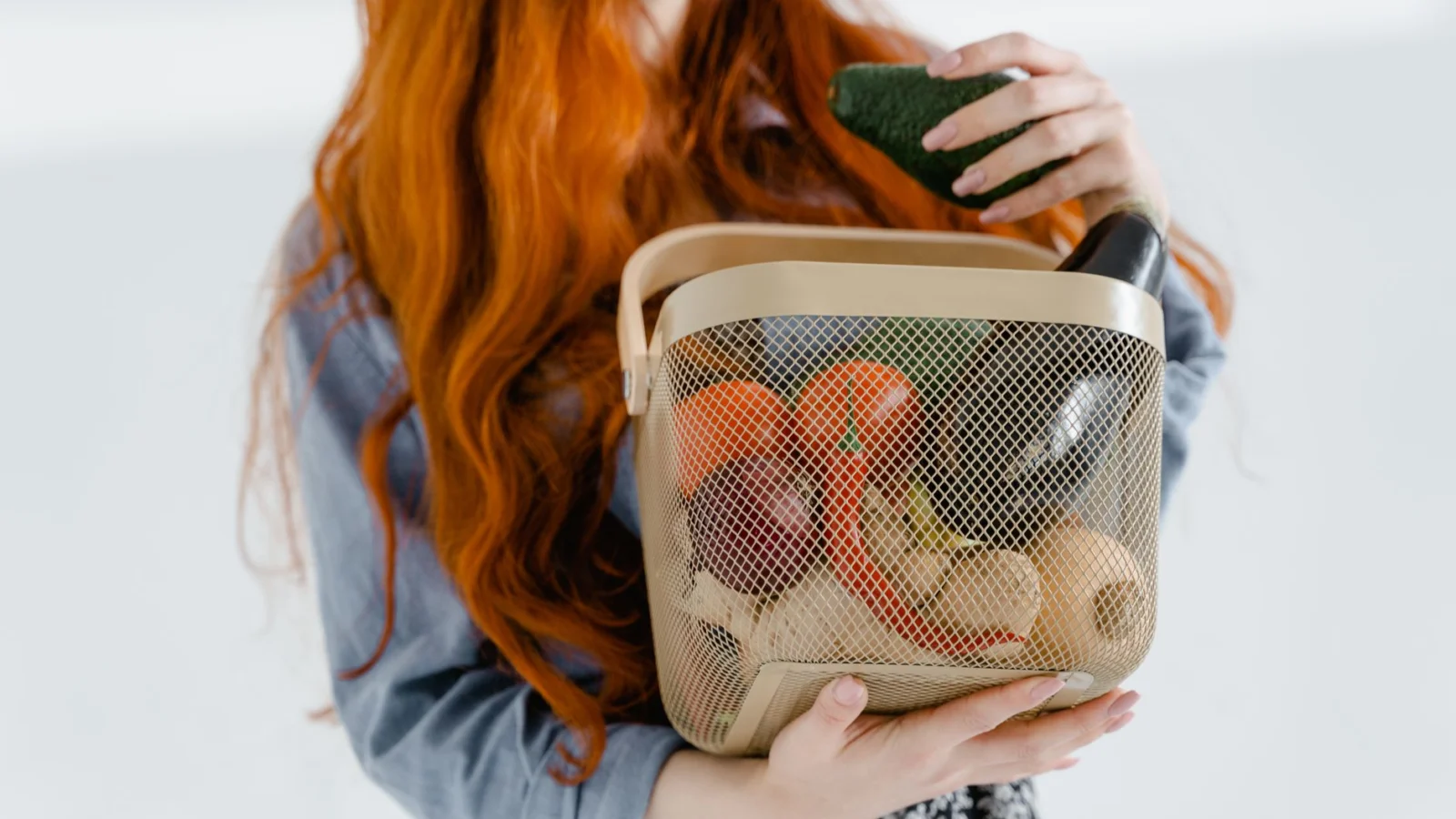
Among the best foods for hair loss in women, iron sources come first because ferritin is the single biomarker most consistently tied to shedding in the research above. Heme iron, the form found in animal foods, is absorbed two to three times more efficiently than the non-heme iron found in plants, which matters when the goal is rebuilding a depleted ferritin reserve rather than just meeting a daily minimum.
- Beef and lamb: among the most concentrated heme iron sources available, with roughly 2 to 3 mg of highly absorbable iron per 3-ounce serving.
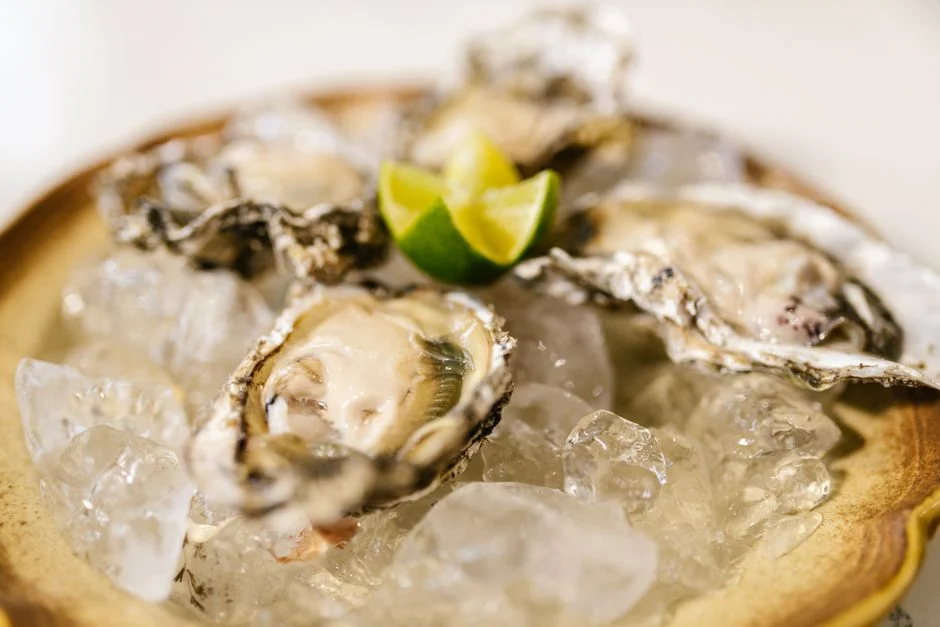
- Oysters: deliver both iron and zinc in one food, two minerals that work together in follicle repair.
- Sardines with bones: a heme iron source that also supplies omega-3 fatty acids for scalp inflammation control.
- Lentils and chickpeas: a non-heme option worth pairing with a vitamin C source (below) to raise absorption for anyone eating plant-forward.
If your hair shedding is tied to heavy menstrual bleeding specifically, the absorption details matter even more, since some common iron sources are far less bioavailable than they appear on a nutrition label. Our guide to iron rich foods for heavy periods breaks down which foods deliver iron your body can actually use.
Protein and Biotin Foods for Keratin Production
The next tier of best foods for hair loss in women targets keratin directly. Hair fiber is roughly 95% keratin, a structural protein your body assembles from dietary amino acids. When total protein intake drops, whether from restrictive dieting or simply an unbalanced day-to-day diet, hair follicles are deprioritized in favor of organs that keep you alive, and shift more follicles into the resting (telogen) phase.
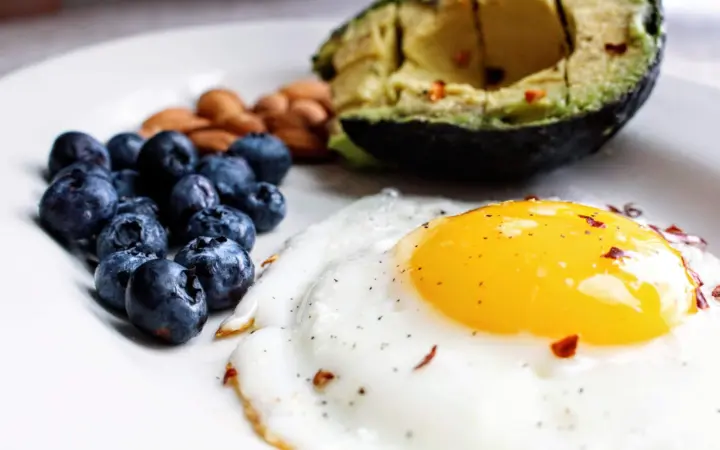
- Eggs: a complete protein and the richest common food source of biotin (vitamin B7), a cofactor your body needs to synthesize keratin.
- Wild salmon: protein plus omega-3s, covered further below.
- Greek yogurt: protein density with the added benefit of calcium and B12 in the same serving.
For a practical way to hit a protein target without overthinking every meal, see our guide to high protein snacks under 300 calories, several of which double as biotin or zinc sources on this list.
Zinc-Rich Foods for Follicle Repair and Oil Gland Function
Another category among the best foods for hair loss in women centers on zinc. Zinc supports the tissue growth and repair cycle inside each hair follicle and helps regulate the sebaceous (oil) glands that keep the scalp environment healthy. Both very low and extremely excessive zinc intake have been linked to hair shedding in research, which is another reason to favor food sources over high-dose supplements unless a deficiency has actually been confirmed by bloodwork.
- Pumpkin seeds: roughly 2.2 mg of zinc per ounce, plus magnesium and healthy fats.
- Cashews: a convenient snack-sized zinc source.
- Chickpeas: zinc alongside plant-based iron and fiber.
Omega-3 and Anti-Inflammatory Foods for Scalp Health
Chronic low-grade inflammation around the hair follicle has been associated with disrupted growth cycling in dermatology research. Omega-3 fatty acids, particularly EPA and DHA, help modulate that inflammatory response and support the blood flow that carries nutrients to the follicle.
- Fatty fish (salmon, mackerel, sardines): the most direct dietary source of EPA and DHA.
- Walnuts: a plant-based source of alpha-linolenic acid, a precursor omega-3.
- Flaxseed and chia seeds: easy additions to oatmeal or yogurt for a daily omega-3 boost.
If scalp and skin inflammation is a broader pattern for you, not just isolated to hair, our guide to anti-inflammatory breakfast ideas for women covers additional options that fit the same mechanism.
Vitamin C and Vitamin A Foods to Support Iron Absorption
Rounding out the best foods for hair loss in women, vitamin C converts non-heme iron into a form your gut absorbs far more efficiently, which is especially useful for anyone leaning on plant-based iron sources. Vitamin A, in the form of beta-carotene from produce, supports sebum production that keeps hair follicles lubricated, but this is a case where more is not better: excess preformed vitamin A from high-dose supplements is itself a documented cause of hair shedding, so food sources are the safer route.
- Bell peppers and citrus fruit: pair either with a lentil or spinach-based meal to meaningfully raise iron absorption.
- Sweet potato: a beta-carotene source your body converts to vitamin A as needed, without the toxicity risk of a supplement.
- Spinach and other dark leafy greens: contribute both non-heme iron and beta-carotene in the same food.
Nutrient absorption also depends heavily on gut health, since a compromised gut lining can blunt how well you extract iron, zinc, and B vitamins from food in the first place. Our article on foods that heal gut lining naturally covers that connection in more depth.
Foods and Habits That Can Make Hair Shedding Worse
Knowing the best foods for hair loss in women only helps if you are not simultaneously undoing the work elsewhere. Diet mistakes are just as often the trigger as diet gaps. A few patterns worth watching:
- Rapid or severe caloric restriction: crash diets and very low-calorie plans are a well-documented trigger for telogen effluvium, typically showing up as noticeable shedding two to three months after the restriction began, which makes the connection easy to miss.
- Very low protein intake: especially common in restrictive diets that cut whole food groups without a plan to replace their nutrients.
- High-dose biotin supplements: megadosing biotin has little evidence behind it for hair growth in people without an actual deficiency, and it can meaningfully skew thyroid and other hormone lab results, leading to a missed or incorrect diagnosis.
- Excess preformed vitamin A: from high-dose retinol or multivitamin stacking, not from food sources like sweet potato or carrots.
A Sample One-Day Meal Plan Using the Best Foods for Hair Loss in Women
A practical way to put this together without tracking every gram:
- Breakfast: two eggs scrambled with spinach, plus a side of orange or bell pepper strips for vitamin C.
- Lunch: lentil salad with chickpeas, walnuts, and a citrus vinaigrette.
- Snack: Greek yogurt with a tablespoon of chia seeds and pumpkin seeds.
- Dinner: grilled salmon or sardines with roasted sweet potato and a side salad.
This single day covers heme and non-heme iron, biotin, zinc, omega-3s, and both vitamin C and beta-carotene, without needing a supplement stack layered on top.
Hair follicles need enough protein and enough energy before any single food matters; how many calories you should eat a day sets both targets, with a worked example for a woman over 40.
Frequently Asked Questions
How long does it take for diet changes to show up in hair growth?
Hair grows in cycles, and a strand that starts regrowing today will not be visibly longer for two to three months at minimum. Most people who correct an iron or protein gap notice reduced shedding (fewer hairs in the brush or drain) before they notice new growth, typically somewhere in the three to six month range.
Can hair loss from low ferritin actually be reversed?
In most cases of telogen effluvium tied to low iron stores, yes. Hair follicles that have shifted into the resting phase due to nutrient depletion generally resume normal cycling once ferritin is rebuilt, though it takes months rather than weeks and some women need supplementation on top of diet changes to close the gap.
What ferritin level is considered too low for healthy hair?
Reference ranges vary by lab, and a level that counts as normal for ruling out anemia is not the same threshold dermatology research associates with healthy hair growth. This is a conversation to have directly with your doctor using your specific lab’s reference range, rather than a single number to self-apply.
Should I take an iron supplement instead of just eating iron-rich foods?
Iron supplements should be based on an actual blood test, not assumed. Unlike most vitamins, excess iron does not simply get excreted. It accumulates and can be harmful at high levels, so supplementing without confirmed low ferritin is not a shortcut worth taking on your own.
Does biotin supplementation actually help hair growth?
Only in people with a genuine biotin deficiency, which is uncommon. For most women with adequate dietary biotin from eggs, nuts, and fish, extra supplementation has limited evidence of benefit and can distort certain lab tests, including thyroid panels.
Conclusion
The best foods for hair loss in women work by rebuilding what dermatology research actually measures: iron stores, protein and biotin for keratin, zinc for follicle repair, omega-3s for scalp inflammation, and the vitamin C and A that support absorption and sebum production. None of it requires a supplement aisle to start. It requires knowing that a normal hemoglobin does not rule out low ferritin, that crash diets show up as shedding months later, and that consistent, mechanism-backed food choices are what move the needle over the following growth cycles.
Related Articles
- Best Foods to Eat During Ovulation: 12 That Work by Mechanism
- Best Foods to Eat During Menstrual Phase: 12 That Work by Mechanism
- Foods That Heal Gut Lining Naturally: 10 That Work by Mechanism
This article is for informational purposes only and does not constitute medical advice. Diffuse or patchy hair loss can have causes beyond nutrition, including thyroid disorders, autoimmune conditions, and hormonal changes. Consult a doctor or dermatologist for an accurate diagnosis and personalized treatment plan, especially before starting any new supplement.
Sources
- PubMed Central, NIH. Iron Deficiency and Nonscarring Alopecia in Women: Systematic Review and Meta-Analysis.
- PubMed Central, NIH. Assessment of Serum Ferritin Levels in Female Patients With Telogen Effluvium.