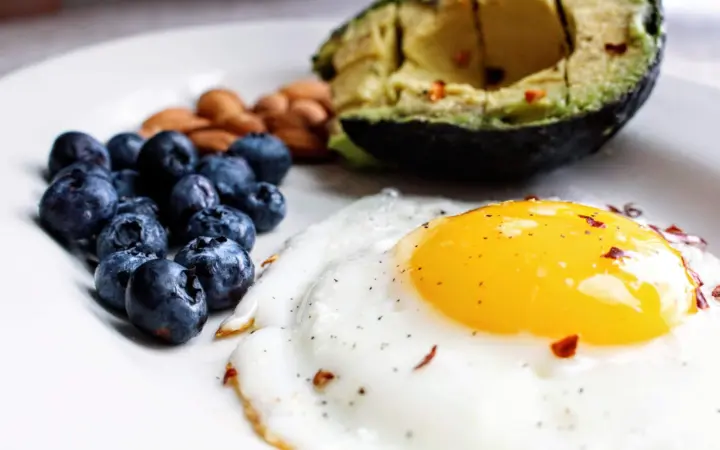


Choosing an MTHFR diet starts with one simple idea: this is a folate nutrition question, not a diagnosis. If a genetic test or an at-home DNA kit flagged an MTHFR variant, the most useful thing you can do is build meals around naturally folate-rich foods. The most useful thing you can avoid is the enormous amount of marketing built on top of these three letters.
That marketing matters, because much of what circulates online about foods to eat with MTHFR gene variants is either overstated or flatly contradicted by the agencies that study folate for a living. This guide sticks to what public health sources actually say, names the claims that are not supported, and gives you a practical folate-forward way of eating that helps whether or not you carry a variant.
What an MTHFR Variant Actually Is (and How Common It Is)
MTHFR is a gene that provides instructions for an enzyme called methylenetetrahydrofolate reductase. That enzyme helps your body convert folate, vitamin B9, into the active form it uses to build DNA and process an amino acid called homocysteine.
The most studied variant swaps a single DNA building block at position 677, written as 677C>T. According to MedlinePlus Genetics, the NIH consumer genetics resource on the MTHFR gene, people who carry this change in both copies of the gene tend to have somewhat reduced enzyme activity and mildly elevated homocysteine in the blood.
Here is the part that rarely makes it into the headline: these variants are ordinary. Roughly 60 to 70 percent of people carry at least one copy of a common MTHFR variant, and about 10 percent carry two. Carrying one puts you in the majority, not in a diagnostic category. That is worth holding onto before you rebuild your shopping list, because for most carriers the foods to eat with MTHFR variants turn out to be the foods everyone benefits from anyway.
The vast majority of carriers have no clinical problem at all and never learn their status, because testing is not part of routine care. The American College of Medical Genetics and Genomics recommended in 2013, and reaffirmed in 2020, that MTHFR genotyping should not be ordered in the workup for blood clotting disorders or recurrent pregnancy loss. The American College of Obstetricians and Gynecologists reached the same conclusion. If you were tested through a direct-to-consumer kit rather than by a doctor, you were screened for something the specialty societies do not recommend screening for.
Folate Versus Folic Acid: The Difference That Actually Matters
Folate is the umbrella term for vitamin B9 in all its forms. It shows up in three ways worth separating:
- Natural food folate is what occurs in leafy greens, beans, liver, asparagus and citrus.
- Folic acid is the synthetic form added to enriched grains, and the form used in most standard supplements and in mandatory grain fortification.
- 5-MTHF, or methylfolate, is the already-activated form sold as a premium supplement, and the one most heavily marketed to people with MTHFR variants.
Food labels measure all of this in mcg DFE, micrograms of dietary folate equivalents, which adjusts for the fact that folic acid is absorbed more efficiently than natural food folate. The NIH Office of Dietary Supplements folate fact sheet puts the Daily Value at 400 mcg DFE for adults.
Marketing tends to frame this as natural folate good, folic acid bad, and most published lists of foods to eat with MTHFR variants are built on that frame. The evidence does not support it, and the next two sections explain why.
The MTHFR Diet: The Best Foods to Eat With the Mutation
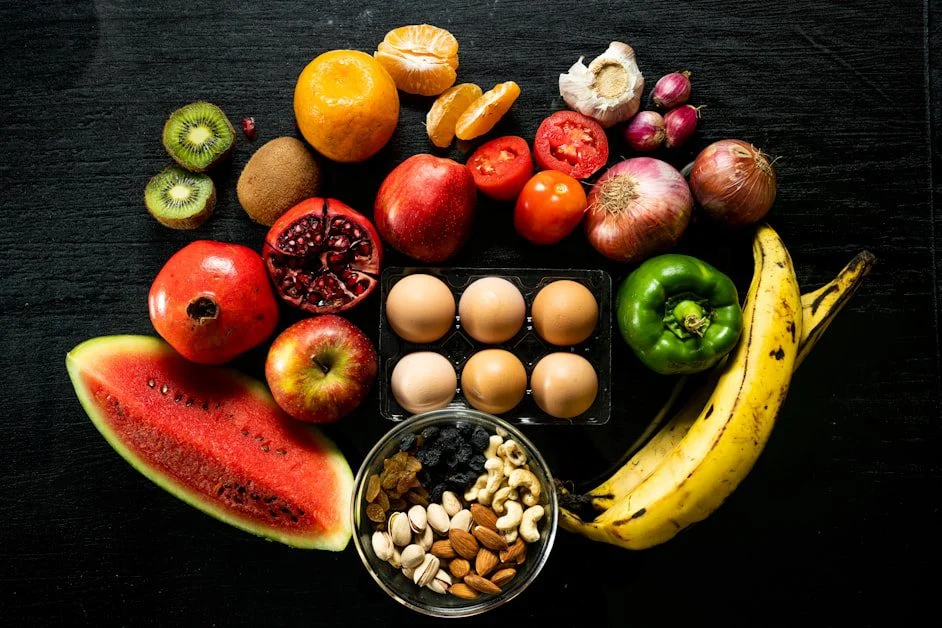
The genuinely useful advice is unglamorous: eat more of the foods that are naturally dense in folate. These are the same foods that support anyone’s folate status, which is exactly why this approach is safe to follow without a genetic test.
The figures below come from the NIH Office of Dietary Supplements folate fact sheet linked above, measured per realistic serving rather than per 100 grams, so you can see how a day adds up against the 400 mcg DFE target.
| Food | Serving | mcg DFE | Percent of Daily Value |
|---|---|---|---|
| Beef liver, braised | 3 ounces | 215 | 54% |
| Spinach, boiled | 1/2 cup | 131 | 33% |
| Black-eyed peas, boiled | 1/2 cup | 105 | 26% |
| Asparagus, boiled | 4 spears | 89 | 22% |
| Brussels sprouts, boiled | 1/2 cup | 78 | 20% |
| Romaine lettuce, shredded | 1 cup | 64 | 16% |
| Avocado, sliced | 1/2 cup | 59 | 15% |
| Spinach, raw | 1 cup | 58 | 15% |
Working from that table, the foods to eat with MTHFR variants in mind fall into four groups. Dark leafy greens lead the list, and cooking concentrates them: a half cup of boiled spinach delivers more than double what a full cup of raw spinach does, simply because it packs down. Legumes such as black-eyed peas, lentils and chickpeas are the most reliable everyday source, since they carry folate alongside fibre and protein.
Cruciferous vegetables including Brussels sprouts, broccoli and asparagus fill out the middle of the range. And organ meats, particularly beef liver, are far and away the densest single source, though most people will not eat them weekly. If liver is not appealing, the practical answer is simply more beans and more greens.
Building meals from these foods to eat with MTHFR results in mind pairs naturally with the way we approach plant-based foods that make meatless meals genuinely satisfying, since legumes and greens sit at the centre of both.
One honest caveat, and it comes directly from the CDC: it can be difficult for most people to reach the recommended daily amount from natural food folate alone. Food-first is a good strategy. Food-only is a harder one than most articles on this topic admit, and any honest list of foods to eat with MTHFR variants should say so rather than implying that greens alone will cover you.
The Folic Acid Myth: What the CDC Actually Says
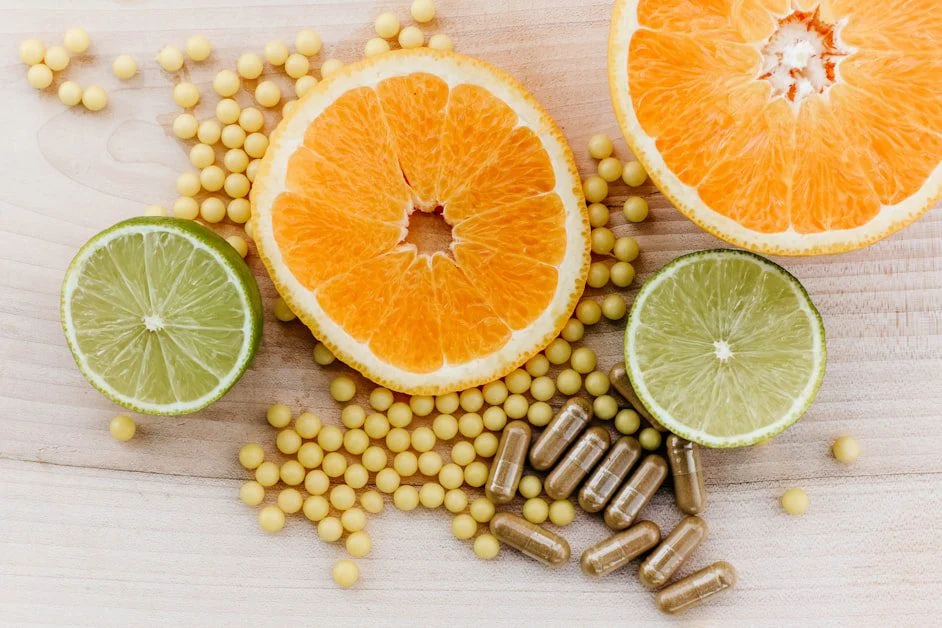
This is the single most repeated claim about MTHFR, and it is the one worth reading carefully, because it is wrong.
The advice you will find across most search results is that carrying an MTHFR variant means your body cannot process folic acid, so you should avoid enriched grains, fortified cereals and any supplement containing folic acid, and switch to methylfolate instead.
The CDC page on MTHFR gene variants and folic acid addresses this directly. Its wording is unusually blunt for a public health agency: you may have heard that if you have an MTHFR variant you should avoid folic acid and take other forms such as 5-MTHF, however this is not true. People with an MTHFR gene variant can process all types of folate, including folic acid.
The numbers behind that statement are modest and specific. People with the 677 TT genotype, meaning two copies of the variant, end up with average blood folate only about 16 percent lower than people with no copies when both take in the same amount. Getting 400 mcg of folic acid daily raises blood folate levels regardless of genotype. As the CDC puts it, your folic acid intake matters more than your MTHFR genotype in determining how much folate is in your blood.
For balance, the NIH is slightly softer in its consumer materials. Its consumer fact sheet on folate notes that 5-MTHF supplements might be easier for some people with the C677T variant to use. It still recommends folic acid, not 5-MTHF, for anyone who could become pregnant. So there is room for nuance about supplement forms. There is no support for the claim that you must avoid folic acid or strip fortified foods out of your diet.
The reason this myth persists is not mysterious. Most of the pages promoting it, including the ones publishing their own lists of foods to eat with MTHFR mutation results, also sell methylfolate. Reading nutrition claims with an eye on who profits from them is a habit worth building, and it applies well beyond this topic, as we covered in our look at health food store myths that do not hold up.
If You Could Become Pregnant, This Is the Part That Matters
Everything above is general nutrition. This section is the exception, because it is the one place where getting the advice wrong carries real consequences.
Folic acid is the only form of folate shown to help prevent neural tube defects, the serious birth defects of the brain and spine that include spina bifida and anencephaly. That is why the recommendation is 400 mcg of folic acid daily for everyone who could become pregnant, and why the CDC guidance for clinicians on folic acid states plainly that this applies no matter which MTHFR genotype a patient has.
It also notes there are no clinical recommendations at this time to test for MTHFR status, or to consume a different amount of folate based on genotype.
This is where the popular MTHFR advice becomes actively risky. About half of pregnancies are unplanned, neural tube defects form in the first weeks before most people know they are pregnant, and the pages telling readers to throw out folic-acid-containing prenatal vitamins are aimed squarely at people of reproductive age. Choosing foods to eat with MTHFR variants in mind is a fine goal. Dropping folic acid to chase it is not, and no genetic result changes that recommendation.
Other Nutrients That Work Alongside Folate
Folate does not operate alone, and a few other nutrients are worth eating well for. This is ordinary balanced-diet advice rather than anything MTHFR-specific, which is precisely the point.
Vitamin B12 works with folate in the same pathway that clears homocysteine. It comes from animal foods: fish, meat, eggs, dairy. People eating fully plant-based diets are the group most likely to fall short and most likely to benefit from a supplement.
Vitamin B6 supports a parallel route for processing homocysteine and is found in poultry, fish, potatoes, chickpeas and bananas. Riboflavin, or vitamin B2, is the direct cofactor for the MTHFR enzyme itself and appears in dairy, eggs, almonds and, again, leafy greens.
Choline contributes to an alternative pathway for handling homocysteine, and eggs are the standout source. Eggs get named on a lot of MTHFR avoid-lists with no good reason, and they are one of the better foods to eat with MTHFR variants given their choline content.
You will notice these overlap almost completely with the greens, legumes, eggs and fish already on your list. A varied diet covers this without a supplement protocol, and it lines up with the same principles behind anti-inflammatory breakfast ideas built around whole foods.
Claims About MTHFR That Are Not Supported
A striking share of MTHFR content attributes a long list of conditions to these variants. Being clear about what the evidence does not show is as useful as knowing what to eat.
MTHFR variants are not established as the cause of depression, anxiety, autism, ADHD, miscarriage or autoimmune disease. These associations get asserted confidently across supplement-selling sites. MedlinePlus Genetics, reviewing the research on neural tube defects specifically, states that it remains unclear how these variations affect the developing brain and spinal cord. That is the appropriate level of certainty, and it is a long way from a diagnosis.
Mildly raised homocysteine is not the same as heart disease. Homocysteine has been weakly associated with cardiovascular risk, but the association is not established as causal, and lowering it with vitamins has not reliably improved outcomes. Many things raise homocysteine, including plain folate, B12 and B6 shortfalls.
There is no “impaired detox” mechanism. The idea that an MTHFR variant leaves you unable to clear heavy metals or household chemicals appears frequently in this niche and does not come from the genetics literature.
A1298C is even less clear-cut. The CDC states there is not enough evidence that the A1298C variant alone significantly affects how the body processes folate.
None of this means your symptoms are imaginary. It means an MTHFR result is unlikely to be their explanation, and treating it as one can delay finding the actual cause. Questioning confident nutrition claims is a theme we have returned to before in why much of what you know about nutrition may be wrong.
A Sample Day of Foods to Eat With MTHFR Mutation in Mind
Here is what an ordinary day of foods to eat with MTHFR variants in mind looks like when it is built around folate density. No elimination, no label-avoidance, no supplement stack.
Breakfast: Two eggs scrambled with a large handful of spinach wilted in, plus an orange. The spinach and juice together contribute meaningful folate, and the eggs bring choline and B12.
Lunch: A romaine-based salad with chickpeas, sliced avocado and grilled chicken. Romaine at 64 mcg DFE per cup, chickpeas and avocado at 59 mcg DFE per half cup stack up quickly.
Dinner: Salmon with a side of roasted asparagus and Brussels sprouts. Four spears of asparagus and a half cup of sprouts contribute 89 and 78 mcg DFE respectively, and the salmon covers B12 and B6.
Snack: A handful of almonds for riboflavin, or black-eyed peas folded into a soup earlier in the week.
That pattern comfortably clears 400 mcg DFE without anything exotic. It is also, not coincidentally, a gut-friendly way to eat, overlapping with the fibre-rich approach behind foods that support the gut lining naturally.
Whatever your MTHFR status, the daily energy and protein targets come first, and how many calories you should eat a day works them out from your size, age and activity.
Frequently Asked Questions
What are the best foods to eat with MTHFR mutation results?
The best foods to eat with MTHFR variants are the ones naturally highest in folate: dark leafy greens such as spinach, legumes such as black-eyed peas, lentils and chickpeas, cruciferous vegetables including asparagus and Brussels sprouts, avocado, citrus fruit, eggs for choline, and beef liver if you eat it. A half cup of boiled spinach supplies 131 mcg DFE and a half cup of black-eyed peas supplies 105 mcg DFE, against a 400 mcg DFE daily target.
Should I avoid folic acid if I have an MTHFR variant?
No. The CDC states directly that people with an MTHFR gene variant can process all types of folate, including folic acid, and that common variants such as C677T are not a reason to avoid it. People with two copies of the 677 variant have blood folate only about 16 percent lower than non-carriers at the same intake. For anyone who could become pregnant, the CDC’s recommendation is 400 mcg of folic acid a day whatever the genotype, and how that fits a known variant is a question to ask your doctor.
Are there any foods I need to avoid with an MTHFR mutation?
No specific foods need to be eliminated because of an MTHFR variant. Enriched breads, pasta, rice and fortified cereals appear on many online avoid-lists because they contain folic acid, but that advice is not supported by CDC guidance. General healthy-eating principles still apply, including moderating alcohol, which interferes with folate absorption regardless of genotype. In practice the foods to eat with MTHFR variants matter far more than any list of foods to avoid.
Do I need a methylfolate supplement instead of folic acid?
Not necessarily. The NIH notes that 5-MTHF might be easier for some people with the C677T variant to use, so it is a reasonable option for general supplementation. However, folic acid is the form the neural tube defect trials used and the one the CDC names for anyone who could become pregnant. Talk to your own doctor before switching forms or starting high-dose products.
Is MTHFR testing worth doing?
For most people, no. The American College of Medical Genetics and Genomics and the American College of Obstetricians and Gynecologists both recommend against routine MTHFR testing, and the CDC notes there are no clinical recommendations to test for MTHFR status or to change folate intake based on genotype. The result does not typically change what a doctor would advise.
The Bottom Line
The honest answer about foods to eat with MTHFR mutation results is reassuring rather than complicated. Eat more spinach, beans, asparagus, Brussels sprouts, avocado, citrus and eggs. Those foods raise your folate intake, and they do it whether you carry a variant or not.
What you do not need is an avoid-list. The claim that MTHFR carriers cannot handle folic acid is contradicted by the CDC, the variants themselves are carried by most of the population, and the specialty societies do not recommend testing for them in the first place. If you could become pregnant, keep taking folic acid.
Choosing good foods to eat with MTHFR in mind is really just choosing a folate-rich diet, which was worth doing anyway. That is a far better use of your attention than a supplement protocol built on a result that most carriers never needed to know.
Related Articles
- Best Foods to Eat During Ovulation: 12 That Work by Mechanism
- Best Foods to Eat During Menstrual Phase: 12 That Work by Mechanism
- What to Eat on Night Shift (And When to Stop Eating)
Medical disclaimer: This article is for informational purposes only and is not a substitute for professional medical advice, diagnosis or treatment. MTHFR variants and folate needs vary between individuals, particularly during pregnancy. Always consult a qualified healthcare professional before making changes to your diet or supplement routine.
Sources
- MedlinePlus, NIH. MTHFR gene: MedlinePlus Genetics.
- NIH Office of Dietary Supplements. Folate – Health Professional Fact Sheet.
- CDC. MTHFR Gene Variant and Folic Acid Facts | Folic Acid.
- NIH Office of Dietary Supplements. consumer fact sheet on folate.
- CDC. Folic Acid: Facts for Clinicians | Folic Acid.