


The short answer to how to lose weight without exercise is that it works, because diet is what drives weight loss in the first place. Exercise burns fewer calories than almost everyone assumes, and it is easy to eat back an hour of effort in five minutes.
The longer answer is that skipping exercise costs you something real. It just is not the thing on the scale. Understanding that trade is what separates a plan that works from one that quietly makes you less healthy at a lower body weight.
Why diet drives the scale and exercise does not
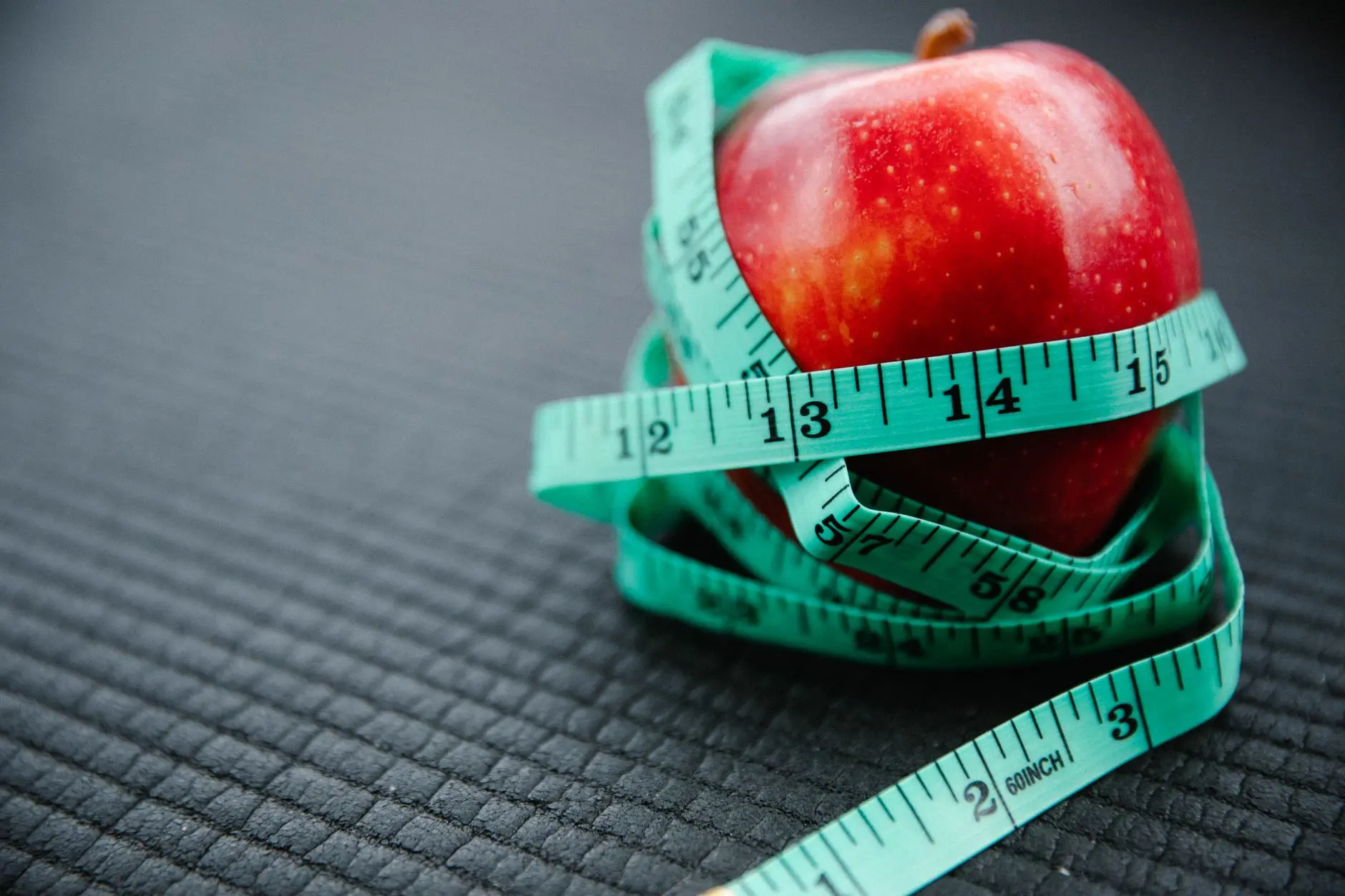
Energy balance decides body weight, and the food side of that equation is vastly easier to move. Cutting 500 calories a day from what you eat is an ordinary adjustment. Burning 500 through deliberate exercise means something like an hour of hard effort, daily, and most people compensate afterwards by eating more or moving less for the rest of the day without noticing.
None of that makes exercise pointless. It makes exercise a poor weight loss tool and a very good health tool, which are different claims that get muddled constantly. If you have been blaming a stalled scale on not getting to the gym, the gym was probably never the problem.
What you actually give up by skipping it
This is the part most articles on how to lose weight without exercise leave out, either to be encouraging or to avoid nagging. The honest version comes from a 2026 systematic review and meta-analysis in Nutrition Reviews covering 97 studies, which compared a low-calorie diet plus exercise against the same diet alone.
Adding exercise significantly improved blood glucose, insulin, insulin resistance, triglycerides, HDL cholesterol, and both systolic and diastolic blood pressure compared with dieting alone. Those benefits were tied mainly to aerobic exercise rather than resistance training, and showed up most in supervised higher-intensity programmes. The authors rated the certainty of the evidence as moderate to low, which is worth stating rather than glossing over.
Read that carefully, because it is not an argument that you cannot lose weight without training. It is evidence that the diet does the weight and the exercise does the metabolism. You can absolutely get lighter without it. You will not get the same improvements in blood sugar, blood pressure and lipids, and those are the numbers that determine how the next twenty years go.
Movement that is not exercise counts, and it counts more than you think
There is a large loophole here, and it is the most useful thing to know if structured workouts are off the table. Energy burned through everyday movement, called non-exercise activity thermogenesis or NEAT, covers walking, standing, housework, carrying shopping, taking stairs and fidgeting. Research on NEAT in human energy homeostasis established it as a meaningful and highly variable part of daily energy expenditure, differing substantially between people of similar size.
Practically, this means the gap between a mostly seated day and an ordinarily active one is larger than the gap between going to the gym and not going. Walking while on calls, parking further away, taking the stairs, standing to fold laundry and doing your own housework all add up, and none of it requires changing into gym clothes or blocking out an hour.
The advantage is that NEAT does not trigger the same compensation. A hard workout often leaves people hungrier and more sedentary afterwards. Walking more tends not to. If you want one behavioural target, a daily step count you can actually hit beats a gym membership you will not use.
Protein is the change with the biggest payoff

If you make one dietary change, make it this one. A 2021 systematic review and meta-analysis in Nutrients pooled 43 randomised controlled trials and found that people on higher-protein diets lost 1.6 kg more than controls, with a confidence interval of 1.2 to 2.0 kg. Participants with prediabetes benefited more than those with normal blood sugar. One of the authors declares commercial ties in the weight management industry, which is worth knowing even though the finding is consistent with the wider literature.
Protein works through two mechanisms that matter especially when you are not training. It is the most satiating macronutrient, so the same calories leave you less hungry, and it protects lean mass while you are in a deficit. That second point is the one to pay attention to if you are not lifting, because weight lost without any resistance work includes more muscle than weight lost with it. Our protein intake calculator will give you a daily target based on your own body weight rather than a generic number.
How to lose weight without exercise: where to start
Work out roughly what you are eating now before changing anything, because most people underestimate intake by a wide margin and a deficit built on a guess is a coin flip. Our calorie calculator gives you a maintenance estimate to work from.
Then make changes in this order. Set protein at every meal first, since it costs you nothing in hunger. Cut liquid calories second, because drinks are the easiest calories to remove without noticing them gone. Third, deal with the two or three foods you personally overeat, rather than overhauling your entire diet, since restriction you cannot sustain reliably reverses. Fourth, raise daily movement through NEAT rather than through workouts.
Aim for a deficit of roughly 300 to 500 calories a day. Deeper cuts produce faster early results and reliably worse adherence, and when you are not training, aggressive deficits cost you proportionally more muscle.
That order is deliberate. Most plans for how to lose weight without exercise fail not because the arithmetic is wrong but because they change eight things at once, and nobody sustains eight changes. Two changes held for six months beat eight changes abandoned in three weeks, and the food you eat on an ordinary Tuesday matters far more than anything you do in a motivated first fortnight.
Sleep matters, but the honest version is more limited
Sleep gets presented as a weight loss lever with far more confidence than the evidence supports, so here is the careful version. A 2026 review in Proceedings of the Nutrition Society found that short or irregular sleep is consistently associated with higher obesity risk and poorer diet quality, with plausible mechanisms including reduced physical activity, more emotional eating, disrupted appetite signalling and circadian misalignment.
The same review then says the part that usually gets dropped. Long-term randomised trials testing sleep interventions with weight as the outcome are lacking, short-term studies are inconclusive, and there is currently insufficient evidence to make sleep-focused intervention a required part of clinical weight management. Short sleep genuinely makes eating well harder, and fixing it is worth doing for its own sake. Treating it as a proven weight loss treatment goes beyond what has been shown.
Losing weight without exercise after 40
Two things change with age that matter here, and they make how to lose weight without exercise a slightly different question after 40 than it is at 25. Muscle mass declines gradually, which lowers resting metabolic rate, and a diet-only deficit accelerates that loss because there is no training stimulus telling the body to keep the muscle it has.
The practical consequence is that protein stops being optional and becomes the thing holding the whole plan together, and that some resistance work, even bodyweight movements at home twice a week, buys back a disproportionate amount of what a diet-only approach costs. If that becomes possible later, our guide to sets and reps for women losing weight covers the minimum effective dose. For the broader picture of what shifts in midlife, daily habits that support metabolism after 40 is the companion piece.
What to expect, and what will not work
A sensible rate is roughly half a kilo a week, and the scale will not move in a straight line. Water shifts from salt, carbohydrate intake and hormonal changes routinely mask real fat loss for a week or more, which is why a single weigh-in tells you almost nothing. Our post on why weight jumps after a cheat day explains how large those swings get.
A few things will waste your time. Detoxes and cleanses produce water and waste loss that returns within days. Fat burner supplements have effects too small to notice against the cost. Spot reduction is not real, so targeting one body part with anything, including exercise, does not work, and our guide to gym exercises for belly fat explains why the fat you lose is decided by genetics rather than by the movement you choose. And skipping meals to create a deficit usually backfires through compensatory eating later, so a structured deficit across meals you actually eat performs better than an empty morning followed by a large evening.
If your weight will not shift despite genuine consistency for two months, that is worth a conversation with a doctor rather than a harder diet, since thyroid problems, PCOS, medications and insulin resistance all affect this and none of them respond to more willpower.
Frequently asked questions
Can you really lose weight without exercise?
Yes. Weight loss is driven by energy balance, and food intake is far easier to change than energy burned through training. Exercise burns less than most people assume and often increases appetite afterwards. What you lose by skipping it is not scale weight but metabolic benefit, since a 97-study meta-analysis found that adding exercise to a weight-loss diet improved blood glucose, insulin, triglycerides, HDL cholesterol and blood pressure compared with dieting alone.
How fast can I lose weight without exercising?
Roughly half a kilo a week is a realistic and sustainable rate, from a daily deficit of about 300 to 500 calories. Faster loss is possible with a steeper deficit but adherence gets worse and, without any resistance training, a larger share of what you lose is muscle rather than fat.
What is the single most effective change to make?
Raising protein intake. A meta-analysis of 43 randomised controlled trials found higher-protein diets produced 1.6 kg more weight loss than controls. It works by reducing hunger at the same calorie intake and by protecting lean mass during a deficit, which matters more when you are not training.
Does walking count if I am not doing real workouts?
It counts for more than most people expect. Energy burned through everyday movement, known as NEAT, varies substantially between people and covers walking, stairs, standing, housework and fidgeting. It also tends not to trigger the compensatory hunger and post-workout sluggishness that hard training does, which makes it easier to sustain.
Will better sleep make me lose weight?
Probably not on its own, despite how confidently this gets claimed. Short and irregular sleep is consistently associated with higher obesity risk and worse diet quality, but a 2026 review concluded that long-term trials testing sleep interventions for weight loss are lacking and that current evidence is insufficient to make sleep a required part of weight management programmes. Fixing poor sleep makes eating well easier, which is reason enough.
Sources
- The Effect of Aerobic or Resistance Exercise Combined With a Low-Calorie Diet Versus Diet Alone on Cardiometabolic Outcomes in Adults with Overweight and Obesity: A Systematic Review and Meta-Analysis. Nutrition Reviews, 2026
- Are Dietary Proteins the Key to Successful Body Weight Management? A Systematic Review and Meta-Analysis. Nutrients, 2021
- Optimal sleep: a key element in maintaining a healthy bodyweight. Proceedings of the Nutrition Society, 2026
- Non-Exercise Activity Thermogenesis in Human Energy Homeostasis. Endotext, MDText.com, 2000
This article is general health information for adults and not medical advice. It does not know your history, your medication or your results. For a decision about your own health, talk to a doctor or another qualified clinician who does.