


Sleep gets harder as pregnancy goes on, and the data backs that up. In a 2021 meta-analysis of 24 studies and more than 15,000 pregnant women, about 38 percent reported insomnia symptoms, and that figure rose to nearly 40 percent in the third trimester. So if you are lying awake at 2 a.m. counting the hours until your alarm, you are in the majority, not doing something wrong. Most of what wrecks sleep in pregnancy has a physical cause, and those causes respond to targeted fixes. This guide covers how to sleep better while pregnant based on what the evidence supports, and it is honest about where that evidence stops.
Why sleep falls apart during pregnancy
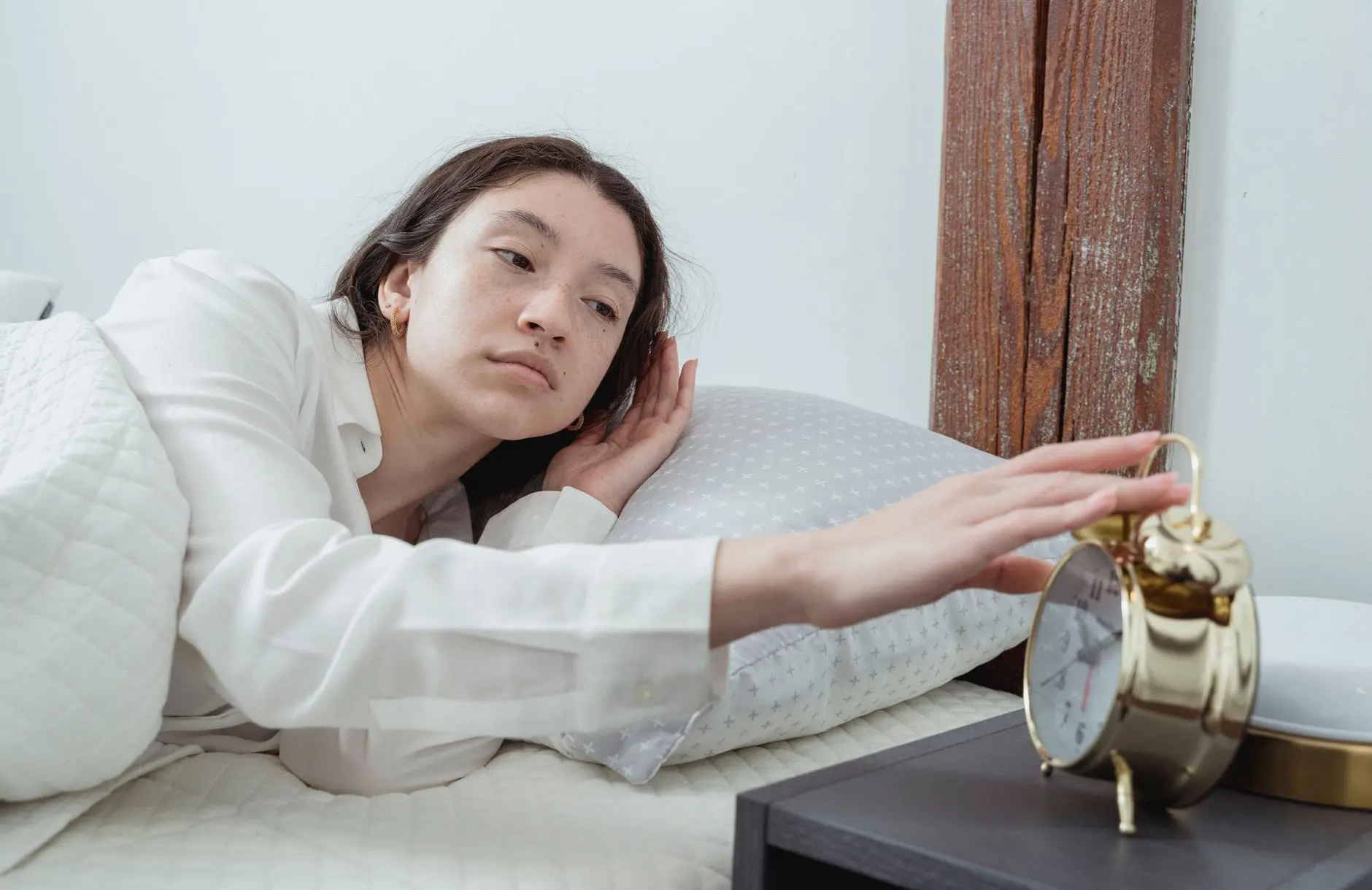
The sleep problems are not in your head. Rising progesterone makes you drowsy by day and fragments sleep at night. A growing uterus presses on the bladder, so you wake to pee two, three, or more times. The same pressure pushes stomach acid up, so reflux flares the moment you lie flat. Add leg cramps, restless legs, back pain, vivid dreams, and the plain difficulty of getting comfortable, and the night turns into a series of interruptions rather than one solid block.
The pattern shifts by trimester. In the meta-analysis above, insomnia symptoms affected about 25 percent of women in the first trimester and 27 percent in the second, then jumped to nearly 40 percent in the third. That late climb matters, because the practical answer to how to sleep better while pregnant is to target the late problems first: position, reflux, and the racing mind that keeps you up after a 3 a.m. bathroom trip. If you are over 40, early perimenopause can overlap with pregnancy and add its own night waking; the patterns in perimenopause insomnia look a lot like this, and the same calming tactics apply.
The sleep position that actually matters

You have probably been told to sleep on your left side. The real finding is narrower and more useful. In an individual participant data meta-analysis of case-control studies covering 851 late stillbirths, going to sleep on your back from 28 weeks onward was linked to a higher risk of late stillbirth, with an adjusted odds ratio of 2.63 compared with the left side. The important correction is what came next: the left and right sides carried the same risk as each other, so either side is fine. The researchers estimated that if every woman at 28 weeks or beyond settled to sleep on her side, late stillbirth could drop by about 6 percent.
So the rule is simpler than the folklore. From the start of the third trimester, go to sleep on a side, left or right, whichever is comfortable. The left-only advice was never backed by strong evidence, and chasing it all night costs you sleep without any payoff.
If you wake up on your back
Do not panic. The research is about the position you settle into for sleep, not every second of the night, and no one controls where they drift. If you keep waking on your back, tuck a firm pillow or a rolled towel behind you so rolling over meets a gentle wall. Some women sew a tennis ball into the back of a sleep shirt for the same reason. When you notice you are on your back, just turn back to your side.
Before 28 weeks
Earlier in pregnancy, the uterus is small enough that back sleeping has not been tied to these risks, so sleep in whatever position lets you rest. Use the second trimester to practice side sleeping with pillows while it is still optional, not urgent.
Build a bed that fits a changing body

Comfort is an engineering problem in late pregnancy, and pillows are the tools. Put one between your knees to keep your hips and lower back aligned, which eases the pelvic and back pain that wakes you. Tuck a small, firm pillow under the bump to take its weight off your abdominal muscles. A full-length body pillow or a wedge does both jobs at once and gives you something to brace against so you are not holding a position by muscle.
If reflux is the problem, raise the whole upper body rather than stacking pillows under your neck, which only kinks you forward. Put a wedge under the mattress or blocks under the head of the bed so gravity keeps acid down. Keep the room cool, dark, and quiet; pregnancy raises your core temperature, so a bedroom that felt fine before may now feel stifling and pull you out of deep sleep.
Time your fluids, caffeine, and meals

You cannot stop the extra bathroom trips, but you can shift them earlier. Drink most of your water before late afternoon and taper in the two hours before bed, while still hitting your daily total during the day. For caffeine, the American College of Obstetricians and Gynecologists states that moderate intake, meaning less than 200 mg a day, does not appear to be a major contributing factor in miscarriage or preterm birth. That is roughly one 12 oz brewed coffee, but tea, cola, chocolate, and some pain relievers add up fast. If you are not sure where your day lands, the caffeine calculator adds it up, and keeping the last cup to the morning protects your night sleep regardless of the total.
Eat your last real meal two to three hours before bed so your stomach is not working against you when you lie down, which also blunts reflux. If hunger or nausea wakes you, a small, dry snack like crackers before bed is gentler than going to sleep empty.
Calm a racing mind before bed
Plenty of pregnancy insomnia is a wired-but-tired mind: worry about the birth, the baby, work, money. This responds to the same treatment that works outside pregnancy. In a 2020 randomized trial in JAMA Psychiatry, 208 pregnant women with insomnia were assigned to either a digital cognitive behavioral therapy for insomnia program of six weekly sessions of about 20 minutes, or standard care. The therapy group had significantly larger improvements in insomnia severity, and the authors judged it safe and workable in pregnancy. CBT for insomnia, not a pill, is the first-line treatment, and it is available in app form.
The core habit from that approach is the one most people get wrong: if you are awake for more than about 20 minutes, get out of bed and do something dull and dim until you feel sleepy, then return. Lying in bed frustrated trains your brain to associate the bed with being awake. Build a short wind-down of the same quiet steps each night, keep screens dim, and if you want a structured method, the steps in how to get a better deep sleep carry over to pregnancy. To set a realistic bedtime, work backward from your wake time with the sleep calculator so you are aiming for a target that fits your schedule.
What is safe to take, and what is not
Here the honest answer is mostly caution, and it is a real part of how to sleep better while pregnant. Over-the-counter sleep aids and most herbal remedies have little safety data in pregnancy, and many are specifically advised against, so clear nothing past your provider first. Melatonin is popular, but good human pregnancy data is thin, and it is not a casual choice during these months.
Magnesium is often suggested for leg cramps and sleep, and the honest read is that the evidence is mixed and the effect, where it exists, is modest; the detail is in magnesium for sleep. Restless legs in pregnancy is frequently tied to low iron or folate, so it is worth asking your provider to check your levels rather than reaching for a supplement blindly. For a full rundown of what has evidence and what to avoid, see sleep aids for pregnant women. The theme throughout: the physical and behavioral fixes above carry no risk and do most of the work, so start there.
When to stop troubleshooting and call your provider
Some sleep problems are signals, not nuisances. Loud snoring with daytime exhaustion or gasping can point to sleep apnea, which becomes more common in pregnancy and is worth evaluating. Snoring that arrives with high blood pressure, swelling, or headaches should be reported promptly, because those can be signs of preeclampsia. Restless legs that becomes severe, or insomnia that holds on for weeks despite the basics here, also deserves a conversation rather than another bad night. Raising it is not overreacting; sleep is part of prenatal care.
How to sleep better while pregnant tonight
If you want the short version to act on before bed:
- From 28 weeks, settle to sleep on either side, with a pillow between your knees and one under the bump.
- Raise the head of the bed if reflux wakes you, and keep the room cool.
- Finish most fluids by late afternoon and keep caffeine under 200 mg, ideally only in the morning.
- Eat your last meal two to three hours before bed.
- If you are awake past 20 minutes, get up, keep the lights low, and return when sleepy.
- Clear any sleep aid, including melatonin and herbs, with your provider before taking it.
None of this makes pregnancy sleep effortless, but it removes the causes you can actually control. That is what how to sleep better while pregnant comes down to: fixing the specific things keeping you awake, and clearing anything you are unsure about with your provider.
Frequently asked questions
Is it bad to sleep on your back while pregnant?
From about 28 weeks, going to sleep on your back is linked to a higher risk of late stillbirth, so from the start of the third trimester settle onto your side instead. The research is about the position you fall asleep in, not every moment of the night, so if you wake up on your back, simply turn back to your side. Before 28 weeks, back sleeping has not been tied to this risk.
What is the best sleep position during pregnancy?
Either side is best in the third trimester. The old advice to use only the left side was never backed by strong evidence. A large analysis found the left and right sides carried the same risk as each other, so choose whichever side is comfortable and support it with a pillow between your knees and one under the bump.
Why can’t I sleep in my third trimester?
The third trimester is the hardest stretch for sleep, with insomnia symptoms affecting close to 40 percent of women. A growing uterus presses on your bladder and pushes acid up, leg cramps and restless legs interrupt you, the bump makes comfort difficult, and worry about the birth keeps the mind running. Each of these has a targeted fix, which is what how to sleep better while pregnant really involves: side sleeping, bed elevation, caffeine timing, and a calming wind-down.
Is it safe to take melatonin or sleep aids while pregnant?
Do not take any sleep aid, including melatonin and herbal products, without clearing it with your provider first. Good human safety data in pregnancy is limited for most of them, and several over-the-counter options are specifically advised against. Cognitive behavioral therapy for insomnia, which works through habits rather than medication, is the recommended first step and has been shown to help pregnant women. For most women, how to sleep better while pregnant starts with those habits rather than a supplement.
How much caffeine is safe during pregnancy?
The American College of Obstetricians and Gynecologists says moderate caffeine, meaning less than 200 mg a day, does not appear to be a major contributing factor in miscarriage or preterm birth. That is roughly one 12 oz brewed coffee, but tea, cola, and chocolate add to the total. For sleep specifically, keeping caffeine to the morning helps regardless of the daily amount.
Sources
- Insomnia symptoms during pregnancy: A meta-analysis. Journal of Sleep Research, 2021
- An Individual Participant Data Meta-analysis of Maternal Going-to-Sleep Position and the Risk of Late Stillbirth. EClinicalMedicine, 2019
- Efficacy of Digital Cognitive Behavioral Therapy for Insomnia Symptoms Among Pregnant Women: A Randomized Clinical Trial. JAMA Psychiatry, 2020
- ACOG Committee Opinion No. 462: Moderate caffeine consumption during pregnancy. Obstetrics and Gynecology (ACOG), 2010
This article is general health information for adults and not medical advice. It does not know your history, your medication or your results. For a decision about your own health, talk to a doctor or another qualified clinician who does.