 Lifestyle
 Food & Nutrition
 Fitness
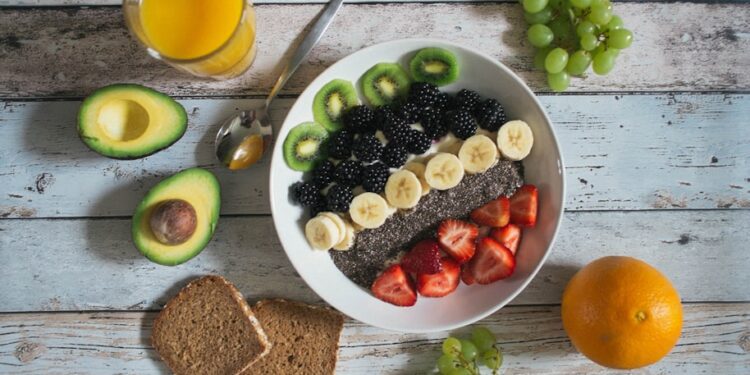
Low histamine foods for perimenopause are having a moment online for a good reason: a growing number of women in their late 30s and 40s start reacting to wine, aged cheese, or last night’s leftovers almost overnight, and the standard perimenopause advice they find rarely explains why. The short version is that estrogen and histamine influence each other directly, so once estrogen starts swinging wildly instead of declining smoothly, histamine tends to climb right along with it.
This guide gets specific about which low histamine foods for perimenopause actually help, which foods trigger flushing, headaches, or gut symptoms, and one correction most perimenopause content gets wrong: the standard advice to eat more fermented food for gut and hormone health can directly backfire for this particular group of women. You will also get an honest look at what the current research does and does not support about testing for this condition, because most of what circulates online treats a shaky biomarker as settled science.
Why Perimenopause Turns Up Your Histamine Load

Histamine is a chemical messenger stored inside mast cells, immune cells found in your skin, gut lining, airways, and reproductive tissue. When something triggers a mast cell, it releases histamine into the surrounding tissue, which is what produces flushing, itching, a runny nose, or a pounding headache. A 2025 mast cell review indexed in the National Institutes of Health’s PMC archive describes how estrogen binds receptors directly on mast cells and prompts them to release that stored histamine, which then acts on H1 and H2 receptors nearby to drive inflammation and, in some tissues, pain signaling. (source)
Here is where perimenopause changes the picture. During a normal cycle, estrogen rises and falls in a fairly predictable pattern. During perimenopause, estrogen does not decline in a straight line. It spikes, sometimes to levels higher than a woman saw in her 20s, then crashes, often within the same month. Every spike is an opportunity for more mast cell activation and more histamine release. At the same time, estrogen suppresses the activity of diamine oxidase (DAO), the main enzyme that clears histamine from food in the gut, so the body’s ability to break down what it eats drops right when the histamine load is climbing from the mast cell side too. Progesterone normally counters this by calming mast cells and supporting DAO activity, but progesterone is usually the first hormone to fall in perimenopause, often years before estrogen becomes consistently low. Losing that buffer while estrogen is still spiking is the specific combination that explains why histamine symptoms often appear for the first time in a woman’s late 30s or 40s, even though she tolerated the exact same foods for decades.
If you already suspect your symptoms are estrogen-driven, our guide to foods that reduce estrogen dominance covers the other half of this picture, since a lot of what gets labeled estrogen dominance and a lot of what gets labeled histamine intolerance overlap heavily in symptoms and dietary triggers. If your main symptom is puffiness rather than flushing or headaches, our guide to foods that help with hormonal bloating is worth reading alongside this one, since histamine itself contributes to fluid retention through the same mast cell pathway. For a symptom-first breakdown rather than a food-first one, see our companion piece on the signs of histamine intolerance in women.
The Best Low-Histamine Foods for Perimenopause
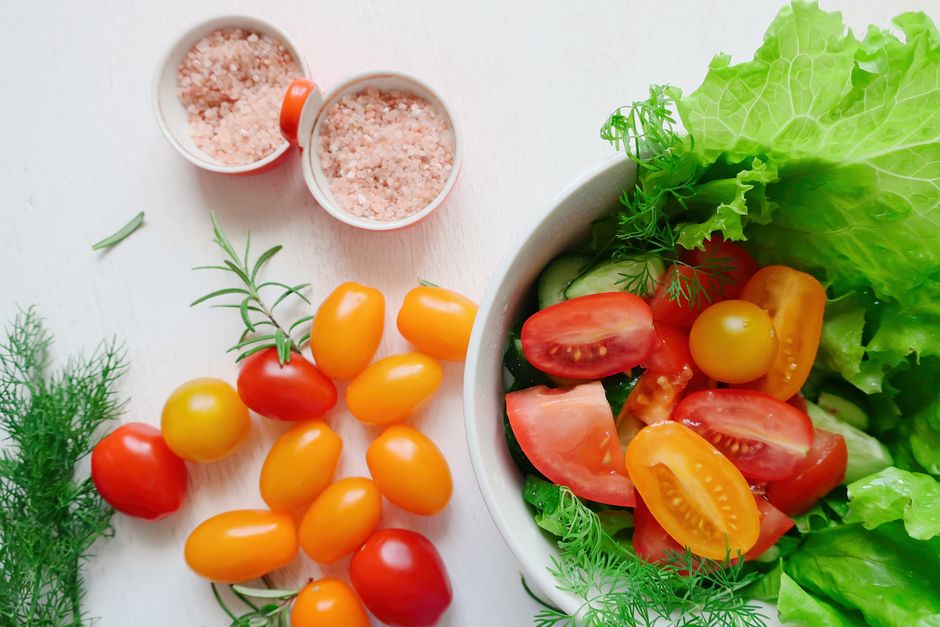
The goal with low histamine foods for perimenopause is not to eliminate entire food groups. It is to choose the freshest version of each food group and to eat it soon after it is cooked, since histamine accumulates in food the longer it sits, even in the refrigerator. This list of low histamine foods for perimenopause is the one to build your week around, and the high-histamine list below is the one to keep out of your fridge.
Proteins that tend to be well tolerated include freshly cooked chicken, turkey, lamb, and beef, plus very fresh white fish such as cod or hake. Freeze portions the same day you cook them rather than storing cooked meat as leftovers for more than a day. Fresh eggs are usually tolerated by most people, especially baked into dishes rather than fried.
Most fresh vegetables are low in histamine, including zucchini, carrots, broccoli, cucumber, lettuce, sweet potato, and winter squash. The main vegetables to set aside are spinach, eggplant, tomato, and avocado, which either carry histamine directly or trigger mast cells to release more of it.
Lower-histamine fruit options include apples, pears, mango, melon, and blueberries. Citrus fruit, strawberries, pineapple, and banana are more likely to trigger symptoms even though they are fresh, because they release histamine from mast cells rather than containing large amounts themselves.
Gluten-free grains such as rice, quinoa, and oats are generally well tolerated, as are most fresh dairy alternatives like coconut milk and oat milk. Olive oil and coconut oil are safe fat choices for cooking and dressing.
High-Histamine and Histamine-Releasing Foods to Limit
Knowing what to avoid is just as important as knowing which low histamine foods for perimenopause to reach for. Two separate categories matter here, and most food lists blur them together. High-histamine foods already contain large amounts of histamine before you eat them. Histamine-releasing foods may be low in histamine themselves but trigger your mast cells to dump their own stores, producing the same symptoms through a different route.
Aged cheese, cured and smoked meats, canned fish, and any fermented product sit at the top of the high-histamine list, because histamine builds up as bacteria act on the protein during aging or fermentation. Alcohol deserves special mention: red wine, champagne, and beer are both high in histamine and directly block DAO activity, so a glass of wine does double duty in raising your histamine load. Leftovers are a frequent, underestimated source, since histamine keeps accumulating in cooked protein the longer it sits, even under refrigeration.
On the histamine-releasing side, watch for chocolate, citrus fruit, strawberries, nuts (especially walnuts and peanuts), and the vegetables named above: tomato, spinach, eggplant, and avocado. None of these are inherently unhealthy foods. They simply prompt your already-primed mast cells to release more histamine at a time when your body has less capacity to clear it.
The Fermented Food Trap: Why Standard Perimenopause Gut Advice Backfires
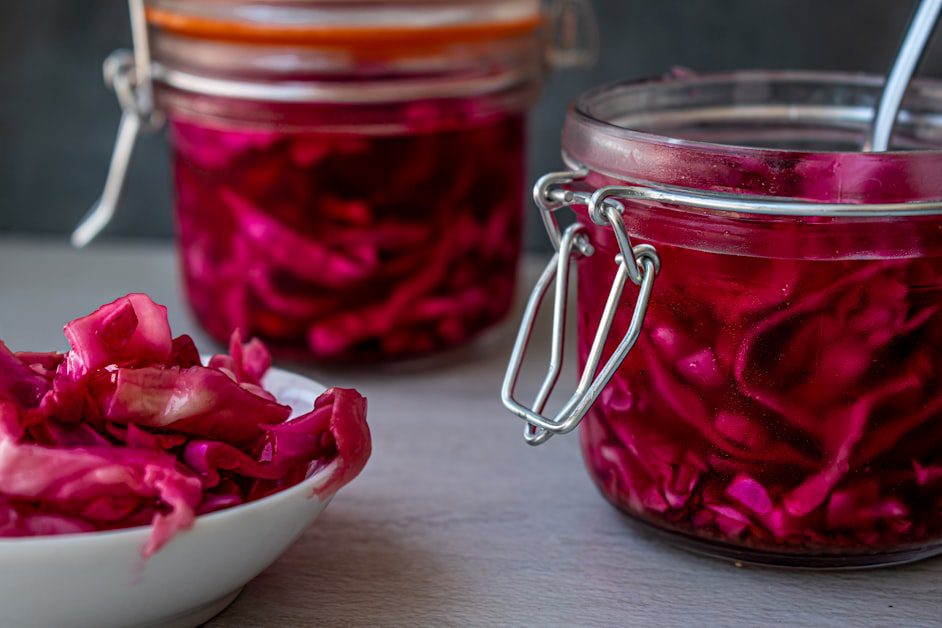
Most perimenopause nutrition content, including plenty of it on this site, correctly recommends fermented foods like kefir, kimchi, sauerkraut, and kombucha to support gut health and hormone metabolism. For most women, that advice holds up. But if your perimenopause symptoms are actually histamine-driven rather than purely hormonal, following that advice adds fuel to a fire that is already burning, because fermented foods are among the most concentrated dietary sources of histamine that exist. Kombucha carries the added problem of trace alcohol, which blocks DAO directly. This is exactly the kind of well-intentioned advice that undermines low histamine foods for perimenopause without anyone realizing why the plan stopped working.
This does not mean you have to abandon gut health work. Our guide to foods that heal gut lining naturally covers approaches like bone broth, cooked vegetables, and specific fiber sources that support the gut barrier without relying on fermented, high-histamine foods. If you have tried fermented foods for gut or hormone support and your symptoms got worse rather than better, that reaction itself is a useful clue that histamine, not just hormones, is part of what you are dealing with.
Food-First Ways to Support Your DAO Enzyme
Rather than jumping straight to a DAO supplement, it helps to know which nutrients your body actually uses to keep the enzyme working, and to get them from low histamine foods for perimenopause where you can. Vitamin B6, copper, and vitamin C all act as cofactors for DAO activity.
The National Institutes of Health’s Office of Dietary Supplements lists citrus fruit, red and green peppers, kiwifruit, broccoli, strawberries, and tomatoes as the richest food sources of vitamin C. (source) Notice the overlap: several of those exact foods, citrus, strawberries, and tomatoes, are also common histamine triggers. For low histamine foods for perimenopause, red bell pepper and broccoli are the more useful vitamin C sources on that list, since they supply the same nutrient without the same downside.
Copper shows up in cashews, sunflower seeds, and shiitake mushrooms, though nuts can be a personal trigger for some people, so introduce them slowly. Vitamin B6 is found in chicken, turkey, potatoes, and bananas, though banana is also a histamine-releasing food for some people, so watch your own response. This same methylation pathway connects to histamine clearance through a second enzyme, HNMT, which depends on nutrients discussed in our guide to foods to eat with MTHFR mutation, since HNMT and the MTHFR pathway both draw on the body’s methylation cycle.
Does DAO Testing Actually Predict Your Symptoms? What the Research Shows
A lot of perimenopause and histamine content treats a low serum DAO test result as confirmation of histamine intolerance. The actual research is less settled than that framing suggests. A 2023 study published in the journal Nutrients and indexed in the National Institutes of Health’s PMC archive measured DAO activity in 1,051 adults from a population-based cohort. It found that 44 percent of the group had DAO levels below the commonly used cutoff for “normal,” yet the study found no association between low DAO levels and whether someone actually reported symptoms after eating histamine-rich food. (source) The same study noted that DAO activity actually trended higher, not lower, with increasing age and BMI among the women in the cohort, which cuts against the common assumption that DAO simply declines as women get older.
None of this means histamine intolerance is not real or that diet does not matter. It means a single blood test is not a reliable way to confirm it. The more useful approach, and the one the same body of research still supports, is a structured elimination and reintroduction process: remove the highest-risk foods for two to four weeks, track your symptoms alongside where you are in your cycle, then reintroduce foods one at a time to see what actually triggers a reaction in your body specifically.
A Realistic Day of Low-Histamine Eating During Perimenopause
Here is what low histamine foods for perimenopause look like across an actual day, rather than as an abstract list.
Breakfast: scrambled eggs with sauteed zucchini and a small sweet potato, or oats made with oat milk topped with blueberries and a spoon of sunflower seed butter.
Lunch: freshly grilled chicken over rice with steamed broccoli and carrots, dressed with olive oil and fresh herbs rather than vinegar-based dressing.
Dinner: baked cod or fresh turkey with roasted squash and a simple green salad using lettuce and cucumber instead of spinach.
Snacks: apple slices, rice cakes, a small handful of sunflower seeds, or plain coconut yogurt if you tolerate dairy alternatives well.
The pattern that matters more than any single recipe is cooking in portions you will finish the same day or freezing extras immediately, since histamine keeps building in stored cooked protein even in the refrigerator. Meal prepping a large batch of chicken to eat across five days is one of the most common, and most overlooked, ways people accidentally sabotage a low-histamine approach.
How Long to Follow This and How to Reintroduce Foods
A strict low histamine foods for perimenopause plan is meant to be a short-term diagnostic tool, not a permanent way of eating. Two to four weeks is usually enough to see whether your symptoms improve. From there, reintroduce one food category at a time, waiting two to three days between additions so you can connect any reaction to the specific food rather than guessing.
Keep an eye on calcium and vitamin D while you do this. Fermented dairy and aged cheese, two foods this approach restricts, are also common calcium sources, and calcium needs do not go down during perimenopause, they matter more as bone density starts to shift. Fresh dairy in small amounts, calcium-set tofu, and canned fish with soft bones (if tolerated) can help fill that gap while you work through reintroduction. A registered dietitian familiar with histamine intolerance can help you build a longer-term version of this plan that does not leave nutritional gaps.
Frequently Asked Questions
Can low histamine foods for perimenopause help with hot flashes?
Possibly, if your flushing is being driven by mast cell activation rather than a temperature-regulation issue alone. Some women notice that what they assumed were classic hot flashes ease when they reduce dietary histamine, because histamine itself causes flushing and a sensation of heat. It is not a guaranteed fix for every hot flash, since perimenopausal temperature dysregulation has other drivers too, but it is worth testing over a few weeks.
Is dairy high in histamine?
It depends on how fresh and how fermented it is. Fresh pasteurized milk, cream cheese, and mozzarella are generally low in histamine, while aged cheeses like cheddar, gouda, and parmesan, along with fermented dairy like yogurt and kefir, are among the highest-histamine foods in a typical kitchen. The aging and fermentation process is what raises the histamine content, not dairy itself.
Why do I suddenly react to wine in my 40s?
This is one of the most common early signs women notice. Wine, especially red wine, is both high in histamine and a direct DAO blocker, so it hits your histamine clearance system from two directions at once. If your DAO activity has already dropped because of estrogen fluctuations, a glass of wine you tolerated fine at 30 can produce flushing, a headache, or a racing heart at 42.
Does the low histamine diet help with perimenopause weight gain?
Not directly, and it is not designed to. Low histamine foods for perimenopause target flushing, headaches, digestive symptoms, and skin reactions, not body composition. That said, the diet naturally reduces processed and alcohol-heavy foods, which can support weight management as a side effect rather than the main goal.
Conclusion
Low histamine foods for perimenopause are not about eliminating entire food groups forever, and this is not a diet you need to follow for life to get an answer about what is actually causing your symptoms. They are a short-term tool for identifying whether histamine, alongside shifting estrogen and progesterone, is part of what is driving symptoms that get written off as “just perimenopause.” Choose fresh proteins and produce over aged, fermented, or leftover versions of the same foods, get your DAO-supporting nutrients from food where the options do not overlap with your trigger list, and treat a single DAO blood test as one data point rather than a diagnosis. Two to four weeks of careful tracking will tell you more about your own body than any lab value.
Related Articles
- Iron Rich Foods for Heavy Periods: What Actually Absorbs
- Foods for Insulin Resistance Without Diabetes: What to Eat When Your Labs Look Normal
- Foods to Eat With MTHFR Mutation: What Science Says
This article is for informational purposes only and is not a substitute for professional medical advice, diagnosis, or treatment. If you suspect histamine intolerance or mast cell activation, work with your doctor or a registered dietitian, especially before starting an elimination diet or making significant changes if you are managing another health condition.
Get the exact numbers for your body
Answer 7 quick questions and get your calorie target, protein goal and a plan that fits how you actually live. Takes 2 minutes, completely free.
Build my free plan →2 minutes · Free · No card neededFree tools from Just Health Life
Macro CalculatorProtein Intake CalculatorAll 24 calculators →Educational content, not medical advice. See our medical disclaimer and editorial policy.