


If you are trying to lose weight in perimenopause and the scale barely moves the way it used to, you are not imagining it. The years leading up to menopause quietly change how your body stores fat and burns energy, so the same habits that once kept you lean can stop working almost overnight. The reassuring part is that knowing how to lose weight in perimenopause has far less to do with willpower and much more to do with working alongside your changing physiology instead of fighting it. This guide walks through what is really happening in your body and the specific, evidence-based moves that make the biggest difference after 40.
Why It Is Harder to Lose Weight in Perimenopause
Three things stack up at once during the menopause transition, and together they explain why the old playbook fails. First, you slowly lose muscle with age, and muscle is the tissue that keeps your resting metabolism humming. Second, shifting hormones nudge your body to park fat around your middle rather than your hips and thighs. Third, sleep, stress, and blood sugar all tend to drift in the wrong direction at exactly the same time.
None of this means the goal is out of reach. It means the strategy has to change. Cutting calories harder and running more, the two levers that worked in your twenties, often backfire now because they strip away the very muscle you need to protect. To lose weight in perimenopause you work with the biology, protecting muscle while creating a modest energy deficit, rather than crash dieting your metabolism into a corner. If the scale has stalled completely, our guide on not losing weight during perimenopause digs into the specific reasons a deficit stops delivering.
What Is Actually Happening: Estrogen, Muscle, and Belly Fat
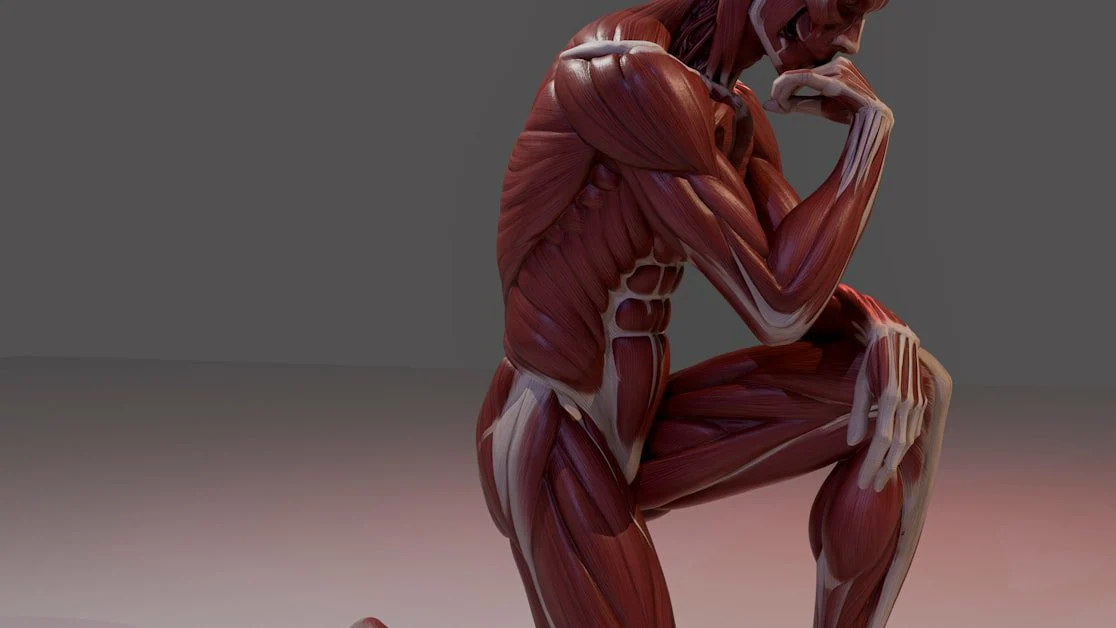
Here is the part most articles get wrong. Declining estrogen does not directly pile on the pounds. According to Mayo Clinic, hormonal change mainly makes it more likely that fat is stored around the abdomen, while the weight gain itself is driven by aging, genetics, and lifestyle. In other words, perimenopause redistributes fat to your belly, and age-related muscle loss slowly lowers the number of calories you burn at rest.
The numbers back this up. A long-running study that tracked women across the menopause transition, published in JCI Insight, found that fat gain roughly doubled during the transition while lean muscle mass shifted from a slight gain to an outright decline. Those changes tend to begin about two years before the final period and level off a year or so afterward. Understanding this is freeing, because it points to a clear fix. Protect and rebuild muscle, and you defend your metabolism at the exact moment it wants to slip. Many women over 40 hit this wall as a stubborn stall, which is why breaking a weight loss plateau after 40 so often comes down to muscle, not more restriction.
Protein First: How Much You Really Need After 40
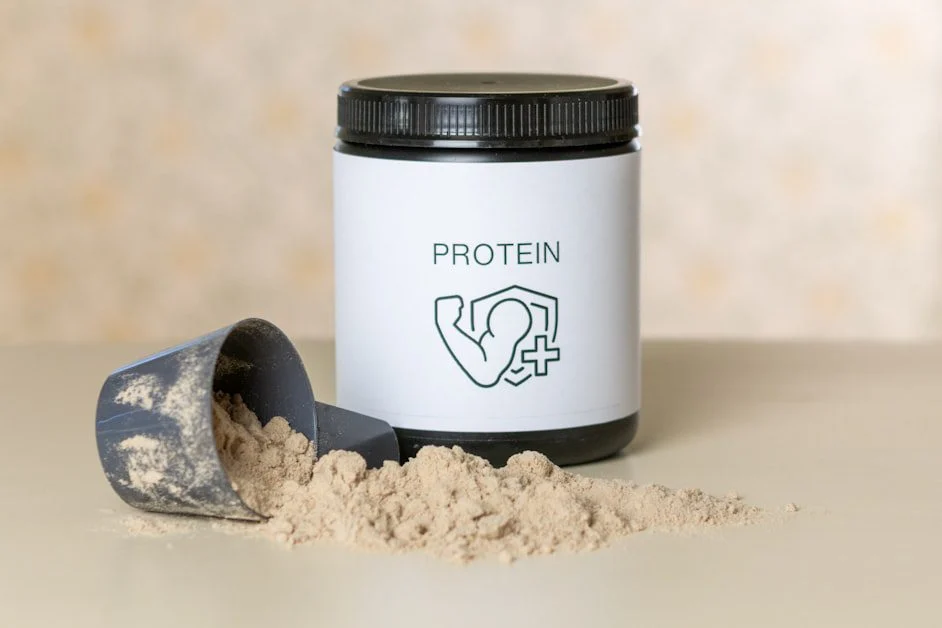
If you change one thing this week, make it protein. Protein protects muscle during weight loss, blunts hunger, and costs your body more energy to digest than carbs or fat. As you age, muscle also becomes more resistant to building, so you need more protein than the old baseline to get the same effect.
The PROT-AGE study group recommends at least 1.0 to 1.2 grams of protein per kilogram of body weight a day for older adults, and 1.2 or more for those who exercise, above the standard adult reference intake. Just as important, spread it across the day in servings of roughly 25 to 35 grams per meal, because that is the dose that best triggers muscle repair. A woman weighing 70 kilograms would aim for around 80 to 100 grams daily. To pin down your exact target, our protein intake calculator does the math for you. Building meals around it is easier than it sounds, and a high protein breakfast built for women over 40 is the simplest place to start.
Getting protein right is one of the most effective ways to lose weight in perimenopause without feeling deprived.
Strength Training Is the Anchor, Not More Cardio
Cardio has its place, but it is not the main event anymore. The single most effective form of exercise for this stage of life is resistance training, because it directly counters the muscle loss driving your slower metabolism. Lifting weights, using resistance bands, or doing bodyweight work signals your body to keep the muscle it would otherwise give up.
The CDC recommends 150 to 300 minutes of moderate activity each week plus muscle-strengthening work on two or more days. For perimenopause, treat those two strength days as non-negotiable and let walking cover much of the aerobic side. You do not need to live in the gym. Two or three focused sessions of squats, rows, presses, and hinges, done with enough weight to feel challenging by the last few reps, will do more to help you lose weight in perimenopause than an hour of daily cardio ever could. If blood sugar is part of your picture, pairing strength work with the strategies in our guide on losing weight with insulin resistance compounds the benefit.
The Best Way to Eat for Perimenopause Weight Loss
No single diet owns this stage, but the pattern with the strongest evidence is a Mediterranean-style way of eating built around vegetables, fruit, legumes, whole grains, seafood, and healthy fats like olive oil. A systematic review of menopausal women linked this pattern to smaller increases in waist size, reduced fat mass with muscle preserved, and better heart and metabolic markers.
The practical version is simple. Fill half your plate with fiber-rich vegetables, add a palm of protein at every meal, and keep the ultra-processed snacks and sugary drinks occasional rather than daily. Alcohol deserves an honest look too, since it adds empty calories and worsens the sleep you badly need. You still need an energy deficit to lose weight in perimenopause, just a gentle one, and our calorie calculator gives you a realistic starting number instead of a punishing one. If you would rather skip the guesswork entirely, you can build a free personalized plan around your own numbers in about two minutes.
Sleep, Stress, and Cortisol: The Overlooked Levers

You can eat and train perfectly and still stall if sleep and stress are working against you. Perimenopause often brings night sweats and broken sleep, and short sleep reliably raises appetite, drives cravings for quick carbs, and lowers the willpower you rely on the next day. Chronic stress keeps cortisol elevated, which encourages that same belly-fat storage the hormone shift already favors.
Treat sleep as a fat-loss tool, not a luxury. Aim for a consistent bedtime, keep the room cool and dark, and cut caffeine after early afternoon so it does not fragment the sleep you do get. For stress, even ten minutes of walking, breathing, or stretching lowers the cortisol load in a meaningful way. These levers feel soft compared to diet and exercise, but for women in this season they often decide whether the other efforts show up on the scale at all.
Do HRT and GLP-1 Medications Help You Lose Weight?
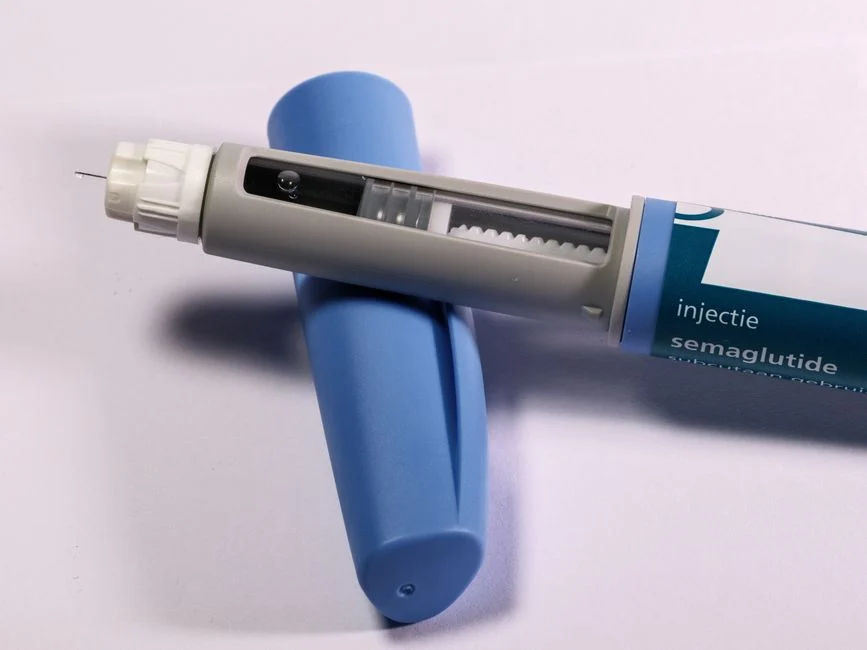
This is where honest information matters most. Hormone therapy is not a weight-loss treatment, and reputable medical bodies do not market it as one. According to the position of The Menopause Society, hormone therapy may modestly shift fat away from the abdomen, but the effect is small, and its evidence-based role is hot flashes, bone and genitourinary symptoms, which is a conversation with a doctor rather than a weight-loss plan. If you and your doctor choose it for those reasons, any effect on fat distribution is a minor bonus, not the goal.
GLP-1 medications such as semaglutide and tirzepatide are a different conversation. Early research presented in 2025 suggests they produce meaningful fat loss in women across the menopause transition, and some studies hint the effect is larger alongside hormone therapy; both are prescriptions, and the combination is a conversation with a doctor. That said, these are prescription drugs with real costs, side effects, and a strong tendency to strip muscle if protein and strength training are neglected. They are a tool for a doctor to consider in the right person, not a shortcut, and the muscle-first foundation in this guide matters even more, not less, if you use one to lose weight in perimenopause.
A Realistic Rate of Weight Loss (and Why Crash Dieting Backfires)
Set your expectations where the biology lives. A sustainable, muscle-protecting pace is roughly half a pound to one pound per week, and slower stretches are normal, not failure. The temptation to slash calories and add punishing cardio is understandable, but it is the fastest route to the rebound trap.
Here is the mechanism. Aggressive restriction burns muscle alongside fat, and less muscle means a lower resting metabolism, so the deficit that worked in week one stops working by week six. You end up eating less and less for the same result, which is neither livable nor healthy. Going slower, eating enough protein, and lifting weights keeps that muscle on your frame, which is exactly why the patient approach out-performs the crash. If a fasting window appeals to you, our look at intermittent fasting for women over 40 covers how to try it without sacrificing protein or bone.
Your Plan to Lose Weight in Perimenopause
Pulling it together, a week that actually moves the needle looks like this. Hit your protein target at every meal, roughly 25 to 35 grams per sitting. Strength train two or three times. Walk most days. Build meals around vegetables, protein, and healthy fats in a Mediterranean pattern. Protect your sleep and defuse stress on purpose. Keep the calorie deficit gentle so you can hold it for months, not days.
Do those things consistently and the belly fat that feels so stubborn does start to respond, just more slowly and more sustainably than it once did. None of it requires perfection, only a shift in strategy that respects the season you are in. If you want the numbers done for you and a plan mapped to your own body, our free two-minute plan builder turns everything above into a simple daily target.
Since insulin resistance is one of the main drivers here, our guide to foods for insulin resistance makes a practical companion to this plan.
The transition shows first in the cycle, and the menstrual cycle phases page explains why cycles that skip ovulation change appetite and fluid as well as the calendar.
Frequently Asked Questions
Why is it so hard to lose weight in perimenopause?
It is harder because three things happen at once. Age-related muscle loss lowers the calories you burn at rest, shifting hormones move fat storage to your abdomen, and disrupted sleep and higher stress increase appetite and cravings. It is genuinely tougher than it was in your thirties, but it is far from impossible when you protect muscle with protein and strength training instead of crash dieting.
Does perimenopause weight gain go away on its own?
Usually not without a change in approach. Body-composition research shows fat gain accelerates through the transition and then stabilizes, but it does not simply reverse once periods stop. The muscle-first habits described above are what shift the trend, and they work at any point during or after the transition.
How much protein should I eat to lose weight in perimenopause?
Aim for at least 1.0 to 1.2 grams per kilogram of body weight per day, spread across meals in servings of about 25 to 35 grams. For many women that lands between 80 and 110 grams daily. Our protein intake calculator gives you a precise number based on your weight and activity.
Does hormone therapy (HRT) cause weight gain?
No. Hormone therapy does not cause weight gain, and it is not prescribed for weight loss either. It may slightly reduce abdominal fat, but its established purpose is managing symptoms like hot flashes and protecting bone. Any decision about it should be made with your doctor based on your symptoms, not the scale.
The Bottom Line
Learning how to lose weight in perimenopause comes down to a single shift in mindset. Stop fighting your metabolism with less food and more cardio, and start protecting the muscle that keeps it running. Prioritize protein, lift weights, eat in a Mediterranean pattern, guard your sleep, and hold a gentle deficit you can actually live with. It is slower than it used to be, and that is fine, because slow and muscle-sparing is exactly what makes it last. Consistency, not intensity, is what wins this stage. For a step-by-step starting point, the guide on how to lose weight after 40 without starving pairs perfectly with everything here.
Related Articles
- How to Lose Weight with Insulin Resistance: What Actually Works
- How to Lose Weight While on Birth Control: A Hormone Guide
- How to Lose Weight on Antidepressants: A Guide for Women
This article is for informational purposes only and is not a substitute for professional medical advice. Perimenopause, hormone therapy, and weight-loss medications carry individual considerations, so always consult a qualified healthcare professional before making changes to your diet, exercise, or medication.
Sources
- Mayo Clinic. Mayo Clinic.
- PubMed, NIH. Changes in body composition and weight during the menopause transition.
- PubMed, NIH. Evidence-based recommendations for optimal dietary protein intake in older people: a position paper from the PROT-AGE Study Group.
- CDC. CDC.
- PubMed, NIH. Systematic review of mediterranean diet interventions in menopausal women.
- The Menopause Society. Patient Education | The Menopause Society.