

Most lists of hormone imbalance signs in women read the same way: a long alphabetical run of symptoms, from acne to weight gain, ending with advice to see a doctor. The trouble is that nearly every symptom on those lists can come from more than one hormone, or from no hormone problem at all. Fatigue, low mood, irregular periods and weight changes are real, but they are also nonspecific. This guide groups the common signs by the hormone most likely behind each one, gives the numbers on how common that cause actually is, and says where a symptom is worth a blood test and where it is not. If you are in your 40s, some of what you feel is the ordinary shift of perimenopause rather than a disorder.
How to read hormone imbalance signs in women

Hormone imbalance is not a single diagnosis. It is a plain label for a pattern of symptoms that may trace back to one or more hormones sitting higher or lower than your body needs. Hormones are chemical messengers made by glands such as the ovaries, thyroid, adrenal glands and pancreas, and they are built to fluctuate across the day, across the menstrual cycle and across your life.
That design matters when you read a symptom list. A change in your body is worth chasing when it is larger than you would expect, lasts beyond a cycle or two, and interferes with how you live. One sign on its own rarely points anywhere. A cluster of signs that fit the same hormone is far more useful, and that is the most reliable way to read hormone imbalance signs in women: as clusters, not single symptoms.
The table below maps the most common signs to the hormone most often behind them. Use it as a starting point for a conversation with a clinician, not as a diagnosis.
| Sign | Hormone most often involved | Usually worth a test? |
|---|---|---|
| Irregular, shorter or heavier periods in your 40s | Estrogen and progesterone (perimenopause) | Not usually, diagnosed by age and pattern |
| Fatigue, weight gain, feeling cold, constipation | Thyroid (underactive) | Yes, a simple blood test |
| Acne, facial or body hair, irregular periods, belly weight | Insulin and androgens (PCOS) | Yes, worth raising |
| Poor sleep, belly weight, wired and tired, anxiety | Cortisol (chronic stress) | Rarely, routine testing not advised |
| Hot flashes, night sweats, broken sleep | Falling estrogen (perimenopause and after) | Not usually |
Signs that point to estrogen and progesterone
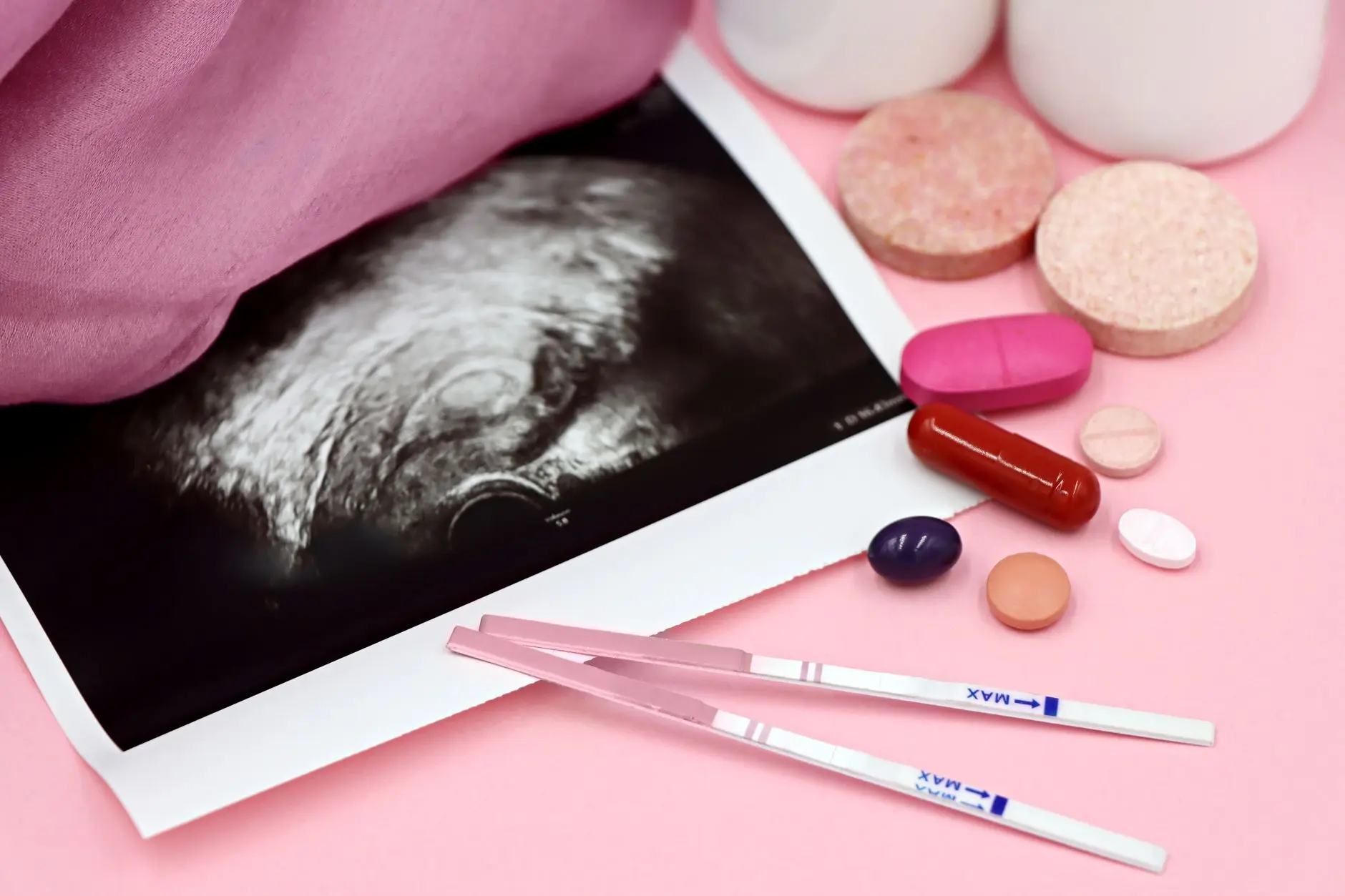
Estrogen and progesterone run your menstrual cycle, and they are the hormones most women think of first. When they shift, the signs tend to show up around your period and your sleep: cycles that get shorter, longer or unpredictable, heavier or more painful bleeding, breast tenderness, new mood swings, night sweats and broken sleep.
In your 40s the most common reason for these signs is perimenopause, the years when the ovaries release estrogen and progesterone erratically before output falls. The U.S. Office on Women’s Health reports that perimenopause usually begins in the mid to late 40s, though some women notice changes in their mid to late 30s, and that it lasts about four years on average and up to 10 years. The average age of menopause in the United States is 52, and hot flashes and night sweats last 7 to 12 years on average, longer for some women. None of that is a disorder. It is a transition, and knowing that changes how you read the signs.
When estrogen runs high relative to progesterone, the pattern leans toward heavy periods, bloating and breast pain, which we cover in foods that reduce estrogen dominance. If your periods are heavy enough to leave you drained, low iron is worth ruling out, as we explain in iron deficiency from heavy periods. Low progesterone has its own cluster, including the weight question many women ask about in does low progesterone cause weight gain. For the wider catalogue of what this stage can bring, see the 34 symptoms of perimenopause.
Signs that point to your thyroid

The thyroid sets your metabolic pace, so an underactive one slows everything down. The signs are easy to mistake for ordinary tiredness: persistent fatigue, weight gain that does not match your eating, feeling cold when others are comfortable, constipation, and dry or thinning hair. An overactive thyroid does the opposite, with a racing heart, weight loss, heat intolerance and anxiety.
This is common enough to take seriously. The National Institute of Diabetes and Digestive and Kidney Diseases reports that nearly 5 in 100 Americans ages 12 and older have an underactive thyroid, that women are much more likely than men to develop it, and that it becomes more common after age 60. The same source makes an honest point: fatigue and weight gain are so common on their own that they do not necessarily mean a thyroid problem. That is the catch with reading signs. The thyroid is worth checking precisely because its symptoms overlap with so much else, and a simple blood test settles the question. The usual first test is TSH, a thyroid-stimulating hormone read from one blood draw, so it is quick to arrange and easy to repeat if the first result sits on a borderline.
Signs that point to insulin and androgens (the PCOS pattern)

When acne, unwanted facial or body hair, irregular or missed periods, and weight that settles around the middle show up together, the hormones to think about are insulin and androgens. Androgens are often called male hormones, but every woman makes them, and the problem here is excess. This cluster is the signature of polycystic ovary syndrome.
The Centers for Disease Control and Prevention describes PCOS as affecting as many as 5 million women in the United States and names an imbalance in androgen levels as a likely driver. It also notes that women with PCOS often have insulin resistance, where the body makes insulin but cannot use it well, and that more than half of women with PCOS develop type 2 diabetes by age 40. That is why this pattern matters beyond the mirror: the same hormones that drive acne and hair changes also raise long-term metabolic risk. If your labs look normal but the pattern fits, our guide to foods for insulin resistance without diabetes covers what to eat.
Signs that point to cortisol and chronic stress
Cortisol is the main stress hormone, and when stress stays switched on the signs are familiar: trouble falling or staying asleep, waking tired, weight that collects around the belly, and a short fuse. The difficulty is that these overlap almost completely with the thyroid and perimenopause clusters above, which is why cortisol is the hormone most often blamed and least often measured well.
Routine cortisol testing is not recommended for vague tiredness or stress, and the saliva and blood tests sold online for adrenal fatigue do not diagnose a real condition. What helps most women is not a test but the ordinary levers that calm a stressed system: regular sleep, movement, and meals that steady blood sugar. Our list of foods that lower cortisol in women goes through the evidence, and if sleep is the piece slipping, the sleep calculator helps you set a wake time and work back to a realistic bedtime.
When a hormone imbalance sign is worth a blood test
Most hormone imbalance signs in women do not need a lab at all. The Office on Women’s Health notes that blood hormone tests are not usually needed to diagnose perimenopause, because a clinician can tell from your age, your symptoms and the changes in your periods. The most useful thing you can bring to that visit is a record of your cycles, because a pattern of change says more than a single reading taken on one day of a cycle that is meant to fluctuate. Tracking the length and regularity of your cycle with the period calculator, or your fertile window with the ovulation calculator, gives you that record.
Some signs do point straight to a test. Thyroid symptoms are confirmed with a simple blood test, and the PCOS pattern is worth raising because of its link to diabetes. Red flags that deserve a prompt appointment rather than watchful waiting include bleeding between periods or after sex, periods so heavy you soak through protection every hour, a new breast lump, or symptoms that appear suddenly rather than building over months.
What to do with the signs you have
Reading hormone imbalance signs in women comes down to one habit: write down the cluster, not the single symptom. Note what changed, when it started, and whether it fits the cycle, the thyroid, the insulin and androgen, or the cortisol pattern above. Bring that to a clinician along with your cycle record. If you are in your 40s and the signs are cyclical and building slowly, perimenopause is the likeliest explanation and the one a doctor will consider first. If the signs are metabolic, such as weight gain with cold intolerance, or acne with irregular periods, ask specifically about thyroid and PCOS testing. The point of reading signs by hormone is not to self-diagnose. It is to walk in with a sharper question than “something feels off.”
Frequently asked questions
How do I know if my hormones are imbalanced?
You cannot tell from one symptom, because signs like fatigue, low mood and weight change overlap across several hormones and with ordinary life. Look for a cluster that fits one pattern, such as feeling cold with weight gain and constipation for the thyroid, and note how long it has lasted. Bring that pattern and a record of your periods to a clinician, who can decide which test, if any, is useful.
What are the first signs of hormone changes in your 40s?
For most women the first signs of perimenopause are changes in the cycle itself: periods that come closer together or further apart, get heavier or lighter, or skip. Broken sleep, night sweats and new mood swings often follow. The Office on Women’s Health notes that perimenopause usually starts in the mid to late 40s and lasts about four years on average, so these changes are expected rather than a sign that something is wrong.
Can a hormone imbalance cause weight gain?
It can, but it is rarely the whole story. An underactive thyroid slows metabolism and can add weight, and the insulin resistance common in PCOS makes weight harder to shift. Both are worth testing if other signs fit. For many women in perimenopause, weight that moves to the middle is driven by falling estrogen together with age and muscle loss, not by a single imbalance you can reverse with one fix.
Does stress really affect your hormones?
Yes. Ongoing stress keeps cortisol elevated, which can disturb sleep and appetite, change where the body stores fat, and make period problems worse. The catch is that routine cortisol testing is not recommended for vague stress symptoms, and the adrenal fatigue tests sold online do not diagnose a real condition. Regular sleep, movement and steady meals do more than a test.
Can a hormone imbalance be fixed naturally?
It depends on the cause. Perimenopause is a transition, not a deficiency to correct, though food, movement and sleep ease the symptoms. PCOS and thyroid disease are medical conditions that often need treatment alongside lifestyle changes. Be cautious with supplements marketed to balance hormones, because few have good evidence and some interact with medication.
Sources
- Hypothyroidism (Underactive Thyroid). National Institute of Diabetes and Digestive and Kidney Diseases, 2025
- Diabetes and Polycystic Ovary Syndrome (PCOS). Centers for Disease Control and Prevention, 2024
- Menopause Basics. Office on Women's Health, U.S. Department of Health and Human Services, 2026
This article is general health information for adults and not medical advice. It does not know your history, your medication or your results. For a decision about your own health, talk to a doctor or another qualified clinician who does.