


If a lab report or a symptom checker has left you staring at a high progesterone low estrogen result, the first thing worth knowing is that this pattern is usually normal, and it often says more about the day your blood was drawn than about a hormone problem. Progesterone and estrogen do not rise and fall together. For most of the month one is up while the other is down, and which one leads depends on where you are in your cycle.
This guide explains what the high progesterone low estrogen pattern actually means, the reference numbers behind it, the few situations where it does point to something that needs attention, and why it is so often confused with the opposite imbalance that is common in perimenopause.
What high progesterone low estrogen means
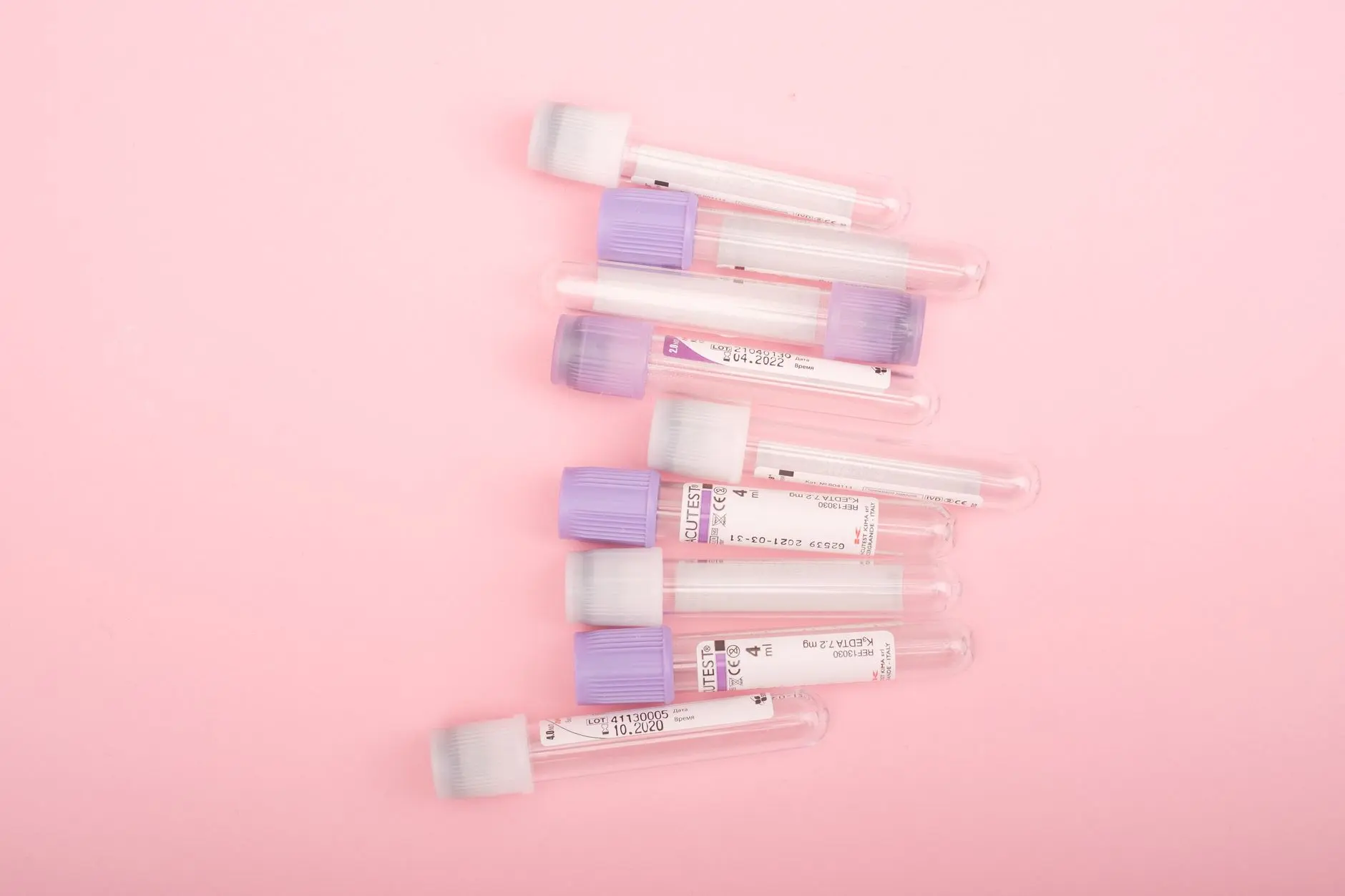
Estrogen, measured in the blood as estradiol, and progesterone are both made mainly by your ovaries, and they take turns. Estradiol leads the first half of your cycle. Progesterone leads the second half, after ovulation. So a single snapshot showing progesterone up and estrogen down is describing a moment in time, not a fixed state of your body.
The wording matters because these two hormones are always read against each other. A result can look like high progesterone low estrogen simply because progesterone is at its normal monthly peak while estradiol has already come down from its own peak a week or so earlier. Nothing is broken in that case. You were tested in the luteal phase, the stretch between ovulation and your next period.
The most common reason: you were tested in your luteal phase

Progesterone is close to zero for the first half of your cycle. It is made by the corpus luteum, a temporary gland that forms from the empty follicle only after an egg is released. Once ovulation happens, progesterone rises, and Cleveland Clinic notes that if no pregnancy occurs the corpus luteum then breaks down, progesterone drops, and your period begins. In pregnancy it keeps climbing and reaches its highest level in the third trimester.
Estradiol runs on a different schedule. It builds through the first half of the cycle, peaks just before ovulation, dips, then settles at a middle level through the luteal phase. So if your blood was drawn around day 21 of a 28-day cycle, which is the standard timing for a progesterone test, you would expect progesterone high and estradiol below its peak. That is the high progesterone low estrogen pattern, and it is exactly what a healthy cycle produces at that point. To work out roughly where you were in your cycle on the test day, the period calculator can place the date for you.
What the numbers look like across one cycle

Reference ranges vary from lab to lab, but typical estradiol values for women of reproductive age show how wide the swing is. Cleveland Clinic lists these ranges:
| Cycle phase | Typical estradiol |
|---|---|
| Early follicular (first half) | 30 to 100 pg/mL |
| Late follicular (around ovulation) | 100 to 400 pg/mL |
| Luteal (second half) | 50 to 150 pg/mL |
| After menopause | 2 to 21 pg/mL |
The luteal number is the one to sit with. At 50 to 150 pg/mL, estradiol in the second half of the cycle is lower than its late-follicular peak of up to 400 pg/mL, yet it is still a working level, not a deficiency. Progesterone has no single normal number either, because it depends entirely on timing. It stays very low in the first half of the cycle, rises after ovulation, and climbs far higher in pregnancy. Read side by side, the two patterns explain why the balance between these hormones can look so different from one week to the next.
Cycle length changes where that mid-luteal point falls. Day 21 is the right test day only for a textbook 28-day cycle, because the moment you want is about seven days before your next period. If your cycles run to 32 or 35 days, the same mid-luteal window lands nearer day 25 or day 28, and a test drawn on day 21 can catch progesterone before it has fully risen. A low reading taken too early can look like a problem when the real issue was the calendar.
When high progesterone actually has a cause

Away from the normal luteal rise, progesterone is genuinely high in only a handful of situations, and most of them are easy to spot.
- Progesterone you are taking is the usual explanation. Micronised progesterone for menopause symptoms, luteal support during fertility treatment, and some forms of hormonal birth control all raise your measured progesterone, and if estrogen is not being replaced at the same time the result can read as high progesterone low estrogen.
- Pregnancy raises progesterone steadily, but it is not truly low estrogen, because estrogen climbs alongside it, so pregnancy is a separate pattern rather than this one.
- An ovarian cyst or tumour can lift the level. MedlinePlus notes that high progesterone when you are not pregnant can point to an ovarian cyst or ovarian cancer, and Cleveland Clinic lists a rare ovarian growth called a granulosa cell tumour.
- An adrenal problem is the last common reason. Your adrenal glands make small amounts of progesterone, and MedlinePlus lists adrenal gland disorders, including the inherited condition congenital adrenal hyperplasia, among the causes of a high reading.
These are the reasons a clinician orders the test in the first place, and they are also why one number out of context is hard to read on your own.
Low estrogen symptoms, high progesterone symptoms, and why they overlap
Symptoms are a weak way to judge this, because the two hormones cause similar complaints and the lists overlap. It still helps to know what each is linked to. The National Library of Medicine associates low estrogen with hot flashes, night sweats, vaginal dryness, dry skin, trouble sleeping, and irregular periods. High progesterone, when it sits above the normal range, is linked to bloating, breast tenderness, low mood, and fatigue.
The trouble is that tiredness, low mood, and poor sleep appear on both lists, so how you feel cannot tell you which hormone, if either, is out of range. That overlap is the main reason a blood test timed to your cycle beats a symptom checklist. For a wider view of what shifting hormones feel like, see our guide to hormone imbalance signs in women.
Why this is not the usual perimenopause pattern
Here is where the confusion usually starts. The hormone imbalance most women in their 40s read about is the opposite of this one. In perimenopause, estrogen often stays high or swings erratically while progesterone falls, because cycles without ovulation form no corpus luteum and so make little progesterone. That tilt toward estrogen is what people mean by estrogen dominance, and it is the common perimenopausal picture, not high progesterone low estrogen. If that sounds more like you, start with our articles on foods that reduce estrogen dominance and the full list of perimenopause symptoms. If you are wondering whether that drop in progesterone affects your weight, we look at the evidence in does low progesterone cause weight gain.
After menopause the picture changes again. The Office on Women’s Health explains that once you have gone 12 months without a period, your ovaries make very little estrogen and very little progesterone. Both are low. So a true high progesterone low estrogen result after menopause almost always traces back to progesterone you are taking rather than to anything your body is making on its own.
What to do if your result shows this pattern
Timing is the first thing to check. A progesterone test is meant to be drawn in the mid-luteal phase, about seven days before your period is due, precisely because that is when the hormone is at its monthly high. A strong reading there is the expected sign that you ovulated, not a warning. The Office on Women’s Health also points out that blood hormone tests are not usually needed to diagnose perimenopause at all. Your age, your symptoms, and the changes in your periods tell that story.
Bring the result to the clinician who ordered it, along with the date of your last period and any hormones or supplements you take, since all of those change how the number is read. Ask for a closer look if you have high progesterone that your cycle and your medications cannot explain, bleeding that is not normal for you, or symptoms that interfere with daily life. If you want to understand your own timing first, the ovulation calculator can help you see when your luteal phase falls.
If you can, note the first day of your last three periods before you test, so you and your clinician can see your real cycle length instead of assuming 28 days. That one habit does more to make a progesterone result readable than any supplement, because it shows whether a high or low number was caught at the right point in the month. A reading that matches your own timing is far easier to trust than one pinned to a generic calendar day.
The honest limit here is that hormones move constantly, and one blood test is a single frame pulled from a film. A pattern that looks alarming on paper is often normal physiology caught at the wrong moment, which is exactly why timing, context, and a clinician reading the result matter more than the raw numbers.
Frequently asked questions
Is high progesterone and low estrogen normal?
Often, yes. During the luteal phase, the second half of your cycle after ovulation, progesterone is at its monthly high while estradiol has dropped from its earlier peak. A blood test taken then, usually around day 21 of a 28-day cycle, is expected to show this pattern in a healthy cycle. It becomes worth investigating only when a medication, your cycle timing, or pregnancy cannot explain it.
Can high progesterone cause low estrogen?
No. Progesterone and estrogen are produced separately, and a high progesterone level does not push estrogen down. They simply peak at different points in the cycle, so a snapshot can catch one high and the other lower without either hormone affecting the other. The exception is taking progesterone on its own without replacing estrogen, where the measured levels can look mismatched.
What causes genuinely high progesterone when I am not pregnant?
Taking progesterone, whether for menopause symptoms, fertility treatment, or certain forms of birth control, is the most common reason. Beyond that, MedlinePlus lists an ovarian cyst, ovarian cancer, and adrenal gland disorders including congenital adrenal hyperplasia as possible causes of a high reading. These are uncommon, which is why a clinician interprets the result alongside your history rather than from the number alone.
Should I worry about a high progesterone low estrogen result?
Not on its own. The single most likely explanation is the timing of the test, and a high luteal progesterone is actually the sign your body wants to see because it confirms ovulation. Worry is reasonable only when the pattern cannot be explained by your cycle or your medication, when you have abnormal bleeding, or when symptoms are affecting daily life. In those cases, ask the clinician who ordered the test to review it.
Sources
- Progesterone Test. MedlinePlus, U.S. National Library of Medicine, 2024
- Estrogen Levels Test. MedlinePlus, U.S. National Library of Medicine, 2024
- Estrogen. Cleveland Clinic, 2025
- Progesterone. Cleveland Clinic, 2025
- Menopause Basics. Office on Women's Health, U.S. Department of Health and Human Services, 2025
This article is general health information for adults and not medical advice. It does not know your history, your medication or your results. For a decision about your own health, talk to a doctor or another qualified clinician who does.