


You step on the scale every morning for two weeks and the number refuses to move. Then one morning it drops two or three pounds overnight. If you have searched for a weight loss plateau then sudden drop, you already know the pattern is real. What most articles get wrong is the reason behind it.
The popular story is that fat cells fill with water, hold it for a while, then release it all at once. That version is tidy, and it is almost entirely wrong. The real explanation is less dramatic and far more useful, especially if you are over 40 and your weight already moves with your cycle, your sleep and your salt. Here is what the evidence actually shows, with the numbers the diet blogs leave out.
What the plateau-then-drop pattern actually is

Fat loss from a steady calorie deficit is slow and fairly even. At a realistic deficit you lose roughly half a pound to one pound of fat a week, and that fat does not arrive or leave in sudden jumps. So when the scale sits still for days and then falls hard, the overnight change is not fat appearing or vanishing. It is water.
Your body weight is not the same thing as your body fat. The scale reads fat plus water plus the food still moving through you plus stored carbohydrate. Day to day, shifts in water alone can easily hide two or three weeks of real fat loss, then clear in a single day. The stall is you losing fat the whole time while water quietly builds up. The drop is the water leaving. If you want the fuller picture of timing, we cover how long a weight loss plateau can last separately.
Picture a steady loss of about half a pound of fat a week. Over three weeks that is a pound and a half of fat gone, but if your body also held on to two extra pounds of water across those same weeks, the scale would read higher, not lower. When the water finally clears, three weeks of hidden fat loss and the water swing land on the same morning. That is why a weight loss plateau then sudden drop looks so abrupt even though the fat loss itself never stalled.
The whoosh effect is not the explanation
Online weight loss groups call the sudden drop the whoosh effect, and the usual claim is that fat cells swell with water, feel soft or squishy for a while, then release the water in one rush. This is not a medical term, and there is no controlled study showing that fat cells store water during a stall and then flush it on cue.
Fat cells do hold a small amount of water, and dying fat cells are briefly replaced by water before the body clears them. But that is a slow background process, not a switch that fires after a week of dieting. No research documents the squishy-then-whoosh mechanism the way it is described. The sudden drop is real; the fat-cell story told to explain it is not.
Why a weight loss plateau then sudden drop is almost always water

The biggest single driver is stored carbohydrate. Your body keeps only a few hundred grams of glycogen in the liver and muscles, but it does not store it dry. Glycogen is held in hydrated form, with three to four parts water for every part glycogen, as a classic American Journal of Clinical Nutrition paper spelled out decades ago.
That ratio matters. A few days of higher carbohydrate or higher salt can add one to two kilograms, roughly two to four pounds, of water to the scale, and losing that water can drop the same amount, none of it fat. This is exactly why the scale can jump after a single indulgent meal, which is its own topic: see why weight jumps after a cheat day. It is also why low-carb diets show a fast first-week drop and then a stall, the pattern behind the ketogenic diet weight loss plateau. Stress and hard training add to this. Cortisol and the hormone aldosterone make the body hold on to sodium and water, so a demanding week can mask fat loss until things calm down and the water clears.
Your menstrual cycle moves the scale, especially over 40
If you still cycle, some of your plateau is almost certainly hormonal water. In a one-year study of 765 menstrual cycles in 62 women, published in Obstetrics and Gynecology International, self-reported fluid retention was lowest in the mid-follicular phase and peaked on the first day of menstrual flow. In plain terms, many women hold the most water in the days before and at the start of a period, then release it.
So a plateau that suddenly breaks right as your period arrives may simply be cycle water leaving on schedule. In perimenopause this gets noisier, not simpler. Cycles become irregular and hormone swings get larger, so the water pattern is harder to predict and the scale is less trustworthy on any single day. The underlying fat changes are also slower here, which is why belly fat is its own fight after 40; we go into that in how to lose belly fat after menopause.
Metabolic adaptation is real, but smaller than the internet says
A second reason progress stalls is that a smaller body burns fewer calories, and dieting slows resting metabolism a little beyond that. The most quoted evidence is the six-year follow-up of The Biggest Loser contestants in the journal Obesity. After the 30-week competition their resting metabolic rate had fallen by about 610 calories a day, and six years later it was still running about 500 calories a day below what their body size predicted.
Those numbers are striking, but read the context. Those contestants lost an average of 58 kilograms under extreme conditions, and the authors describe the slowdown as proportional to the effort to stay smaller. A typical dieter losing 10 or 20 pounds shows a much smaller adaptation. Just as important, metabolic slowing drags fat loss down gradually over months. It does not cause an overnight drop. The more common reason a plateau breaks is simpler: as a diet wears on, measured calorie intake tends to creep up without you noticing, then tightens again, and the scale follows with a lag.
How to tell a real plateau from a water plateau
Stop reading single days. Weigh yourself under the same conditions most mornings, then look only at the weekly average. One high morning after a salty dinner is noise. A flat seven-day average is signal.
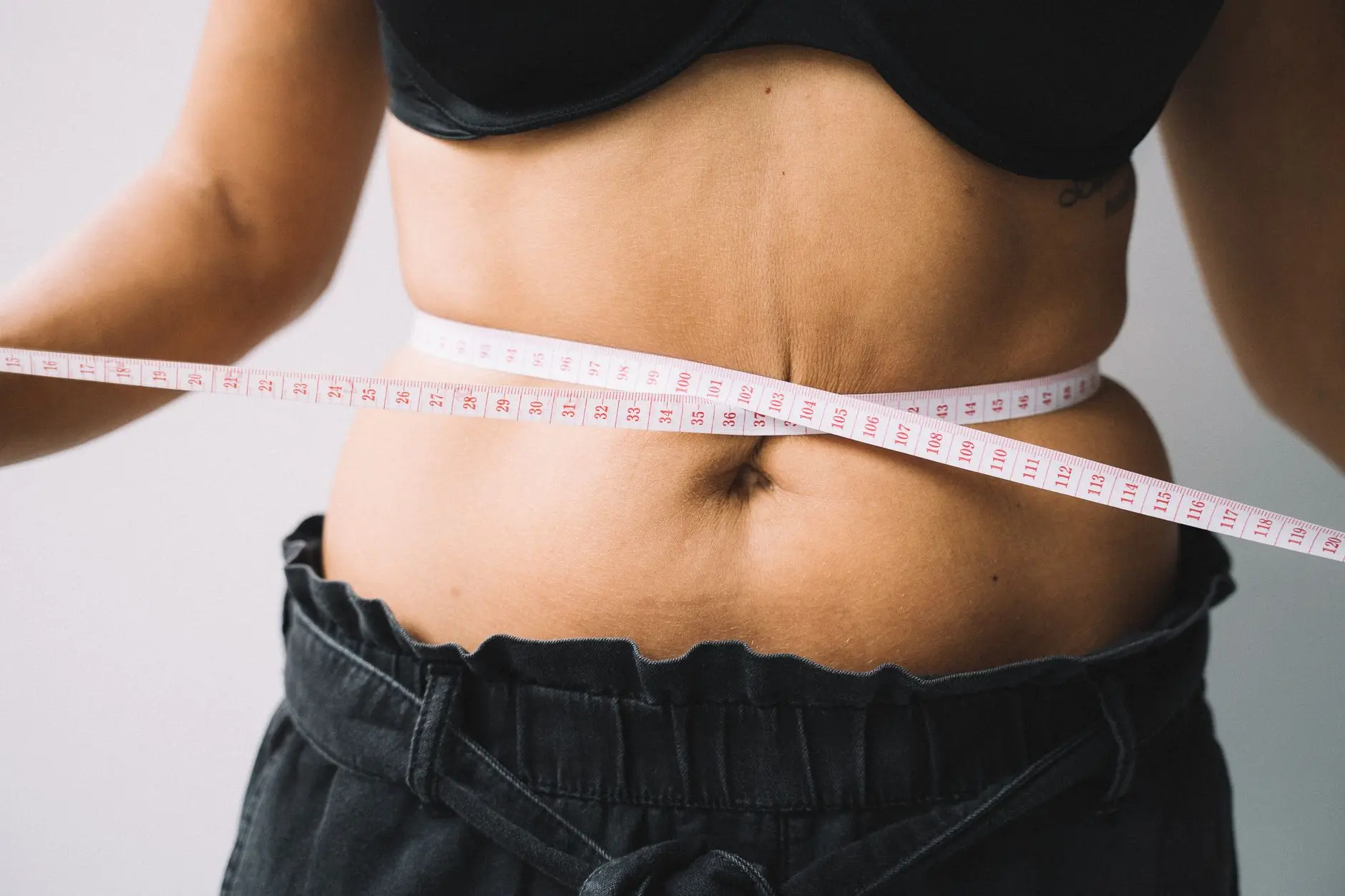
A true plateau is a flat weekly trend over three to four full weeks while you are genuinely confident of your deficit. Anything shorter is usually water. Two checks help. First, use a tape measure: if your waist is shrinking while the scale sits still, you are losing fat and holding water, and the drop is coming. Second, be honest about intake. Portions and snacks drift over weeks, so re-estimate your real needs with the calorie calculator rather than assuming the deficit you set two months ago still holds.
A simple way to run this is to write your weight down most mornings for four weeks, then average each week. If week four’s average sits below week one’s, you are still losing, whatever any single morning said, and a weight loss plateau then sudden drop is just water catching up. If all four weekly averages land within a pound of each other, the deficit is probably gone, and no drop is coming until you change something.
What actually breaks a true plateau
If the weekly trend is genuinely flat for a month and your measurements agree, a few changes have evidence behind them. Recalculate your calorie target for your current weight, because the figure from the start of your diet is now too high. Do not drop below about 1,200 calories a day, which is a common floor for women and gets hard to meet nutrient needs under.
Keep protein high to protect muscle while you lose fat, which also keeps resting metabolism up; higher-protein, lower-calorie meals make this easier, and you can size your target with the protein intake calculator or borrow from these high protein low calorie meals. Add or increase resistance training. Finally, protect sleep and manage stress, because short sleep and high stress raise the same water-holding hormones that make a plateau look worse than it is.
The recalculation is the step most people skip, so make it concrete. If you began at 180 pounds and now weigh 165, the calorie target that gave you a deficit at 180 is close to maintenance at 165, which is why the loss stopped. Trimming 100 to 200 calories a day, or adding the same amount in daily movement, rebuilds a real deficit without crash dieting or dropping under that 1,200 floor. None of this produces a dramatic whoosh. A weight loss plateau then sudden drop is simply the fat loss you were already making finally showing up on the scale once the water moves.
Frequently asked questions
Is the whoosh effect real?
The sudden drop on the scale after a plateau is real, but the whoosh effect is not a medical term and the mechanism behind it is not supported. There is no controlled study showing that fat cells store water during a stall and then release it all at once. A weight loss plateau then sudden drop is water leaving your body, mostly from glycogen, salt and hormone shifts, not fat disappearing overnight.
How long does a weight loss plateau last before the sudden drop?
A water-driven stall usually lasts a few days to two or three weeks, then clears when carbohydrate, salt or hormonal water normalizes. A genuine fat-loss plateau, where the weekly average truly stops moving on a real deficit, can last a month or longer and does not break on its own until you change something.
Why did I suddenly lose three pounds overnight?
Fat does not leave the body that fast. A change of two or three pounds in a single night is water. It usually means stored carbohydrate and the water bound to it dropped, or that salt and stress hormones that were holding fluid finally eased off, revealing fat loss that happened gradually over the previous weeks.
Does hitting a plateau mean I should eat even less?
Not automatically. First confirm it is a real plateau by tracking a flat weekly average over three to four weeks and checking your waist measurement. If intake has drifted upward, tightening back to your target is enough. Only recalculate a lower target once your current weight genuinely calls for it, and do not go below roughly 1,200 calories a day.
Why do plateaus feel worse in perimenopause?
Cycles become irregular in perimenopause, so hormonal water retention is larger and harder to predict, which makes the scale noisier day to day. Fat loss is also slower because of muscle loss and shifting hormones. The fix is the same but more patient: judge progress by the weekly trend and measurements, not any single morning.
Sources
- Glycogen storage: illusions of easy weight loss, excessive weight regain, and distortions in estimates of body composition. American Journal of Clinical Nutrition, 1992
- Persistent metabolic adaptation 6 years after The Biggest Loser competition. Obesity (The Obesity Society), 2016
- Fluid Retention over the Menstrual Cycle: 1-Year Data from the Prospective Ovulation Cohort. Obstetrics and Gynecology International, 2011
This article is general health information for adults and not medical advice. It does not know your history, your medication or your results. For a decision about your own health, talk to a doctor or another qualified clinician who does.