


If you are working out how to lose belly fat after menopause, start with the fact most guides leave out: the problem is not only extra weight, it is a shift in where your body stores fat. As estrogen falls, fat moves toward the abdomen and settles deep around the organs as visceral fat. The good news is that the same habits that lower total body fat also shrink the belly, and the research points to a short list of levers that actually move it.
How to Lose Belly Fat After Menopause: The Short List
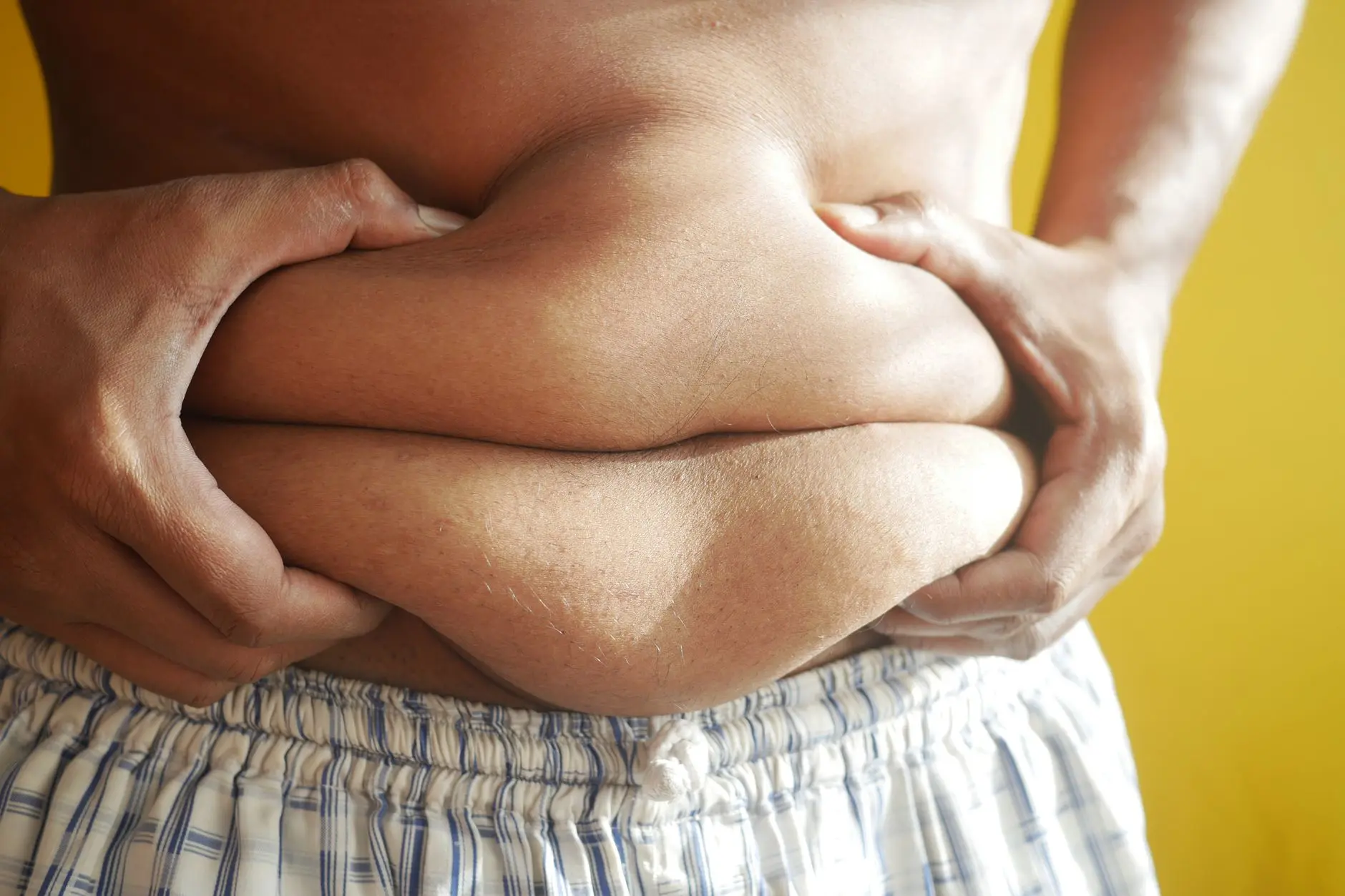
Here is the honest version of how to lose belly fat after menopause: hold a modest calorie deficit, eat enough protein to protect muscle, lift weights at least twice a week, add brisk walking or short bursts of harder effort, and protect your sleep. None of these target the belly on their own, because you cannot spot reduce fat. Together they lower visceral fat, and that is the part that counts for your health.
Why belly fat collects around the middle after menopause
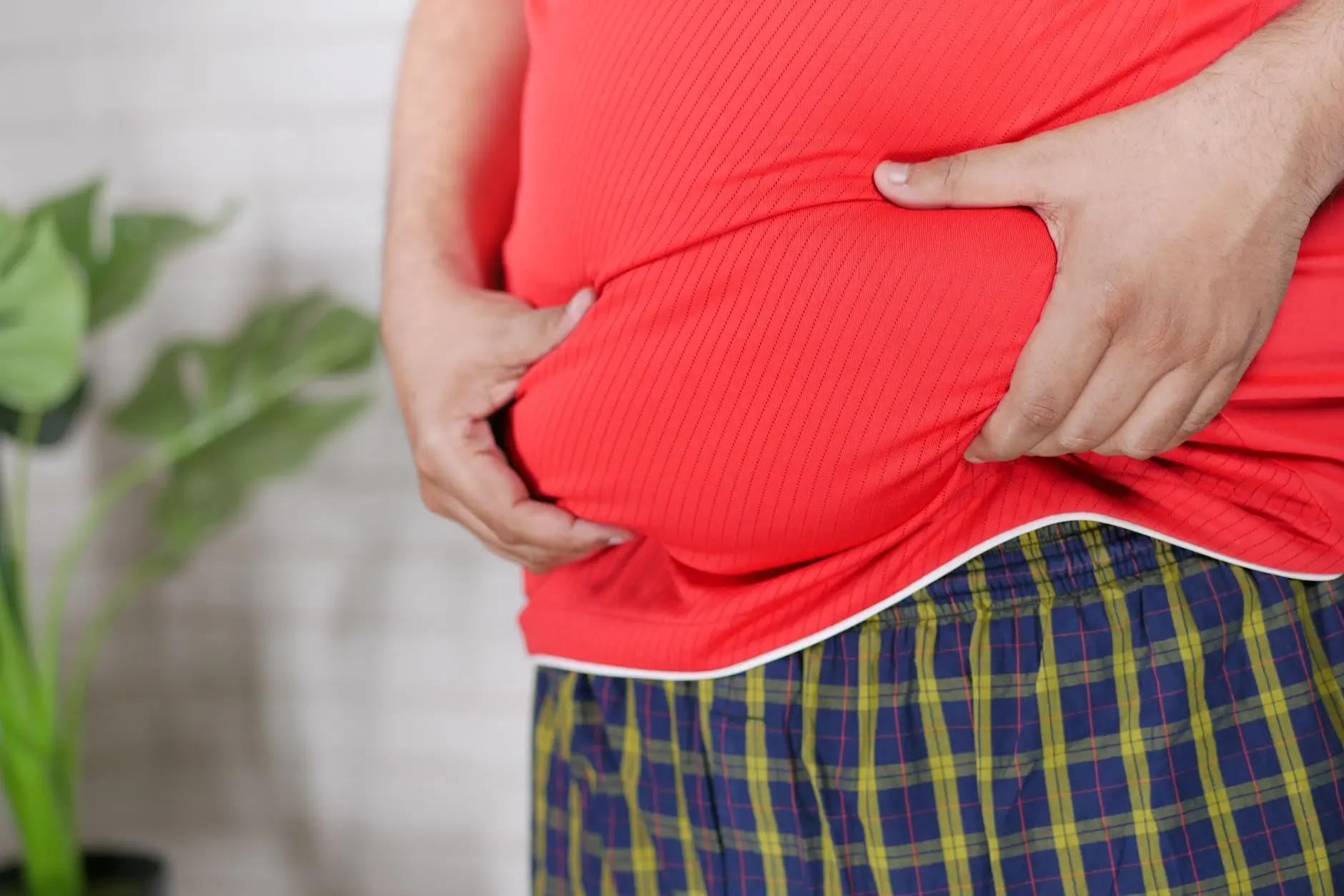
Before menopause, women tend to store fat on the hips and thighs. After it, lower estrogen changes that pattern and sends more fat to the abdomen, according to the Mayo Clinic. Some of that is subcutaneous fat you can pinch. More of it is visceral fat, which wraps around the liver and other organs and drives most of the health risk.
The timing is not random. In the Study of Women’s Health Across the Nation, repeated body scans showed that at the start of the menopause transition the rate of fat gain roughly doubled while lean muscle began to fall, and both trends continued until about two years after the final period. What makes this easy to miss is that total weight kept climbing at a fairly steady pace the whole time. The scale did not jump, but the body underneath it was trading muscle for fat.
The number that matters more than the scale
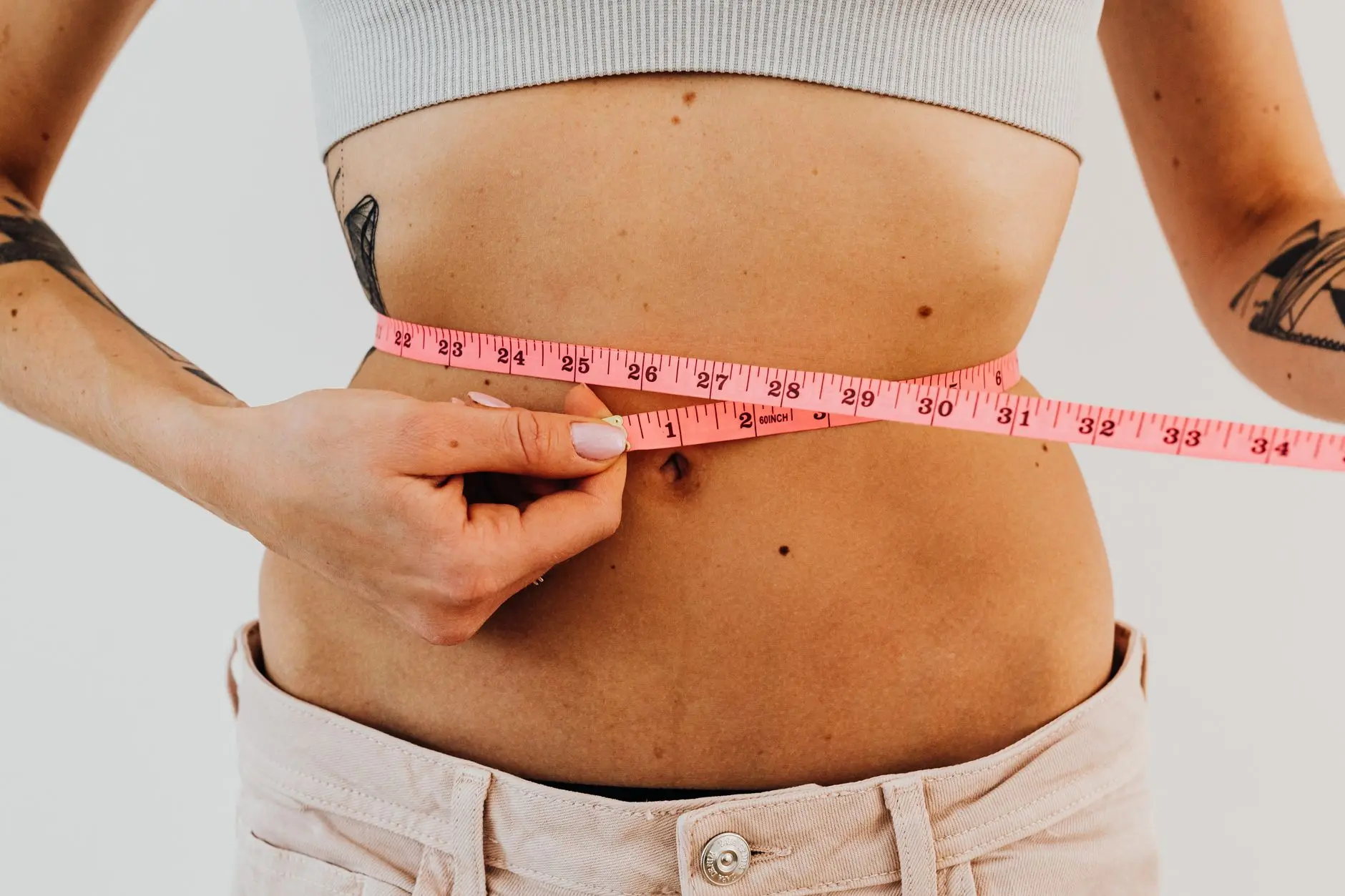
Because the change is about where fat sits, the tape measure tells you more than your weight. Mayo Clinic puts the marker for women at a waist of more than 35 inches, about 89 centimeters, measured level with the top of the hip bones without pulling the tape tight. Above that line, the odds of heart disease, type 2 diabetes and other problems climb with the number.
Knowing how to lose belly fat after menopause starts with measuring the right thing, not just stepping on the scale. Two women at the same weight can carry very different risk, and someone who is not losing weight during perimenopause can still change shape by lowering visceral fat. Track your waist every few weeks instead of weighing in every day.
To measure well, breathe out gently and read the tape at the end of a normal exhale. Do it at the same time of day, ideally in the morning, so bloating and a full stomach do not skew the trend. One reading means little on its own. The direction over a month is what you are after.
Start with a calorie deficit you can hold

Fat loss still comes down to energy. You lose body fat, belly fat included, when you take in fewer calories than you burn over time. The catch after menopause is that less muscle means a lower daily burn, so more of the deficit has to come from food than it used to. A small, steady gap of a few hundred calories a day works better than a crash plan you abandon in a month.
A sensible target is a deficit of about 300 to 500 calories a day, enough for a slow loss without the hunger and fatigue that end most plans. Cutting much harder tends to backfire after menopause, because very low calorie diets speed up the muscle loss that is already under way, and less muscle lowers your burn even further. When progress stalls for a few weeks, it is usually easier to add a daily walk than to cut food again.
If you are not sure where to start, the calorie calculator gives you a maintenance estimate to subtract from, and our guide to how to lose weight without exercise shows how far diet alone can take you. Exercise matters, but you cannot out-train eating that is too loose.
Protein is the lever most menopause plans underuse
Protein does two jobs at once here. It keeps you full on fewer calories, and it defends the muscle you are otherwise losing. A 2016 review in Nutrition Reviews pooled 20 randomized trials in adults over 50 and found that those eating more protein while losing weight held on to more lean mass and lost more fat than those eating less. The studies counted higher protein as roughly 1.0 gram per kilogram of body weight or more.
That is a real engine behind how to lose belly fat after menopause: protect your muscle, and more of the weight you lose comes from fat. Spread protein across the day rather than loading it all at dinner. The protein intake calculator turns your weight into a daily target, and these high protein low calorie meals make that target easier to hit without extra calories.
In practice, a woman weighing 70 kilograms, about 154 pounds, is looking at 70 grams of protein a day as a floor, and often more while actively losing weight. That is roughly a palm of fish, chicken, tofu, eggs, Greek yogurt or beans at each meal. Breakfast is where most people fall short and the meal where hitting the target pays off most, because it steadies hunger through the morning.
Strength training beats crunches for visceral fat
When women ask how to lose belly fat after menopause, lifting is the piece most often skipped. Crunches and planks build the muscle under the belly, but they burn very little fat, so they will not uncover the midsection on their own. Lifting does something more useful. A 2022 review in Sports Medicine combined 54 trials and found that resistance training lowered body fat by about 1.5 percentage points, cut fat mass by roughly half a kilogram, and reduced visceral fat specifically. The effect was the same for women as for men.
Two to three full body sessions a week, working the legs, hips, back and arms, is enough to start. If you want a structured plan, our best gym exercises for belly fat set out an eight week progression. The muscle you keep also raises your daily calorie burn, which makes the deficit above easier to hold.
Results come from slowly adding weight, reps or sets over the weeks, not from endless light repetitions. Compound moves like squats, hip hinges, rows and presses work the most muscle for the time you spend. Two sessions a week is a real floor, not a compromise, and most women can begin with resistance bands or body weight before moving on to dumbbells or machines.
Where cardio and short intervals fit
Aerobic exercise adds to the calorie burn and helps the heart. The physical activity guidelines call for 150 minutes of moderate activity such as brisk walking each week, or 75 minutes of vigorous activity such as jogging, plus muscle strengthening on at least two days. Walking is underrated after menopause because it is easy to keep up and easy on the joints.
Short, hard intervals are an option, not a requirement. A 2018 analysis in Sports Medicine of 39 studies found that high intensity interval training reduced total, abdominal and visceral fat, with running working better than cycling and no difference between women and men. The gains were real but modest, so treat intervals as a way to save time, not as a shortcut that replaces the rest.
Sleep, stress and alcohol
Short sleep and constant stress keep cortisol high, and higher cortisol is linked with more fat stored around the middle. The evidence here is mostly associational, so better sleep is not a fat burner by itself, but poor sleep reliably pushes appetite and late night eating up. Alcohol adds easy calories and, as Mayo notes, is tied to more belly fat, which makes it one of the simplest things to cut back.
Aim for a regular seven to nine hours with a consistent wake time, which steadies both appetite and the energy you need to train. You do not need perfect sleep, just enough that the next day’s cravings are not running the show.
What about hormone therapy?
Menopausal hormone therapy treats symptoms like hot flashes and night sweats, and it is not approved or prescribed as a weight loss treatment. Research on its effect on body fat is mixed, and any change is small next to diet and training. If symptoms are disrupting your life, that is a conversation to have with your clinician on its own merits, not as a plan for the belly.
How long it takes, and what progress looks like
Expect slow and steady. Aiming for about half a kilogram to one kilogram a week keeps more of the loss as fat and makes it more likely to stay off. Plateaus are normal, and our guide on how long a weight loss plateau can last explains why the scale stalls even when the plan is working. For a fuller routine built around this stage of life, see how to lose weight after menopause naturally.
In the end, how to lose belly fat after menopause comes down to stacking a few proven habits and holding them long enough to see the waist move. Measure monthly, protect your muscle, and let the numbers, not the mirror, tell you it is working.
Frequently asked questions
Can you really lose belly fat after menopause?
Yes. Lower estrogen makes fat settle around the middle, but belly fat responds to the same calorie deficit, protein, strength training and activity that lower fat anywhere else. Progress is slower than at 30 because muscle and daily calorie burn are lower, so the diet side has to be a little tighter.
What is the best exercise to lose belly fat after menopause?
A mix, not one move. Strength training two to three times a week does the most for visceral fat, brisk walking adds calorie burn and protects the heart, and short intervals can save time. Crunches alone will not work, because you cannot spot reduce fat from the belly.
How long does it take to lose belly fat after menopause?
Plan in months, not weeks. A steady loss of about half a kilogram to one kilogram a week is realistic and more likely to last. Measure your waist every few weeks rather than weighing daily, since the scale can stall while fat is still coming off.
Does hormone therapy get rid of menopause belly?
No. Menopausal hormone therapy treats symptoms such as hot flashes and is not a weight loss treatment. Research on its effect on body fat is mixed, and any change is small next to diet and strength training.
How much protein should I eat to lose belly fat after menopause?
Trials in adults over 50 counted higher protein as about 1.0 gram per kilogram of body weight or more, and that amount helped protect muscle during weight loss. Spread it across meals, and set a target based on your own weight rather than a fixed number.
Sources
- Changes in body composition and weight during the menopause transition. JCI Insight, 2019
- The Effect of Resistance Training in Healthy Adults on Body Fat Percentage, Fat Mass and Visceral Fat: A Systematic Review and Meta-Analysis. Sports Medicine, 2022
- Effect of High-Intensity Interval Training on Total, Abdominal and Visceral Fat Mass: A Meta-Analysis. Sports Medicine, 2018
- Effects of dietary protein intake on body composition changes after weight loss in older adults: a systematic review and meta-analysis. Nutrition Reviews, 2016
- Belly fat in women: Taking and keeping it off. Mayo Clinic, 2025
- Physical Activity Guidelines for Adults. Centers for Disease Control and Prevention, 2024
This article is general health information for adults and not medical advice. It does not know your history, your medication or your results. For a decision about your own health, talk to a doctor or another qualified clinician who does.


