

Choosing high fiber foods for acid reflux is more complicated than it first appears, because two true things pull in opposite directions. Fiber has real trial evidence behind it for reflux. Several of the most fiber-rich foods are also classic heartburn triggers.
Getting this right means knowing which is which, and knowing that fiber is not the most powerful lever available to you.
The trial that gives fiber its case
A 2018 study in the World Journal of Gastroenterology took 30 patients with non-erosive reflux disease who were eating less than 20 grams of fiber a day, and added psyllium at 5 grams three times daily for ten days.
The results were striking for such a short intervention. The proportion of patients experiencing heartburn fell from 93.3% to 40%. Symptom scores nearly halved. The total number of reflux episodes dropped from 67.9 to 42.4, and the longest reflux episode shortened from 10.6 minutes to 5.3.
The mechanism is the interesting part. Minimal resting pressure in the lower oesophageal sphincter, the muscular valve that is supposed to keep stomach contents down, roughly doubled from 5.41 to 11.3 mmHg. Fiber was not neutralising acid. It was helping the valve close.
Two limits worth stating. Thirty patients over ten days is small and short. And everyone enrolled started with a low fiber intake, so this shows what happens when you correct a shortfall, not what happens when someone already eating well adds more.
The high fiber foods for acid reflux that are least likely to backfire
These are the high fiber foods for acid reflux least likely to cause trouble, because none of them appears regularly on trigger lists. They are the sensible starting point.
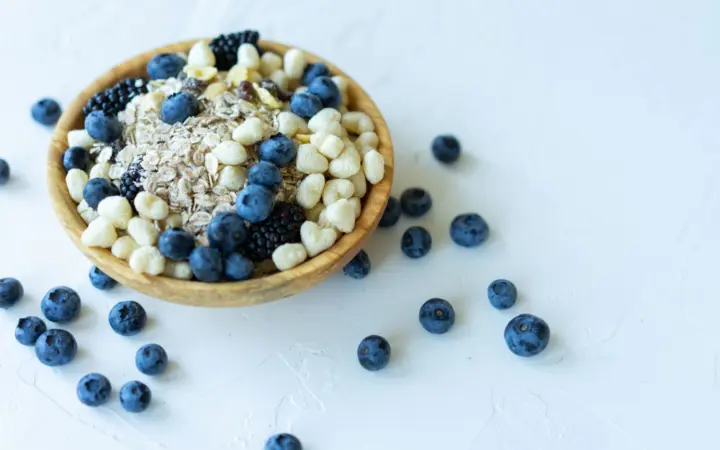
- Oats and oatmeal. Soluble fiber, bland, and filling enough to displace a trigger-heavy breakfast.
- Psyllium husk. The one actually tested in the trial above. Start lower than the study dose and build up, with plenty of water.
- Bananas. Low acid and well tolerated by most people with reflux.
- Root vegetables. Sweet potato, carrot and parsnip are fibrous without being acidic.
- Green vegetables. Broccoli, green beans, spinach and courgette are reliably well tolerated.
- Melon and pear. Fruit without the acid load of citrus.
- Whole grains. Brown rice, barley and wholegrain bread.
- Beans and lentils, cautiously. High in fiber and generally fine for reflux, though the gas they produce can increase pressure and bother some people.
The high-fiber foods that commonly make it worse
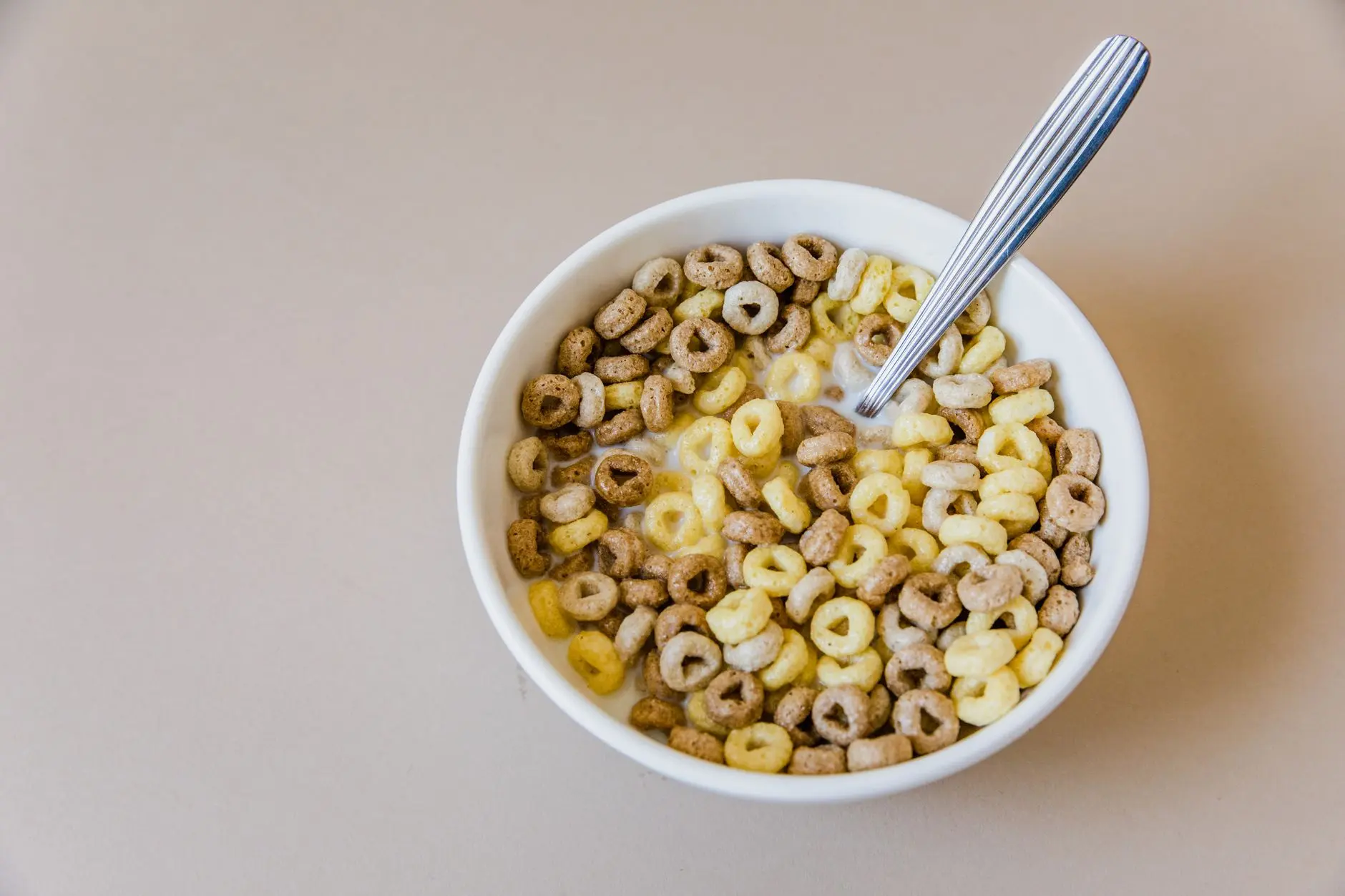
This is the part that gets left out of most fiber advice, and it is why some people add fiber and feel worse rather than better.
Citrus fruit, tomatoes and tomato-based sauces are all reasonable fiber sources and all classic reflux triggers because of their acidity. Onions and garlic are fermentable fiber and frequently reported triggers. Peppermint is often assumed to settle the stomach, but it relaxes the lower oesophageal sphincter, which is precisely the muscle the fiber trial was strengthening.
None of these are universally bad. Triggers are individual, and the review below found that identifying your own reliably beats following a generic avoid-list. The point is simply that building your fiber intake out of oranges, tomatoes and onion-heavy meals is a predictable way to make reflux worse while technically doing the right thing.
Fiber is not the strongest lever, and pretending otherwise would be unhelpful
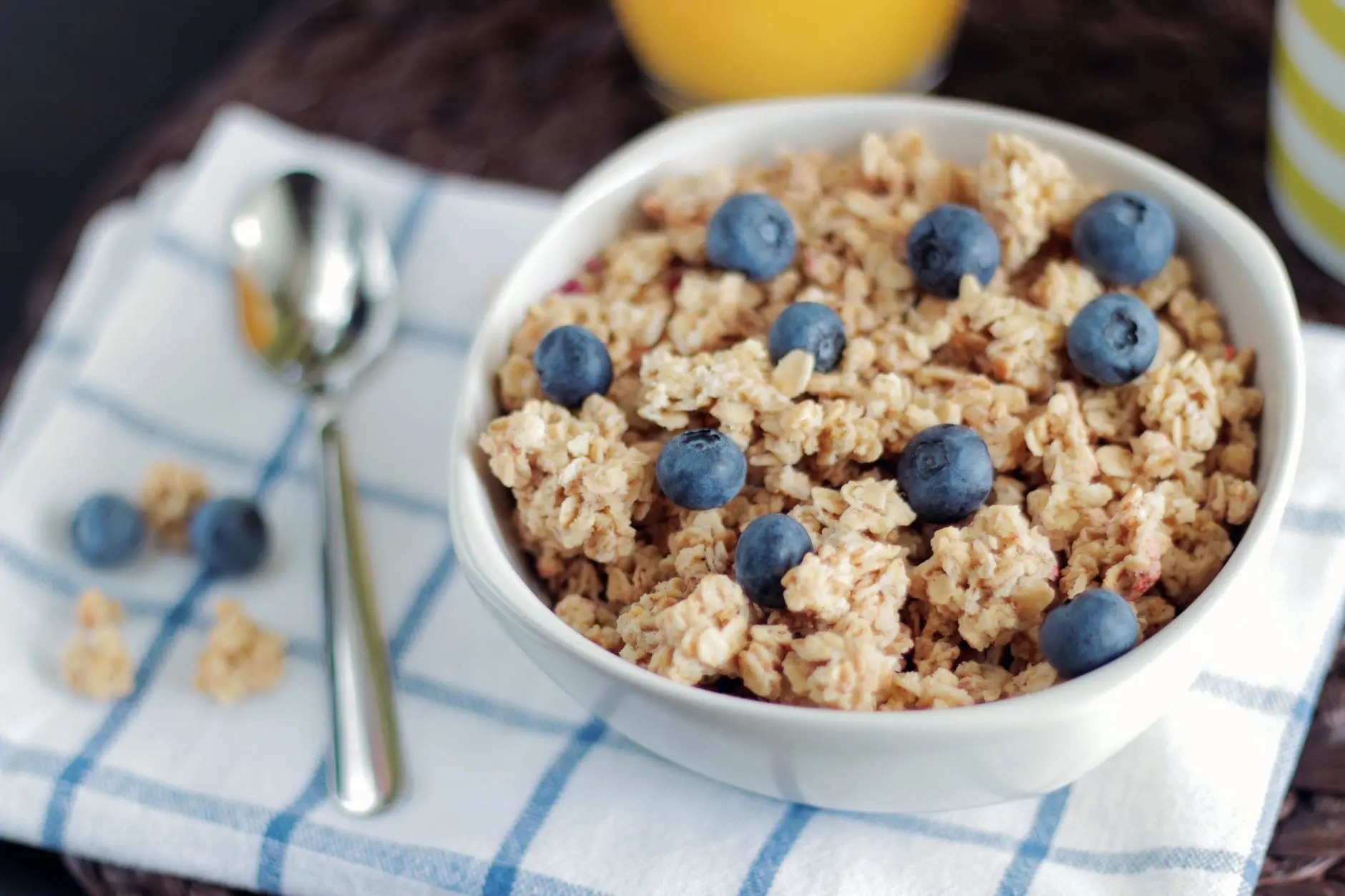
A 2025 review in Best Practice and Research Clinical Gastroenterology assessed dietary and lifestyle interventions for reflux, which affects 18 to 28% of Western populations, with 10 to 40% still having symptoms despite medication.
The standout finding was weight. In overweight patients, weight management dropped reflux prevalence from 37% to 15%, with 65% achieving complete symptom resolution. Nothing else in that review comes close.
Other approaches that performed well: systematic trigger-food elimination improved symptom scores by 23% and allowed 45% of patients to stop their medication, and low-carbohydrate approaches significantly reduced the time the oesophagus spent exposed to acid. Plant-based eating patterns were associated with substantially lower reflux prevalence.
So if you are carrying extra weight and have reflux, that is where the evidence points first. Fiber is a reasonable addition rather than the headline act. Our guide to losing weight without exercise covers that side, and our calorie calculator gives you a realistic starting number.
Why the same food helps one person and not another
Reflux is unusually individual, which is why generic lists disappoint so many people. The trial evidence explains part of it.
Fiber appeared to work by raising sphincter pressure, so the people most likely to benefit are those whose sphincter is weak and whose fiber intake is genuinely low. If you already eat 30 grams of fiber a day, there is no shortfall to correct and adding more is unlikely to do much. If your reflux is driven mainly by abdominal pressure from carrying extra weight, or by eating late and lying down, then fiber is addressing the wrong mechanism entirely.
That is the useful way to think about high fiber foods for acid reflux: not as a treatment that either works or does not, but as one that targets a specific cause. Worth trying if you eat little fiber. Worth deprioritising if you already eat plenty and your symptoms clearly track with late meals or weight.
How to add fiber without triggering symptoms
Go slowly. A sudden jump in fiber produces gas and bloating, and abdominal pressure pushes stomach contents upward, so rushing can worsen reflux even when the foods themselves are fine. Add one source every few days.
Spread it across smaller meals rather than concentrating it in one large one, because meal volume itself provokes reflux. Drink enough water, since fiber without fluid is uncomfortable in every direction. Keep the last meal two to three hours clear of lying down, which matters more than most single food choices. And keep a short note of what you ate when symptoms flare, because that is how you identify your own triggers rather than avoiding a generic list of foods that may be fine for you.
If you also deal with constipation, the same foods serve both, and our guide to high-fiber foods for constipation covers the dosing evidence. If you are eating low carb, which that review found reduced acid exposure, our ranking of foods with low carbs and high fiber shows how to hit both targets at once.
Soluble and insoluble fiber are not interchangeable here
The trial used psyllium, which is predominantly soluble fiber, and that is probably not incidental.
Soluble fiber absorbs water and forms a gel, which slows gastric emptying in a controlled way and is the type associated with the sphincter effect seen in that study. Insoluble fiber, the bulkier kind in wheat bran and vegetable skins, speeds transit and adds volume. Volume is the thing you are trying to avoid pressing against a weak valve, so loading up on bran is not obviously the same intervention as taking psyllium, even though both count as fiber.
This has not been tested head to head for reflux, so treat it as reasoning from mechanism rather than proven fact. But if you are choosing where to start, the soluble sources, oats, psyllium, bananas and root vegetables, are both the better tolerated group and the one closer to what was actually trialled.
What to expect, and what should send you to a doctor
The psyllium trial ran ten days, so improvement can come quickly, but that was in people correcting a genuine shortfall. Give any change two to four weeks before judging it.
See a doctor rather than continuing to self-manage if you have heartburn more than twice a week, if symptoms persist despite over-the-counter treatment, or if reflux is disturbing your sleep regularly. Seek prompt medical attention for difficulty or pain when swallowing, food feeling stuck, unintentional weight loss, vomiting blood or black stools, or chest pain, which needs urgent assessment because it can be cardiac rather than digestive.
Long-standing untreated reflux can damage the oesophagus, so persistent symptoms deserve a proper assessment rather than an indefinite run of dietary experiments. Dietary changes are worth making alongside medical advice, not instead of it, and nothing here is a reason to stop a treatment that is already working. Gut symptoms rarely travel alone either, and our guide to foods that support the gut lining covers the overlapping ground.
Reflux after 40
Reflux becomes more common with age, and several things converge in midlife: weight tends to redistribute toward the abdomen, which raises pressure on the stomach, and sphincter function declines gradually. Hormonal changes through perimenopause are also frequently reported alongside new digestive symptoms, though that specific link is less well established than the weight relationship.
What that means practically is that the interventions with the strongest evidence, weight management and trigger identification, matter more rather than less at this stage. Choosing high fiber foods for acid reflux is worth doing, and it works best as one part of that rather than as a substitute for it.
Frequently asked questions
Does fiber actually help acid reflux?
There is real evidence. In a 2018 trial, 30 patients with non-erosive reflux and low fiber intake took psyllium three times daily for ten days. The proportion experiencing heartburn fell from 93% to 40%, reflux episodes dropped by roughly a third, and pressure in the lower oesophageal sphincter roughly doubled. It is a small, short study in people correcting a fiber shortfall, so treat it as promising rather than settled.
Which high-fiber foods should I avoid with reflux?
The ones that are also common triggers: citrus fruit, tomatoes and tomato sauces because of their acidity, plus onions and garlic. Peppermint deserves a special mention because it is widely assumed to soothe the stomach but actually relaxes the lower oesophageal sphincter, which is the muscle you want working. Triggers are individual, so keep a short food and symptom note rather than avoiding everything on a generic list.
What helps reflux more than fiber?
Weight management, clearly. A 2025 review found reflux prevalence in overweight patients fell from 37% to 15% with weight intervention, and 65% had complete symptom resolution. Nothing else in that review performed as strongly. Systematic trigger-food elimination came next, improving symptom scores by 23% and letting 45% of patients stop medication.
Can adding fiber make reflux worse?
Yes, in two ways. Increasing fiber too quickly causes gas and bloating, and the resulting abdominal pressure pushes stomach contents upward. And building your fiber intake around citrus, tomatoes or onion-heavy meals means eating trigger foods while technically following good advice. Add one source every few days and choose from the well-tolerated list.
How long before dietary changes help?
The psyllium trial showed improvement within ten days, though those patients were correcting a genuine fiber shortfall. Allow two to four weeks before deciding whether a change is working. If you have heartburn more than twice a week, or symptoms persist despite over-the-counter treatment, see a doctor rather than continuing to experiment.
Sources
- Fiber-enriched diet helps to control symptoms and improves esophageal motility in patients with non-erosive gastroesophageal reflux disease. World Journal of Gastroenterology, 2018
- Non-pharmacological approaches in gastroesophageal reflux disease: Evidence-based dietary and lifestyle interventions. Best Practice and Research Clinical Gastroenterology, 2025
This article is general health information for adults and not medical advice. It does not know your history, your medication or your results. For a decision about your own health, talk to a doctor or another qualified clinician who does.