


If you have searched for the 7 exercises for low back pain, you have probably found a dozen lists that name the same moves and stop there. The moves matter less than most of those lists suggest. The strongest evidence says almost any sensible exercise helps a sore lower back, that the type you choose barely changes the result, and that doing it regularly matters more than doing the perfect one. This guide gives you seven exercises that research supports, the actual numbers behind them, and the honest limits of what they can do for women over 40.
What the research actually says about exercise and back pain

Exercise is not one option among many for persistent low back pain. It is the recommended first step. The American College of Physicians gives it a strong recommendation as the initial, non-drug treatment for chronic low back pain, ahead of pills.
How much does it help? A 2021 Cochrane review pooled 249 trials and found that exercise cut pain by about 15 points on a 100-point scale compared with no treatment (mean reduction 15.2, 95% confidence interval 12.2 to 18.3). That is roughly the size most researchers call clinically meaningful, and the certainty of the evidence was moderate. It is real relief, not a cure.
Does the type of exercise matter? Barely. A network meta-analysis of 217 trials and 20,969 people found Pilates, McKenzie method and functional restoration slightly ahead of the rest, reducing pain by 15 to 19 points, but the gaps between most forms of exercise were small. The authors’ own conclusion was blunt: people should do the exercise they enjoy, because the one you keep doing is the one that works. If your back pain is more about stiffness on one side or a sharp twinge, it helps to know what is driving your lower back pain before you pick your moves.
The 7 exercises for low back pain in this guide follow that evidence. They mix strengthening, gentle mobility and walking, they keep the spine in safe positions, and they are easy to repeat at home without equipment, which is the part that decides whether they actually help you.
Before you start: who these help and when to stop
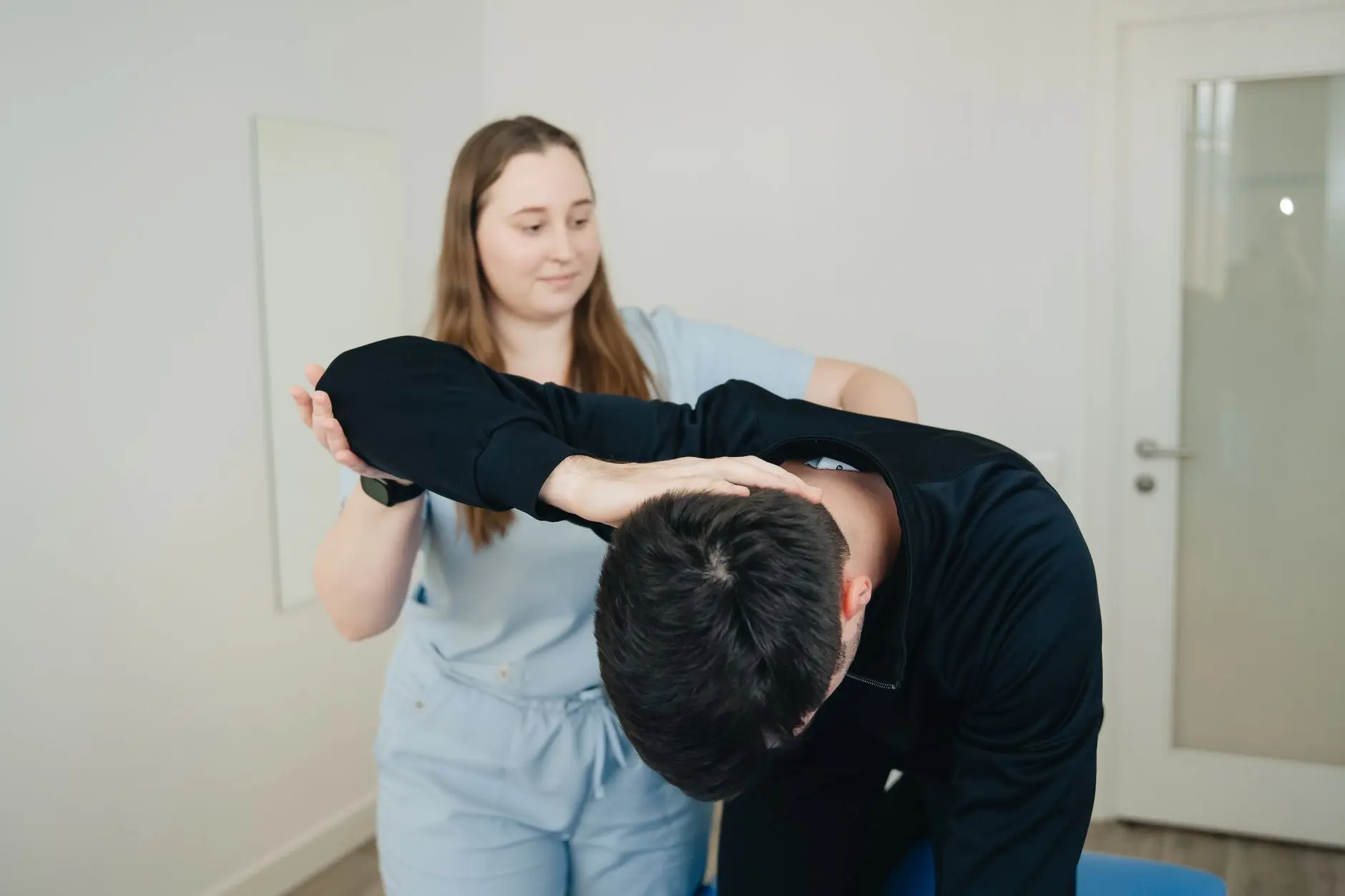
The 7 exercises for low back pain below are for ongoing or recurring non-specific low back pain, the kind that has lasted weeks or keeps coming back. They are not for the first day or two of a severe flare when you can barely stand. During an acute flare, gentle movement and staying active beats bed rest, but hold off on loaded strengthening until the worst passes.
Stop and see a clinician rather than a workout if your back pain comes with fever, unexplained weight loss, numbness around the groin or saddle area, loss of bladder or bowel control, weakness in a leg, or pain that followed a fall. These are warning signs, not training problems.
During the exercises themselves, mild muscle ache is normal. Sharp pain, or pain that shoots down a leg, is not. If a move reproduces that shooting pain, stop it. Leg pain that travels below the knee often points to nerve irritation, and a different set of sciatica stretches tends to suit that better than general strengthening.
The 7 exercises for low back pain

Each of these trains the muscles that support the spine without loading it heavily. Start with one set, move slowly, and breathe. None should hurt.
1. Glute bridge
Lie on your back, knees bent, feet flat and hip-width apart. Press through your heels and lift your hips until your body forms a straight line from shoulders to knees, then lower slowly. The bridge strengthens the glutes and the back of the hips, the muscles that take load off the lower spine when you stand, walk and lift. Build to two sets of ten.
2. Bird-dog
On hands and knees, reach one arm forward and the opposite leg back until both are level with your body, hold for a few seconds, then switch sides. The bird-dog trains the deep stabilising muscles along the spine while keeping the back in a neutral, safe position. It is one of the three core moves spine researchers return to again and again because it builds control without strain.
3. Modified side plank
Lie on your side with knees bent, prop yourself on your forearm, and lift your hips so your body makes a straight line from knee to shoulder. Hold for ten to twenty seconds each side. This trains the muscles on the sides of your trunk, which steady the spine during everyday twisting and bending, with far less load than weighted side bends.
4. Modified curl-up
Lie on your back with one knee bent and one leg straight. Place your hands under the small of your back to keep it in its natural curve, then lift your head and shoulders just a few centimetres off the floor. Unlike a full sit-up, this works the abdominal muscles while keeping the lower spine still, so you get the core benefit without the bending that aggravates a sore back.
5. Cat-cow
On hands and knees, slowly round your back toward the ceiling, then let it sag and lift your head. Move with your breath. This gentle mobility drill eases stiffness and teaches the lower back to move through its range without fear. If a single controlled tilt suits you better, the pelvic tilt works the same area from lying down.
6. Knee-to-chest stretch
Lie on your back and draw one knee gently toward your chest, hold for twenty to thirty seconds, then switch. It lengthens the muscles of the lower back and hips that tighten after a day of sitting. For the stiffness that settles higher up the spine, a few middle back stretches round out the routine.
7. Walking
Walking is the most underrated exercise on this list, and it has the best recent evidence behind it. The 2024 WalkBack trial followed 701 adults who had just recovered from a bout of low back pain. Four in five were women, with an average age of 54. A progressive walking programme with a handful of physiotherapy sessions pushed the median time to the next flare from 112 days to 208 days, and cut the risk of a recurrence by about 28 percent (hazard ratio 0.72). You can see what that builds in daily terms with the steps to calories calculator, and a structured approach like interval walking makes the progression easy to follow.
How often to do them and how long before they help

Most of the trials behind the 7 exercises for low back pain ran their programmes two to three times a week for six to twelve weeks. Relief builds over those weeks, not over a weekend. Pain often eases before it disappears, and sometimes it is your range of movement and confidence that improve first while the ache lags behind. That is still progress worth keeping.
Begin with one set of eight to ten repetitions of each strengthening move, hold the planks for short counts, and add a little each week. Because the research shows that sticking with it matters more than picking the perfect move, choose the handful you will actually repeat and build the habit before you worry about adding load.
A simple rhythm works well: three short strengthening sessions a week on days that are not back to back, a daily walk that you lengthen a little at a time, and the mobility moves whenever your back feels stiff. If a flare arrives, drop back to walking and the gentle stretches for a few days, then pick the strengthening up again once it settles.
Low back pain in the years around menopause
The WalkBack trial was four-fifths women with an average age of 54, which is no accident. Back pain is common in the years around menopause, and a few things specific to this stage feed into it. Weight tends to settle around the middle, which adds load to the lower spine. Falling oestrogen is associated with changes in the discs and joints of the spine, though that link is still being untangled. And bone density starts to drop, which is a reason to favour the gentle, controlled moves above over heavy loaded lifting.
If weight is part of your picture, it is worth knowing where you stand, because extra load on the lumbar spine is one of the clearer links in back pain research. The BMI calculator gives you a starting number, and pattern of pain differs from person to person, so understanding one-sided lower back pain in women can help you tell a muscular ache from something that needs a closer look.
Moves to skip when your back is sore
A few popular exercises load the lower spine in exactly the way a sore back does not want. Full sit-ups and double leg raises pull hard on the hip flexors, which tug on the lumbar spine; the modified curl-up above gives you the same core work without that strain. Loaded toe-touches bend the spine under tension and are best left out during a flare.
Heavy lifting is not the enemy once your back is settled, but a flare is the wrong time to test it. If your pain started under a barbell, the fix is technique and load management rather than avoidance; there is a full guide to lower back pain from deadlifts for that. And whatever the move, if it reproduces pain down your leg, stop and come back to the gentler options.
Treat these 7 exercises for low back pain as a starting routine rather than a fixed prescription. Pick the handful that feel manageable, do them most days, add a walk, and give it a month before you judge the result. The evidence is consistent that steady, moderate effort over several weeks does more than any single perfect move, and that gentle, regular movement helps a sore back settle.
Frequently asked questions
What is the single best exercise for low back pain?
There is no single best one. A network meta-analysis of 217 trials found Pilates, the McKenzie method and functional restoration slightly ahead of other forms, but the differences were small and most sensible exercise helped. The researchers concluded that the exercise you will actually keep doing matters more than which one you pick, because consistency drives the result.
How long does it take for exercises to help low back pain?
Expect weeks, not days. Most trials ran their programmes two to three times a week for six to twelve weeks before measuring the full benefit. Pain often eases gradually, and your range of movement and confidence may improve before the ache fully settles.
Should I exercise during a back pain flare-up?
Gentle movement and short walks are usually better than bed rest, even during a flare, but hold off on loaded strengthening until the worst passes. Stop and see a clinician if the pain comes with fever, leg weakness, numbness around the groin, or loss of bladder or bowel control, as these are warning signs rather than training problems.
Are these exercises safe for women in perimenopause?
Yes, and the strongest recent trial on walking for back pain was four-fifths women with an average age of 54. Because bone density falls in these years, the gentle, controlled moves here are a sensible choice over heavy loaded lifting. Start light, build slowly, and stop any move that causes sharp or shooting pain.
Can walking really help a bad back?
Yes. In the 2024 WalkBack trial of 701 adults, a progressive walking programme with a few physiotherapy sessions pushed the median time to the next flare from 112 days to 208 days and cut the risk of a recurrence by about 28 percent. It is one of the most accessible and best-supported options available.
Sources
- Exercise therapy for chronic low back pain (Cochrane review). Cochrane Database of Systematic Reviews, 2021
- Noninvasive Treatments for Acute, Subacute, and Chronic Low Back Pain: A Clinical Practice Guideline From the American College of Physicians. Annals of Internal Medicine, 2017
- Some types of exercise are more effective than others in people with chronic low back pain: a network meta-analysis. Journal of Physiotherapy, 2021
- Effectiveness and cost-effectiveness of an individualised, progressive walking and education intervention for the prevention of low back pain recurrence in Australia (WalkBack): a randomised controlled trial. The Lancet, 2024
This article is general health information for adults and not medical advice. It does not know your history, your medication or your results. For a decision about your own health, talk to a doctor or another qualified clinician who does.