
Most advice about a perimenopause diet reads like the same grocery list copied from one page to the next. Eat more protein. Get your calcium. Add some soy. Cut back on sugar and wine. None of it is wrong. It is just vague enough to be hard to use, because it leaves out the one thing that decides whether any of it helps: how much. The amount of protein that protects muscle, the calcium target that matches the bone you lose after your last period, the soy dose that was actually tested. Those numbers are the difference between a plan and a slogan.
This guide puts the numbers back in. It is written for women in their forties and fifties, when estrogen begins its long decline, muscle gets harder to hold, bone loss speeds up, and weight tends to settle around the middle. Food cannot stop any of that. It can slow parts of it and make the symptoms more livable, and you deserve to know which parts.
What a perimenopause diet can and cannot do
Set the expectation first, because it saves a lot of frustration. Diet is a supporting player in perimenopause, not a treatment. It will not restore estrogen, and it will not reliably switch off hot flashes the way hormone therapy can for many women. What eating well does is protect the tissues that estrogen used to protect for you, keep blood sugar steadier, and give you more energy to work with.
Think of it as changing the slope, not reversing the line. The women who do best treat food as one lever among several, alongside strength training, sleep, and, for some, medication. If your symptoms are severe, a diet change is worth making and is still not a substitute for talking to a clinician. Many of the complaints people blame on food are hormonal in origin, and it helps to know the full list before you decide what to fix. Our rundown of the 34 symptoms of perimenopause and which ones have evidence is a good place to sort that out.
Protein: the number most lists skip
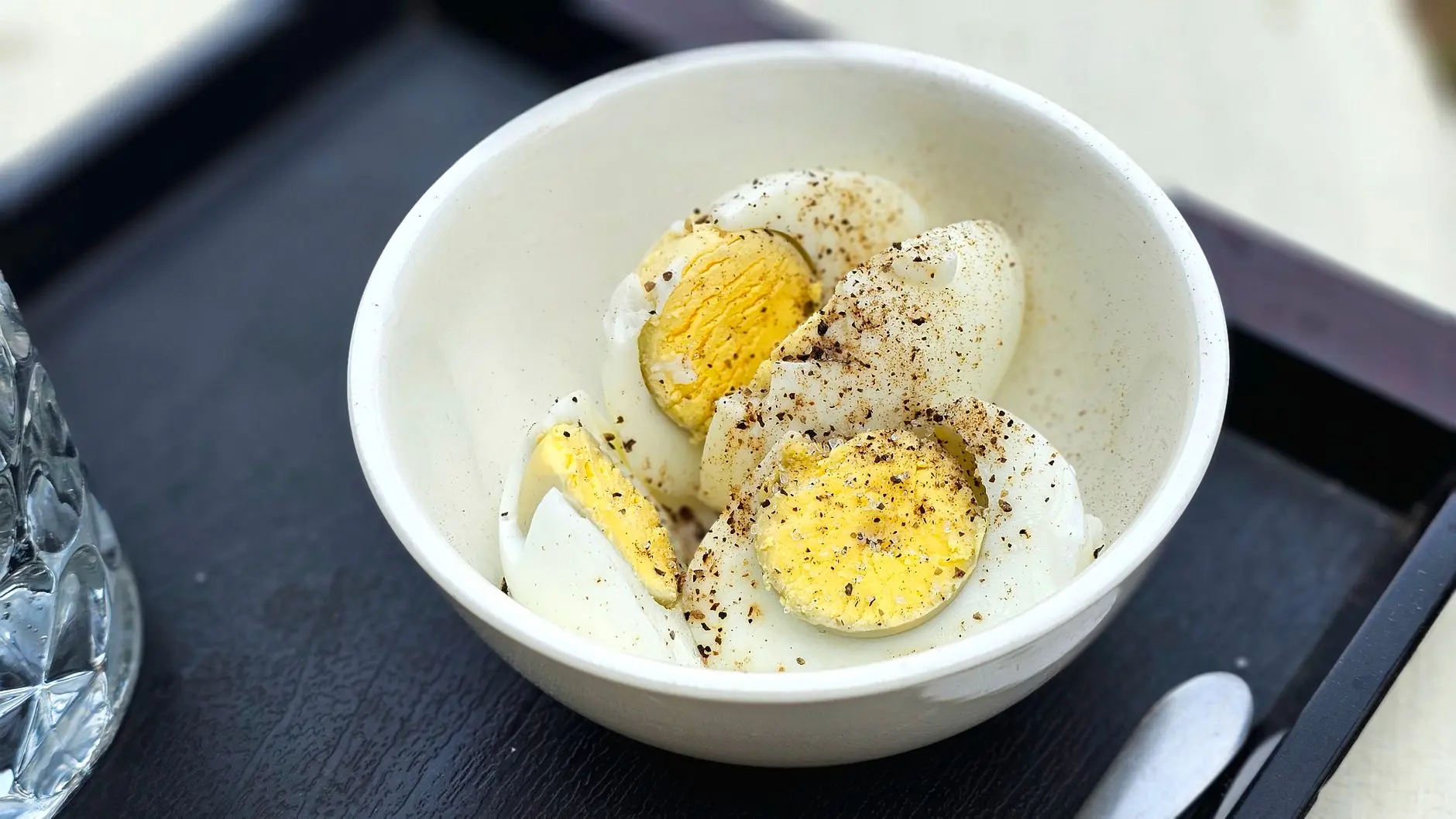
Muscle starts slipping in the forties, and the drop in estrogen makes it harder to build back. Protein is the raw material that slows the loss, which is why it belongs at the top of any perimenopause diet. The problem is that the standard recommendation was set for a different job. The official RDA is 0.8 grams of protein per kilogram of body weight per day, which is the floor for avoiding deficiency, not the amount that preserves muscle as you age.
The PROT-AGE expert group reviewed the evidence and recommended 1.0 to 1.2 grams per kilogram per day for healthy older adults, and more for those who are ill or very active (PROT-AGE position paper, 2013). For a woman who weighs 70 kilograms, that is roughly 70 to 85 grams a day, not the 56 grams the RDA would give her. Those recommendations were written for people over 65, so treat them as the direction of travel in your forties, not a hard rule, but the direction is clear: more than the minimum.
How you spread it matters as much as the total. Muscle responds best to about 25 to 30 grams of protein in a sitting, so three solid servings beat one big dinner. That looks like eggs or Greek yogurt at breakfast, fish, chicken, tofu, lentils or cottage cheese at lunch and dinner. Protein also keeps you fuller, which quietly helps with the weight creep so many women notice. If that is your main worry, start with what is actually driving it in how to lose weight in perimenopause and why the scale can stall even when you are doing everything right.
Calcium and vitamin D: the bone-loss math
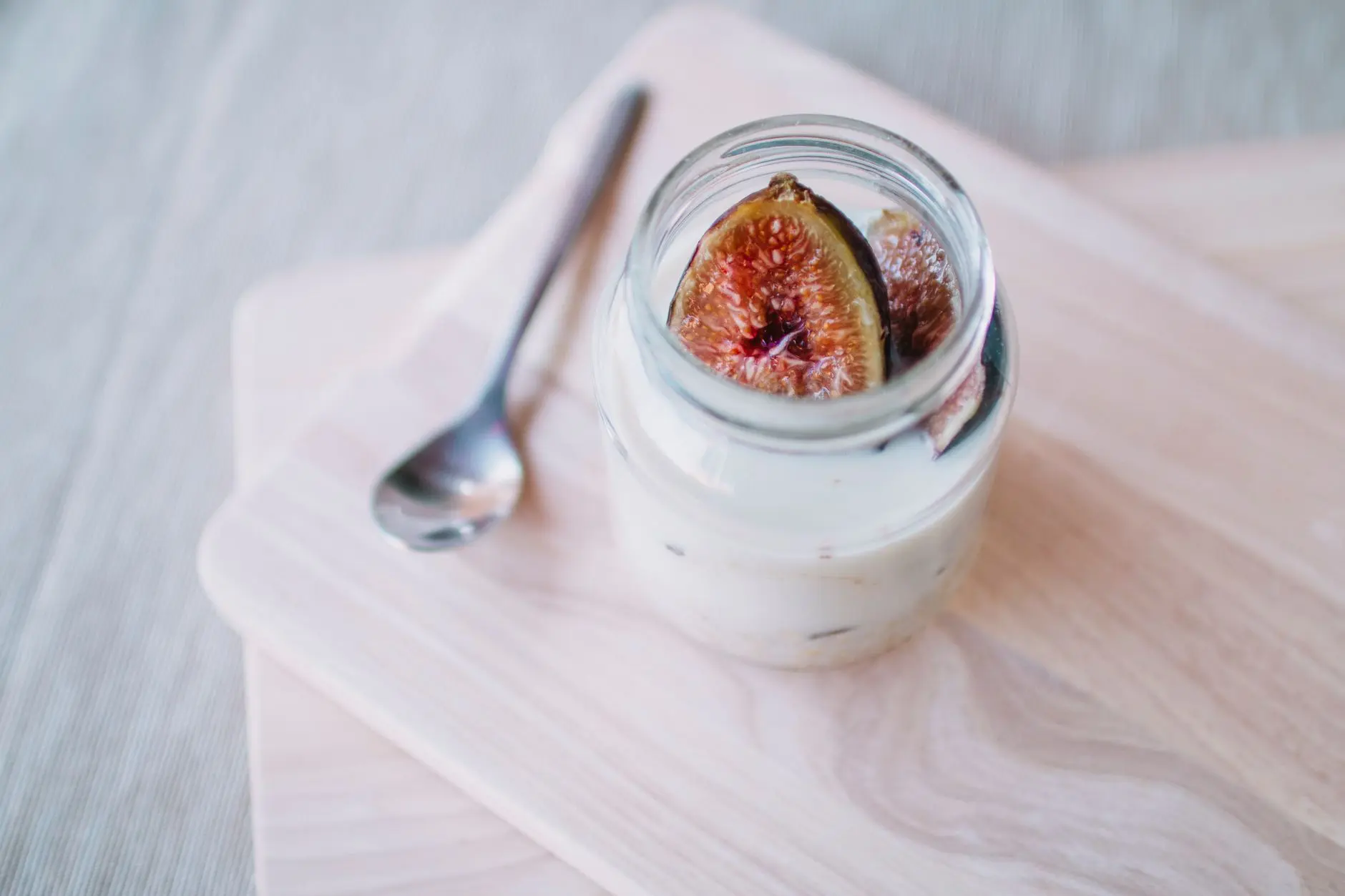
This is where the amounts in a perimenopause diet stop being optional. Once estrogen falls, women lose roughly 1 percent of their bone mineral density every year, and that loss is fastest in the years around the final period (NIH Office of Dietary Supplements). Calcium and vitamin D do not rebuild lost bone, but falling short speeds the loss, so the target is worth hitting.
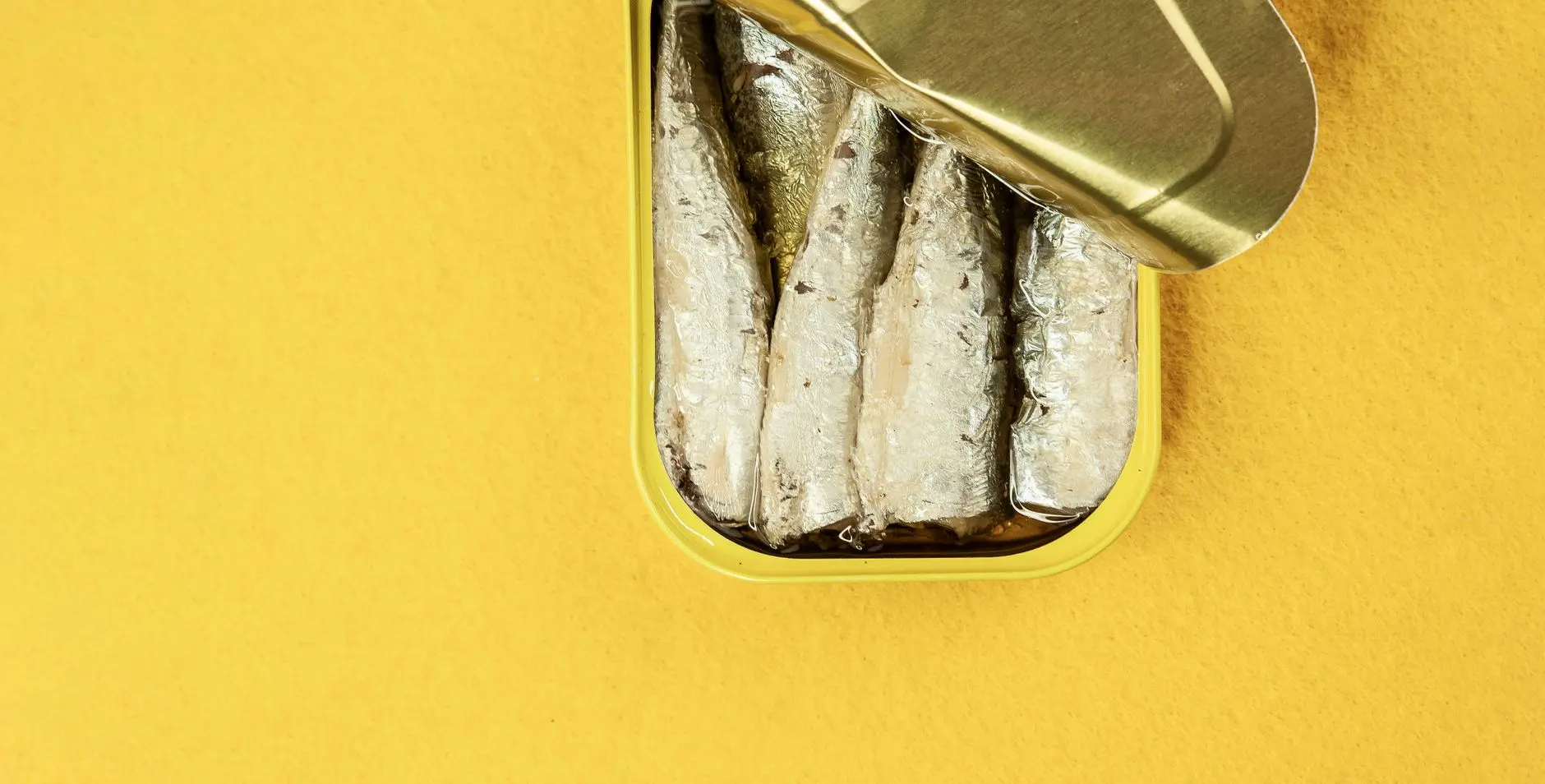
The calcium RDA rises with age for exactly this reason. Women under 51 need 1,000 milligrams a day; from 51 on, the target is 1,200 milligrams. Food comes first, because dairy, fortified plant milks, tinned fish with bones, tofu set with calcium, and leafy greens come with other nutrients a pill does not. If you do use a supplement, your body absorbs it best in doses of 500 milligrams or less at a time, so splitting it beats one large tablet.
Vitamin D lets you absorb that calcium. The RDA is 600 IU (15 micrograms) a day through age 70, rising to 800 IU after that (NIH Office of Dietary Supplements). Few foods carry much of it, oily fish and fortified products being the main ones, so a supplement is reasonable if you get little sun or your level is low. The honest caveat: large trials of calcium and vitamin D supplements in older women have had mixed results on fracture prevention, so this is about meeting the target, not megadosing past it.
Fiber and steadier blood sugar
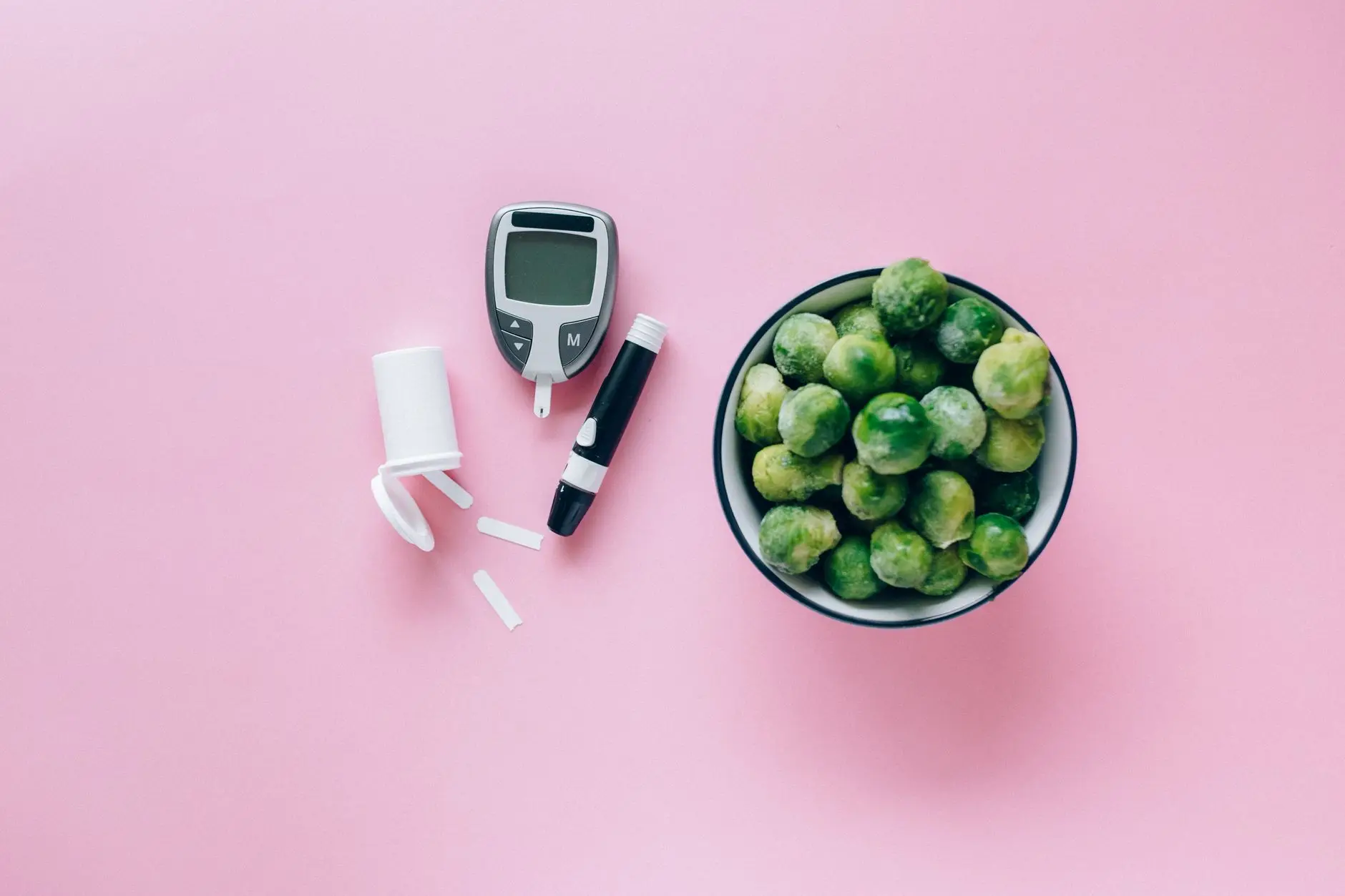
As estrogen drops, the body handles carbohydrates less smoothly, and blood sugar swings more. Fiber is the simplest tool against that. It slows how fast sugar hits your blood, feeds the gut bacteria tied to metabolism, and keeps you full. The Dietary Guidelines for Americans put the target near 25 grams a day for women under 51 and about 22 grams after, yet more than 90 percent of women fall short (Dietary Guidelines for Americans, 2020 to 2025).
Closing that gap is not complicated. Beans and lentils, whole grains in place of refined ones, fruit with the skin on, vegetables at most meals, and a spoon of ground flaxseed or chia will get most women there. Pairing those carbohydrates with protein and fat blunts the blood sugar spike further, which can take the edge off the afternoon energy crash and the cravings that follow it.
Soy and phytoestrogens: what the trials actually found
Soy comes up in every perimenopause diet because it contains isoflavones, plant compounds that act weakly like estrogen. The claims around it run from miracle to menace, and the trials land in between. A meta-analysis of 17 randomized trials found that a median dose of about 54 milligrams of soy isoflavones a day, taken for six weeks to a year, cut hot flash frequency by 20.6 percent and severity by 26.2 percent compared with placebo (Taku et al., Menopause, 2012).
That is a real but modest effect, and here is the limit worth stating plainly: the trials disagreed with each other a great deal, and a more recent review focused only on perimenopausal women found no significant benefit at all. So soy is worth trying if hot flashes bother you, from whole foods like tofu, edamame, tempeh and soy milk rather than high-dose pills, but keep your expectations in the modest range the evidence supports. On the safety question that scares many women off, eating soy foods has not been shown to raise breast cancer risk, and large studies suggest the opposite for intake at food levels.
If flushing and heat are your worst symptoms, food is only part of the answer. It is worth reading what else helps in perimenopause symptom relief, and if your skin and histamine reactions have flared, low histamine foods for perimenopause covers a problem a general diet guide tends to miss.
What to limit, with the actual thresholds
Limiting is where vague advice does the most harm, because “cut back” means nothing without a number. Alcohol is the clearest case. The Dietary Guidelines define moderate drinking for women as one drink or less per day, where one drink is 5 ounces of wine, 12 ounces of beer, or 1.5 ounces of spirits. Beyond that, alcohol is a common trigger for hot flashes and a reliable wrecker of sleep, both already under strain in these years.
Added sugar and ultra-processed foods are the other two to pull back, mostly because they crowd out protein and fiber and spike the blood sugar you are trying to steady. No single food is banned, and framing it that way usually backfires. Caffeine is genuinely individual: for some women it worsens hot flashes and disrupts the lighter sleep of perimenopause, while others tolerate it fine. If your nights are rough, that is worth testing, and you can check whether your timing is working against you with the sleep calculator.
A Mediterranean pattern ties it together
You do not have to assemble these numbers from scratch, because one eating pattern already contains most of them. A Mediterranean style of eating, built on vegetables, legumes, whole grains, fish, nuts, olive oil and some dairy, delivers most of what a perimenopause diet needs in one go: the fiber, the plant protein, the calcium and the healthy fats, while keeping added sugar and processed meat low. It has the strongest evidence of any pattern for the heart and metabolic health that become more fragile once estrogen’s protection fades.
Calorie needs also drift down with age as muscle shrinks, which is part of why old portions can slowly add weight even when nothing else changed. Rather than guess, you can get a realistic figure from the calorie calculator and adjust from there. The goal is not a strict diet but a repeatable pattern: protein at every meal, fiber at most of them, calcium and vitamin D covered, alcohol kept low, and enough consistency that your body can rely on it.
None of this is a cure, and it is not meant to be. A perimenopause diet is the part of the picture you do control, and getting the amounts right is what separates a grocery list that only looks healthy from one that protects your muscle and bone.
Frequently asked questions
What should I eat for breakfast during perimenopause?
Make it protein-forward, aiming for about 25 to 30 grams, because muscle responds best to that amount in one sitting and a solid breakfast steadies blood sugar for hours. Greek yogurt with berries and nuts, eggs with whole grain toast, or a smoothie with protein powder, ground flaxseed and fruit all hit the target while adding fiber. Front-loading protein early also tends to reduce afternoon cravings.
What foods should I limit in a perimenopause diet?
Alcohol is the clearest one: the Dietary Guidelines define moderate as one drink or less a day for women, and more than that commonly triggers hot flashes and disrupts sleep. Added sugar and ultra-processed foods are worth pulling back because they crowd out protein and fiber and spike blood sugar. Caffeine is individual, so test it if your sleep or flushing is bad rather than cutting it on principle. No single food is banned.
Can changing my diet help with perimenopause weight gain?
It can help, modestly and indirectly, rather than melting weight off. Enough protein and strength training protect the muscle that keeps your metabolism up, and fiber plus steadier blood sugar reduce the cravings that drive overeating. Calorie needs also fall with age, so old portions can slowly add weight. Diet works best here alongside movement and sleep, not on its own.
Do I need supplements, or can I get these nutrients from food?
Food first is the right default, because whole foods carry nutrients a pill does not. The two most likely to need help are calcium, where the target rises to 1,200 milligrams a day after 51, and vitamin D, at 600 IU through age 70. If your diet or sun exposure is low, a supplement is reasonable, but your body absorbs calcium best in doses of 500 milligrams or less at a time.
Does soy make perimenopause symptoms or breast cancer risk worse?
No. Eating soy foods has not been shown to raise breast cancer risk at normal food levels, and large studies point the other way. For symptoms, soy isoflavones have a modest and inconsistent effect: one meta-analysis found about a 20 percent drop in hot flash frequency at roughly 54 milligrams a day, while a newer review of perimenopausal women found no clear benefit. It is worth a trial from whole foods, with realistic expectations.
Sources
- Calcium: Fact Sheet for Health Professionals. NIH Office of Dietary Supplements, 2024
- Vitamin D: Fact Sheet for Health Professionals. NIH Office of Dietary Supplements, 2024
- Evidence-based recommendations for optimal dietary protein intake in older people: a position paper from the PROT-AGE Study Group. Journal of the American Medical Directors Association, 2013
- Extracted or synthesized soybean isoflavones reduce menopausal hot flash frequency and severity: systematic review and meta-analysis of randomized controlled trials. Menopause, 2012
- Dietary Guidelines for Americans, 2020 to 2025. U.S. Departments of Agriculture and Health and Human Services, 2020
This article is general health information for adults and not medical advice. It does not know your history, your medication or your results. For a decision about your own health, talk to a doctor or another qualified clinician who does.