


Is PCOS hair loss reversible? For most women the honest answer is yes, at least partly, but only if you treat the thing driving it and you start before the follicles have been starved for years. PCOS thinning is not the scarring kind of baldness. The follicles are still alive, just shrinking, and shrinking follicles can be coaxed back. That is the hopeful part. The frustrating part is that no single product regrows hair on its own, the good evidence is thinner than the marketing suggests, and results take months, not weeks. This guide walks through what each option really does and what it cannot do.
Is PCOS hair loss reversible, or is it permanent?
Hair loss from polycystic ovary syndrome is a form of female pattern hair loss, which dermatologists also call androgenetic alopecia. A 2016 Cochrane review describes the core process as progressive follicular miniaturisation: with each growth cycle the follicle makes a slightly thinner, shorter hair, until the thick terminal hairs that cover your scalp turn into fine vellus hairs you can barely see. The key word is miniaturisation, not death. Because the follicle is shrinking rather than scarred over, it can still respond to treatment, which is the main reason the answer to the question is PCOS hair loss reversible is usually a qualified yes.
The catch is time. A follicle that has been miniaturised for a decade is far harder to wake up than one that only started thinning last year. There is no hard deadline after which regrowth becomes impossible, but the trend across treatment studies is clear: the earlier you act, the more hair you keep and the more you get back. Waiting to see if it fixes itself is the one choice that reliably makes the outcome worse.
What PCOS actually does to your hair
PCOS raises androgens, the hormones that in excess push scalp follicles toward that miniaturised state. Doctors often track this with the free androgen index, a number that reflects how much testosterone is unbound and active rather than locked to a carrier protein. One detail most pages skip: your scalp can thin even when a blood test says your androgens are normal. A 2022 review in Current Opinion in Endocrinology, Diabetes and Obesity notes that female pattern hair loss is both more common in women with PCOS and able to show up with perfectly normal biochemical androgen markers, because how sensitive your follicles are, not just the level in your blood, decides how they respond (Jiang and colleagues, 2022). PCOS affects roughly 8 to 13 percent of women of reproductive age (Lim and colleagues, 2019), so this is common ground, not a rare problem, and the hair pattern is usually a widening part and thinning over the crown rather than a receding hairline.
It also helps to know what this is not. Many women with PCOS also go through telogen effluvium, a sudden, diffuse shed triggered by a crash diet, a thyroid swing, low iron or stopping the pill. That kind of shedding comes on fast, drops hair from all over the head, and usually reverses on its own within a few months once the trigger is fixed. PCOS pattern thinning is slower, steadier and focused on the top of the scalp. The two can happen at the same time, which is why a doctor will often check iron, ferritin and thyroid before blaming everything on androgens.
Does losing weight reverse PCOS hair loss?
This is where weight and the hair question meet. If excess androgen activity drives the thinning, then lowering it should help, and weight loss is the most studied way to do that without a prescription. A 2019 Cochrane review of lifestyle changes in PCOS found that diet, exercise and behaviour programmes lowered the free androgen index, with a mean difference of about 1.1 points, and trimmed weight by roughly 1.7 kilograms on average. Even a modest loss of around 5 percent of body weight is the usual target, because that is the point where the hormonal markers feeding hair loss start to move.
So is PCOS hair loss reversible with weight loss alone? Honestly, probably not for most women. The same Cochrane review rated its own evidence as low quality, and no trial in it measured hair regrowth as an outcome at all. Weight loss treats the driver, not the follicle. Think of it as the foundation that makes every other treatment work better, not a standalone fix. If you want a realistic target that does not swing into a crash diet, our calorie calculator will set a sustainable deficit, and the plans in best diet for PCOS weight loss and how to lose belly fat after menopause are built for exactly this hormonal picture.
Minoxidil: the treatment with the most evidence
If one treatment has earned its reputation, it is topical minoxidil, the only medicine the FDA has approved for female pattern hair loss. In the 2016 Cochrane review, minoxidil raised total hair count by about 13 more hairs per square centimeter than placebo (95 percent confidence interval 10.9 to 15.4), and a separate phase III trial found roughly 24 extra hairs per square centimeter after 24 weeks of daily use (Blume-Peytavi and colleagues, 2016). Two practical points come from the same research. The 5 percent and 2 percent strengths worked about equally well in women, so a stronger bottle is not automatically better. And finasteride, a drug that helps many men, was no more effective than placebo in these female trials.
Set your expectations by the calendar, not the week. Minoxidil does nothing overnight, and many women shed a little more in the first few weeks as resting hairs are pushed out to make room for new ones. Give it six months before you judge whether it is working, keep going past a year for the fuller effect, and know that the regrowth lasts only as long as you keep applying it. Stop, and over the following months the follicles drift back toward where they started. Consistency, not dose, is what separates the women who see results from the ones who give up at month three.
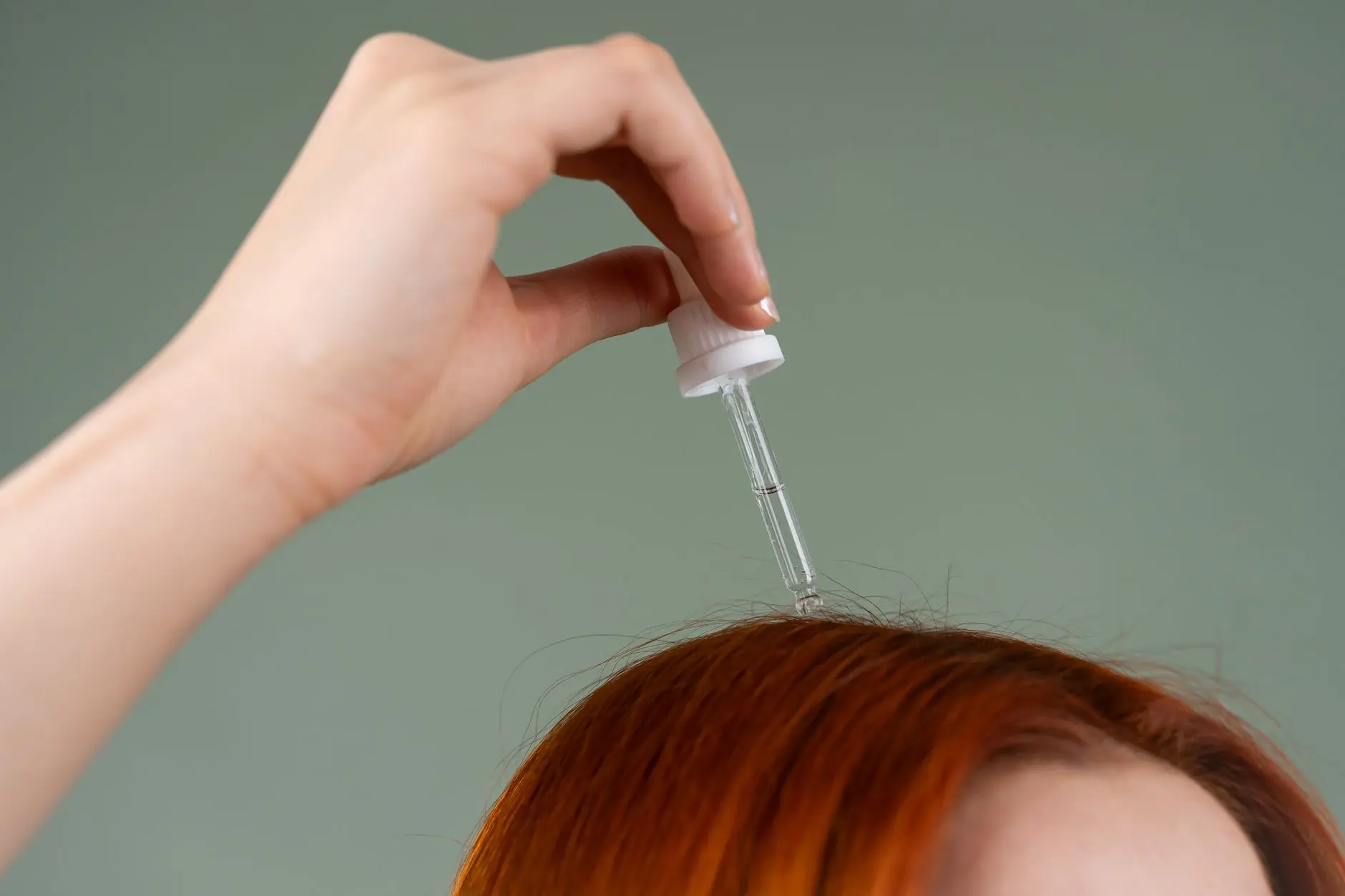
Application matters more than most labels explain. Put it on a dry scalp, not the hair, parting the hair to reach the skin where the thinning is worst, and wash your hands afterward so it does not spread to your face and feed unwanted hair. The foam tends to irritate less than the liquid, which can sting a sensitive or itchy scalp because of the alcohol it carries. Pick one time of day you will actually remember, because a bottle used four days a week does far less than the trials that measured daily use.
Anti-androgens, and the PCOS catch
When minoxidil is not enough, dermatologists often add an anti-androgen such as spironolactone, which blocks androgens at the follicle. A 2023 systematic review found hair improved in about 57 percent of women overall, rising to roughly 66 percent when spironolactone was combined with other treatments, though the studies varied so widely that the average hides a broad range of results (Aleissa, 2023). It is not free of trade-offs: menstrual changes showed up in about 12 percent of users, and because it can harm a developing fetus, it is prescribed alongside reliable contraception.
The PCOS specific catch that generic hair articles miss is this: the same excess androgens that thin your scalp often thicken hair on the face and body. Some treatments that calm scalp loss can nudge facial hair, and some treatments aimed at facial hair do not rescue the scalp, so a good plan has to balance both at once (Jiang and colleagues, 2022). That balancing act is a conversation for a doctor who treats PCOS, not a guess from a supplement label, and it is one reason PCOS hair loss is managed rather than cured.
Supplements and the claims to treat with caution
Zinc, biotin and saw palmetto fill the PCOS hair aisle, and the evidence behind them is thin. Biotin only helps when you are genuinely deficient, which is uncommon on a normal diet, and high doses can skew some lab results, including thyroid and hormone panels, which matters a lot when you are already tracking PCOS markers. Saw palmetto is sold as a natural anti-androgen, but the human trials are small and short. None of these comes close to the evidence behind minoxidil. Food is a more reliable lever than pills here: the nutrients that genuinely support hair are covered in best foods for hair loss in women, and if you have wondered about gym supplements, does creatine cause hair loss walks through what the one real study actually found. Spend on what works before you spend on what might.
So, is PCOS hair loss reversible? A realistic timeline
The realistic view comes down to timing. For a woman who catches it early, is PCOS hair loss reversible enough to see real regrowth with consistent treatment? Usually, yes. For hair that has been thinning quietly for many years, the honest answer shifts toward partial: you can thicken what remains and stop the slide, but fully restoring a follicle that has shrunk for a decade is much harder. Lay the plan out plainly. Lower the androgen driver through weight and lifestyle over the first few months, start minoxidil and give it six to twelve months, add an anti-androgen if a doctor agrees it fits, and reassess at the one year mark with photos rather than memory. The women who do best treat this like managing a long-term condition, not chasing a one-time cure, and they start sooner rather than later.
Frequently asked questions
Is PCOS hair loss reversible without medication?
Partly. Losing weight and lowering androgen activity through diet and exercise can slow or reduce PCOS thinning, and a 2019 Cochrane review found lifestyle changes lowered the free androgen index that drives it. But no trial has shown lifestyle alone fully regrows hair, so most women who want visible regrowth combine it with topical minoxidil.
How long does it take for PCOS hair to regrow?
Expect months, not weeks. With minoxidil, most women are told to judge results at six months and to keep going past a year for the fuller effect. You may even shed slightly more in the first few weeks before growth picks up, which is normal and not a sign the treatment is failing.
Can PCOS hair loss come back after it improves?
Yes. Minoxidil works only while you use it, and PCOS is a long-term condition, so stopping treatment usually lets the thinning return over the following months. Most dermatologists treat it as ongoing maintenance rather than a single fix you finish and forget.
Does metformin regrow hair in PCOS?
Metformin can improve insulin resistance and lower androgens in some women with PCOS, which may help the hormonal driver behind hair loss, but it is not a hair loss drug and the direct evidence for regrowth is weak. Treat any hair benefit as a possible bonus of better metabolic control, not the main reason to take it.
Sources
- Lifestyle changes in women with polycystic ovary syndrome. Cochrane Database of Systematic Reviews, 2019
- Interventions for female pattern hair loss. Cochrane Database of Systematic Reviews, 2016
- Efficacy and Safety of Once-Daily Minoxidil Foam 5% Versus Twice-Daily Minoxidil Solution 2% in Female Pattern Hair Loss. Journal of Drugs in Dermatology, 2016
- Female pattern hair loss and polycystic ovarian syndrome: more than just hirsutism. Current Opinion in Endocrinology, Diabetes and Obesity, 2022
- The Efficacy and Safety of Oral Spironolactone in the Treatment of Female Pattern Hair Loss: A Systematic Review and Meta-Analysis. Cureus, 2023
- Recommendations from the 2023 international evidence-based guideline for the assessment and management of polycystic ovary syndrome. European Journal of Endocrinology, 2023
This article is general health information for adults and not medical advice. It does not know your history, your medication or your results. For a decision about your own health, talk to a doctor or another qualified clinician who does.


