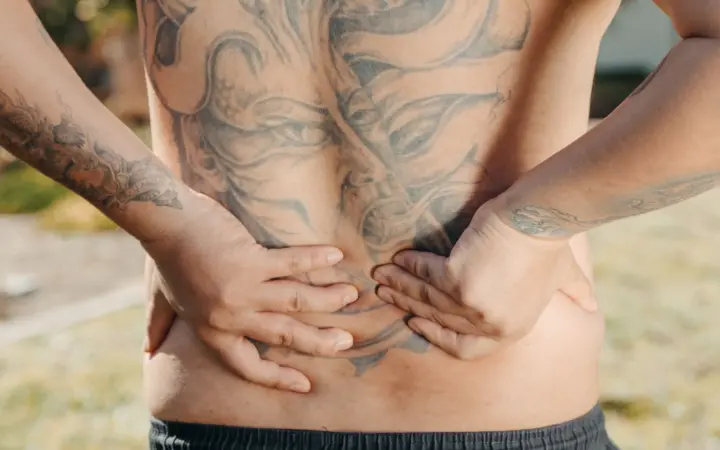


If you have searched for back pain core strength exercises, you have probably been told the same thing on every site: your back hurts because your core is weak, so train your core and the pain will go. The first half of that sentence is mostly wrong, and the second half is only partly right. Core work does help an aching lower back, but not for the reason most articles give, and not more than plenty of other movement. This guide walks through what the research actually found, which moves are worth your time, and how to start without making things worse.
This matters for women over 40 in particular. Lower back pain becomes more common through perimenopause and the years after it, partly from shifting hormones and partly from the slow loss of muscle that begins in your 40s. The useful part is that you can do something about it at home, with no equipment, in about ten minutes a day.
Does a weak core really cause back pain?

The idea sounds obvious. The muscles around your spine hold it steady, so weak ones should let it move badly and hurt. It is a tidy story, and it is why “strengthen your core” has become the standard advice. The trouble is that the evidence behind the story is thin.
People with long-term back pain do not reliably have weaker trunk muscles than people without it, and plenty of people with very strong midsections still get back pain. A strong core is not armour against it. What the research supports is narrower and more useful: moving and loading your back in a controlled way tends to calm pain and improve how well you function, whatever the starting state of your muscles.
So the honest framing is this. Core exercises help many people with back pain, but the reason is less about fixing a weakness and more about teaching a sore, guarded back that it is safe to move again, and building the general fitness that protects it over time.
What the evidence says about back pain core strength exercises
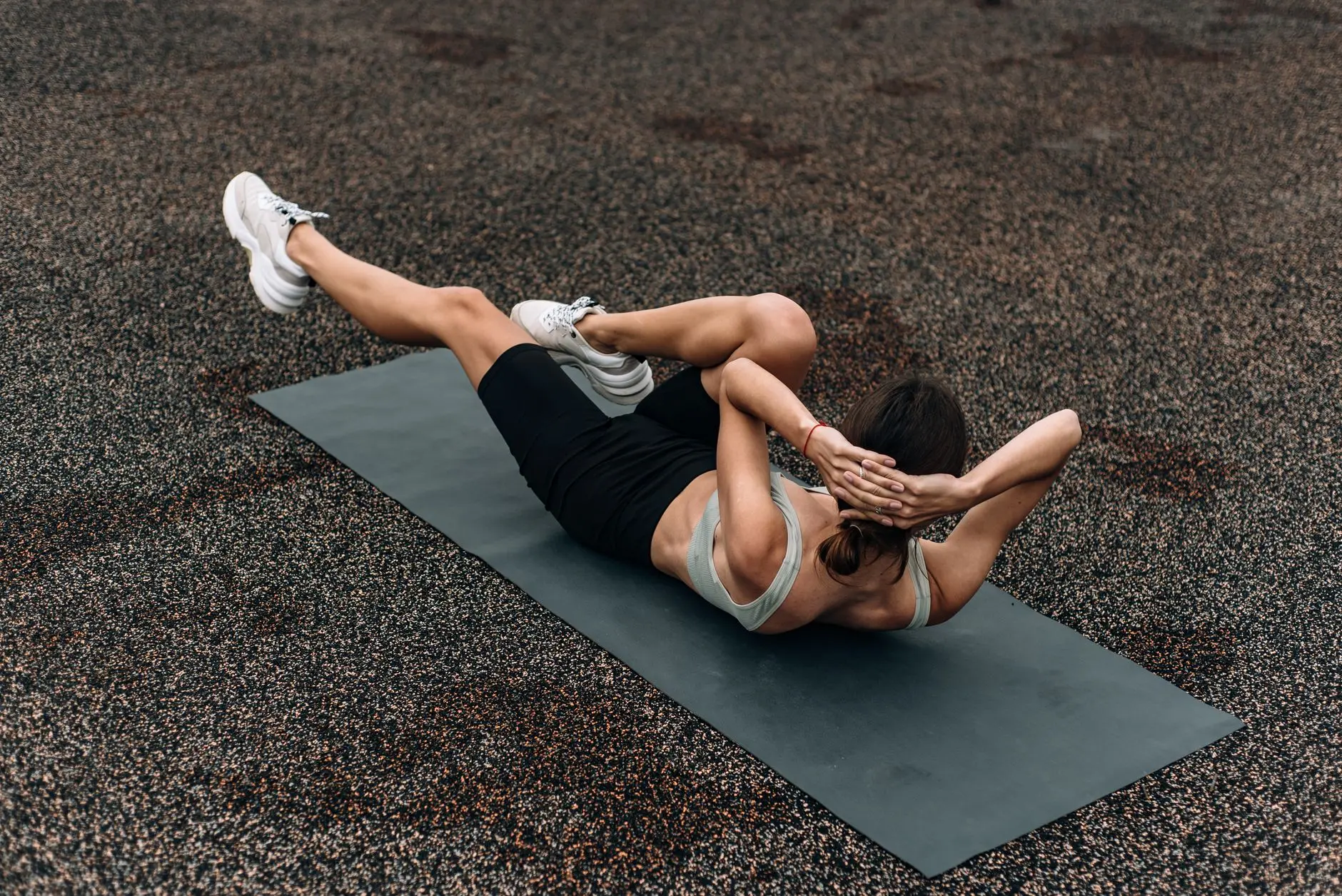
Exercise is one of the few back pain treatments that major guidelines still put first. The American College of Physicians tells doctors to start chronic low back pain with non-drug options such as exercise, yoga, tai chi, and stress reduction before reaching for medication, and to keep drugs for when those have not been enough.
Within exercise, how special is the core part? A review of five trials covering 414 people found that core stability exercise did beat general exercise at cutting pain in the first weeks. By six months, and again at twelve months, that advantage had disappeared, and the two approaches worked about the same.
A larger review settled the point more firmly. It pooled 29 studies with more than 2,000 people and found that stabilisation exercises did help long-term pain and disability against no real treatment, but by a margin the authors themselves called clinically small, and it found them no more effective than any other form of active exercise. The reviewers described that last conclusion as strong evidence.
Put simply, back pain core strength exercises are worth doing, but not because they are magic. They are a safe, specific, equipment-free way to get a painful back moving again. If you would rather walk, swim, or do yoga, the long-term result is likely to be similar, so the best exercise is the one you will actually keep doing.
Why core work is different for women over 40
Two changes make the trunk worth attention in midlife. The first is muscle loss: from around 40, adults shed muscle each decade unless they train against it, and the deep abdominal and back muscles are part of that decline. The second is the aftermath of pregnancy, where the deep abdominal wall and the pelvic floor often stay weaker or less coordinated for years, which changes how the lower back is supported.
Perimenopause adds its own layer. Falling oestrogen affects muscle, connective tissue, and how joints feel, and many women notice new aches in the back and hips during these years. None of this means your back is damaged. It means steady strength work earns its place now more than it did at 25. For a closer look at what sits behind these aches, see our guide on what causes lower back pain in women. Extra body weight also loads the lower back, so if that is part of your picture, our BMI calculator gives you a quick starting number.
Seven core exercises for back pain, easiest to hardest
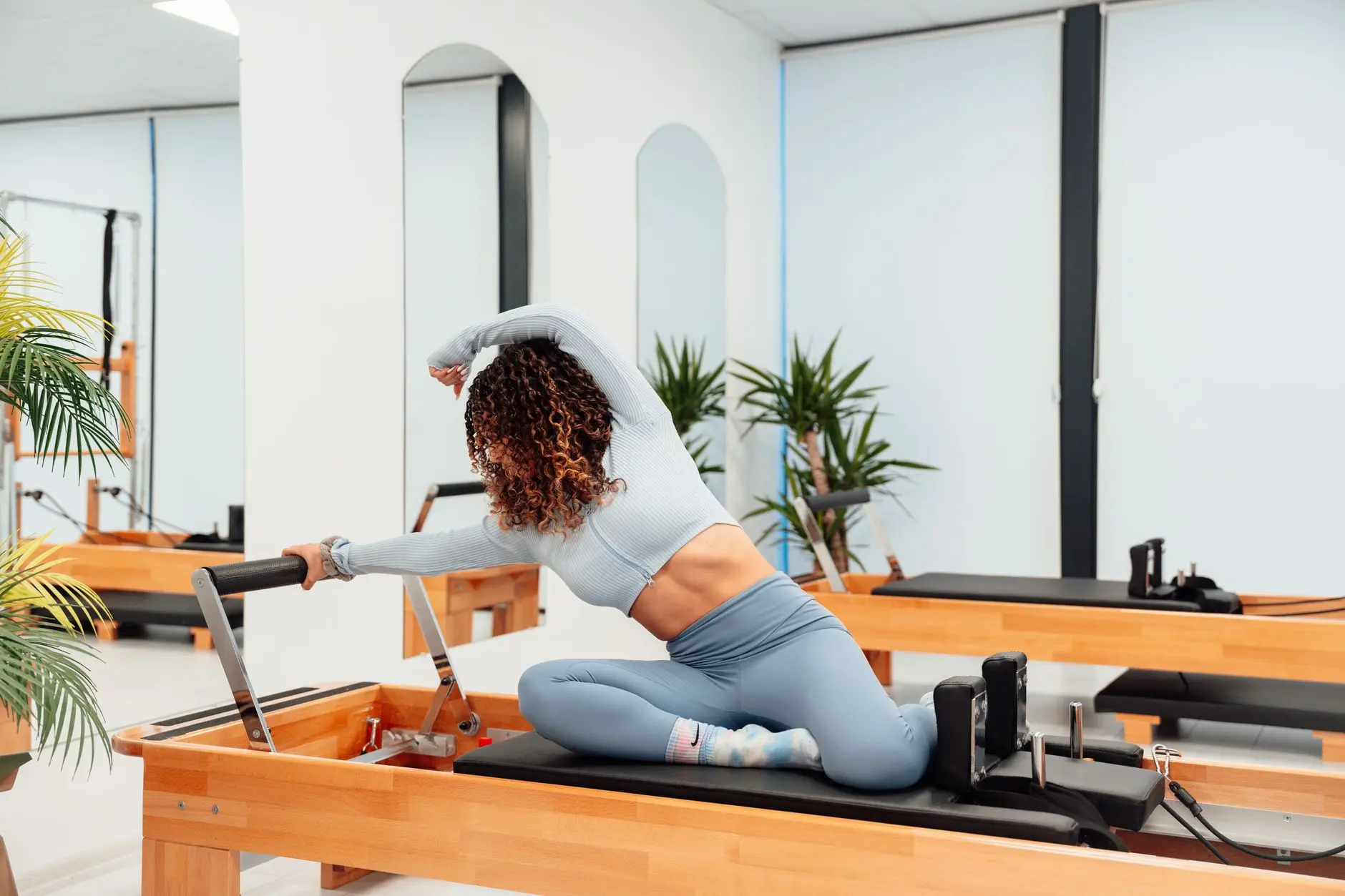
The seven back pain core strength exercises below move from gentlest to most demanding. Start at the top, keep your spine in a neutral, relaxed position rather than flattening or arching it hard, and stop any move that sharpens your pain or sends it down a leg. Breathe normally and do not hold your breath. If you are new to this, two or three of these is plenty for the first week.
1. Pelvic tilt
Lie on your back, knees bent, feet flat. Gently tighten your lower stomach to press your lower back lightly into the floor, hold for three to five seconds, then release. Do 10 to 15 slow repetitions. It is the quietest entry point and a good test of whether you can move your pelvis without gripping everywhere. Our step-by-step pelvic tilt guide covers the detail.
2. Dead bug
Stay on your back, knees bent up over your hips, arms reaching toward the ceiling. Slowly lower one arm overhead and straighten the opposite leg toward the floor, keeping your lower back still, then return and swap sides. Aim for 6 to 8 per side. The whole point is keeping the spine quiet while the limbs move.
3. Glute bridge
On your back, knees bent, push through your heels and lift your hips until your body makes a straight line from knee to shoulder. Squeeze your backside at the top, hold for two seconds, then lower slowly. Do 10 to 12. This one trains the glutes and hips, which share the job of supporting your lower back and are often the real weak link.
4. Bird dog
On hands and knees, reach one arm forward and the opposite leg back until both are level with your body, without letting your back sag or twist. Hold for a few seconds, return, then swap. Do 8 to 10 per side. Bird dog is one of the three moves the spine researcher Stuart McGill built his back program around, because it loads the trunk while keeping the spine neutral.
5. Side plank
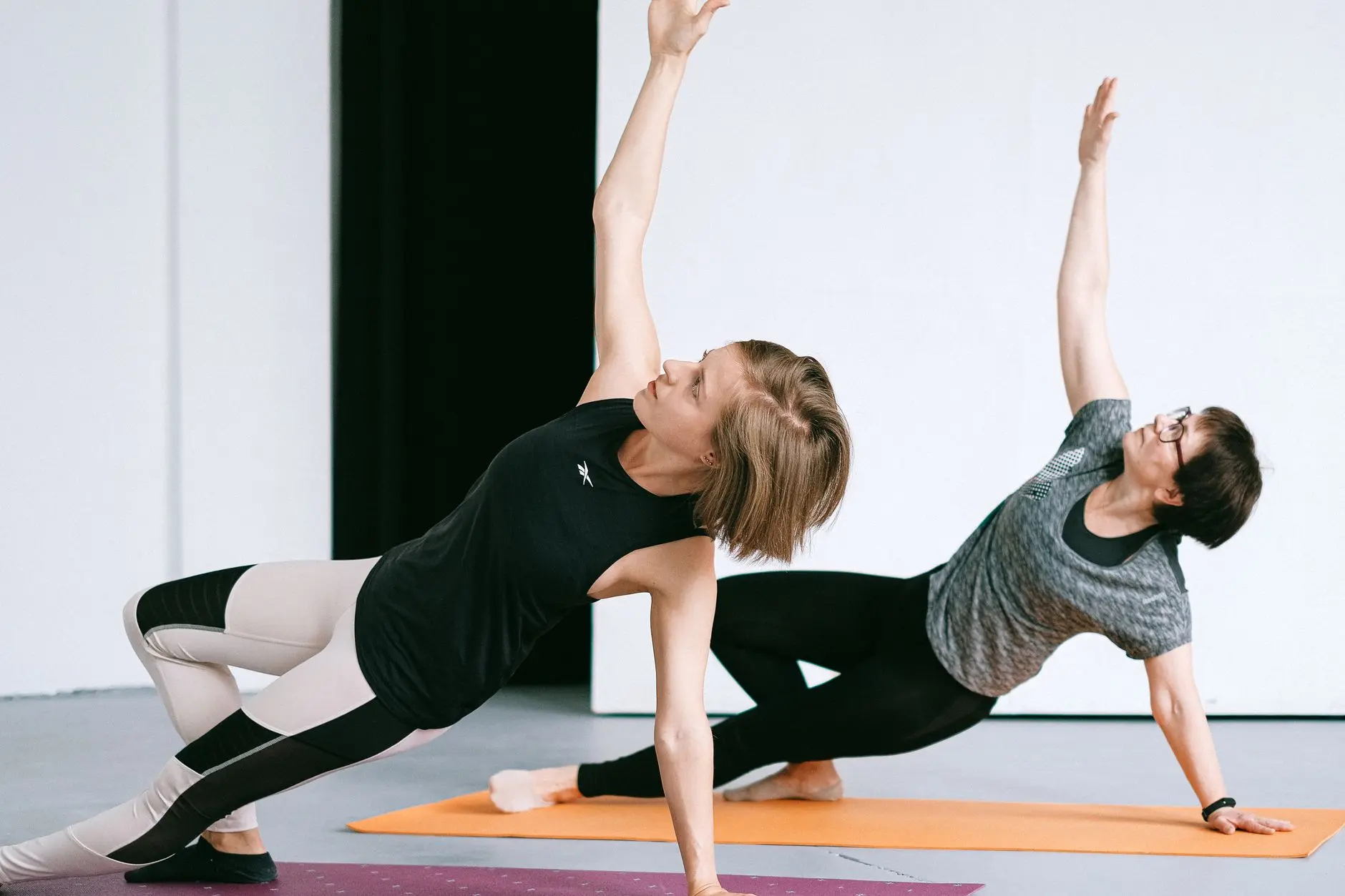
Lie on your side and prop up on your forearm, then lift your hips so your body is straight, starting with your knees bent on the floor. Hold for 10 to 20 seconds on each side. Side planks train the muscles along the sides of your trunk with very little load on the spine itself, which is why they appear in most careful back programs.
6. Front plank
Rest on your forearms and toes, or on your knees to start, with your body in one line and your stomach gently braced, for 10 to 30 seconds. Do not let your hips sag. Build the time slowly. A plank held with good form beats a long, sagging one every time.
7. Curl-up
The last of McGill’s three, and not a sit-up. Lie on your back with one knee bent and your hands under your lower back to keep its natural curve, then lift only your head and shoulders a small way off the floor. Hold briefly, then lower. It works the front of the trunk without the heavy spinal bending of a full sit-up.
How often to train, and how to progress safely
Consistency beats intensity here. The trials that showed benefit ran their programs over weeks, not days, which tells you the gain comes from repetition. The World Health Organization suggests adults do muscle-strengthening activity on two or more days a week, and your core work counts toward that.
A simple plan: do the first few moves most days for a week or two, then add the harder ones and aim for a short session three to four times a week. Progress by adding a few seconds to a hold or a couple of repetitions, not by forcing a painful range. Pair the floor work with daily walking, since even a short walk keeps the back moving between sessions, and you can see how your steps add up with our steps to calories calculator.
Mild muscle soreness or a little stiffness afterward is normal. Sharp pain, or pain that travels down a leg, is a signal to back off that move. If heavier lifting is your goal later, learn the hip hinge first; our guide on back pain from deadlifts covers how to load without hurting yourself. Done steadily, back pain core strength exercises build the habit that protects your back far more than any single session can.
When core exercises are not enough
Core work is for ordinary, nonspecific back pain, the kind that aches and eases and has no sinister cause. Some symptoms need a person, not a floor routine. See a doctor promptly if your back pain comes with numbness or tingling down a leg, weakness in a foot or leg, any loss of bladder or bowel control, a fever, unexplained weight loss, or pain that is severe at night and will not settle. These are red flags that point to something other than a tired, deconditioned back.
The core is not the only muscle group that matters, either. Weak glutes and hips often do more to destabilise a lower back than the abdominal wall does, which is why the bridge and side plank above pull their weight. If plain back pain core strength exercises bring no change after six to eight weeks of honest effort, a physiotherapist can look at how you move and find the gap. Stretching has a place too, especially if you feel tight rather than weak; our middle back stretching guide and our 7 research-backed exercises for low back pain sit well alongside this routine. The wider back pain section covers the rest.
Frequently asked questions
Can core exercises make back pain worse?
They should not if you keep the load light and your spine in a neutral position. A little muscle soreness afterward is normal, but stop any move that sharpens your pain or sends it down a leg, and ease back in more gently. If one exercise always flares your pain, drop it and try another from the list.
How long until core exercises help my back pain?
Most people who stick with it notice a difference within a few weeks, and the research programs that worked ran for several weeks rather than days. Give an honest routine six to eight weeks before deciding it is not working. If there is no change by then, see a physiotherapist to check how you move.
Are planks safe for lower back pain?
For most nonspecific back pain, yes, as long as you hold good form and start short. Begin from your knees, keep your body in one line without letting your hips sag, and hold for only 10 to 20 seconds at first. Stop if it causes sharp or leg pain. A short plank with good form does more than a long, sagging one.
Is it better to strengthen or stretch for back pain?
Both have a place, and neither is clearly better for everyone. Strengthening suits a back that feels weak or unstable, while stretching suits one that feels tight. Many people do best with a mix. The strongest evidence is simply for staying active, so choose the combination you will actually keep up.
Do I need any equipment or a gym?
No. Every exercise here is done on the floor with your own body weight, which is why they suit training at home. A mat makes it more comfortable. You can add resistance later if you want, but it is not needed to get the main benefit.
Sources
- A meta-analysis of core stability exercise versus general exercise for chronic low back pain. PLoS One, 2012
- An update of stabilisation exercises for low back pain: a systematic review with meta-analysis. BMC Musculoskeletal Disorders, 2014
- Noninvasive Treatments for Acute, Subacute, and Chronic Low Back Pain: A Clinical Practice Guideline From the American College of Physicians. Annals of Internal Medicine, 2017
- World Health Organization 2020 guidelines on physical activity and sedentary behaviour. British Journal of Sports Medicine, 2020
This article is general health information for adults and not medical advice. It does not know your history, your medication or your results. For a decision about your own health, talk to a doctor or another qualified clinician who does.