
 Lifestyle
 Food & Nutrition
 Fitness

Why weight jumps after a cheat day is worth understanding before you panic and stare at the scale wondering how one meal undid a week of discipline, because the number you are seeing is almost never fat. When weight jumps after a cheat day, the scale is reacting to glycogen, sodium, and the sheer physical mass of food and fluid still moving through your digestive system, not to a sudden accumulation of adipose tissue. Understanding the actual mechanism turns a moment of panic into a non-event, and it stops the all-too-common spiral where one indulgent meal snowballs into a week of restrictive eating because the scale looked alarming the next morning.
This guide walks through exactly why weight jumps after a cheat day, how much of that number could theoretically be fat versus water and food mass, the hormonal layer that makes the jump bigger for some women than others, and a realistic timeline for when the scale settles back down. It also covers the psychological trap that turns a normal, temporary fluctuation into actual weight regain, and what to do differently starting tomorrow morning.
Why Weight Jumps After a Cheat Day: What Actually Causes It

Three physical processes explain why weight jumps after a cheat day, and none of them involve your body manufacturing new fat overnight. The first is glycogen replenishment. If you have been eating normally or in a deficit, your muscle and liver glycogen stores are partially depleted. A high-carbohydrate cheat meal refills those stores, and glycogen is stored bound to water inside muscle tissue, so refilling it adds measurable weight that has nothing to do with body fat.
The second is sodium. Restaurant meals, takeout, and processed cheat foods are typically far higher in sodium than home-cooked meals, and higher sodium intake shifts how much water your kidneys hold onto in the short term. The third is simply the physical mass of the food itself. A large meal can weigh a pound or more before your body has even begun digesting it, and that mass sits in your gastrointestinal tract for one to three days before it fully clears. Add these three together, glycogen-bound water, sodium-driven fluid retention, and undigested food mass, and a two to five pound jump on the scale the next morning is completely explainable without a single new fat cell being created.
How Much of That Weight Gain Is Actually Fat
The math is reassuring once you run it. One pound of body fat represents roughly 3,500 stored calories. Even an aggressive cheat day where you eat 1,500 to 2,000 calories above maintenance, which is already a large surplus for a single day, works out to less than half a pound of theoretical fat gain in the absolute worst case. Yet people routinely see the scale jump three, four, or even six pounds the morning after. That gap between the calorie math and the number on the scale is the clearest proof of why weight jumps after a cheat day for reasons almost entirely unrelated to fat storage.
Seeing that gap clearly is often the fastest way to stop worrying about why weight jumps after a cheat day. This is also why panicking and slashing calories the next day is the wrong response. If only a fraction of a pound could possibly be fat, aggressively restricting to compensate is punishing your body for a fluid shift, not an actual setback. If you have run the numbers on your daily intake before and still could not explain a stall, the same distinction between real fat change and short-term fluctuation matters in our guide on why a calorie deficit sometimes does not show up on the scale the way you expect.
The Glycogen and Water Science Behind the Number
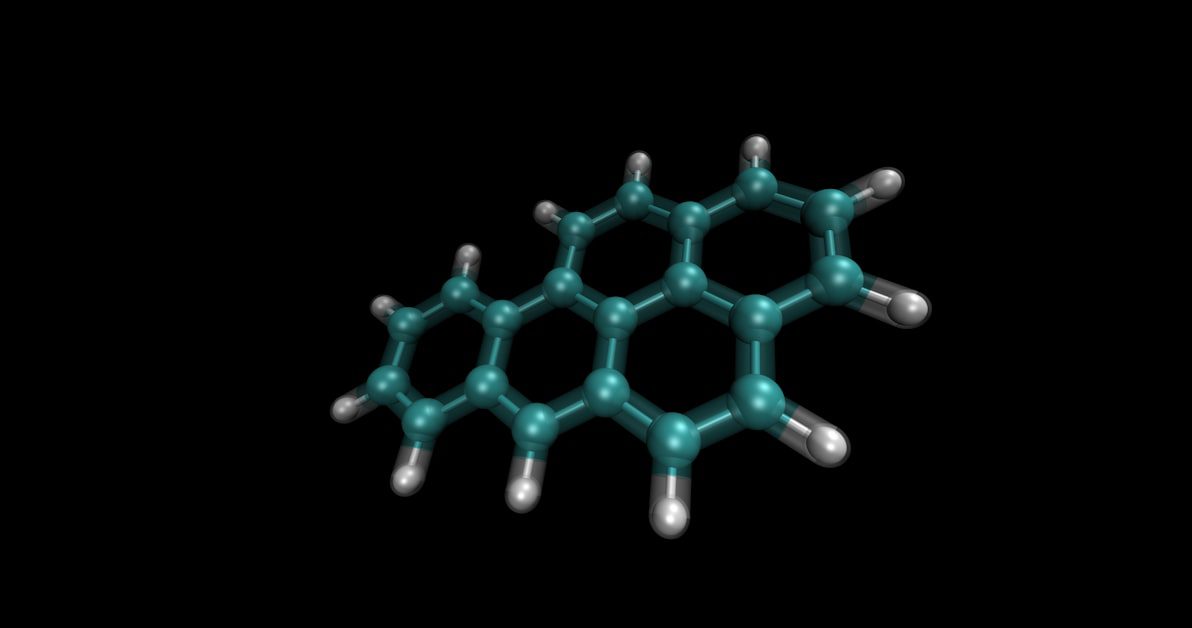
The single biggest reason weight jumps after a cheat day is glycogen chemistry, and the ratio is more dramatic than most people realize. According to research on glycogen metabolism published through the National Institutes of Health, every gram of glycogen stored in the body is bound to at least three grams of water. A single high-carbohydrate cheat meal can replenish 200 to 400 grams of glycogen in someone who has been eating lower carb or has trained hard recently, which means 600 to 1,200 grams, or roughly one and a half to two and a half pounds, of pure water weight from glycogen storage alone.
This effect is amplified for women coming off a period of low-carbohydrate eating, intermittent fasting, or a calorie deficit, since glycogen stores start more depleted and have more room to refill. If your normal eating pattern includes a structured lower-carb approach, this is exactly the mechanism at play, and it is one reason the scale swings covered in our high protein, low carb meal plan for weight loss tend to be larger after any carbohydrate-heavy meal than they would be on a higher-carb baseline diet.
Sodium, Digestion, and the Weight of Food Still Moving Through You
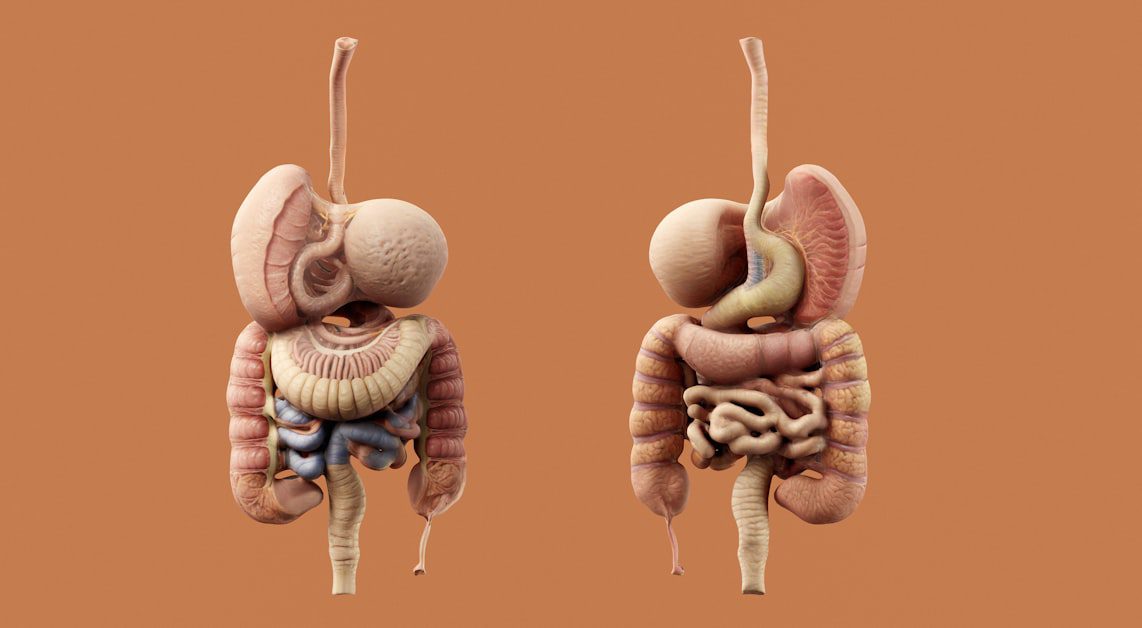
Sodium is the second major reason weight jumps after a cheat day. Sodium is the primary regulator of extracellular fluid volume in the body, and research on sodium intake and fluid balance from the National Institutes of Health confirms that a higher sodium load prompts the body to retain more water to maintain normal blood osmolality. A single restaurant meal, especially anything fried, cured, or sauce-heavy, can contain more sodium than an entire day’s recommended intake, and that sodium spike shows up as retained water for one to three days afterward.
The third and most overlooked factor is simply undigested food mass. A large cheat meal, particularly one high in fat, slows gastric emptying, meaning the food itself sits in your stomach and intestines longer before being fully processed. That mass has real, measurable weight, and it has nothing to do with fat storage or metabolism at all. It is quite literally food that has not finished its trip through your digestive system yet, and it will register on the scale until it does. Combined with sodium retention, this is a second major reason why weight jumps after a cheat day even when nothing about your metabolism has changed.
The Hormonal Layer Most Cheat Day Advice Ignores

Almost every article on this topic stops at glycogen and sodium, but for women, a fourth factor can make weight jump after a cheat day far more dramatically depending on timing: the menstrual cycle. Research on sex hormone effects on body fluid regulation from the National Institutes of Health shows that estrogen and progesterone both influence how the body manages fluid balance, with fluid retention becoming more pronounced during the luteal phase of the cycle, the one to two weeks before your period. If a cheat day happens to land during that window, the sodium and glycogen effects described above stack directly on top of existing hormone-driven water retention, and a scale jump that would normally be two or three pounds can easily become five or six.
This is worth tracking over a couple of cycles if you notice your reaction to the exact same type of meal varies wildly from month to month. It is rarely random. If cheat day timing overlaps with the days right before your period, the extra water weight is a hormonal effect layered on top of the normal glycogen and sodium response, not a sign that anything has gone wrong metabolically. This cyclical piece is a big part of why weight jumps after a cheat day so unpredictably for some women and barely at all for others eating the exact same meal.
How Long Cheat Day Weight Gain Actually Lasts
Knowing the timeline is often what stops the panic. On day one, the morning right after, the scale typically shows the bulk of the jump from glycogen-bound water and the physical mass of undigested food. By day two, sodium retention tends to peak as the extra salt fully works its way into circulation, which is why many people report the scale looking worse on the second morning than the first. From day three through five, glycogen stores stabilize, sodium balance normalizes as the kidneys excrete the excess, and the remaining food mass clears the digestive tract, bringing the scale back to your pre-cheat-day baseline in the vast majority of cases.
If the elevated weight has not started coming down by day five or six, and especially if it lines up with a broader stall rather than a single event, it is worth distinguishing a temporary post-cheat-day fluctuation from an actual weight loss plateau. Our guide on the weight loss plateau in women over 40 walks through how to tell the two apart, since treating a genuine plateau like a one-off water fluctuation, or the reverse, leads to the wrong fix either way. Knowing this timeline is often the difference between correctly explaining why weight jumps after a cheat day and mistakenly assuming a stall has started.
The Psychological Trap: Why the Number Feels Like Failure
Understanding why weight jumps after a cheat day matters just as much for what it prevents as for what it explains. Researchers studying dietary behavior have documented what is known as the what the hell effect: when someone who has been restricting food sees evidence that their diet has been broken, whether that is a cheat meal or a discouraging scale reading, they often abandon their eating goals entirely for days afterward. A study on overeating in restrained eaters published through the National Institutes of Health found this pattern consistently: the psychological reaction to a perceived failure, more than the original cheat meal itself, is what drives the continued overeating that turns a two pound water fluctuation into real, lasting weight gain.
This is the real danger of not understanding why weight jumps after a cheat day. A woman who sees a five pound jump and assumes it is fat may respond by drastically cutting calories, skipping meals, or spiraling into a cheat weekend out of a sense that the week is already ruined. None of that is necessary, and all of it does more damage than the original cheat meal ever could. Weighing yourself daily during this window and reacting emotionally to each fluctuation is one of the most common ways a completely normal physiological response turns into an actual setback.
What to Do (and Not Do) After a Cheat Day
The most useful thing you can do is nothing dramatic. Resume your normal eating pattern immediately rather than trying to compensate with extra restriction, since under-eating the day after does not accelerate the loss of water weight and only adds unnecessary hunger and stress on top of it. Drinking normal amounts of water, rather than cutting back out of a mistaken belief it will reduce bloating, actually helps your kidneys process and excrete the excess sodium faster.
Light movement, a walk, easy cardio, or a normal strength session, helps deplete some of the newly stored glycogen and supports circulation, both of which can nudge the water weight down slightly faster than doing nothing, once you remember why weight jumps after a cheat day in the first place. If you use structured eating windows, a normal or even earlier intermittent fasting day afterward can help you naturally return to your usual intake without the urge to overcorrect. Above all, step away from the daily scale for a few days and use a weekly average instead. A single reading in the middle of a glycogen and sodium fluctuation was never an accurate reflection of your progress in the first place. Once you know why weight jumps after a cheat day, that single reading loses its power to derail an otherwise good week.
Frequently Asked Questions
How many pounds is normal to gain after one cheat day?
A two to five pound increase on the scale the morning after a cheat day is common and almost always reflects glycogen-bound water, sodium retention, and undigested food mass rather than fat. This is the most common version of why weight jumps after a cheat day, and larger jumps, sometimes six pounds or more, can happen if the cheat day overlaps with the luteal phase of the menstrual cycle, when hormonal fluid retention adds to the effect.
Is cheat day weight gain water or fat?
It is overwhelmingly water and food mass, not fat. Based on calorie math alone, even a large calorie surplus from one day of eating works out to less than half a pound of theoretical fat, meaning the rest of any scale jump is explained by glycogen storage, sodium-driven fluid retention, and food still moving through the digestive tract.
How long does it take for cheat day weight to go away?
Most of the temporary weight gain resolves within three to five days as glycogen stores stabilize, excess sodium is excreted, and food fully clears the digestive system. If the extra weight persists well beyond that window, it is worth looking at whether a broader stall or plateau is happening rather than assuming it is still a leftover cheat day effect.
Should I weigh myself the morning after a cheat day?
You can, but expect the number to be misleading and try not to react to it emotionally. Many women find it more useful to skip the scale for two to three days after a cheat day and instead track a weekly average, which smooths out the glycogen, sodium, and hormonal fluctuations that make any single reading unreliable.
Can one cheat day ruin weight loss progress?
One cheat day, on its own, cannot meaningfully undo real fat loss progress based on the calorie math involved. What actually derails progress is the psychological response to the scale jump, commonly called the what the hell effect, where a discouraging number leads to abandoning healthy habits for days or weeks, turning a temporary fluctuation into genuine weight regain.
Conclusion
Why weight jumps after a cheat day comes down to reasons that have almost nothing to do with fat: glycogen replenishment bound to water, sodium-driven fluid retention, the physical mass of food still in transit, and for many women, a hormonal fluid retention layer tied to where they are in their menstrual cycle. None of it reflects the roughly half pound of theoretical fat that even a large calorie surplus could produce in a single day. Once you understand the actual mechanism and the three to five day timeline for it to resolve, the scale stops being something to fear the morning after, and you can skip the restrictive overcorrection that does far more damage than the cheat day itself ever could.
Related Articles
- How to Lose Weight While on Birth Control: A Hormone Guide
- Workout Routine for Period Cramps: The 3-Day Plan That Actually Works
This article is for informational purposes only and is not a substitute for professional medical advice, diagnosis, or treatment. Always consult a qualified healthcare professional before making significant changes to your diet or exercise routine, particularly if you have a history of disordered eating.
Get the exact numbers for your body
Answer 7 quick questions and get your calorie target, protein goal and a plan that fits how you actually live. Takes 2 minutes, completely free.
Build my free plan →2 minutes · Free · No card neededFree tools from Just Health Life
Macro CalculatorProtein Intake CalculatorAll 24 calculators →Educational content, not medical advice. See our medical disclaimer and editorial policy.