


If you are working out how to lose weight while on birth control and feel like your body is quietly working against you, you are not imagining it and you are not doing anything wrong. Hormonal contraception changes appetite signaling, fluid balance, and in some cases insulin sensitivity, and how much any of that affects you depends heavily on which method and which specific progestin you are using. Most articles on this topic stop at the debate over whether the pill causes weight gain in the first place. That debate misses the point if you already know your body has changed and you simply want a plan that works while you stay on your method.
This guide skips the back and forth over whether birth control causes weight gain and goes straight to what actually helps women lose weight while on birth control: the research showing a specific regain pattern months into use, why the type of progestin in your method changes your strategy, and a practical approach to eating, training, and talking to your doctor that respects both your contraceptive needs and your goals.
How to Lose Weight While on Birth Control: Why It Can Feel Harder
Three separate mechanisms can make it harder to lose weight while on birth control, and they are not the same for every method or every woman. The first is fluid retention. Estrogen in combined methods can cause the body to hold onto more sodium and water, which shows up on the scale as weight even though no fat has been gained. The second is appetite. Progestin, the synthetic hormone in every hormonal method, can increase hunger signaling in some women, particularly with more androgenic formulations, which is a separate effect from water weight and can genuinely add calories over time.
The third mechanism is the one almost no consumer health article mentions: changes in insulin sensitivity. Some progestins mildly reduce how efficiently your muscles take up glucose from the bloodstream, which over months can shift how your body partitions calories toward fat storage versus muscle and energy use. None of these three mechanisms guarantee weight gain, and plenty of women use hormonal birth control with no change at all. But if you are working to lose weight while on birth control and the standard advice is not moving the needle, one or more of these three factors is usually the reason, and each one calls for a different fix.
Knowing which of the three applies to you is the first real step toward a plan that works.
The 6 to 18 Month Weight Regain Pattern Research Reveals
One of the most useful and least discussed findings in this area comes from a study published by the National Institutes of Health on combined hormonal contraceptive use and weight. Researchers tracked women using combined hormonal contraception against women using non-hormonal methods over 18 months. In the first six months, both groups lost a similar amount of weight. Between six and eighteen months, something changed: women using combined hormonal contraception regained an average of nearly five kilograms, while the non-hormonal group held steady or continued losing.
This is the pattern that explains why so many women who successfully lose weight while on birth control in the first few months later feel like the method quietly reversed their progress. It is not that the diet stopped working or that motivation failed. The data suggests a metabolic shift specific to continued combined hormonal contraceptive use that becomes noticeable well past the point most people expect to hit a plateau. If your timeline matches this pattern, meaning early success followed by a stall or reversal somewhere after the six month mark, the mechanics are similar to what we cover in our guide to breaking a weight loss plateau, except here the trigger is hormonal contraception rather than age alone.
Not All Progestins Affect Weight the Same Way
The single biggest variable most women trying to lose weight while on birth control never get told about is which progestin is in their specific method. Progestins fall into two broad categories: androgenic and anti-androgenic. Androgenic progestins, including levonorgestrel, norethindrone, etonogestrel, and desogestrel, are more likely to reduce insulin sensitivity and encourage fat storage around the midsection. Anti-androgenic progestins, most notably drospirenone, work differently.
A Cochrane systematic review hosted by the National Institutes of Health comparing weight outcomes across contraceptive formulations found that women using drospirenone-based pills were significantly more likely to lose more than two kilograms compared to women using levonorgestrel-based pills, an effect researchers attribute to drospirenone’s antimineralocorticoid activity, which reduces the sodium and water retention that androgenic progestins do not counteract. This does not mean drospirenone causes fat loss on its own. It means it is less likely to work against you through fluid retention, which is a meaningfully different starting point if you are trying to lose weight while on birth control.
According to Mayo Clinic, bloating and weight gain are listed among the recognized side effects of combined birth control pills, and formulation matters enough that switching within the same broad category, rather than assuming all pills behave identically, is a legitimate conversation to have with your prescriber if your current method is not working with your goals.
Fluid Retention vs. Fat Gain: How to Tell the Difference
Before building a plan to lose weight while on birth control, it helps to know what kind of weight change you are actually dealing with. Fluid-driven weight tends to appear quickly, often within the first one to three months of starting or switching a method, and it fluctuates day to day depending on sodium intake, hydration, and where you are in your pill pack cycle. It also tends to concentrate in the face, hands, and ankles rather than showing up as a steady increase in waist measurement.
Fat gain, by contrast, builds gradually over months, tracks more closely with waist circumference than with daily scale weight, and does not fluctuate significantly based on sodium or water intake alone. If your weight climbed sharply in the first few weeks of a new method and has stayed flat since, water retention is the more likely explanation and diet changes will do little because there is not more fat to lose. If the increase has been slow and steady over six months or longer, particularly if it lines up with the regain window described above, you are more likely dealing with an actual shift in fat mass that a structured eating and training plan can address.
Making this distinction early saves months of frustration for women trying to lose weight while on birth control who assume every pound is fat when much of it may simply be water.
An Eating Strategy That Works With Your Hormones
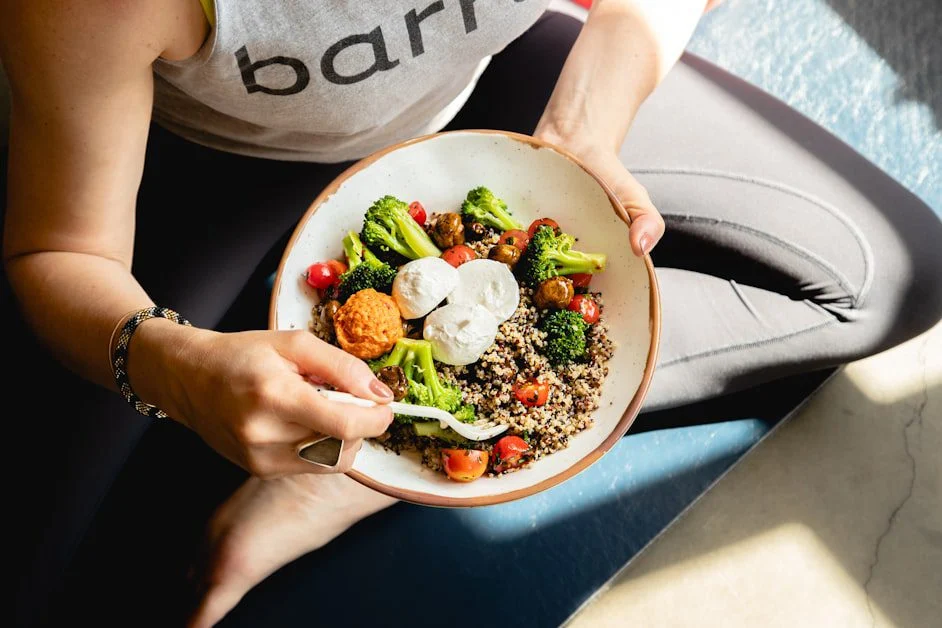
Generic calorie-cutting advice often underperforms for women trying to lose weight while on birth control because it does not account for the appetite and insulin sensitivity shifts covered above. A more targeted approach starts with protein. Anchoring each meal around the 25 to 30 grams of protein the review in the American Journal of Clinical Nutrition puts the appetite effect at, from eggs, Greek yogurt, poultry, fish, or legumes, blunts the blood sugar swings that drive snacking later in the day, and it becomes more important, not less, if your progestin is mildly reducing insulin sensitivity.
Aggressive calorie restriction tends to backfire here in the same way it does for other hormonally driven weight loss resistance. If you have already tried a strict calorie deficit with disappointing results, the explanation may overlap with what we cover in our guide on why a calorie deficit alone sometimes fails to produce weight loss. A moderate 300 to 500 calorie deficit, built primarily around protein, fiber, and minimally processed carbohydrates, supports fat loss without spiking cortisol or intensifying the same cravings hormonal contraception can already amplify. Reducing sodium modestly in the first few months of a new method can also help you separate genuine progress from temporary water weight on the scale.
Why Strength Training Matters More on Hormonal Birth Control

Strength training is one of the most direct tools available if insulin sensitivity is part of what is making it harder to lose weight while on birth control. A study published through the National Institutes of Health on resistance training and insulin resistance found that muscle hypertrophy from consistent strength training increases whole-body insulin sensitivity, largely because skeletal muscle is the primary tissue responsible for insulin-stimulated glucose uptake. In practical terms, more muscle means your body clears glucose from the bloodstream more efficiently, which directly counters the mild insulin resistance that androgenic progestins can introduce.
Two to three strength sessions a week, covering all major muscle groups, is enough to produce this effect over eight to twelve weeks, and it is one of the most reliable ways to lose weight while on birth control when insulin sensitivity is part of the picture. Cardio still has a place, but pairing it with resistance work outperforms cardio alone for this specific hormonal context, since cardio does not build the metabolically active tissue that improves glucose handling the way strength training does.
If insulin resistance is already a factor in your health picture separate from birth control, whether from PCOS, prediabetes, or another cause, our guide on how to lose weight with insulin resistance covers additional blood sugar strategies that pair directly with the approach outlined here.
If You Also Have PCOS or Insulin Resistance
Many women are prescribed hormonal birth control specifically to manage polycystic ovary syndrome, which creates a particular challenge if you are also trying to lose weight while on birth control. PCOS already involves baseline insulin resistance for most women who have it, and an androgenic progestin layered on top can compound that effect. This does not mean birth control is the wrong choice for managing PCOS symptoms like irregular cycles or acne, but it does mean your eating and training strategy needs to account for two overlapping sources of insulin resistance rather than one.
If PCOS is part of your picture, prioritizing the protein-forward, lower glycemic approach covered in our guide to the best diet for PCOS weight loss alongside the strength training approach above addresses both layers at once, and it is often the difference between spinning your wheels and finally being able to lose weight while on birth control with PCOS in the picture too. It is also worth asking your prescriber directly whether an anti-androgenic progestin option might better fit your metabolic profile, since that conversation is far more productive than assuming your current method is fixed and unchangeable.
When to Talk to Your Doctor About Switching Methods
Never stop or switch a hormonal birth control method without medical guidance, particularly if you are using it for contraception you rely on or for symptom management you need. Trying to lose weight while on birth control does not mean abandoning a method that is otherwise working well for you. But if you have tracked your weight for several months, notice the regain pattern described earlier, and suspect your specific progestin is working against your goals, that is exactly the kind of specific, documented pattern worth bringing to an appointment.
Women who successfully lose weight while on birth control after a stall usually get there by working with a prescriber rather than guessing alone. Come prepared with details: when the weight change started relative to starting or switching your method, whether it tracks with water retention or a steadier upward trend, and any other symptoms like bloating, acne, or mood changes that might point toward a formulation issue. A prescriber who understands you are trying to lose weight while on birth control, not stop using contraception altogether, can discuss whether a different progestin, a lower dose, or a non-hormonal method might work better for your specific body without you having to guess or self-manage the switch.
Hormonal birth control replaces the cycle’s own rise and fall with a steady dose, which is why the usual phase effects flatten; the menstrual cycle phases page shows what the natural pattern looks like.
Frequently Asked Questions
Which birth control is easiest to lose weight on?
Research suggests drospirenone-based combined pills are less likely to cause the fluid retention seen with more androgenic progestins like levonorgestrel, which can make it easier to lose weight while on birth control for some women. This is not universal, and the right method still depends on your full health history, so it is a conversation for your prescriber rather than a decision to make alone.
Why did I gain weight back after 6 months on birth control?
Research tracking combined hormonal contraceptive users found a specific pattern of weight regain between six and eighteen months of continuous use, following an initial period of stable or declining weight. This appears to reflect a metabolic shift tied to continued hormone exposure rather than a failure of diet or exercise.
Does the birth control shot cause more weight gain than the pill?
Yes, in most studies the birth control shot, which delivers a large dose of progestin, is associated with more weight gain on average than pills, patches, or hormonal IUDs. If weight is a significant concern, discussing lower-dose or non-injectable options with your provider is reasonable.
Can switching progestin types actually help me lose weight?
It can help remove one variable working against you, particularly if fluid retention or insulin sensitivity from an androgenic progestin has been part of the problem. Switching is not guaranteed to produce weight loss on its own, but it can make a well-built eating and training plan more effective.
Is it safe to start a calorie deficit while adjusting to a new birth control method?
It is generally safe, but expect the first one to three months to reflect fluid shifts as your body adjusts, which can mask real fat loss progress on the scale. A moderate, protein-forward deficit combined with strength training tends to produce clearer, more consistent results once the initial adjustment period passes.
Conclusion
Trying to lose weight while on birth control without understanding which mechanisms are actually at play, fluid retention, progestin type, or insulin sensitivity, is set up to feel like guesswork. Once you know whether your specific method leans androgenic or anti-androgenic, recognize the six to eighteen month regain pattern the research describes, and build an eating and strength training approach around those realities, the process stops feeling like it is working against you. None of this requires stopping a method that is protecting your health or your plans. It requires a plan built for what your hormones are actually doing, not a generic template that ignores them.
Related Articles
This article is for informational purposes only and is not a substitute for professional medical advice, diagnosis, or treatment. Never stop or switch a birth control method without first consulting your healthcare professional. Always consult a qualified healthcare professional before making significant changes to your diet, exercise routine, or contraceptive method.
Sources
- PubMed Central, NIH. Impact of Combined Hormonal Contraceptive Use on Weight Loss: A Secondary Analysis of a Behavioral Weight Loss Trial.
- PubMed Central, NIH. Combination contraceptives: effects on weight.
- Mayo Clinic. Mayo Clinic.
- PubMed Central, NIH. Strength Training and Insulin Resistance: The Mediating Role of Body Composition.


