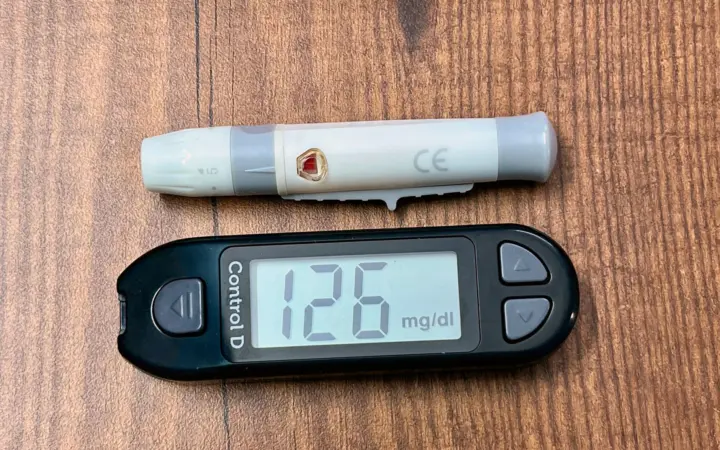


If you are researching the best supplements for perimenopause weight gain, you have already noticed the market is flooded with products making big promises. Some of those supplements have solid research behind them. Many do not. This guide cuts through the noise by ranking the evidence honestly, so you can spend money on what is actually likely to help and skip the rest.
Why Perimenopause Weight Gain Is Different
Before looking at what supplements for perimenopause weight gain might help, it is worth understanding what is actually driving the weight gain. The most useful supplements for perimenopause weight gain are the ones that target these specific changes, so it helps to know what they are. Perimenopause is not simply early menopause. Estrogen levels fluctuate erratically rather than declining in a straight line, and those fluctuations disrupt insulin sensitivity, cortisol regulation, and sleep quality all at once. That combination makes this phase distinctly harder to manage than ordinary midlife weight creep.
Muscle mass also accelerates its decline during perimenopause, which lowers resting metabolic rate. And because cortisol tends to run higher when sleep is broken and hormones are unstable, the body is primed to store fat in the abdomen. Understanding these specific drivers matters because the supplements most likely to help are the ones that address them directly. Our guide to daily habits to reduce cortisol naturally covers the lifestyle side of this equation, which supplements alone cannot replace.
Tier 1: Strongest Evidence for Supplements for Perimenopause Weight Gain
These three have the best combination of research quality and relevance to the specific hormonal changes in perimenopause.
Protein
Protein is not glamorous, but it is the most evidence-backed tool for managing weight during perimenopause. Adequate protein preserves lean muscle, which keeps your resting metabolic rate from falling. It also keeps you fuller longer and has a higher thermic effect than carbohydrates or fat, meaning your body burns more calories digesting it. A 2022 analysis found that women in perimenopause and menopause who increased dietary protein saw meaningful reductions in body fat compared to those who did not.
The practical target is 1.2 to 1.6 grams of protein per kilogram of body weight per day, which is higher than most general dietary guidelines. Most women fall well short of this through food alone, which is where protein powder becomes a practical supplement rather than a bodybuilder product. Whey protein has the strongest evidence for supporting muscle retention, though pea and soy blends are effective alternatives. The key is hitting the daily target consistently.
Magnesium
Magnesium works on several of the mechanisms that make perimenopause weight gain hard to control. It supports insulin sensitivity, helps regulate cortisol, and improves sleep quality, which in turn affects appetite hormones. According to the National Institutes of Health Office of Dietary Supplements, magnesium is essential for glucose control and energy metabolism, and many adults fall short of the recommended intake. Deficiency tends to worsen during perimenopause, and there is good reason to think that correcting low magnesium helps with the metabolic disruption this phase brings.
Magnesium glycinate is the form best absorbed and least likely to cause digestive side effects. The typical dose for women is 300 to 400 milligrams before bed, which also takes advantage of its sleep-supportive effect. If you are pregnant, the safe ceiling and the evidence differ, which we cover in our guide to a magnesium supplement for pregnant women. Our detailed guide to magnesium glycinate for sleep and anxiety covers choosing a quality product.
Vitamin D
Low vitamin D is associated with higher body fat, insulin resistance, and a harder time losing weight. Perimenopause accelerates bone loss and disrupts the hormonal signals that govern fat storage, and adequate vitamin D plays a supporting role in both. The catch is that supplementing vitamin D when your levels are already normal produces minimal benefit, so testing before supplementing is genuinely worth doing here.
If your level is below 30 ng/mL, most clinicians suggest 1,000 to 2,000 IU of D3 daily, ideally taken with fat to aid absorption. Pairing D3 with K2 directs calcium to bones rather than soft tissue. The research on vitamin D3 and K2 taken together explains why the combination matters.
Tier 2: Promising Evidence Worth Considering
These supplements for perimenopause weight gain have good mechanistic rationale and supportive research, but the perimenopause-specific evidence base is thinner.
Berberine
Berberine is the supplement most worth knowing about if insulin resistance is driving your weight gain. It activates AMPK, the same cellular pathway activated by exercise, and multiple trials have found it improves fasting glucose, insulin sensitivity, and lipid profiles in people with metabolic dysfunction. A 2019 meta-analysis in Phytomedicine found berberine produced significant reductions in body weight and waist circumference compared to placebo.
The catch: most studies are in people with type 2 diabetes or metabolic syndrome, not specifically perimenopausal women. The mechanism is directly relevant to perimenopause-driven insulin resistance, but direct evidence in this population is still limited. The standard dose is 500 milligrams two to three times daily with meals. If you take any medications, particularly metformin or blood pressure drugs, check with your doctor before starting, as berberine can interact with both.
Creatine
Creatine helps maintain muscle mass during resistance training, and that matters for perimenopause weight gain because less muscle means a slower resting metabolism. We covered this in depth in our post on creatine for women over 40, but the short version is: plain creatine monohydrate at the 3 to 5 grams a day the ISSN position stand reviews is the most evidence-backed form, it has an excellent safety record, and it only works meaningfully if you are doing resistance training. Without lifting, the benefit is much smaller.
For managing supplements for perimenopause weight gain, creatine is more of a metabolic anchor than a fat burner. It preserves the muscle that keeps your metabolism from slowing further, which is a different but genuinely useful goal.
Omega-3 Fatty Acids
Perimenopause tends to raise systemic inflammation, and chronic low-grade inflammation makes it harder to lose fat and easier to gain it. Omega-3s, specifically EPA and DHA from fish oil, have well-established anti-inflammatory effects and some evidence supporting reductions in body fat and waist circumference in midlife women. They also support the cardiovascular changes that come with falling estrogen, making them useful for reasons beyond weight alone.
The effective dose for anti-inflammatory effects is 1 to 3 grams of combined EPA and DHA per day, not total fish oil. Check labels carefully since many products list total oil rather than the active EPA+DHA content. Our overview of omega-3 fish oil benefits for women includes guidance on reading labels and choosing a quality product.
Tier 3: Weaker Evidence or Overhyped for This Specific Goal
These are common recommendations for supplements for perimenopause weight gain that the evidence does not really support for weight specifically, even if they have other benefits.
Green tea extract (EGCG): The fat-burning effects seen in short-term studies rarely translate to meaningful weight loss over time. At high doses EGCG also carries a real risk of liver toxicity. If you enjoy green tea as a drink, fine. As a concentrated supplement for weight loss, the risk-to-benefit ratio is not favorable.
Soy isoflavones: These can help with hot flashes but have not shown meaningful effects on body weight in controlled trials. Worth considering for other perimenopause symptoms, not for the scale.
Adaptogens (ashwagandha, Rhodiola): Both support stress resilience and cortisol regulation, which is a genuinely relevant mechanism in perimenopause. The problem is that the weight-loss evidence is indirect at best. They may help with stress-related eating patterns, but expect modest effects.
Probiotics: Gut health matters for metabolism, but the link between probiotic supplementation and actual weight loss in perimenopausal women is not well established. The best way to support gut health for metabolic benefit is dietary fiber, not capsules.
Building a Practical Strategy Around These Supplements
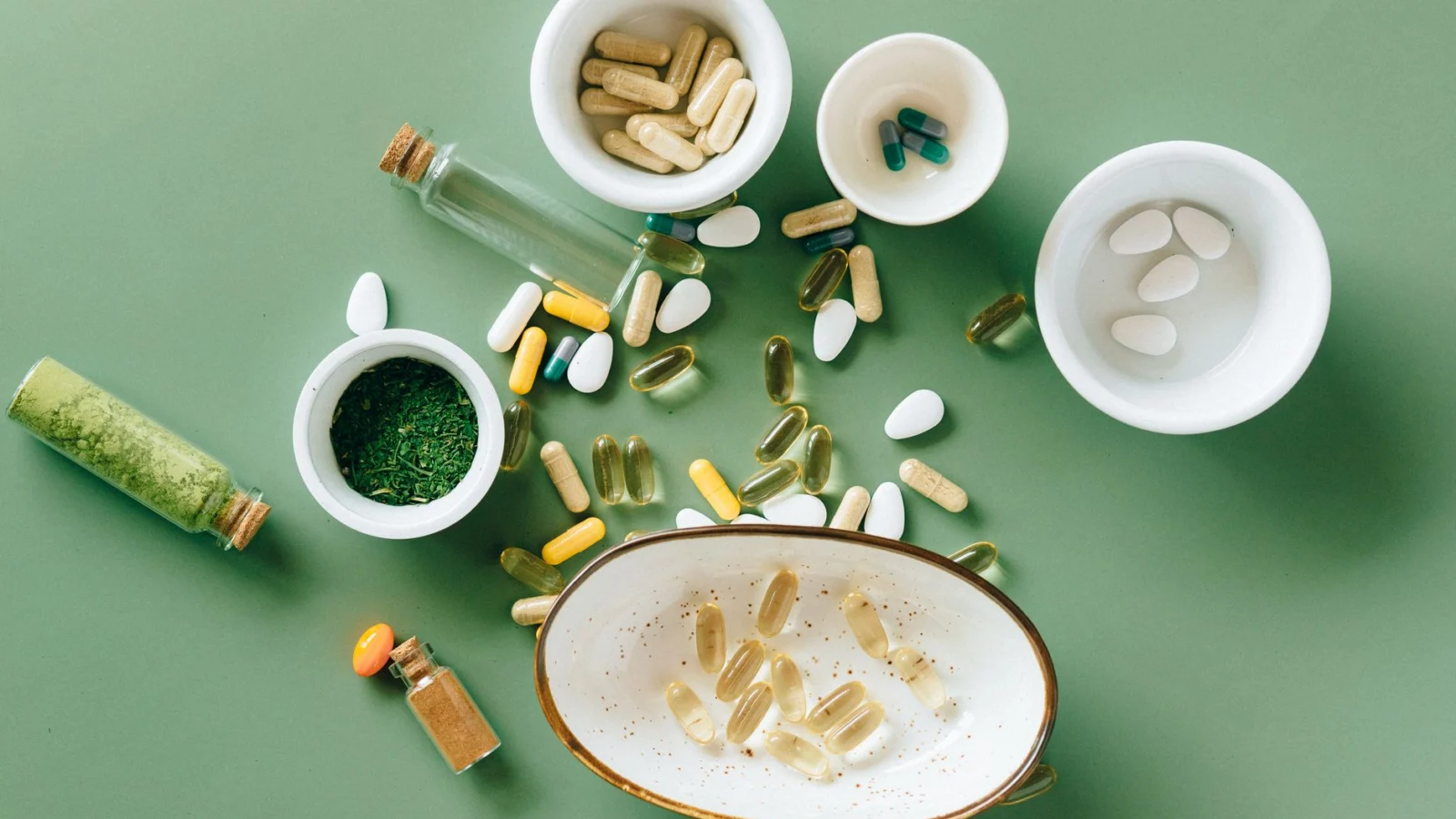
The most useful framework for supplements for perimenopause weight gain is to anchor on the Tier 1 options first, since protein, magnesium, and vitamin D have the broadest evidence and also address the non-weight symptoms of perimenopause. Then consider adding one or two Tier 2 options based on your specific pattern. If belly fat and blood sugar swings are the main problem, berberine fits well. If muscle loss and gym performance are the concern, creatine. If inflammation and joint pain are prominent, omega-3s.
Getting your actual daily calorie and protein numbers sorted is worth doing alongside any supplement decision. Our calorie calculator can help you find a realistic target given your current weight and activity level, and you can build a free plan around those numbers to make the food side concrete rather than guesswork.
None of these supplements will override the basics. Our deeper guide to losing weight in perimenopause covers the full picture of what actually moves the needle during this phase, and supplements work best as support for those fundamentals rather than replacements for them.
What About a Multivitamin?
A high-quality multivitamin designed for women over 40 provides a reasonable insurance policy for nutrients that perimenopause increases demand for, including B vitamins, iron (if still menstruating), and zinc. It is not one of the targeted supplements for perimenopause weight gain covered above, but it fills gaps without requiring you to take 10 individual capsules a day. Our guide to the best multivitamin for women over 40 covers what to look for on the label.
Supplements work best alongside the right plate, and our guide to foods for insulin resistance covers the eating side of the same problem.
The weight gained through perimenopause is mostly a change in composition, more fat and less muscle at a similar weight, so waist and body fat are the measures to follow; how much you should weigh explains the ranges and holds the tools.
Before any of these, the page on what supplements should I take sets out the few nutrients a woman over 40 is likely to be short of and the amounts the NIH gives.
Frequently Asked Questions
What is the most effective supplement for perimenopause weight gain?
Based on current evidence, protein is the single most effective supplement for managing perimenopause weight gain. It directly addresses the muscle loss that slows metabolism, reduces hunger, and has the most consistent support from clinical research. Magnesium and vitamin D round out the core three. Berberine is worth adding if insulin resistance and belly fat are the main issues, but check with your doctor first if you take any medications.
Is berberine safe to take during perimenopause?
For most healthy women, yes. Berberine has a reasonable safety profile in the doses used in clinical research, which is typically 500 milligrams two to three times daily with meals. The main cautions are for women taking metformin, blood pressure medications, or blood thinners, since berberine can amplify their effects. It is not recommended during pregnancy. A conversation with your doctor before starting is especially important if you manage any chronic condition.
Do omega-3s actually help with perimenopause belly fat?
The evidence suggests omega-3s help modestly with body fat and waist circumference, mainly through their anti-inflammatory effects rather than direct fat burning. The stronger case for omega-3s during perimenopause is cardiovascular protection as estrogen falls, with body composition benefits as a secondary bonus. They are worth taking for the combined effect rather than expecting them to specifically target belly fat on their own.
How long before supplements for perimenopause weight gain start working?
Protein effects on muscle retention and satiety are relatively fast, measurable within four to six weeks of consistently hitting your daily target. Magnesium effects on sleep and stress often show up within two to four weeks. Vitamin D correction takes several months to register in blood tests. Berberine effects on blood sugar and insulin typically show up within eight to twelve weeks. None of these are overnight fixes, and the research showing benefits measures outcomes over months, not days.
The Bottom Line
The honest truth about supplements for perimenopause weight gain is that the evidence is uneven. Protein, magnesium, and vitamin D have the strongest case for most women, with berberine, creatine, and omega-3s as solid second-tier options depending on your specific situation. Green tea extracts, most adaptogens taken specifically for weight, and generic probiotic capsules are unlikely to justify the cost. Focus on the evidence first, skip the marketing, and build the supplement stack on top of the fundamentals rather than instead of them.
Related Articles
- How to Lose Weight in Perimenopause: What Actually Works
- Not Losing Weight During Perimenopause? Here’s What’s Actually Happening
- Best Diet for PCOS Weight Loss: What Actually Works
This article is for informational purposes only and is not a substitute for professional medical advice. Supplements can change how medications work and affect health conditions, so check anything new with your pharmacist. Always consult a qualified healthcare professional before starting any new supplement, especially during perimenopause when hormonal changes can affect how your body responds to them.
Sources
- NIH Office of Dietary Supplements. Magnesium – Health Professional Fact Sheet.
- PubMed Central, NIH. Effects of berberine on glucose-lipid metabolism, inflammatory factors and insulin resistance in patients with metabolic syndrome.