


If you have been searching for the best magnesium glycinate for sleep and anxiety, you are already asking the right question. Not all magnesium supplements are created equal, and the form you choose makes a significant difference in how well it works. Magnesium glycinate is consistently rated the top choice by nutritionists and sleep specialists for anyone dealing with poor sleep, nighttime restlessness, or low-grade anxiety that will not quit.
This guide covers why glycinate is the form most often chosen for sleep and anxiety, what the trials used, and when in the day the studies gave it.
What Is Magnesium Glycinate?
Magnesium glycinate is a chelated form of magnesium, meaning the mineral is chemically bonded to glycine, a calming amino acid. This bond does two important things. First, it dramatically improves absorption compared to cheaper forms like magnesium oxide, which the gut absorbs poorly. Second, glycine itself has independent relaxation properties, working on GABA receptors in the brain to promote calm and sleep onset.
The result is a supplement where both components – the magnesium and the glycine – work toward the same goal. This synergy is exactly why the best magnesium glycinate for sleep and anxiety outperforms other forms, even when the elemental magnesium content is identical on the label.
Magnesium itself plays a role in over 300 enzymatic processes in the body, including muscle contraction, blood pressure regulation, blood sugar control, and nerve signaling. Studies from the National Institutes of Health estimate that nearly half of Americans do not get enough magnesium from diet alone, with deficiency rates even higher among people who drink alcohol regularly, take certain medications, or live with chronic stress.
If you already take a general supplement stack, pairing magnesium with a best multivitamin for women over 40 gives you the nutrient co-factors that help magnesium do its job, including B6, which supports GABA synthesis.
Magnesium Glycinate for Sleep: What the Science Shows

Magnesium plays a direct role in regulating the body’s internal clock. It activates the parasympathetic nervous system – the branch responsible for the rest-and-digest state – and supports GABA production, the primary inhibitory neurotransmitter that quiets brain activity before sleep.
A randomized double-blind trial published in the Journal of Research in Medical Sciences found that magnesium supplementation significantly improved sleep quality, sleep onset time, and early morning awakening in participants with insomnia. Research published in Sleep and Biological Rhythms also showed that glycine taken before bed lowered core body temperature – a key trigger for sleep onset – and improved next-day alertness and fatigue scores. Magnesium glycinate delivers both benefits in one capsule.
The Sleep Foundation notes that magnesium levels impact sleep through interactions with melatonin and other brain chemicals, with glycinate being among the preferred forms for sleep support due to its high bioavailability and calming dual action.
Most people who find the best magnesium glycinate for sleep and anxiety and use it consistently report:
- Falling asleep faster within the first 1 to 2 weeks
- Fewer middle-of-the-night wake-ups
- Reduced leg cramping and muscle twitches that disrupt sleep
- Calmer mind at bedtime with less racing-thought rumination
Pairing magnesium glycinate with a structured wind-down routine amplifies its effect. Adding 10-minute bedtime mobility drills to your evening can deepen relaxation and help the supplement do its job faster.
Magnesium Glycinate for Anxiety: How It Calms Your Nervous System
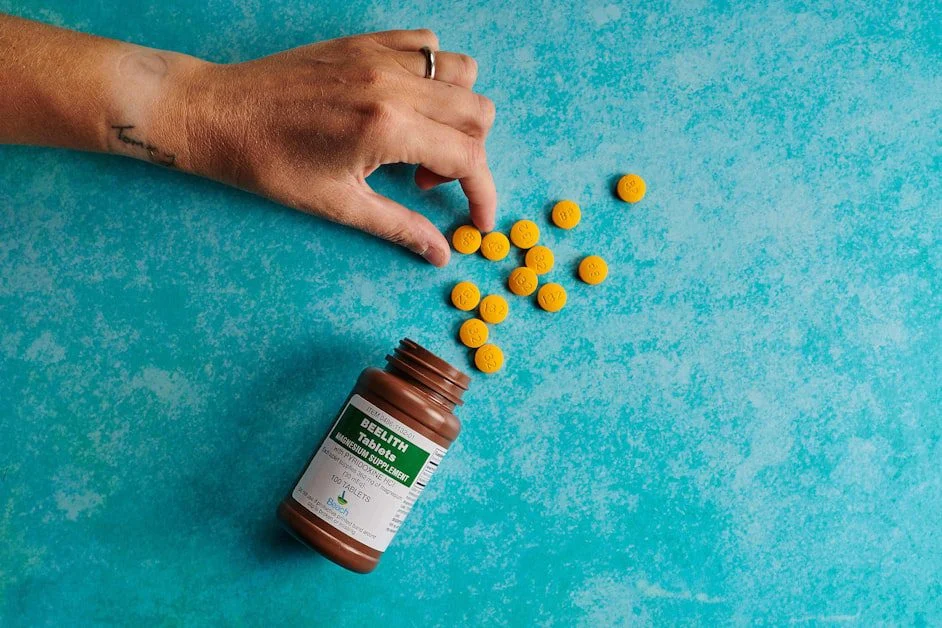
Chronic low magnesium levels are directly linked to an overactive hypothalamic-pituitary-adrenal (HPA) axis, which is the body’s central stress response system. When magnesium is low, stress hormones like cortisol stay elevated longer after a stressor, keeping the nervous system in a low-grade fight-or-flight state. This is one physiological reason why chronically stressed people feel wired even when they are exhausted.
Magnesium glycinate addresses anxiety through several overlapping mechanisms:
- GABA support: Magnesium acts as a natural GABA agonist, helping activate the calming neurotransmitter that benzodiazepines also target, without the dependency risk.
- NMDA receptor regulation: Magnesium blocks excitatory NMDA receptors, reducing the neurological activity associated with anxious rumination.
- Cortisol blunting: Adequate magnesium levels help limit cortisol release and accelerate its clearance after a stress event.
- Muscle relaxation: Physical tension is both a cause and consequence of anxiety. Magnesium’s role in muscle function reduces the tight chest, jaw clenching, and shoulder tension that fuel anxious feelings.
A 2017 systematic review in Nutrients found that magnesium supplementation reduced subjective anxiety measures across multiple studies, with the effect being more pronounced in people with mild-to-moderate anxiety rather than clinical anxiety disorders.
Both magnesium and omega-3 fatty acids target overlapping pathways in anxiety and systemic inflammation. Understanding omega-3 fish oil benefits for women helps you build a supplement approach that covers both the inflammatory and neurotransmitter sides of stress.
If anxiety is your primary concern, combining magnesium glycinate with evidence-based behavioral strategies produces significantly better outcomes than supplementation alone. See how to reduce anxiety without medication for an 8-step protocol that works alongside supplementation.
Glycinate vs Citrate vs Threonate: Which Should You Choose?

Choosing the right form of magnesium comes down to your primary goal. The supplement aisle offers a confusing number of options, but the differences matter. Here is a practical decision guide.
Magnesium Glycinate – best for sleep quality, anxiety reduction, muscle relaxation, and daily maintenance. Highly bioavailable, gentle on digestion, and the least likely of all forms to cause loose stools. This is the correct starting point for the majority of people whose main concerns are poor sleep or stress-related anxiety.
Magnesium Citrate – better absorbed than oxide but has a mild laxative effect at higher doses. Useful if you also deal with constipation, but that bowel-stimulating effect can cause nighttime bathroom trips that fragment sleep. Not ideal as a primary sleep supplement.
Magnesium L-Threonate – the only form that reliably crosses the blood-brain barrier, making it superior for cognitive support, memory, and anxiety driven by racing thoughts or brain fog. Considerably more expensive than glycinate. A growing body of research supports combining both: glycinate in the evening for sleep, threonate in the morning for cognitive support and daytime anxiety reduction.
Magnesium Oxide – cheap and widely available but poorly absorbed (a bioavailability study of commercial preparations measured 4 percent). Avoid for sleep or anxiety purposes.
Magnesium Malate – good for energy production and muscle soreness. Better suited to morning use since it can have an energizing effect that works against sleep goals.
For the vast majority of people reading this guide, glycinate is the correct starting point. When evaluating the best magnesium glycinate for sleep and anxiety, price, purity, and elemental magnesium content per serving are the three factors worth comparing across brands. Beyond those, the form itself does the heavy lifting.
How Much to Take: Dosage Guide by Goal
The right dose depends on what you are trying to achieve and your baseline magnesium status. The Recommended Dietary Allowance for magnesium set by the National Institutes of Health is 310 to 420 mg per day for adults, covering total magnesium from all sources.
The ranges that come up in the research, by goal:
- General maintenance or mild deficiency: 100 to 200 mg elemental magnesium daily
- Sleep: the insomnia trial in older adults used 500 mg of magnesium a day for eight weeks
- Anxiety: a systematic review found suggestive but poor-quality evidence of benefit in mildly anxious and premenstrual women, across a range of amounts
- Muscle recovery or cramps: 300 to 400 mg elemental magnesium
One critical label note: magnesium glycinate supplements list total compound weight, not elemental magnesium. A 500 mg capsule of magnesium glycinate typically provides only 50 to 100 mg of elemental magnesium. The Supplement Facts panel gives the elemental magnesium amount, and that is the number every range on this page refers to.
Where to begin inside that range, and whether to be in it at all, is a question for a doctor or a pharmacist who knows your kidney function and what else you take. In the research, meaningful sleep improvement shows up within 2 to 4 weeks of consistent use. The tolerable upper intake level for supplemental magnesium is 350 mg elemental per day for adults, above which digestive side effects become more likely in sensitive individuals.
| Amount studied | Goal | When it was taken | Notes |
|---|---|---|---|
| 200mg | Mild anxiety relief | Morning or evening | The low end of the studied range |
| 300mg | Moderate anxiety or mild sleep issues | Evening (90 min before bed) | Most common effective dose |
| 400mg | Significant insomnia or anxiety | 200mg morning and 200mg evening | Near upper supplement limit; check with doctor if on medications |
Note: The NIH tolerable upper intake level is 350mg/day from supplements; the glycinate form causes fewer GI issues than other forms at higher doses.
Magnesium glycinate is one piece of a complete supplement approach. For what the evidence says about supplements and immune function, see the five supplements studied for immune function.
Best Time to Take Magnesium Glycinate for Sleep vs Anxiety
Timing is one of the most overlooked variables in magnesium glycinate supplementation. The right window differs depending on whether your primary goal is better sleep or lower daytime anxiety, and understanding that difference lets you get significantly more out of each dose.
Morning, for anxiety: a morning amount of 100 to 200 mg lands on the cortisol awakening response (CAR), the natural cortisol surge that peaks 30 to 45 minutes after waking. Magnesium helps blunt this surge, keeping your anxiety baseline lower throughout the day rather than starting the morning already in a state of physiological stress. This is particularly useful if your anxiety peaks in the first half of the day or you notice you wake up already feeling tense.
Night, for sleep: the sleep studies gave magnesium glycinate 30 to 60 minutes before the target bedtime. This window allows the glycine component to begin lowering core body temperature – one of the body’s primary sleep-onset signals – and gives magnesium time to support GABA receptor activation before you need to fall asleep. Taking it too early (3 or more hours before bed) means the peak calming effect may precede your actual sleep window.
Split dosing for both goals: If sleep and anxiety are both concerns, a split protocol covers both. A split protocol puts 150 to 200 mg with breakfast, to hold daytime levels and buffer stress reactivity, and another 150 to 200 mg 45 to 60 minutes before bed. Both together stay inside the NIH tolerable upper intake level of 350 mg of supplemental magnesium a day.
Empty stomach vs with food: Magnesium glycinate is one of the gentler forms available and can generally be taken either way without significant digestive discomfort. Food slows absorption slightly, which suits a morning amount where a gradual, sustained effect is the point. An evening amount on a relatively empty stomach, 30 to 60 minutes before bed, absorbs faster and has a more pronounced effect on sleep onset.
Consistency matters far more than perfect timing. The best magnesium glycinate for sleep and anxiety works through tissue-level saturation that builds over weeks of daily use, producing longer sleep duration, lower baseline anxiety, and reduced cortisol reactivity. Sporadic use consistently underperforms daily protocols in the research literature.
Side Effects and When to Stop
Magnesium glycinate is one of the best-tolerated magnesium forms available, but side effects can occur, particularly at higher doses or when escalating too quickly.
Common mild side effects:
- Loose stools or mild digestive discomfort (more likely above 400 mg elemental magnesium at once)
- Nausea when taken on an empty stomach
- Excessive daytime drowsiness if sleep-supporting doses are taken midday
Signs you may be taking too much:
- Diarrhea or persistent cramping
- Low blood pressure or lightheadedness
- Muscle weakness beyond normal relaxation
People with kidney disease should not supplement magnesium without direct medical supervision, as impaired kidneys cannot efficiently excrete excess magnesium, which can accumulate to dangerous levels. If you take prescription medications, particularly antibiotics in the tetracycline or fluoroquinolone families, blood pressure medications, or diuretics, consult your prescribing physician before starting magnesium supplementation.
Stop use and seek immediate medical advice if you experience irregular heartbeat, significant muscle weakness, or difficulty breathing. These are symptoms of hypermagnesemia – rare from oral supplementation in healthy adults but possible in those with compromised kidney function or very high intake levels.
The NIH puts a woman’s magnesium need at 310 to 320 mg a day from all sources, and the page on what supplements should I take shows where that figure sits beside the other nutrients.
Frequently Asked Questions
How long does magnesium glycinate take to work for sleep?
Most people notice improvement in sleep onset within 1 to 2 weeks of consistent nightly use. Full benefits, including deeper sleep and fewer nighttime wake-ups, typically develop over 4 to 8 weeks as tissue magnesium levels build up. Results from a single night are not representative – consistency over weeks is what produces lasting change.
Can I take magnesium glycinate every night?
Yes. Daily use is safe for most healthy adults within recommended doses. Magnesium is an essential mineral your body uses continuously, and supplementing daily helps maintain optimal tissue levels. Unlike pharmaceutical sleep aids, there is no evidence of tolerance development or physical dependency with magnesium glycinate.
Is magnesium glycinate better than magnesium citrate for anxiety?
For anxiety specifically, glycinate is the stronger choice for most people. Citrate’s laxative effect at higher doses can add physical discomfort, which is counterproductive when managing anxiety. Glycinate is gentler on digestion, and its glycine component has direct calming properties that citrate lacks. If your anxiety is primarily cognitive, with racing thoughts and poor focus, consider adding magnesium threonate in the morning alongside evening glycinate.
Can magnesium glycinate cause vivid dreams?
Some users report more vivid or memorable dreams, particularly in the early weeks of supplementation. This is thought to reflect improved sleep architecture and more time spent in REM sleep as a magnesium deficit is corrected. It is generally considered a sign that the supplement is working rather than a side effect requiring concern.
What is the difference between magnesium glycinate and magnesium bisglycinate?
They are the same compound. Magnesium bisglycinate is the more precise chemical name, referring to magnesium chelated with two glycine molecules. Most products labeled magnesium glycinate use this chelation structure. Both are equally effective for sleep and anxiety, and the label difference is purely a matter of naming convention.
Is 400mg magnesium glycinate too much?
For most healthy adults, 400mg of magnesium glycinate is generally well-tolerated. The NIH sets the tolerable upper intake level from supplements at 350mg/day, but the glycinate form has a much lower laxative threshold than oxide or citrate forms. That said, if you are on medications (especially antibiotics, diuretics, or heart medications), check with your doctor before taking more than 300mg daily.
How long until magnesium glycinate works for sleep?
Many people notice improved sleep latency (falling asleep faster) within 3 to 7 days. Consistent sleep quality improvements typically develop over 1 to 2 weeks of daily use. For anxiety, the calming effects can take 2 to 4 weeks of consistent supplementation to become noticeable, as magnesium works cumulatively to restore cellular levels depleted by stress.
Choosing the Best Magnesium Glycinate for Sleep and Anxiety
The best magnesium glycinate for sleep and anxiety is the one you will take consistently every evening. The form itself – glycinate – is the correct starting point for most people, because it combines superior absorption with the independently calming effects of glycine, targeting sleep and anxiety through multiple physiological pathways simultaneously.
The sleep trial read its results at eight weeks rather than at four days, and the anxiety review at weeks too. Where daytime anxiety is also a concern, the split protocol above is the one that has been looked at. Most people notice meaningful improvements in sleep quality and baseline stress levels within the first month of consistent use.
Magnesium glycinate will not replace healthy sleep habits, a low-stress environment, or professional treatment for clinical anxiety disorders, but for the enormous number of people whose sleep and anxiety struggles are rooted in a physiological magnesium shortfall, it is one of the most evidence-supported and well-tolerated interventions available without a prescription.
Medical disclaimer: This article is for informational purposes only and does not constitute medical advice. Always consult a qualified healthcare professional before starting any new supplement, especially if you have a medical condition, kidney disease, or take prescription medications. Do not use this information to diagnose or treat any health condition.
Related Articles
- Ashwagandha Benefits for Stress and Anxiety: What Actually Works
- Best Diet for PCOS Weight Loss: What Actually Works
- Best Probiotics for Gut Health: What Strains Actually Work and Why
Sources
- NIH Office of Dietary Supplements. Magnesium – Health Professional Fact Sheet.
- Sleep Foundation. Magnesium for Sleep: Benefits, Types, Dosage, and Side Effects.


