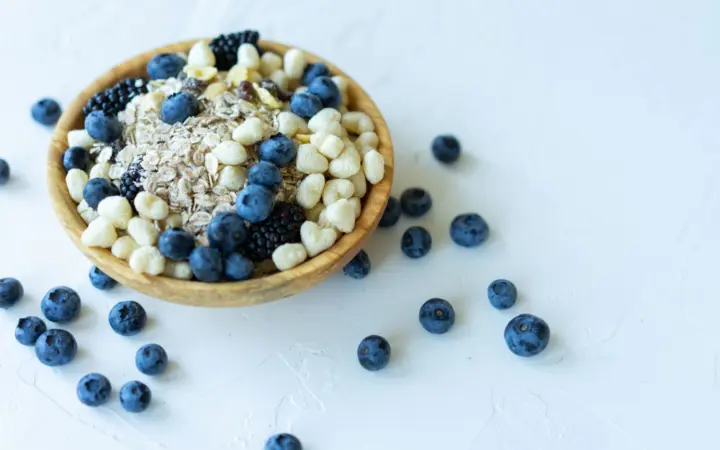


Anyone eating low carb runs into the same problem: the foods richest in fiber are usually the ones highest in carbohydrate. Finding foods with low carbs and high fiber is the way out of that, and it is more solvable than it looks once you rank things properly.
The figures below come from the United States Department of Agriculture’s food composition database. What matters is not fiber alone but fiber relative to net carbs, and on that measure one food beats everything else by a distance.
Why net carbs is the number that matters here
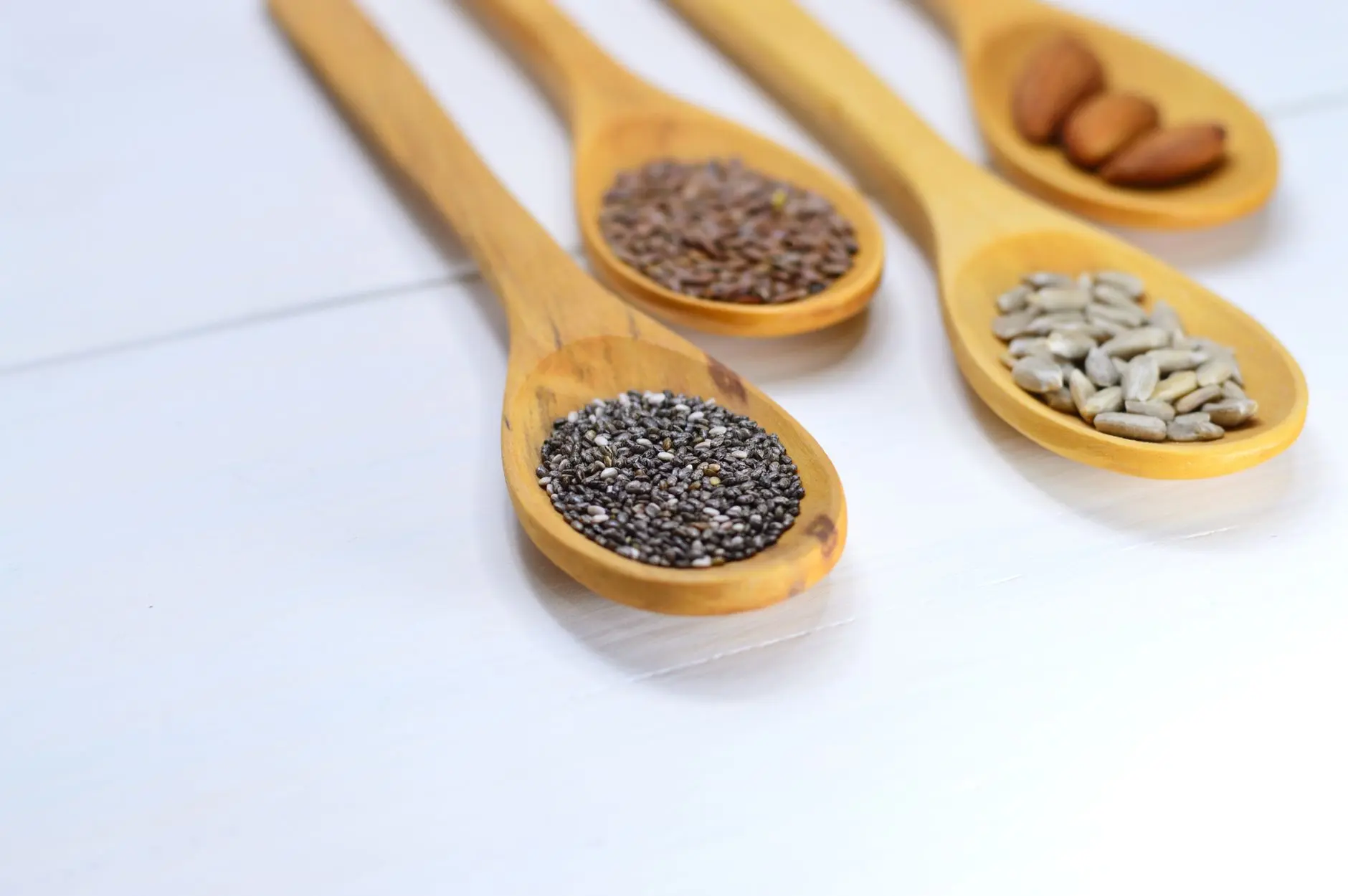
Fiber is a carbohydrate your body cannot digest. It passes through largely intact, which is precisely why it helps your bowel and feeds gut bacteria, and it is also why most low-carb approaches subtract it from the total. Total carbohydrate minus fiber gives you net carbs, the figure that reflects what actually affects blood sugar.
That subtraction produces some counterintuitive results. A food can be 42% carbohydrate by weight and still be a low-carb food, because almost all of that carbohydrate is fiber. Judging foods by their total carbohydrate alone will make you avoid exactly the things that solve your fiber problem.
The ranking, by fiber per net carb
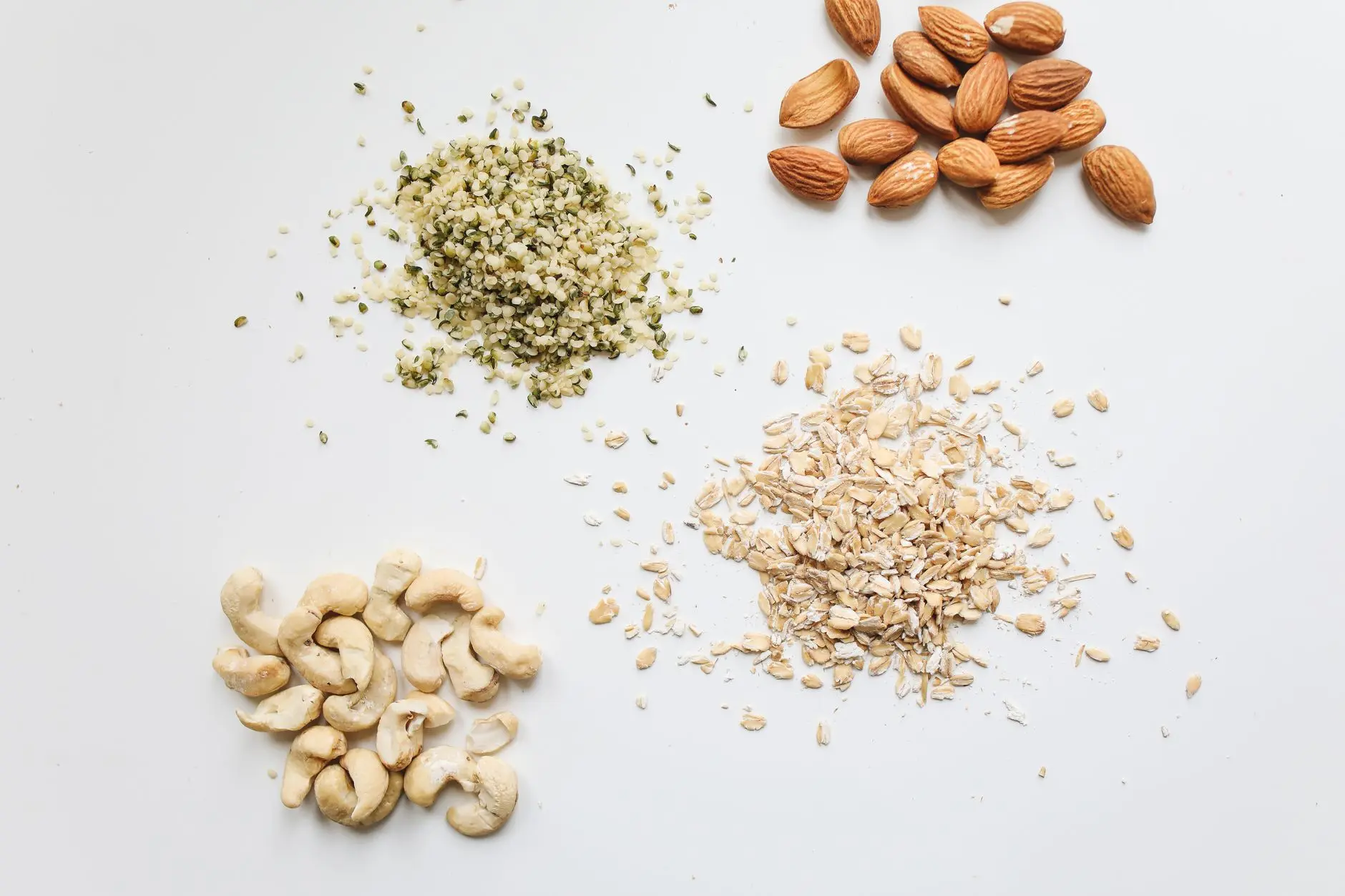
All values are per 100 grams from USDA FoodData Central. The last column is fiber divided by net carbs, which tells you how much fiber each food buys you for the carbohydrate it costs.
| Food (per 100g) | Total carb | Fiber | Net carbs | Fiber per net carb |
|---|---|---|---|---|
| Flaxseed | 28.9 g | 27.3 g | 1.6 g | 17.1 |
| Chia seeds | 42.1 g | 34.4 g | 7.7 g | 4.5 |
| Avocado | 8.6 g | 6.8 g | 1.8 g | 3.8 |
| Spinach, raw | 3.6 g | 2.2 g | 1.4 g | 1.6 |
| Blackberries | 9.6 g | 5.3 g | 4.3 g | 1.2 |
| Almonds | 20.0 g | 10.8 g | 9.2 g | 1.2 |
| Brussels sprouts, raw | 9.6 g | 4.8 g | 4.8 g | 1.0 |
| Cauliflower, raw | 4.7 g | 2.0 g | 2.8 g | 0.7 |
| Broccoli, raw | 6.3 g | 2.4 g | 3.9 g | 0.6 |
Flaxseed is not slightly ahead, it is in a different category. It delivers seventeen times more fiber than net carbohydrate. Two tablespoons, roughly 20 grams, give you about 5.5 grams of fiber for around 0.3 grams of net carbs, which is close to free by low-carb standards.
Why chia gets the attention and flaxseed deserves it
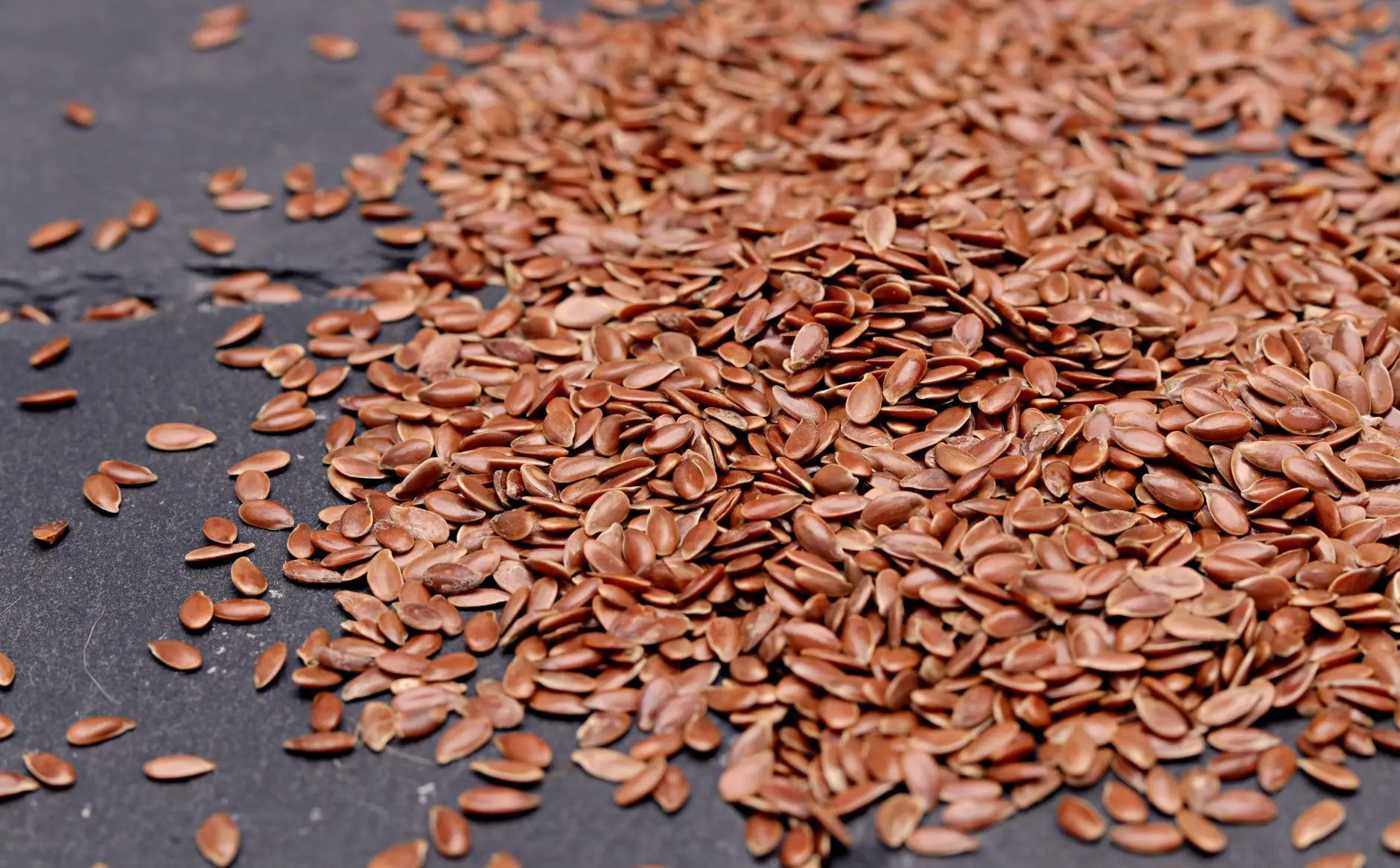
Chia has the higher headline number, 34.4 grams of fiber per 100 grams against flaxseed’s 27.3, which is why it dominates the marketing. But chia also carries 7.7 grams of net carbs where flaxseed carries 1.6. Per gram of carbohydrate you spend, flaxseed returns nearly four times as much fiber.
Both are worth eating. If you are counting carbs tightly, ground flaxseed is the more efficient choice, and grinding matters because whole flaxseeds pass through undigested. Buy it ground or grind it yourself, keep it in the fridge since the fats oxidise, and stir a tablespoon or two into yoghurt, eggs or a smoothie. We covered the broader case for chia in our guide to eating chia seeds daily.
What the ranking misses about portion size
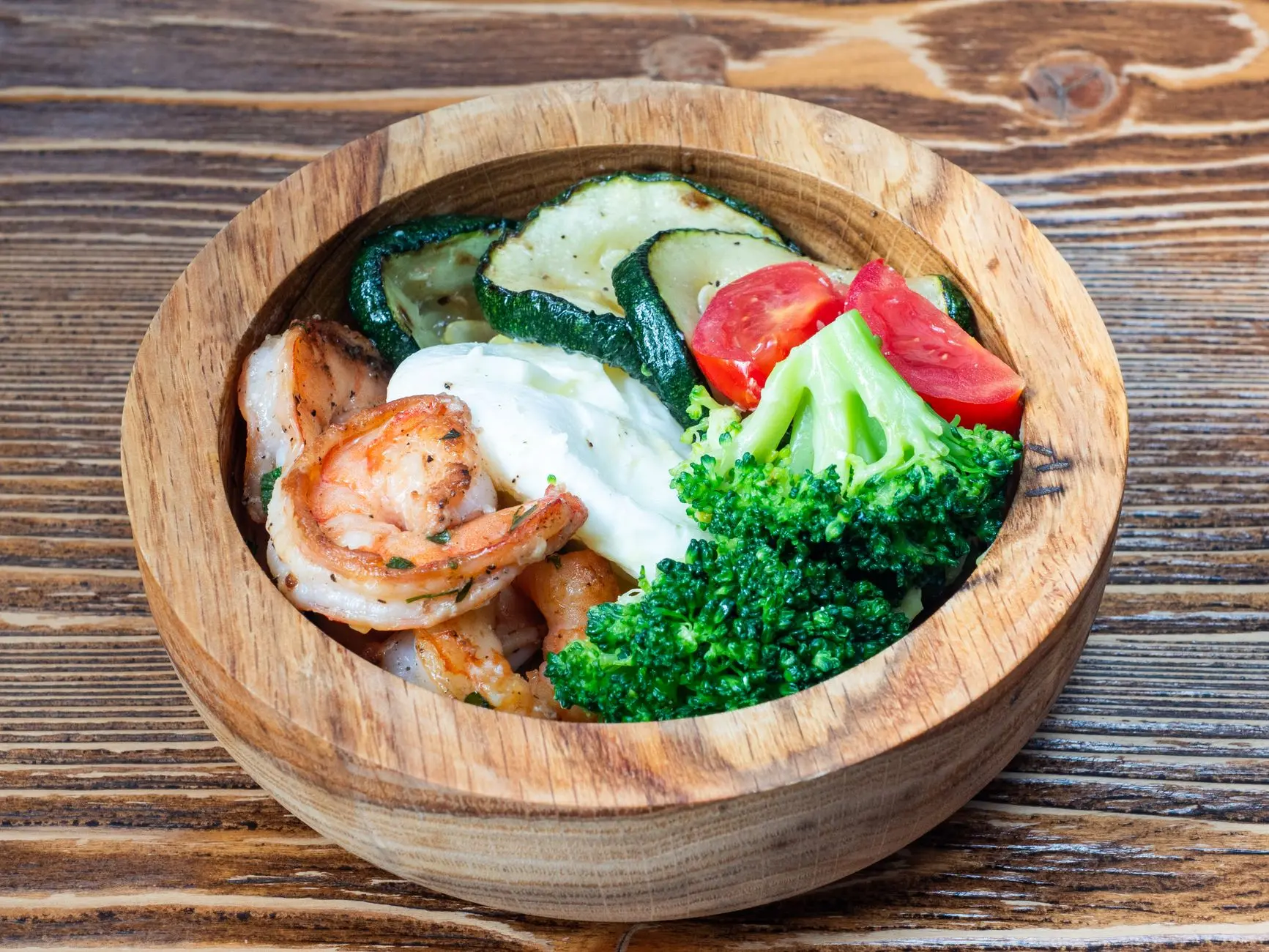
A table like that one rewards density and says nothing about how much of each food you would realistically eat, which is the main limitation of ranking foods with low carbs and high fiber this way.
Nobody eats 100 grams of flaxseed. A usual serving is one or two tablespoons, around 10 to 20 grams. Meanwhile 100 grams of spinach is a modest side and 200 grams is an ordinary salad. So the ranking tells you which foods are efficient, and portion size tells you which ones actually move your daily total. Both matter, and using only one of them is how people end up with a diet of seeds and no vegetables, or a diet of vegetables that never reaches the fiber target.
Vegetables are for volume, not for fiber density
Broccoli and cauliflower sit at the bottom of that ranking, which surprises people, and it is worth being precise about what it means. It does not mean they are poor foods. It means they are not efficient fiber sources per gram.
Their advantage is volume. You will happily eat 200 grams of broccoli and barely notice it, where 200 grams of flaxseed is unthinkable. At a realistic portion, broccoli contributes around 5 grams of fiber for 8 grams of net carbs, which is a perfectly reasonable trade. Leafy greens are better still, since spinach is mostly water and you can eat a large bowl for very little carbohydrate.
The practical approach is to use both. Seeds for fiber density, vegetables for volume and for everything else they carry.
The two kinds of fiber behave differently
Fiber is not one substance, and the foods above do not all do the same job. The distinction is worth understanding because it decides which ones fix which problem.
Soluble fiber dissolves in water and forms a gel. You can watch this happen: stir flaxseed or chia into liquid and within minutes it thickens. That gel softens stool, slows digestion and is the part most associated with feeding gut bacteria and blunting glucose spikes. Insoluble fiber does not dissolve and instead adds bulk, which is what speeds transit through the bowel. Vegetables lean toward this type.
Practically, that means seeds and avocado do more for stool softness and blood sugar, while vegetables do more for bulk and regularity. If your problem is hard stools, leaning harder on the gel-forming foods usually helps faster than eating more broccoli. If things are simply slow, bulk matters more. Most people need both, which is another argument against picking a single winner from the table.
How much fiber you are actually aiming for
The National Institute of Diabetes and Digestive and Kidney Diseases puts the adult target at 22 to 34 grams a day depending on age and sex. Most people eating low carb fall well short of that, because the usual fiber sources, bread, oats, beans and fruit, are the first things a low-carb diet removes.
A day built from foods with low carbs and high fiber can close that gap without much trouble. Two tablespoons of ground flaxseed, half an avocado, a large spinach salad, a portion of broccoli and a handful of blackberries will put you somewhere in the twenties for fiber while keeping net carbs modest.
Worth knowing if you are increasing fiber to fix something: a 2022 meta-analysis in the American Journal of Clinical Nutrition found that fiber supplementation only beat control for response to treatment at doses above 10 grams per day, and that stool frequency improved only in trials lasting four weeks or more. Small increases and short trials do very little. Our guide to high-fiber foods for constipation goes into that evidence properly.
The mistake that makes this worse
Adding fiber without adding fluid is the classic error, and it is more likely on a low-carb diet because these diets are already dehydrating in the first weeks. Fiber works by holding water. Without enough of it, more fiber makes stools harder rather than softer, which is the opposite of what you wanted. Our water intake calculator gives you a sensible target to pair with the change.
Increase gradually too. Going from very little fiber to 30 grams overnight produces gas and bloating that most people blame on the food rather than the speed of the change. Add one new source every few days.
Why this matters beyond the bathroom
Fiber is not only about bowel regularity. It feeds gut bacteria, slows glucose absorption, and improves satiety, which is relevant if low-carb eating is part of a weight or blood-sugar strategy. If insulin resistance is the reason you are eating this way, our guide to foods for insulin resistance covers the overlapping territory.
For women in midlife there is an extra consideration. Constipation becomes more common with age and is reported more often by women, so a low-carb diet that strips fiber out can turn a mild tendency into a daily problem. That is a reason to plan the fiber deliberately rather than assume vegetables will cover it.
There is also a reason to prefer whole foods with low carbs and high fiber over fiber supplements where you can. Seeds, avocado and greens bring magnesium, potassium, folate and fats along with the fiber, none of which a psyllium capsule provides. Supplements are a reasonable backstop when the food side genuinely will not reach the target, rather than the first move.
Building foods with low carbs and high fiber into meals
The simplest approach is one high-fiber anchor per meal rather than a wholesale redesign. Ground flaxseed into breakfast eggs or yoghurt, avocado at lunch, a large green salad and a seed-topped vegetable side at dinner. That alone gets most people from a low-carb fiber intake in single figures to the low twenties.
If you would rather work from finished plates than individual foods, our meal guides use most of these staples, and the ideas in our high protein low carb meal plan pair naturally with the fiber sources above, since protein and fiber together are what make a low-carb meal actually filling.
Frequently asked questions
What food has the most fiber and the least carbs?
Flaxseed, by a wide margin. USDA figures give it 27.3 grams of fiber per 100 grams against only 1.6 grams of net carbohydrate, a ratio of about 17 to 1. Chia seeds have more total fiber at 34.4 grams but also 7.7 grams of net carbs, so per gram of carbohydrate flaxseed returns nearly four times as much fiber.
What are net carbs and why subtract fiber?
Net carbs are total carbohydrate minus fiber. Fiber is a carbohydrate your body cannot digest, so it passes through largely intact and does not raise blood sugar the way digestible carbohydrate does. This is why a food can be 42% carbohydrate by weight, as chia seeds are, and still count as low carb once the fiber is subtracted.
Why is broccoli ranked below seeds if it is high in fiber?
Because the ranking measures fiber per gram of net carbohydrate, not fiber per portion. Broccoli is an efficient food in practice because you can eat a large serving of it, contributing around 5 grams of fiber for 8 grams of net carbs. Seeds win on density, vegetables win on volume, and a sensible low-carb diet uses both.
How much fiber do I need on a low-carb diet?
The same as anyone else, 22 to 34 grams a day for adults according to the NIDDK, depending on age and sex. Low-carb eaters commonly fall short because bread, oats, beans and fruit are the first foods removed. Two tablespoons of ground flaxseed, half an avocado, a large spinach salad and some berries will get most people into the twenties.
Why does adding fiber sometimes make constipation worse?
Almost always because fluid intake did not rise with it. Fiber works by absorbing water, so more fiber with the same fluid produces harder stools, not softer ones. This is more likely on a low-carb diet, which is dehydrating in the early weeks. Increase fiber gradually and raise fluid at the same time.
Sources
- FoodData Central food composition database. United States Department of Agriculture, 2026
- Eating, Diet, and Nutrition for Constipation. National Institute of Diabetes and Digestive and Kidney Diseases (NIDDK), 2024
- The Effect of Fiber Supplementation on Chronic Constipation in Adults: An Updated Systematic Review and Meta-Analysis of Randomized Controlled Trials. American Journal of Clinical Nutrition, 2022
This article is general health information for adults and not medical advice. It does not know your history, your medication or your results. For a decision about your own health, talk to a doctor or another qualified clinician who does.