

Search for foods for hormone balance women and you get the same list every time: salmon, broccoli, flaxseed, dark chocolate. The lists rarely tell you how much, how often, or whether any of it was tested in actual women. This guide keeps the foods that have real evidence behind them, gives you the doses researchers used, and says plainly where the science runs out.
Here is the honest starting point. Food shapes the hormones that respond to what you eat, mainly insulin and, to a smaller degree, the estrogen your gut helps clear. It does not reset a thyroid problem, treat polycystic ovary syndrome on its own, or replace the estrogen that drops in menopause. If your periods changed suddenly, you are losing hair in clumps, or your energy fell off a cliff, that is a reason to get tested, not to eat more kale. With that said, the foods for hormone balance women benefit from most are specific, and the amounts matter.
What food can and cannot do for your hormones

Three hormone systems respond to meals. The first is insulin, which rises every time you eat carbohydrate and falls between meals. Steady blood sugar means steadier insulin, and that influences appetite, energy, and the androgen levels behind acne and unwanted hair. The second is the group of sex hormones, chiefly estrogen, which the liver and gut bacteria break down and send out through stool. The third is cortisol, the stress hormone, which food affects less directly than caffeine, alcohol, and sleep do.
What food cannot do is worth saying out loud. No eating pattern corrects an underactive thyroid, and no single meal reverses the estrogen decline of menopause. If you have clear signs of a hormone imbalance, diet is a support, not a substitute for testing. The strongest food evidence sits with blood sugar, which is why what you eat for insulin resistance overlaps so much with what follows. Keep that order in mind: the foods for hormone balance women gain the most from are the ones that steady blood sugar first, and everything else is a smaller adjustment on top.
Protein first: the number most women miss after 40
Muscle falls with age, and it falls faster once estrogen drops in perimenopause. Protein is what slows that loss, and it is also the most filling of the three macronutrients, which steadies the appetite swings that come with changing hormones. The baseline recommendation is about 0.8 grams of protein per kilogram of body weight, but that number was set to prevent deficiency, not to protect muscle in a woman of 50. Research in older women points higher, closer to 1.1 to 1.2 grams per kilogram, spread across the day rather than loaded into dinner.
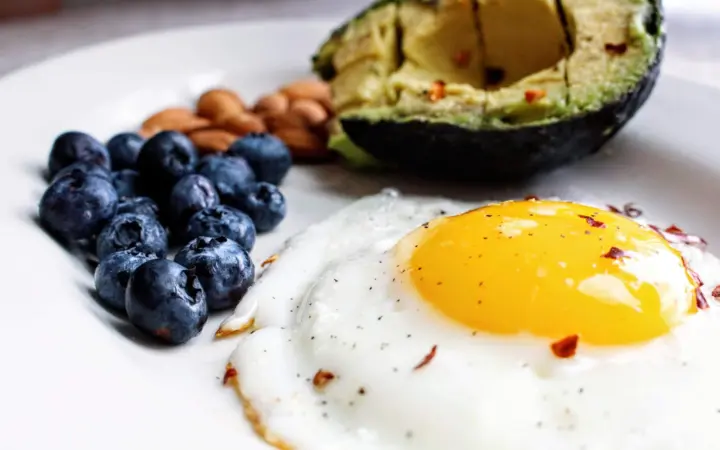
In practice that means a palm of protein at each meal: eggs or Greek yogurt at breakfast, fish or beans at lunch, poultry, tofu, or lentils at dinner. As a rough guide, three eggs give about 18 grams, a cup of Greek yogurt about 18 to 20 grams, and a palm of chicken, fish, or firm tofu lands somewhere around 25 grams, so hitting a daily target is more about not skipping protein at breakfast than about eating huge amounts. If you want your own number instead of a guess, the protein intake calculator works it out from your weight. For a breakfast that actually reaches the number, these high protein breakfast recipes are a starting point.
Fiber and cruciferous vegetables: the blood sugar and estrogen link
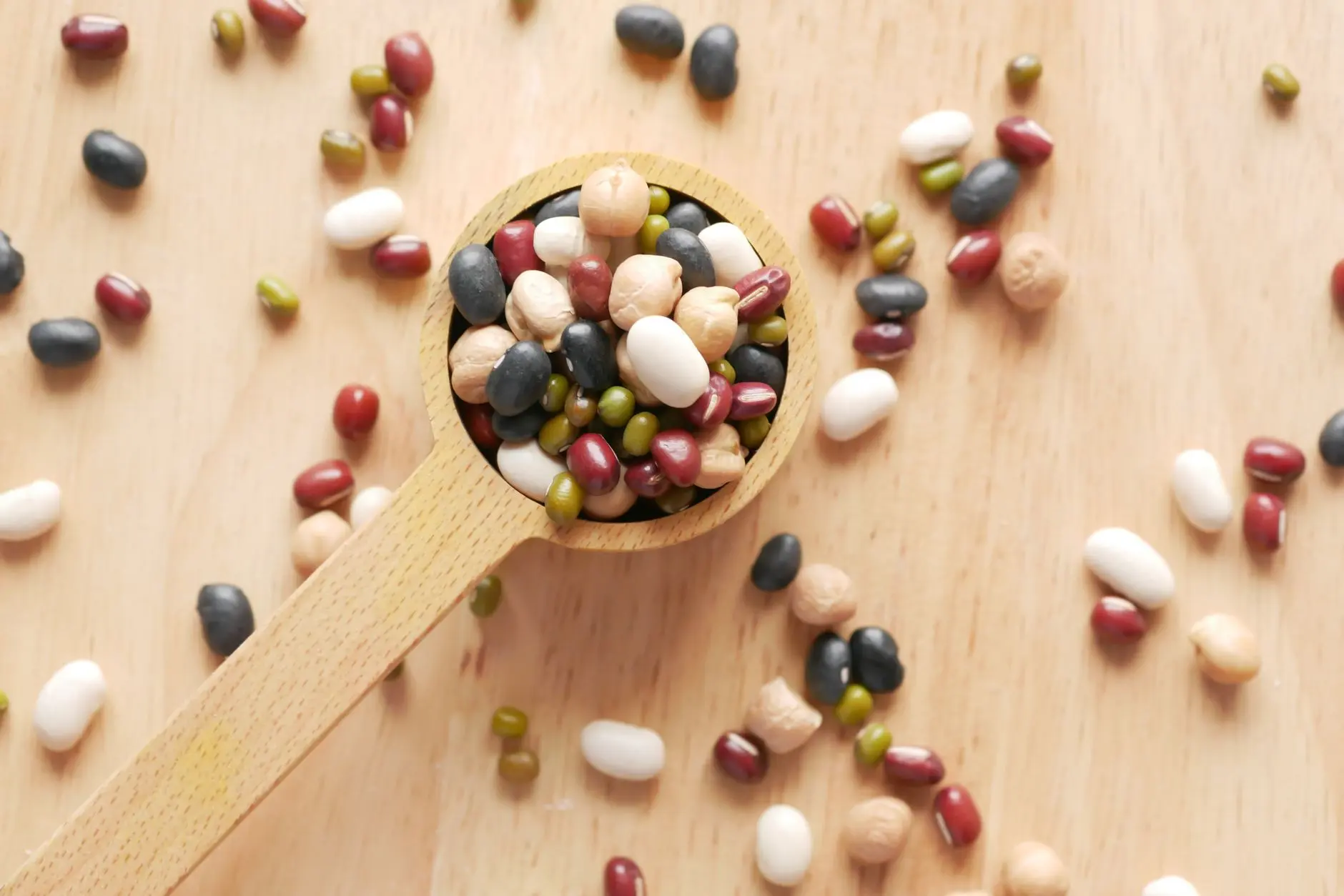
Fiber does two useful things for hormones. It slows the rise in blood sugar after a meal, which keeps insulin from spiking, and it binds some of the estrogen the liver sends into the gut so more of it leaves the body instead of being reabsorbed. Most women eat well under the roughly 25 grams a day that guidelines suggest. Beans, lentils, oats, berries, and vegetables are the easiest way to close that gap. Spread the fiber across meals rather than eating it in one big hit, which is easier on digestion and keeps blood sugar steadier through the day.
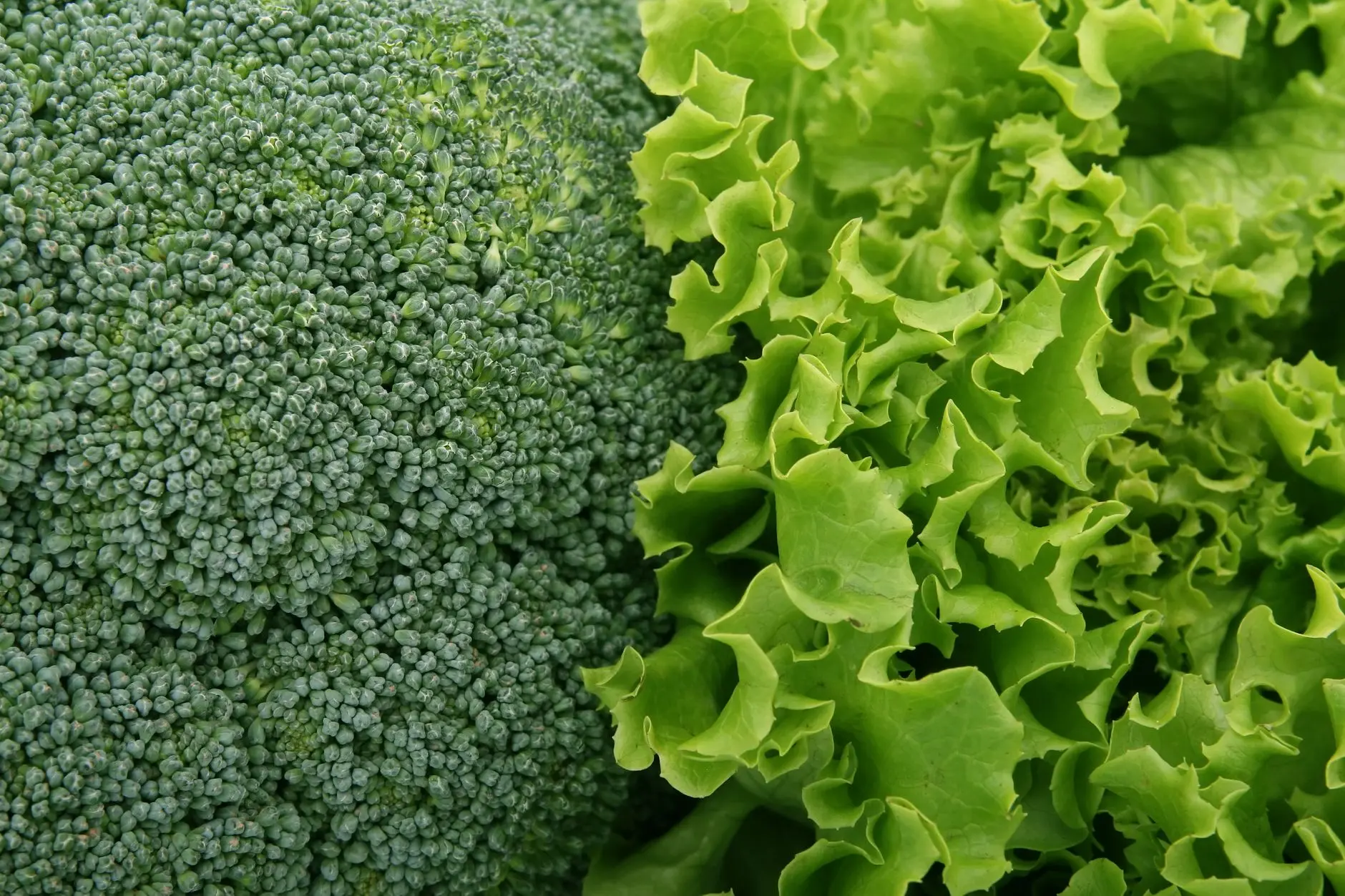
Cruciferous vegetables, meaning broccoli, cabbage, cauliflower, and Brussels sprouts, get singled out for estrogen because they contain compounds the body turns into indole-3-carbinol. The catch the glossy lists skip is that most of that evidence comes from concentrated supplements and laboratory work, not from eating broccoli at dinner. Eat them because they are high in fiber and nutrients, not because a plate of them will shift your estrogen in a way you could measure. If you track your cycle, the same vegetables show up in what to eat during your period and around ovulation.
Soy and flaxseed: phytoestrogens with the real effect sizes
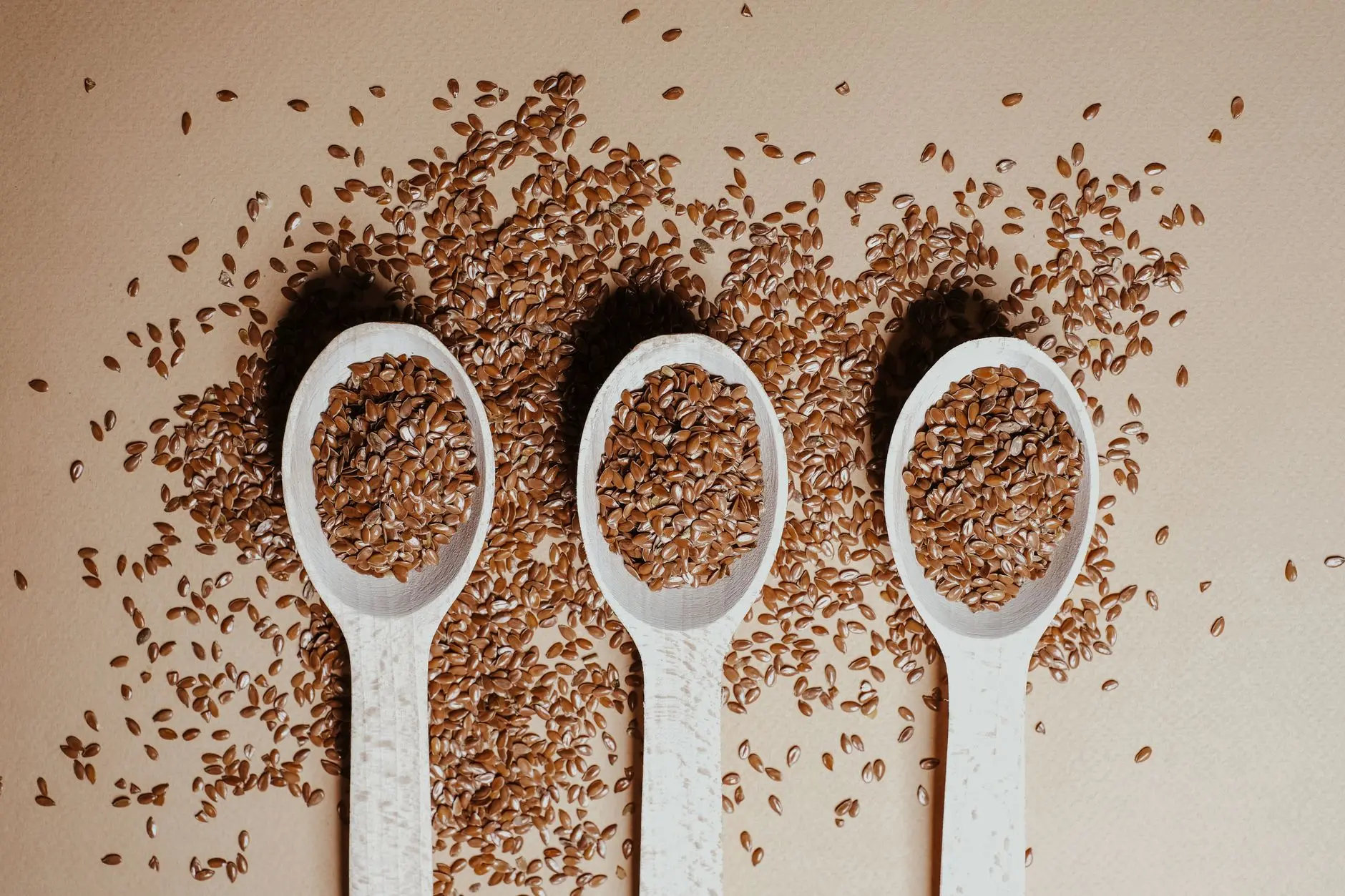
Soy and flaxseed contain phytoestrogens, plant compounds weak enough to nudge estrogen receptors without acting like the real thing. Soy is the one with the better record. A meta-analysis of 19 randomized trials found that soy isoflavones, at a median dose of 54 milligrams a day, cut hot flash frequency by about 20.6 percent and severity by about 26.2 percent compared with placebo over 6 weeks to 12 months. That is a real effect, though a modest one, and it took months, not days. Two to three servings of whole soy a day, such as edamame, tofu, tempeh, or soy milk, gets you into that range.
Flaxseed is where the popular advice gets ahead of the data. A randomized trial in 188 postmenopausal women gave one group a bar providing 410 milligrams of lignans, the flax compound credited with balancing estrogen, and the other group a placebo bar. After 6 weeks the flaxseed group did no better than placebo for hot flashes. Flaxseed is still worth eating for its fiber and its fats, but not as a hot flash fix. For a fuller look at the pills marketed for this, see what the evidence says about hormone balancing supplements.
The minerals that matter: calcium, magnesium, and iron
Three minerals do real work during the hormonal shifts of the 40s and 50s, and food is the best way to get them.
Calcium matters because estrogen protects bone, and when estrogen falls after menopause bone loss speeds up to about 1 percent a year. The target rises with it: 1,000 milligrams a day for women up to 50, and 1,200 milligrams a day after 50. Dairy, fortified plant milks, tinned fish with bones, and leafy greens carry it.
Magnesium is tied to sleep, mood, and blood sugar control, and many women fall short. The recommended amount is 320 milligrams a day for adult women. Pumpkin seeds, black beans, spinach, and dark chocolate at 70 percent cocoa or higher are dense sources.
Iron is the one that flips at menopause. While you are still bleeding each month the target is 18 milligrams a day, but once periods stop for good it drops to 8 milligrams, and pushing iron past that point does no good. If your periods are heavy, getting enough iron from food is a real concern, and it is covered in iron rich foods for heavy periods.
What to cut back on, and why
The foods that work against hormone balance are less about a single villain and more about patterns. Added sugar and refined carbohydrate drive the sharp insulin swings that make energy, mood, and skin worse, and they do the most damage eaten alone rather than with protein or fat. Alcohol is the other big one: it raises estrogen, breaks up sleep, and for many women makes hot flashes and night sweats worse. Caffeine does not deserve its reputation as a hormone wrecker, but a large afternoon coffee can lift cortisol and ruin the sleep your hormones depend on. None of these has to be banned. The goal is less, and not on an empty stomach. Cutting them back matters as much as adding the foods for hormone balance women are told to eat.
Building a plate: foods for hormone balance women can use every day
The plan is simpler than any food list suggests. Build each meal around a palm of protein, fill half the plate with vegetables and some fruit for fiber, add a thumb of healthy fat from olive oil, nuts, or avocado, and keep the starch whole, such as oats, beans, or whole grains rather than the white versions. Across the week, add two to three servings of whole soy, a spoon of ground flax for its fiber, and oily fish twice for omega-3s. The point is repetition, not perfection. Your hormones respond to what you eat most days, so a plate you can cook on a busy weeknight beats an ideal one you only manage at weekends.
A day might look like eggs with spinach and oats at breakfast, a lentil and salmon salad at lunch, and tofu or chicken with broccoli and brown rice at dinner. These are the foods for hormone balance women can actually keep up, because they are meals, not a supplement routine. For ready-made structure, the meals section turns this into a week of plates. The foods for hormone balance women see the most benefit from are the ones they eat every day, not the ones they buy in a bottle.
Frequently asked questions
Can food really balance your hormones?
Food has the most effect on insulin, the hormone that responds directly to what you eat, and a smaller effect on how your body clears estrogen. It will not correct a thyroid condition or replace the estrogen lost in menopause. Think of the foods for hormone balance women rely on as support for steady blood sugar and good nutrition, not as a treatment for a diagnosed hormone problem.
What are the best foods to balance hormones in women?
Protein at every meal, plenty of fiber from beans, oats, and vegetables, two to three servings of whole soy a week, oily fish for omega-3s, and foods rich in calcium, magnesium, and iron. The amounts matter more than the exact food, so aim for a palm of protein and half a plate of vegetables at each meal.
How long does it take for diet to affect hormones?
Blood sugar and insulin respond within days of steadier meals. The soy evidence for hot flashes took 6 weeks to several months to show up, so give any change at least that long before you judge whether it worked.
Should I take supplements instead of changing my diet?
Whole foods beat pills for this. Flaxseed supplements did no better than placebo for hot flashes in a controlled trial, and most marketed hormone pills have thin evidence. Food gives you the fiber, protein, and minerals that a single supplement leaves out.
Sources
- Calcium: Fact Sheet for Health Professionals. NIH Office of Dietary Supplements, 2024
- Magnesium: Fact Sheet for Health Professionals. NIH Office of Dietary Supplements, 2022
- Iron: Fact Sheet for Health Professionals. NIH Office of Dietary Supplements, 2024
- Extracted or synthesized soybean isoflavones reduce menopausal hot flash frequency and severity: systematic review and meta-analysis of randomized controlled trials. Menopause (Taku K, et al.), 2012
- A phase III, randomized, placebo-controlled, double-blind trial of flaxseed for the treatment of hot flashes: North Central Cancer Treatment Group N08C7. Menopause (Pruthi S, et al.), 2012
This article is general health information for adults and not medical advice. It does not know your history, your medication or your results. For a decision about your own health, talk to a doctor or another qualified clinician who does.