
 Lifestyle
 Food & Nutrition
 Fitness
If PCOS is behind your insulin resistance, our guide to the best diet for PCOS weight loss goes deeper on the eating pattern that helps this specific pattern.
Foods for insulin resistance without diabetes are not the same list your doctor hands out for prediabetes, mostly because insulin resistance without diabetes rarely gets a list at all. You did the bloodwork. Your fasting glucose came back in the normal range. Your A1C was fine. And yet you still have the fatigue after meals, the stubborn midsection weight, the sugar cravings two hours after breakfast, and a nagging feeling that something metabolic is off. If a doctor ran a fasting insulin test or calculated your HOMA-IR score, the picture might look very different from what a glucose panel alone can show.
This is a more common gap than most people realize. Standard diabetes screening checks blood glucose and average blood sugar over three months, not the amount of insulin your pancreas is pumping out to keep that glucose normal in the first place. Someone can maintain textbook blood sugar for years while their insulin output climbs quietly in the background, a pattern researchers call compensated insulin resistance. The foods that help in this situation are not identical to a generic diabetic diet, because the goal is different: lowering the insulin your body needs to release, not just keeping glucose inside a range it may already be hitting.
This guide breaks down what to eat, what to limit, and how to build meals around insulin output rather than blood sugar alone, plus how to ask for the right test if your provider has only ever ordered a glucose panel.
Why “Normal” Blood Sugar Doesn’t Rule Out Insulin Resistance
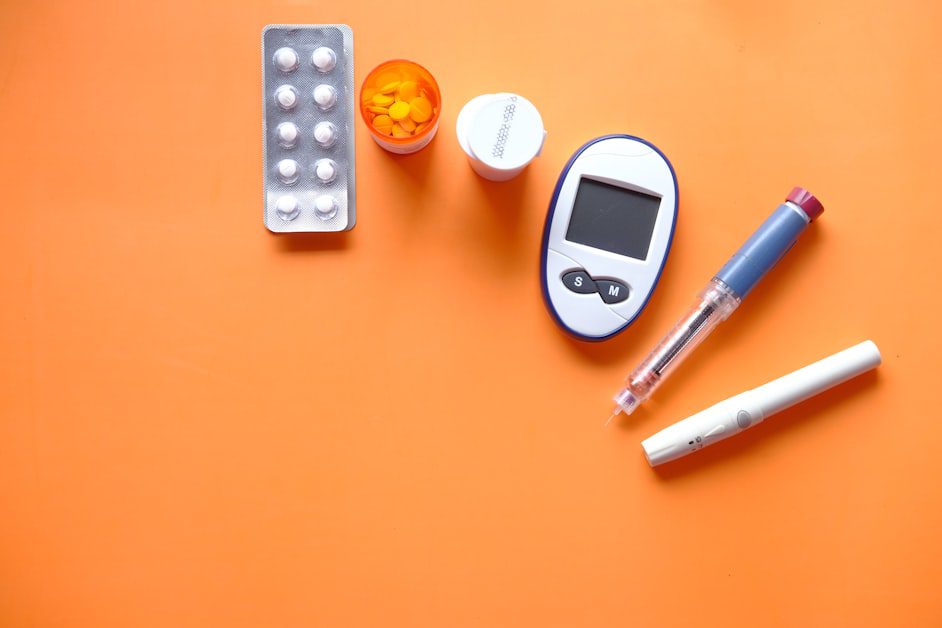
Fasting glucose and A1C are the two tests most primary care visits rely on, and both measure the downstream result of insulin resistance, not the resistance itself. According to the National Institute of Diabetes and Digestive and Kidney Diseases (NIDDK), health care professionals may not test for insulin resistance directly, since the dedicated test for it is used mainly in research settings, and the agency also notes that in people with certain health conditions the A1C test can miss prediabetes altogether. In practice, that means a person can have elevated fasting insulin, a HOMA-IR score above the normal reference range, and clear symptoms of insulin resistance, while every number on a standard metabolic panel still reads “within normal limits.”
The CDC’s guidance on A1C testing confirms the same limitation from the testing side: if your A1C comes back normal, the recommendation is simply a re-testing schedule based on age and risk factors, not a deeper look at insulin output. That is a reasonable protocol for catching prediabetes at a population level, but it is not designed to catch the earlier phase where your pancreas is compensating hard and your glucose numbers still look reassuring.
This is exactly why foods for insulin resistance without diabetes need a different framework than a standard prediabetes diet sheet. You are not managing high blood sugar. You are trying to reduce how much insulin your meals demand in the first place.
The Best Foods for Insulin Resistance Without Diabetes Start With Protein

Protein has the smallest acute effect on blood glucose of the three macronutrients, but it is not insulin-neutral. What matters more for insulin resistance without diabetes is which protein sources come attached to fiber, healthy fat, and minimal processing, because those combinations blunt the total insulin response to a meal even when the protein itself triggers some insulin release.
Useful choices for anyone building meals around foods for insulin resistance without diabetes include:
- Eggs – virtually no impact on blood glucose and a mild, steady insulin response when eaten with vegetables rather than toast alone.
- Fatty fish like salmon, sardines, and mackerel – the omega-3 content is associated with improved insulin sensitivity over time, not just a favorable single-meal response.
- Plain Greek yogurt or cottage cheese – higher protein per calorie than flavored versions, without the added sugar that spikes insulin on top of the dairy’s own insulin index.
- Legumes – lentils, chickpeas, and black beans combine plant protein with resistant starch and fiber, which slows the insulin response compared to refined carbohydrates.
- Poultry and lean cuts of beef or pork – useful anchors for a plate, especially paired with non-starchy vegetables instead of rice or bread.
A quick-reference list like our high protein snacks under 300 calories guide is a practical way to keep insulin-friendly options on hand between meals instead of reaching for something carbohydrate-heavy when hunger hits, which matters just as much for foods for insulin resistance without diabetes as the main meals do.
Fiber-Forward Carbohydrates That Blunt the Insulin Response
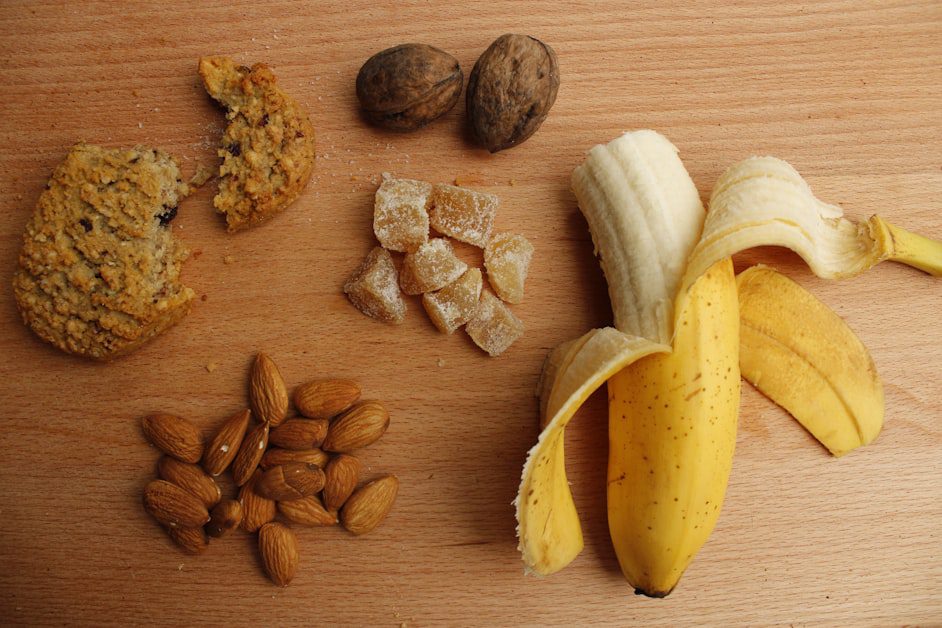
Cutting carbohydrates entirely is not necessary when you are eating for insulin resistance without diabetes, and for many people it is not sustainable long term. The more useful lever is fiber, particularly soluble fiber and resistant starch, both of which slow glucose absorption and reduce the total amount of insulin the pancreas needs to release for the same meal.
Foods worth building meals around include oats, barley, chia seeds, ground flaxseed, berries, apples with the skin on, cooked and cooled potatoes or rice (cooling starch after cooking increases its resistant starch content), lentils, and cruciferous vegetables like broccoli and cauliflower. Non-starchy vegetables in general are close to a free pass here, since their carbohydrate density is low enough that the insulin demand is minimal even in large portions.
If fiber intake has historically been low, a gradual approach matters more than an aggressive one. Our fibermaxxing guide walks through how to raise fiber intake without the bloating and digestive discomfort that comes from doubling it overnight, which is a common reason people abandon a higher-fiber approach to insulin resistance within the first week.
Fats and Meal Pairings That Support Insulin Sensitivity
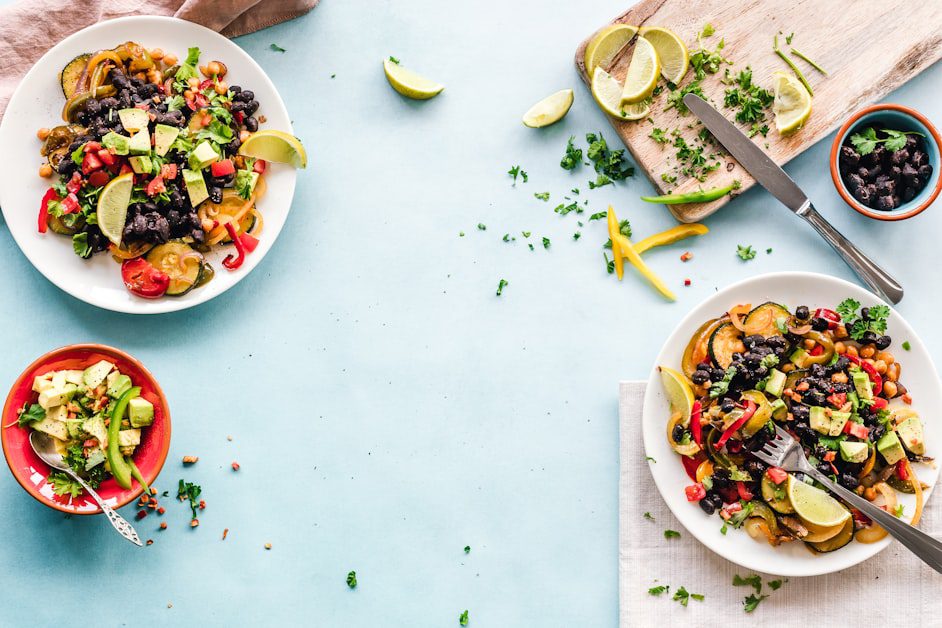
Dietary fat itself has almost no direct effect on insulin, but the type of fat and how it is paired with carbohydrate both influence insulin resistance over time. For anyone assembling a list of foods for insulin resistance without diabetes, diets higher in monounsaturated and omega-3 fats, such as olive oil, avocado, nuts, seeds, and fatty fish, are consistently associated with better insulin sensitivity than diets higher in refined seed oils and saturated fat from processed meat.
The more immediately useful strategy, though, is pairing. Adding a source of fat or protein to a carbohydrate-containing meal slows gastric emptying and flattens the insulin spike that carbohydrate would otherwise cause on its own. A plain bowl of oatmeal produces a sharper insulin response than the same oatmeal with chia seeds, walnuts, and a spoonful of nut butter stirred in. This is also where hormone-adjacent eating patterns intersect with insulin resistance without diabetes, since excess circulating estrogen can worsen insulin sensitivity in some women. If that overlap sounds familiar, our guide to foods that reduce estrogen dominance covers many of the same fat and fiber principles from a hormonal angle.
Meal Timing Habits That Keep Insulin Elevated All Day
How often you eat matters almost as much as what you eat when insulin, not just glucose, is the target. Every time food enters the body, insulin is released, even for small snacks that barely move a glucose reading. Someone who eats six small meals and snacks throughout the day may keep their blood sugar technically stable while keeping insulin elevated for nearly the entire waking day, which is the opposite of what foods for insulin resistance without diabetes are supposed to achieve.
A few timing habits tend to help most people in this situation: building meals with enough protein, fat, and fiber that three meals genuinely satisfy hunger instead of requiring snacks every two hours, front-loading protein at breakfast rather than starting the day with cereal or pastries, and allowing at least four hours between meals when possible so insulin has time to fall between eating windows. A protein-forward start to the day sets the tone; our anti-inflammatory breakfast ideas collection includes several options built around eggs, fiber, and healthy fat rather than refined carbohydrate.
Foods That Look Healthy But Still Spike Insulin
Several foods marketed as diet-friendly or clean eating staples carry a surprisingly high insulin response, which is part of why a generic “eat healthy” approach does not always resolve insulin resistance without diabetes on its own.
- Flavored yogurts and protein bars – many contain more added sugar per serving than a candy bar, hidden behind a health halo.
- Fruit juice and smoothies – removing the fiber matrix from fruit turns a slow-digesting food into a fast one, spiking insulin closer to the rate of soda.
- Rice cakes and low-fat crackers – refined carbohydrate with almost no fiber, fat, or protein to slow absorption.
- Granola – often higher in added sugar and lower in protein than the oats it is made from.
- Dried fruit – concentrated natural sugar in a small volume makes portion control difficult and the insulin response sharp.
None of these foods need to be eliminated permanently when you are managing foods for insulin resistance without diabetes. The point is recognizing that “low fat” or “all natural” labeling says nothing about insulin impact, and that pairing these foods with protein or fat, or simply eating smaller portions less often, matters more than the marketing on the package.
A Sample Day of Eating for Insulin Resistance Without Diabetes
Structure matters more than any single food when you put foods for insulin resistance without diabetes into practice. Here is one way to organize a full day around lowering insulin demand rather than just watching blood sugar:
Breakfast: Two or three eggs with sauteed spinach and half an avocado, or plain Greek yogurt with chia seeds, walnuts, and berries.
Lunch: A large plate of leafy greens and non-starchy vegetables topped with grilled chicken or salmon, olive oil, and a small serving of lentils or quinoa.
Afternoon: A handful of nuts, a hard-boiled egg, or plain cottage cheese if hunger genuinely calls for it, rather than a default snack out of habit.
Dinner: Lean protein, a generous portion of roasted or steamed vegetables, and a modest serving of a fiber-rich starch such as sweet potato or cooked-and-cooled brown rice.
The common thread across all four meals is the same: protein and fiber anchoring every plate, refined carbohydrate kept to small side portions rather than the base of the meal, and enough total food at each sitting that snacking becomes optional instead of necessary.
When to Ask for a Fasting Insulin Test, Not Just a Glucose Test
If your glucose and A1C have come back normal but you still have symptoms consistent with insulin resistance, such as stubborn abdominal weight gain, energy crashes after carbohydrate-heavy meals, skin tags, or a family history of type 2 diabetes, it is reasonable to specifically ask your provider for a fasting insulin level alongside your fasting glucose. The two numbers together allow a HOMA-IR calculation, which can flag insulin resistance well before glucose or A1C move out of range. As the NIDDK notes, this test is not part of routine screening, so it typically only happens if you ask for it directly or if a provider is specifically investigating a hormonal or metabolic concern such as PCOS.
Bring a specific ask to the appointment rather than a general symptom list. Requesting “a fasting insulin level and HOMA-IR calculation” is a concrete, answerable request that a standard lab panel can usually accommodate in the same blood draw as glucose and A1C, and it is the single most useful step for confirming whether you actually need foods for insulin resistance without diabetes or a different plan entirely.
Frequently Asked Questions About Foods for Insulin Resistance Without Diabetes
Can you have insulin resistance with completely normal blood sugar?
Yes. Insulin resistance develops before glucose numbers rise, because the pancreas compensates by producing more insulin to keep blood sugar in range. Glucose and A1C can stay normal for years during this compensated phase, which is why foods for insulin resistance without diabetes focus on lowering insulin demand rather than just watching blood sugar.
What foods should I avoid if I have insulin resistance but not diabetes?
Refined carbohydrates eaten on their own, sugary drinks and fruit juice, and heavily processed low-fat snack foods tend to produce the sharpest insulin spikes. These foods are not necessarily off-limits forever, but pairing them with protein, fat, or fiber, or eating smaller portions less often, reduces their impact.
Is intermittent fasting necessary for insulin resistance without diabetes?
No. Meal timing that reduces snacking frequency and allows gaps between meals can help lower insulin exposure over the day, but a structured fasting protocol is a personal choice, not a requirement. Three well-built meals with adequate protein and fiber accomplish much of the same goal for most people.
How is insulin resistance without diabetes diagnosed if glucose tests look normal?
A fasting insulin test combined with fasting glucose allows a HOMA-IR calculation, which can identify insulin resistance before glucose or A1C move out of the normal range. This test is not part of routine screening, so it usually requires directly asking a provider to order it.
Will eating better for insulin resistance also help with weight?
Often, yes, since high circulating insulin promotes fat storage and can make weight loss harder even in a calorie deficit. Lowering insulin demand through protein, fiber, and meal spacing frequently makes weight management easier as a secondary effect, though weight loss itself is not the primary goal of this approach.
Foods for Insulin Resistance Without Diabetes: The Bottom Line
A normal glucose panel and a normal A1C do not automatically mean your metabolic health is fine, and foods for insulin resistance without diabetes exist precisely for the gap between those two facts. The goal is not stricter blood sugar control, since your blood sugar may already look fine on paper. The goal is reducing how much insulin your meals demand: protein and fiber anchoring every plate, fat paired with carbohydrate instead of eaten alone, fewer snacks spread across fewer hours of the day, and a willingness to ask your provider for a fasting insulin test if your symptoms and your labs do not seem to match. Small, consistent changes to how meals are built tend to matter more here than any single “superfood,” and most of the changes above can be layered into an existing way of eating without an overhaul.
Related Articles
- How to Lose Weight with Insulin Resistance: What Actually Works
- Foods to Eat With MTHFR Mutation: What Science Says
- Iron Rich Foods for Heavy Periods: What Actually Absorbs
This article is for informational purposes only and is not a substitute for professional medical advice, diagnosis, or treatment. Always consult a qualified healthcare professional about your individual symptoms, lab results, and before making changes to your diet, especially if you have or suspect a metabolic or hormonal condition.
Get the exact numbers for your body
Answer 7 quick questions and get your calorie target, protein goal and a plan that fits how you actually live. Takes 2 minutes, completely free.
Build my free plan →2 minutes · Free · No card neededFree tools from Just Health Life
Macro CalculatorProtein Intake CalculatorAll 24 calculators →Educational content, not medical advice. See our medical disclaimer and editorial policy.




Right here is the perfect web site for anybody who wishes to understand this
topic. You realize a whole lot its almost tough to argue with you (not that I
actually will need to…HaHa). You certainly put a new spin on a
subject that has been discussed for ages. Excellent stuff,
just excellent!
Do you have a spam issue on this site; I also am a blogger, and I was curious about your
situation; we have developed some nice procedures and we are looking to trade
methods with other folks, be sure to shoot me an e-mail if interested.
I like reading a post that can make people think.
Also, thank you for allowing for me to comment!
I for all time emailed this blog post page to all my friends, for the reason that if
like to read it afterward my friends will too.
I’m impressed, I must say. Seldom do I come across a blog that’s both educative and amusing, and without
a doubt, you have hit the nail on the head. The issue is something too few men and
women are speaking intelligently about. I am very happy I came across this in my search for something
regarding this.
This specific blog page is unusual. Subject matter similar
to this are basically ignored, if fact be shared. Commonly the highest quality of the Net is not the very most publicly promoted content and articles,
nevertheless rather almost everything other than them, the forgotten about public with blogs that are genuinely far superior as compared
to those of critical influencers. Now this is this type of a blog.
I will lend counsel, possibly even any time not motivated to do it.
Very first is, continue writing. Secondary is, always keep producing consistently.
Lastly is, apply your own blog site to build up your particular presence.
I am definitely not a author per se; I am really a Postnatal Massage Practitioner.
I apply Postpartum Massage Therapy, helping ladies
to recuperate following having a child. It’s worthwhile activity.
That is exactly what I dedicate the majority of of my precious time carrying out, but I have also enjoyed publishing from the period I was young.
I am a well-read person and each calendar year I go
through a pile far higher compared to me personally. rofl In the
subsequent year, maybe I will get really serious
regarding operating a blog. The problem is, it still cannot merely an idea; the activity
of posting and creating consistently tends to make a weblog
develop in some amount of time.
This blog site is alluring. Articles similar to this are usually avoided, if perhaps real truth
be told. More often than not the highest quality of the World wide web is rarely the very
most publicly promoted written content, nevertheless
instead all things otherwise, the pushed aside people with
blogs that are certainly a good deal superior compared with all
those of essential influencers. This is such a blog site.
My partner and I will definitely supply tips, quite possibly whenever not persuaded to do
this. First of all is, always keep posting.
Secondary is, keep writing on a regular basis. Finally is,
use your own personal blogging to improve your individualized approach.
I am possibly not a blogger I guess; I am in reality a Postpartum Massage Therapist.
I perform Postpartum Massage Therapy, helping adult females to recuperate soon after having
a child. It’s satisfying work. That is what I spend most of my time accomplishing, though I have additionally appreciated composing from the period I was younger.
I am a well-read person and each year I go through a bunch far higher when compared
with myself personally. lol In the upcoming four
seasons, it could be I might get really serious in relation to blogging
and site-building. The matter is, it can’t simply just a notion;
the function of authoring and writing routinely makes a blog mature over time.