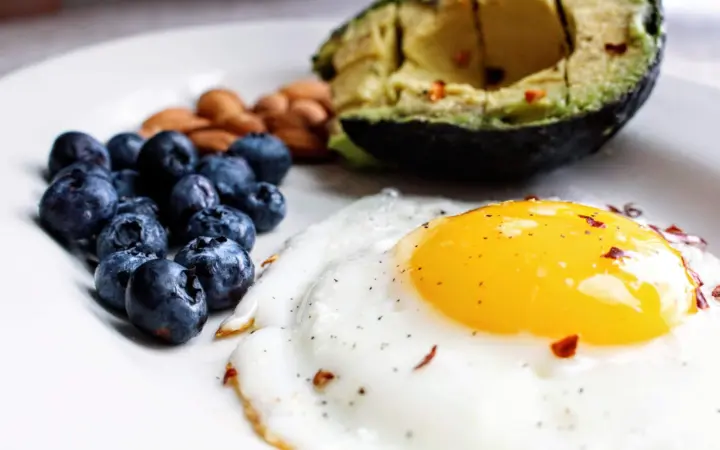


The food to eat for endometriosis flare ups is a different question from what to eat for endometriosis in general, and most articles online blur the two together into one generic anti-inflammatory food list. When pelvic pain, bloating, and fatigue spike for a few days around your period, or seemingly out of nowhere, “eat more vegetables” is not specific enough to actually help. This guide breaks down what to eat during endometriosis flare ups by mechanism instead of by list: why estrogen made locally inside endometriosis lesions keeps the condition self-sustaining, why certain foods trigger the same pain-signaling chemical released by allergic reactions, and why the ratio of two fats in your diet feeds the exact prostaglandin that causes cramping.
None of this replaces medical treatment. Endometriosis is a structural, hormone-driven condition, and diet cannot remove lesions or replace hormonal therapy, surgery, or pain management prescribed by a gynecologist. What diet can do, based on the research below, is reduce the raw material your body uses to manufacture inflammatory and pain-sensitizing chemicals during a flare, and avoid the specific foods most likely to make an active flare worse. Knowing what to eat during endometriosis flare ups, and just as importantly what to scale back, is one of the few tools you have direct control over between doctor visits.
What Actually Happens During an Endometriosis Flare
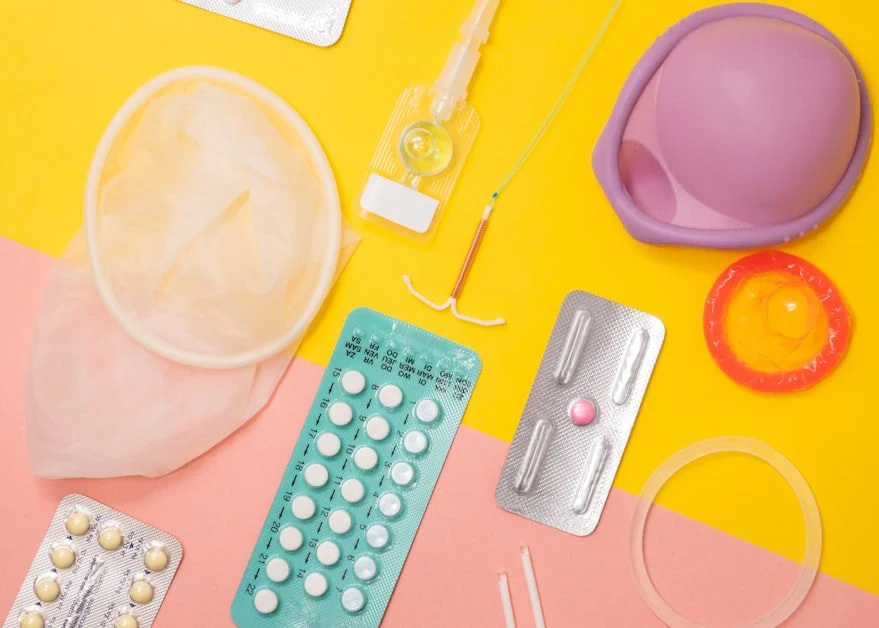
Endometriosis is tissue similar to the uterine lining growing outside the uterus, most often on the ovaries, fallopian tubes, and pelvic lining. According to the Mayo Clinic, risk is higher with elevated estrogen levels in the body, menstrual cycles shorter than 28 days, and periods that are heavy and last longer than seven days, which is why flares so often cluster around menstruation.
A flare is not random. Three processes ramp up together: estrogen produced locally by the lesions themselves rises, immune cells called mast cells release histamine and other pain-sensitizing chemicals, and inflammatory compounds called prostaglandins spike and trigger the same uterine contractions responsible for period cramps, except now happening in tissue that is not supposed to be there. Understanding those three processes is what makes it possible to plan what to eat during endometriosis flare ups strategically instead of guessing from a generic list.
The Estrogen Loop That Diet Alone Cannot Break

Most articles describe endometriosis as “estrogen-dependent” and stop there, as if the only estrogen involved comes from your ovaries. It does not. Endometriotic tissue contains an enzyme called aromatase that is not normally active in healthy uterine lining, and that enzyme lets the lesions manufacture their own estrogen locally, independent of your menstrual cycle.
A peer-reviewed review published on PubMed Central describes the mechanism directly: elevated aromatase activity in endometriotic tissue drives up local estrogen, which stimulates an enzyme called COX-2, which in turn produces elevated levels of prostaglandin E2, which is a potent stimulator of aromatase activity in endometriosis, creating what the researchers describe as a positive feedback loop between a hyperestrogenic environment, inflammation, and cell proliferation. In plain terms, estrogen makes prostaglandin, and that prostaglandin makes more estrogen, inside the lesion itself, running in a loop that a salad cannot switch off.
This is the honest caveat missing from most “endometriosis diet” content: no amount of clean eating stops that local loop. What diet can influence is the raw material available for the prostaglandin side of the loop, which is where the fat you eat and the histamine load you carry both come in, covered next. Reducing systemic estrogen through the liver and gut is still worthwhile alongside this, and our guide to foods that reduce estrogen dominance covers the fiber and cruciferous-vegetable mechanisms that support estrogen clearance through digestion, which is a separate lever from the local aromatase loop but still useful over the course of a month.
Why Histamine-Releasing Foods Can Make a Flare Worse
This is the part almost no endometriosis diet article covers, and it may be the single most useful thing you can act on during an actual flare. Mast cells, the same immune cells responsible for allergic reactions, are present in unusually high numbers inside endometriotic lesions. Research published on PubMed Central found that estrogen has a significant effect on the release of mast cell mediators, which are key factors in the development of pain sensitization in endometriosis, and that histamine released from those mast cells acts directly on H1 receptors on nerve endings, increasing their excitability and the transmission of pain signals.
In other words, the same rise in estrogen driving the aromatase loop above also triggers your mast cells to dump histamine into the surrounding tissue, and that histamine is part of what makes flare pain feel sharper and more widespread than baseline period cramps. This matters at the dinner table because certain foods are naturally high in histamine or trigger your own cells to release more of it, adding to a load your body is already struggling to clear during a flare. Aged cheese, cured and processed meats, fermented foods like sauerkraut and kombucha, leftovers and aged meats, alcohol, particularly red wine and beer, and to a lesser degree spinach, tomatoes, avocado, and citrus all fall into this category.
You do not need to eliminate these foods permanently. The practical approach is to deliberately lower histamine intake for the few days a flare is active, then return to normal eating once symptoms settle. Our detailed breakdown of low histamine foods was written for a different hormonal trigger but the food list itself applies directly here, since the histamine-releasing foods to limit are the same regardless of what is driving the mast cell activation. If you notice migraines, flushing, or a racing heart alongside your flares, it is also worth reading our guide to signs of histamine intolerance in women, since the two conditions frequently overlap.
The Omega-6 to Omega-3 Ratio Behind the Pain
The prostaglandin driving both the aromatase loop and your cramping is not built from nothing. It is manufactured from fat you ate, specifically from omega-6 fatty acids, through an enzyme pathway that converts them into prostaglandin E2 and other inflammatory compounds. Omega-3 fatty acids compete for the same enzyme pathway and produce a much less inflammatory version of the same molecules instead.
A review of nutrition and gynecological disease published on PubMed Central states that foods rich in omega-6 fatty acids, such as red meat, are correlated with higher levels of estradiol and estrone sulfate, which is linked to higher concentrations of steroids, inflammation, and the development of endometriosis, while omega-3 supplementation was associated with decreased growth of endometrial implants and lower production of inflammatory factors. A typical Western diet runs at roughly sixteen parts omega-6 to one part omega-3, heavily skewed toward the inflammatory side of that pathway, largely from vegetable oils, packaged snacks, and grain-fed meat and dairy.
Shifting that ratio does not require eliminating omega-6 entirely, which is an essential fat your body needs. It means deliberately adding more omega-3 sources, fatty fish like salmon, sardines, and mackerel, walnuts, chia seeds, ground flaxseed, and algae-based supplements for anyone who does not eat fish, while cutting back on the vegetable oils, fried food, and processed snacks that are the biggest omega-6 contributors in most diets. This ratio shift is one of the more actionable answers to what to eat during endometriosis flare ups, because unlike the aromatase loop covered above, it is a lever diet genuinely controls.
Food to Eat for Endometriosis Flare-Ups: The Foods That Help
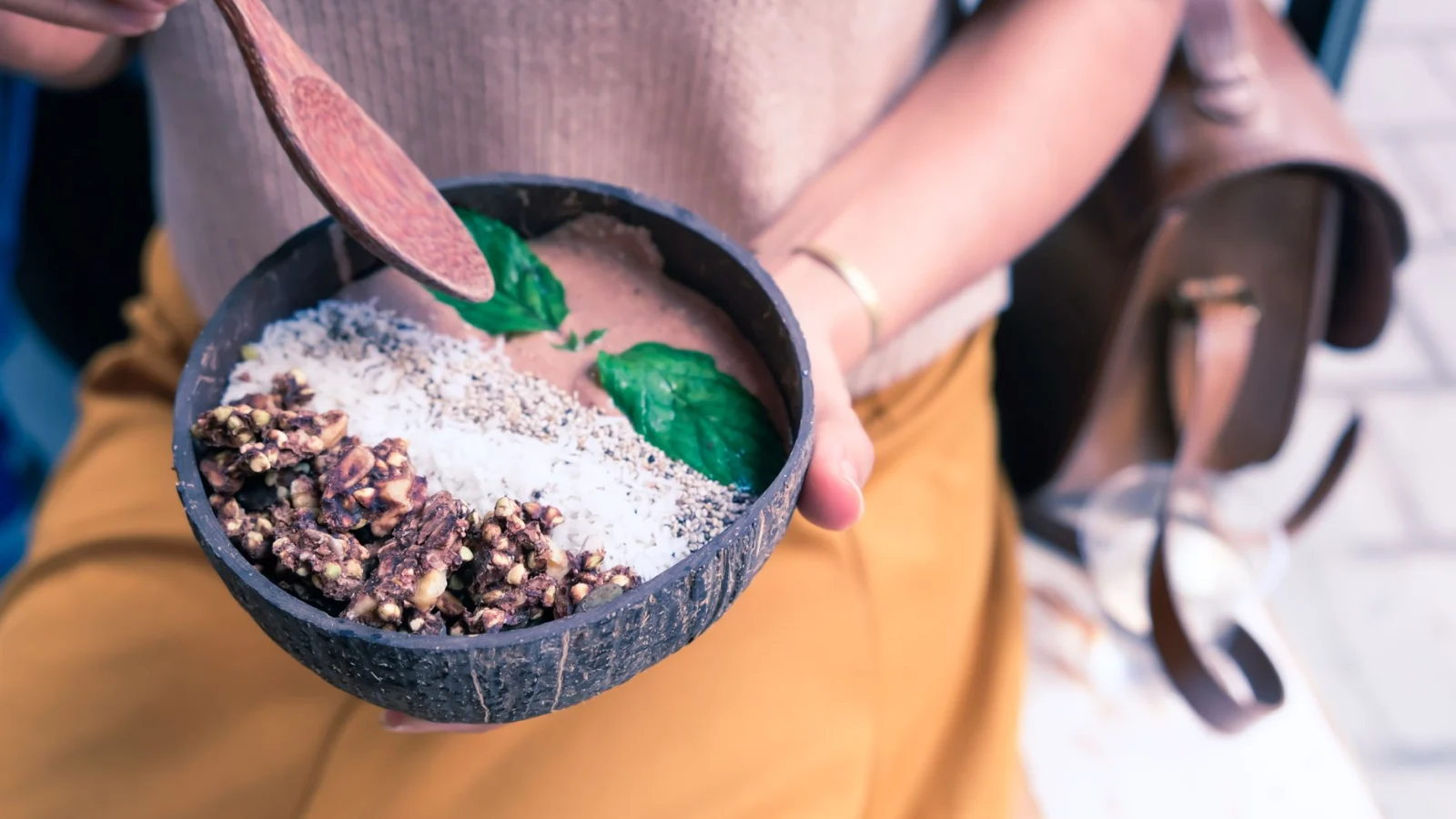
Pulling the three mechanisms above together, here is what to eat during endometriosis flare ups, organized by what each food is actually doing rather than as an arbitrary list.
Fatty fish two to three times per week. Salmon, sardines, mackerel, and trout supply EPA and DHA directly, shifting the omega-6 to omega-3 ratio toward the less inflammatory prostaglandin pathway described above. Canned sardines and salmon are an inexpensive way to get this in consistently.
Ground flaxseed and chia seeds. Both supply plant-based omega-3s and fiber that supports estrogen clearance through digestion, working alongside the mechanisms in our estrogen dominance food guide. A tablespoon or two stirred into oatmeal or a smoothie is enough to start.
Ginger, fresh or as tea. Ginger has been studied specifically for its ability to reduce prostaglandin-driven menstrual pain, working through a similar pathway to the omega-3 shift above. It is also gentle on digestion during a flare, when many people find raw, high-fiber foods harder to tolerate.
Magnesium-rich foods. Pumpkin seeds, almonds, cashews, dark leafy greens, and dark chocolate with a high cacao percentage all support muscle relaxation and can ease the smooth-muscle cramping that comes with prostaglandin release.
Low-histamine protein and produce. During the acute days of a flare specifically, leaning on fresh, non-aged proteins like freshly cooked chicken, eggs, and the fatty fish above, alongside low-histamine vegetables like zucchini, cucumber, and sweet potato, reduces the histamine load feeding the mast cell pain pathway covered earlier. This is arguably the single most useful answer to what to eat during endometriosis flare ups specifically, since it targets the pain-sensitization mechanism most directly.
A gentle anti-inflammatory breakfast. What you eat first in the day sets the tone for blood sugar and inflammation for hours afterward. Our anti-inflammatory breakfast ideas are built around the same fiber, omega-3, and steady-blood-sugar principles that matter most during a flare.
Foods That Make an Endometriosis Flare Worse
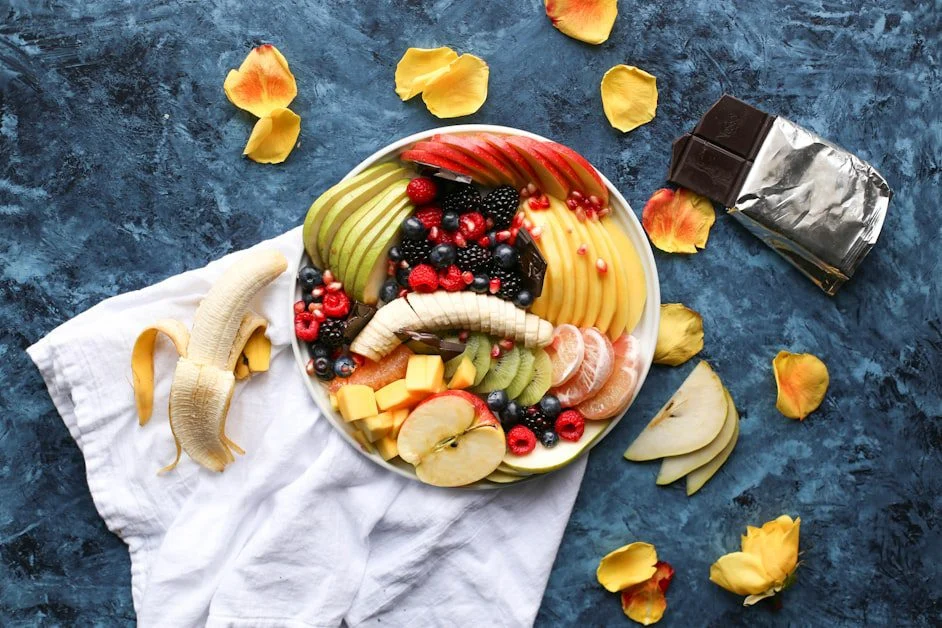
Just as important as what to eat during endometriosis flare ups is what to scale back while symptoms are active. None of these foods need to be avoided forever, but during the acute days of a flare they add directly to the mechanisms driving your pain. Think of this list as the mirror image of the previous section rather than a separate set of rules.
Red and processed meat. As covered above, these are a concentrated source of omega-6 fatty acids linked to higher estradiol and higher inflammatory prostaglandin production specifically in endometriosis research.
Alcohol, especially red wine and beer. Both are high-histamine and also interfere with your liver’s ability to clear estrogen, compounding two mechanisms at once during an already inflamed window.
Fried food and vegetable oil-heavy packaged snacks. These are the largest source of excess omega-6 fatty acids in a typical Western diet and directly feed the prostaglandin pathway.
Aged, cured, and fermented foods during the flare specifically. Aged cheese, cured meats like salami and prosciutto, and fermented foods like sauerkraut and kombucha are all high in histamine. These are not inherently unhealthy foods, but during a flare they add to the mast cell histamine load described earlier.
Excess added sugar and refined carbohydrate. Blood sugar spikes trigger their own inflammatory response and tend to worsen the fatigue and bloating that accompany a flare, on top of the pain itself. Keeping this section in mind alongside what to eat during endometriosis flare ups gives you the full picture rather than half of it.
Endo Belly, Bloating, and the FODMAP Connection
The bloating that comes with a flare, sometimes called “endo belly,” has its own separate mechanism worth understanding. Endometriosis lesions can involve the bowel or sit close enough to it that inflammation affects gut motility, and irritable bowel syndrome overlaps with endometriosis far more often than chance would predict. That overlap is why a low-FODMAP approach, which limits fermentable carbohydrates that draw water and gas into the gut, has shown symptom improvement in some studies of women with both conditions.
Fiber still matters here, but the type and timing matter more than the amount during an active flare. Cooked, well-tolerated fiber sources like cooked carrots, zucchini, and oats tend to sit better than large raw salads when the gut is already inflamed, which is another reason a generic high-fiber list falls short of actually answering what to eat during endometriosis flare ups. Our guide to foods that heal gut lining naturally covers the broader gut-repair mechanisms that support digestion between flares, which is a useful complement to the FODMAP-specific approach during an active one.
A Sample Day of Eating During a Flare
This is not a rigid meal plan, since what to eat during endometriosis flare ups depends on which symptoms are dominant for you, but it illustrates how the mechanisms above translate into an actual day. Adjust portions and swap in your own low-histamine favorites as needed.
Breakfast: Oats cooked with ground flaxseed, a spoonful of almond butter, and blueberries, with a cup of ginger tea.
Lunch: Grilled salmon or canned sardines over rice with roasted zucchini and a side of cooked carrots, olive oil rather than a heavy vegetable-oil dressing.
Snack: A small handful of pumpkin seeds and a piece of fresh fruit that is lower in histamine, such as apple or pear.
Dinner: Roast chicken with sweet potato and steamed green beans, finished with fresh herbs rather than a fermented condiment.
If your flare consistently lands the week before your period, pairing this pattern with the food timing in our best foods to eat during menstrual phase guide can help you prepare a few days ahead rather than scrambling once pain has already started. If your periods run heavy alongside your endometriosis, our iron-rich foods for heavy periods guide is also worth reading, since iron depletion from heavy bleeding is a common and under-addressed overlap with this condition.
A flare is not the time to under-eat, and how many calories you should eat a day shows what maintenance looks like for your size, age and activity, with the protein target that goes with it.
Frequently Asked Questions
What foods calm an endometriosis flare fast?
There is no single food that stops a flare within minutes, since the estrogen and prostaglandin mechanisms driving the pain take time to shift. When people ask what to eat during endometriosis flare ups for fast relief, the honest answer is ginger tea, magnesium-rich foods, and switching to low-histamine proteins and produce for the day, which are the most evidence-supported steps for easing symptoms over the following hours, alongside heat and any pain management your doctor has recommended.
Is dairy bad for endometriosis flares?
It depends on the type. Fresh dairy like plain yogurt in moderation is not a major histamine source, but aged, hard cheeses are high in histamine and can add to mast cell-driven pain during an active flare. Full-fat dairy also carries more of the arachidonic acid that feeds the prostaglandin pathway than low-fat versions, so scaling back during a flare specifically, rather than eliminating dairy permanently, is the more evidence-based approach.
Can diet alone cure endometriosis?
No. Endometriosis lesions produce their own local estrogen through an aromatase enzyme pathway that functions independently of diet, which is why hormonal therapy, pain management, and in many cases surgery remain the primary treatments. Diet can meaningfully reduce the inflammatory and histamine load contributing to flare severity, but it does not remove existing lesions.
Why do my flares get worse the week before my period?
Estrogen and the prostaglandins that drive uterine and pelvic contractions both rise in the days before menstruation, and endometriosis tissue responds to that same hormonal signal even though it is located outside the uterus. This is also when the aromatase-driven local estrogen loop inside the lesions is most active, which compounds with your normal cycle to produce a sharper flare than the pain from a typical period alone.
Is a low-histamine or low-FODMAP diet worth trying for endo belly?
Both are worth testing individually rather than combined, since restricting too many food groups at once makes it hard to tell what is actually helping. A low-FODMAP approach is better supported for bloating specifically, given how often irritable bowel syndrome overlaps with endometriosis, while a temporary low-histamine approach during active flare days targets the pain-sensitization side described earlier in this guide. A registered dietitian familiar with endometriosis can help structure either approach so you are not cutting out more than necessary.
The Bottom Line
What to eat during endometriosis flare ups comes down to three levers you can actually influence: shifting your omega-6 to omega-3 ratio to reduce the raw material for inflammatory prostaglandins, temporarily lowering histamine-releasing foods to ease mast cell-driven pain sensitization, and supporting estrogen clearance through fiber while accepting that the local aromatase loop inside the lesions themselves is not something food can switch off. None of this replaces medical care, but layered onto whatever treatment plan you and your doctor have built, these changes target the specific biology behind why a flare hurts the way it does, rather than repeating the same generic vegetables-and-water advice found everywhere else.
Start with the food swaps that are realistic for you, fatty fish twice a week, ginger tea during active symptoms, and scaling back alcohol and cured foods for the few days a flare is active, and build from there. Small, consistent changes tend to outperform an all-or-nothing overhaul, especially for a condition where the underlying driver is not fully within diet’s control. Revisit this guide the next time you are searching for what to eat during endometriosis flare ups, since the mechanisms here do not change month to month even when your symptoms do.
Related Articles
- Best Foods to Eat During Ovulation: 12 That Work by Mechanism
- Best Foods to Eat During Menstrual Phase: 12 That Work by Mechanism
- What to Eat on Night Shift (And When to Stop Eating)
This article is for informational purposes only and is not a substitute for professional medical advice, diagnosis, or treatment. Endometriosis is a medical condition that should be diagnosed and managed by a gynecologist or healthcare provider. Talk with your doctor or a registered dietitian before making significant dietary changes, especially if you are also managing anemia, irritable bowel syndrome, or are considering hormonal or surgical treatment.
Sources
- Mayo Clinic. Mayo Clinic.
- PubMed Central, NIH. Is intracrinology of endometriosis relevant in clinical practice? A systematic review on estrogen metabolism.
- PubMed Central, NIH. Unravelling the Intricate Link: Mast Cells and Estrogen-Induced Pain Sensitization in Endometriosis.
- PubMed Central, NIH. Nutrition in Gynecological Diseases: Current Perspectives.